

Walk
Short tour - The Secret Capital
Munich, Germany
Walk
Short tour - The Secret Capital
Munich, Germany
Distance
3.6 kmDurée
1h30Audios
19Parcours
Loop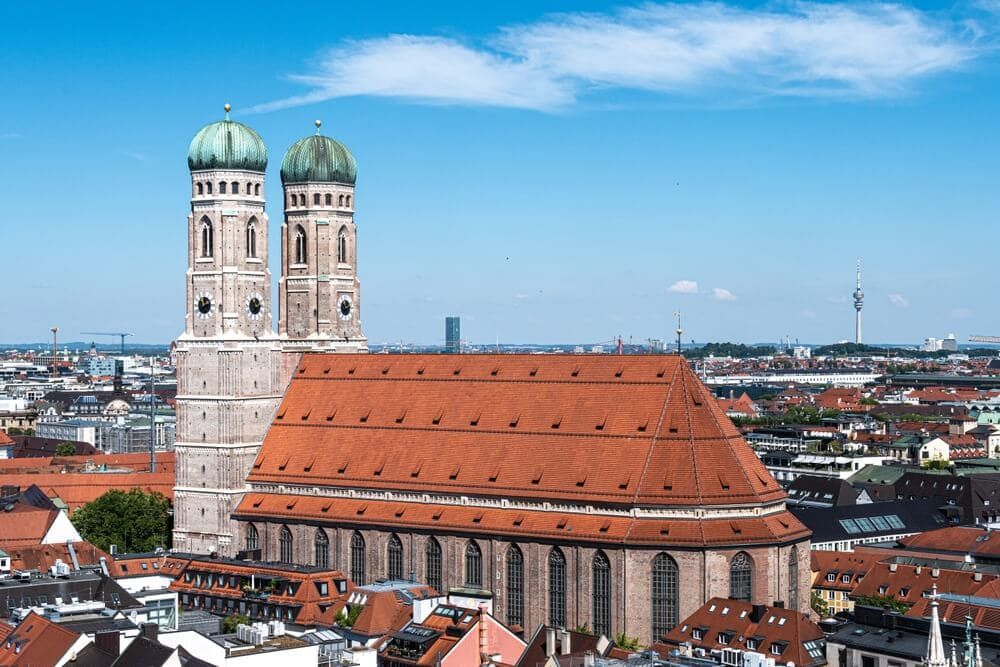
Shutterstock
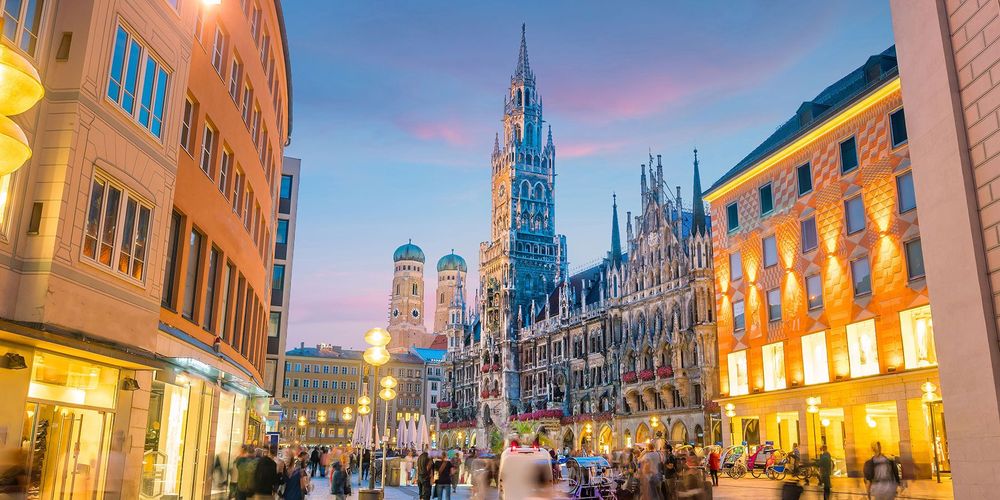
No visit to Munich would be complete without looking up at the Frauenkirche’s famous twin towers, topped with their distinctive onion-shaped domes. For more than five centuries, they’ve towered over the Bavarian capital, becoming the city’s most recognizable symbol. And there’s a reason no modern building rises higher than these towers today. In a referendum, Munich residents voted to protect their beloved skyline, ensuring that the cathedral would remain the city’s official high point. But the magnificent building you see today wasn’t the first church to stand on this site. There was already a church here in the 13th century, but as Munich grew rapidly, the city needed a much larger and more ambitious place of worship. Construction began in 1468 under master builder Jörg von Halsbach. With no stone quarries nearby, he turned to brick, giving the cathedral much of its distinctive character. Despite several financial setbacks, construction was completed in the early 16th century, when the two famous domes were added to crown the towers. Inside, the vast, light-filled space could accommodate as many as 20,000 standing worshippers, making the Frauenkirche one of the largest Gothic hall churches in the world. Behind its seemingly modest appearance, the cathedral holds plenty of treasures: the bishops’ crypt, the tombs of the Wittelsbach dynasty, several organs, and a rich musical tradition that lives on through its choirs and concerts. But its most famous curiosity awaits near the entrance of the cathedral, where you’ll spot the mysterious “Devil’s Footprint” on the floor, the centrepiece of one of Munich’s most famous legends. According to the tale, the Devil made a deal with the architect of this cathedral, who promised that the structure would be built without any windows. Once construction was complete, the Devil arrived to inspect the cathedral. At first glance, it seemed the deal had been honoured. But after moving past the columns, he realised he’d been tricked: the windows were cleverly concealed. Enraged, he stamped his foot in fury, leaving an imprint in the stone that remains to this day. Some even say the gentle breeze that blows around the cathedral is actually the Devil’s angry breath, still lingering after all these centuries… Severely damaged during World War II and painstakingly rebuilt afterward, the Frauenkirche is far more than just a cathedral today. It remains the spiritual heart of Bavaria and one of Munich’s most cherished landmarks.
Aucun avis pour le moment