





Walk
Short tour - The Smoky Bay
Reykjavik, Islande
Walk
Short tour - The Smoky Bay
Reykjavik, Islande
3.4 km
Distance
1h40
Durée
17
Audios
Loop
Parcours
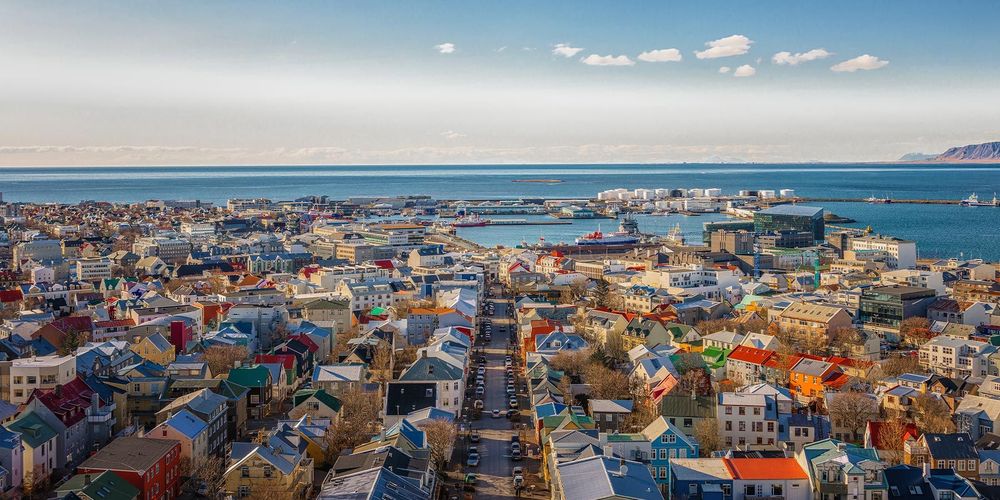
For the past few years, Reykjavik has experienced an unprecedented tourist boom. Many have figured it out, this Icelandic capital is unlike any other destination, and in the best way possible. It offers breathtaking natural surroundings, outstanding safety and cleanliness, and a tranquil atmosphere, thanks to its warm and welcoming locals.
Naturally, the city has gained a stellar reputation. The public consensus is clear: people fall for Reykjavik even before setting foot there. That’s without knowing a few of the city’s quirky secrets.
For instance, did you know Reykjavik imposed several unusual bans during the 20th century? Beer was prohibited until 1989, blamed for promoting excessive drinking and for its cultural ties with Denmark, which ruled over Iceland for more than 600 years. Same story with dogs, which were banned until 1984 for being considered farm animals and carriers of deadly diseases, giving cats the upper paw, and they still rule today!
If you take a look around the city’s landscape, you’ll notice trees and forests are quite rare. This scarcity, along with the lack of nearby stone deposits, led locals to build their homes with an unexpected material: earth, topped with grass. Until the 1960s, people lived in marshy little dens they saw as warm and welcoming, despite the humble conditions.
And while we’re talking about homes, how do you heat yours in winter? Probably wood, electricity, or gas. Well, here in Reykjavik, the city relies on the warmth of the Earth itself.
Thanks to the abundance of active volcanoes nearby, about 90% of the city’s hot water and heating needs are met through geothermal energy. Unconventional, but brilliantly natural, and honestly, I’m all for it.
Aucun avis pour le moment
