




Walk
The City of Knowledge
Bologna, Italy
Walk
The City of Knowledge
Bologna, Italy
3.8 km
Distance
1h30
Durée
25
Audios
Loop
Parcours
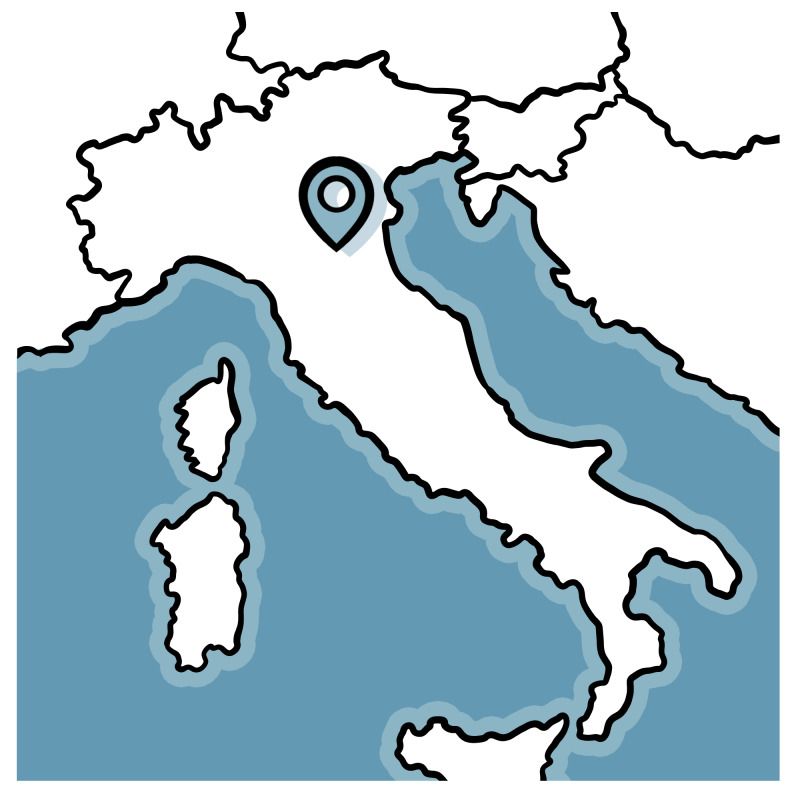
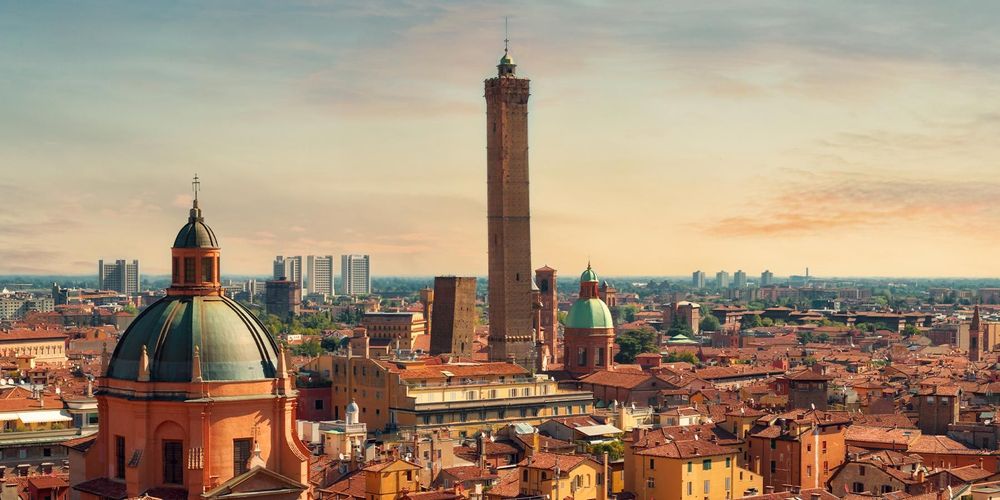
Bologna is a city with a rich and eventful past. Archaeological excavations in the 19th century confirmed that a settlement existed here as early as the 9th century BC. The first to settle in the region were the Umbrians, followed by the Etruscans, who named the city Felsina.
In the 5th century BC, it was taken over by the Gauls, and, in the 1st century BC, the Romans arrived. They renamed the city Bononia, which gradually evolved into Bologna. After the fall of the Roman Empire, the city came under the rule of Odoacer’s kingdom, then the Byzantine Empire, and finally the Lombards.
Bologna was primarily a military town at this time, and in 774, Charlemagne gave it to Pope Adrian I. During the Middle Ages, Bologna expanded, regained its independence, and developed its trade networks, helped by the many canals that once crossed the city. In 1088, it founded the first university in the Western world, earning it cultural and intellectual prestige.
Over the following centuries, control of the city passed between the Visconti family, the papacy, and republican forces. During the Renaissance, power struggles broke out between the city’s wealthy families, until Pope Julius II took decisive action in 1506, laying siege to Bologna and bringing it under to papal rule for more than 300 years. In 1796, Napoleon marched in and integrated Bologna into the Cispadane Republic.
Finally, in 1860, the city became part of the Kingdom of Italy. With over 2,000 years of history behind it, Bologna continues to shine, thanks to its monuments, its cuisine, and its culture, all of which continue to win over countless visitors.
Aucun avis pour le moment
