





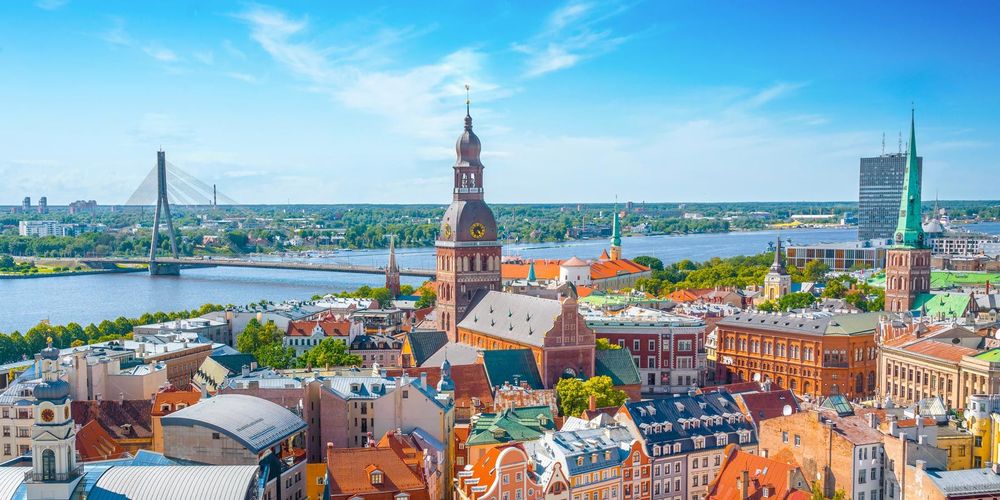
Walk
The Little Paris of the Baltics
Riga, Latvia
Walk
The Little Paris of the Baltics
Riga, Latvia
4.3 km
Distance
2h00
Durée
28
Audios
Loop
Parcours
Shutterstock
A thematic stop on the Riga audio-guided tour, this pause celebrates the art that is everywhere in the city and the flavours of Latvian cuisine. In Riga, statues appear everywhere, from the great squares to the street corners, from mythological animals to tributes to the country's great figures.
Along the way, you will come across a contemporary sculpture depicting three dancing women, or a monument to Rudolf Blaumanis, a master of Latvian literary realism. These works punctuate the city and tell its history and culture.
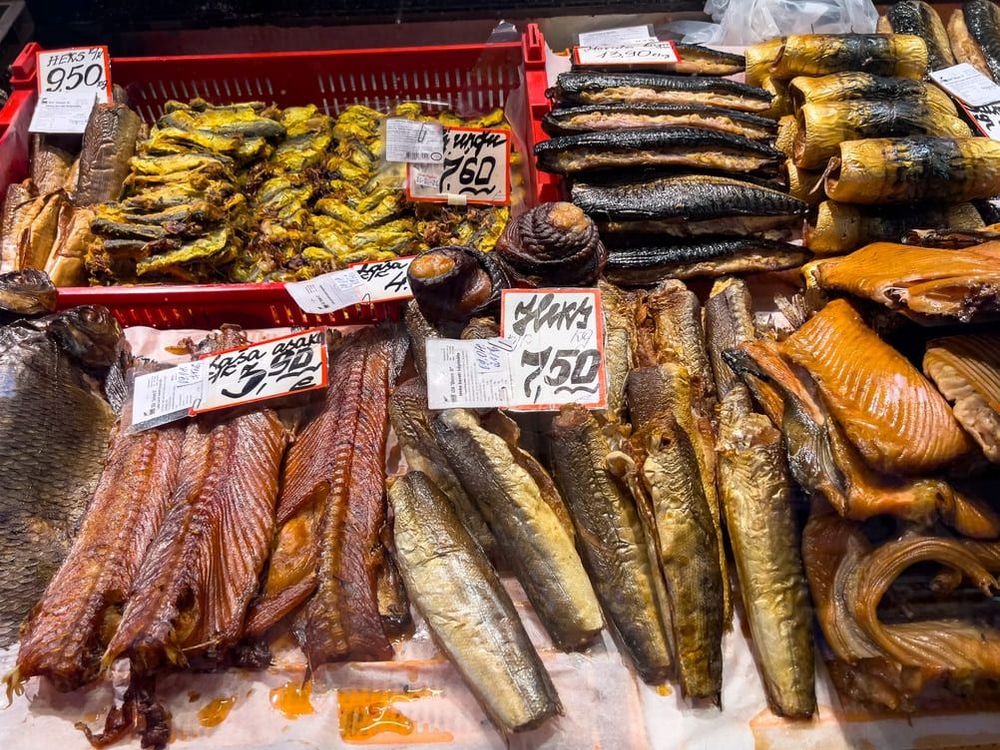
Walking whets the appetite: Latvian cuisine is simple and generous. Black rye bread, rupjmaize, is central to it: a symbol of hospitality, it accompanies butter, cheese and sausages. Soups, such as the sauerkraut skabenu zupa, warm up cold days, while smoked fish recall the nearness of the Baltic Sea. Taste these flavours to complete your discovery of Riga.
This stop is experienced along the route in the centre of Riga. A narrative and gourmet pause, it invites you to observe the city's sculptures and to discover its cuisine in local restaurants and markets.
Black rye bread, rupjmaize, a symbol of hospitality, central to Latvian cuisine.
Because Riga is dotted with sculptures, from mythological animals to tributes to great Latvian figures.
Aucun avis pour le moment
