




Walk
Along the canals
Amsterdam, Netherlands
Walk
Along the canals
Amsterdam, Netherlands
Distance
6.3 kmDurée
2h30Audios
30Parcours
Loop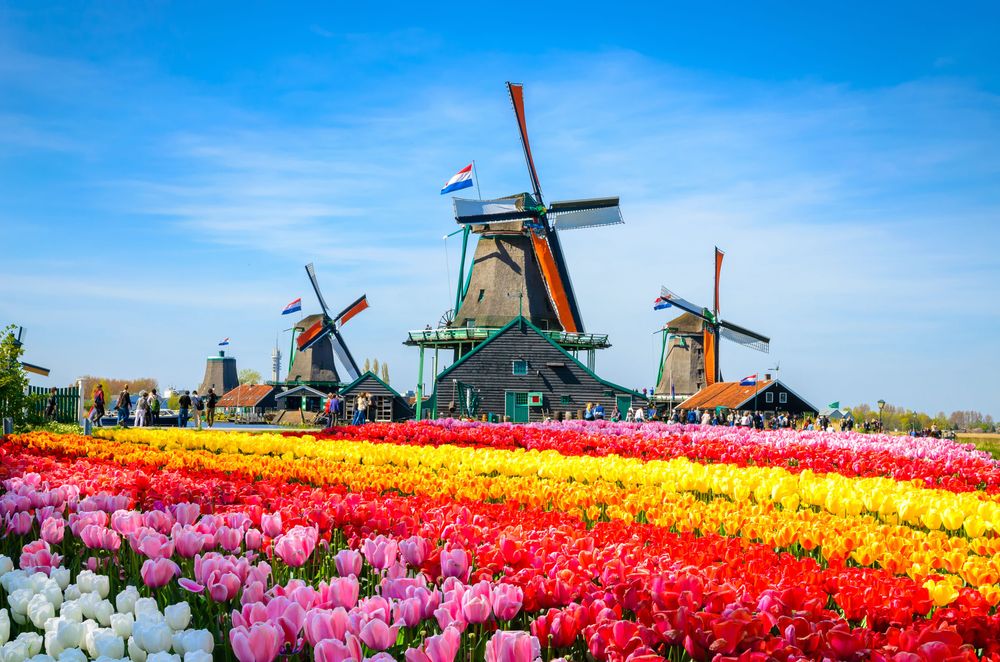
Welcome to the Amsterdam Tulip Museum, dedicated entirely to one of the Netherlands' most famous symbols. But here's something you might not expect: the tulip isn't actually native to the Netherlands! It originally came from Central Asia, before capturing the imagination of the Ottoman Empire and eventually making its way to the Netherlands in the late 16th century. One botanist played a particularly important role in this story: Carolus Clusius. Working in Leiden, he began growing and studying tulips in his botanical garden. Gradually, these beautiful flowers caught the attention of collectors, scholars, and, above all, wealthy merchants. And in 17th-century Amsterdam, the timing couldn't have been better. The city was enjoying its Golden Age, maritime trade was booming, money was flowing, and the wealthy were eager to show off their taste and success. Suddenly, the tulip was no longer just a flower. It had become a status symbol! And that's how the famous phenomenon known as Tulip Mania began. During this extraordinary period of speculation, particularly in 1636 and 1637, rare tulip bulbs became highly sought after by collectors and traders. Varieties with striped or flame-like patterns on their petals were especially prized. Prices soared, sometimes reaching outrageous heights. Some traders even bought and sold bulbs they didn't yet physically possess, using contracts they hoped to resell at a profit. But in 1637, confidence suddenly collapsed. Buyers vanished, prices plunged, and Tulip Mania went down in history as one of the earliest great speculative bubbles. Today, historians take a more nuanced view of the story. The crash probably didn't bankrupt the entire country, as popular legend sometimes suggests. Still, Tulip Mania remains a fascinating example of what can happen when fashion and speculation turn something as simple as a flower into an object of extraordinary value. Inside the museum, you can explore the full story of the tulip through photographs, videos, and exhibits tracing the history of tulip bulb cultivation. And just a few steps away, there's another little Dutch specialty waiting to be discovered: the Cheese Museum! This tasty stop combines a store filled with wheels of cheese and a small basement museum devoted to the history of Dutch cheesemaking. With free samples, Gouda in all its delicious varieties, and plenty of cheesy delights, it's the perfect place to discover a few secrets of Dutch cheese while treating yourself to something tasty!
Aucun avis pour le moment
