Créé par Romane, le 17 nov. 2026
Votre guide Ryo
Amsterdam, Netherlands
Along the canals
Parcours audioguidé pour visiter Amsterdam en 1 jour
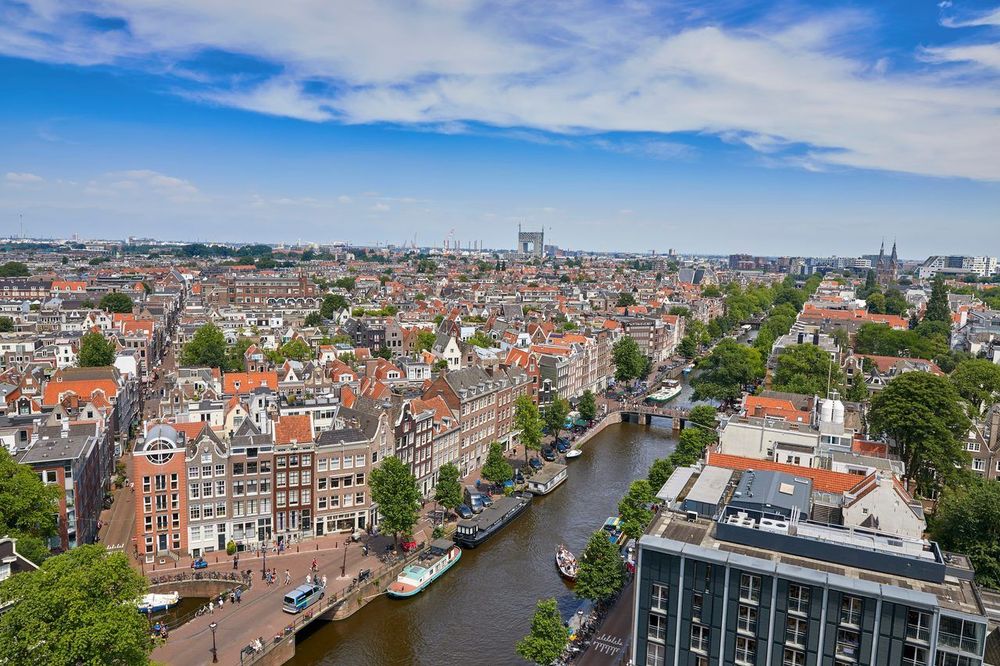
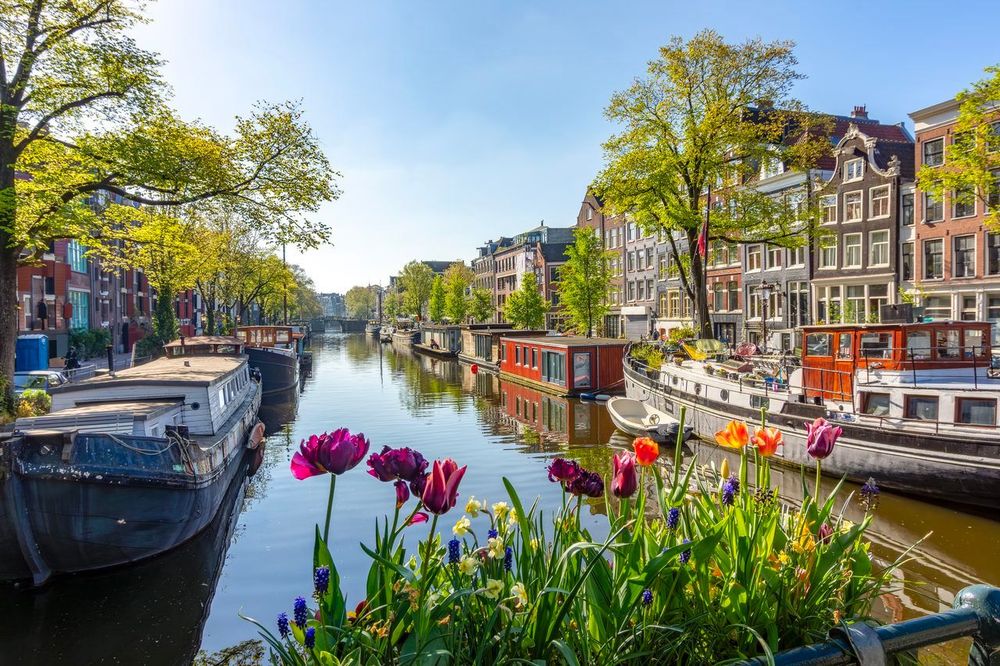
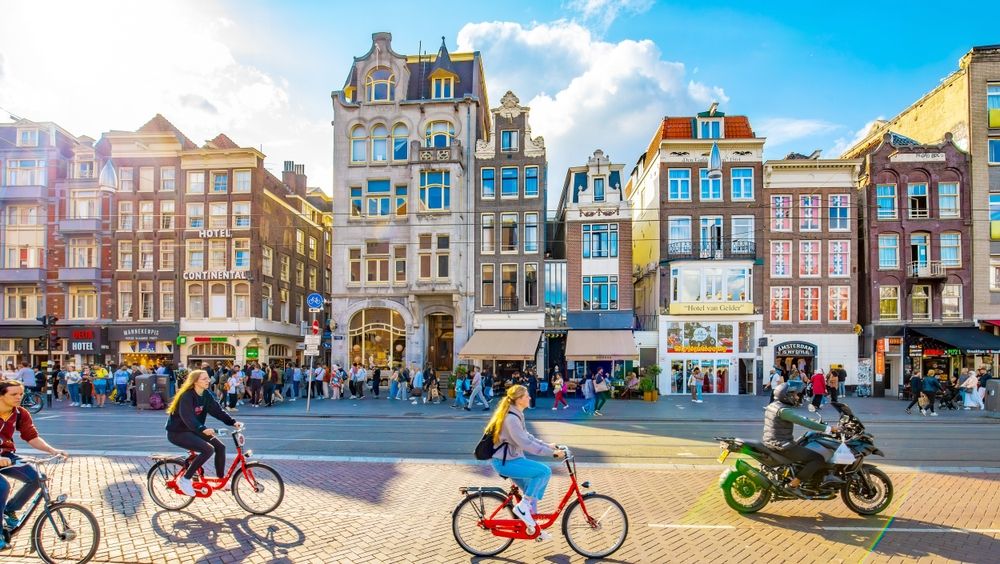
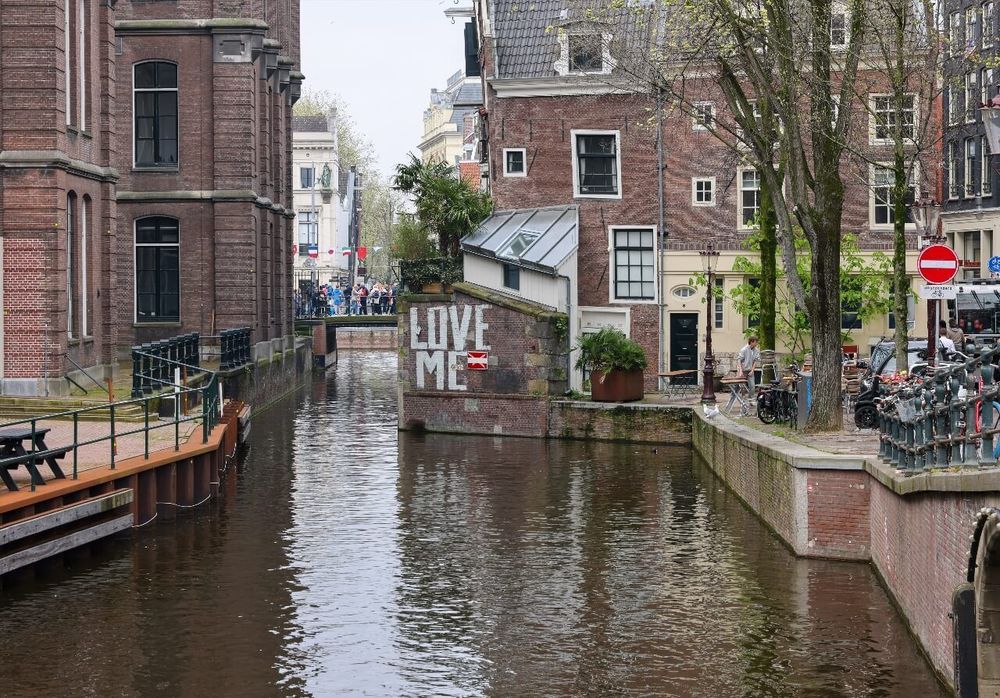
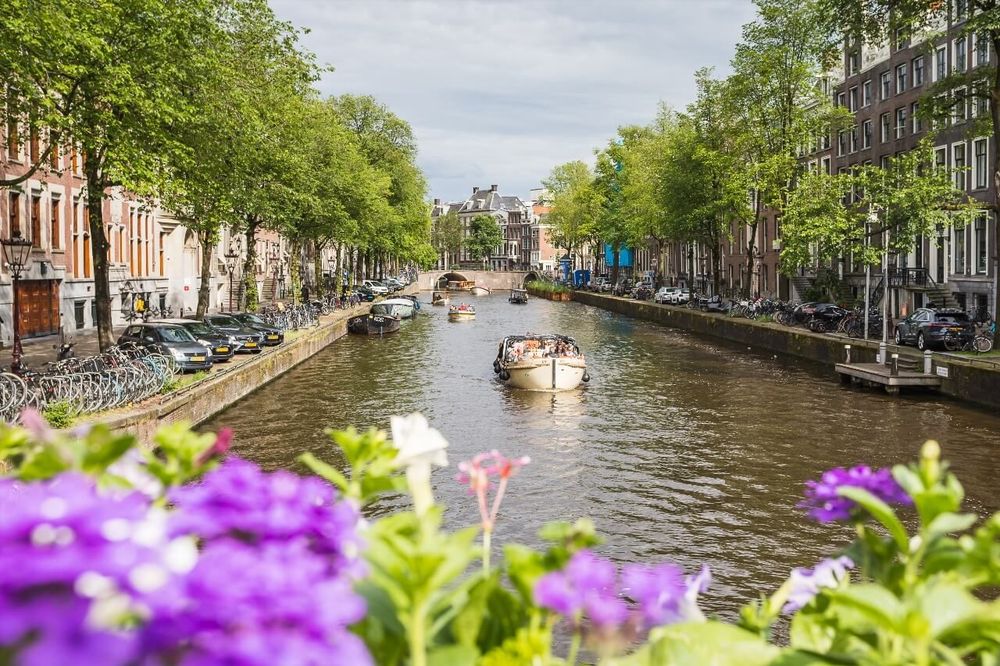
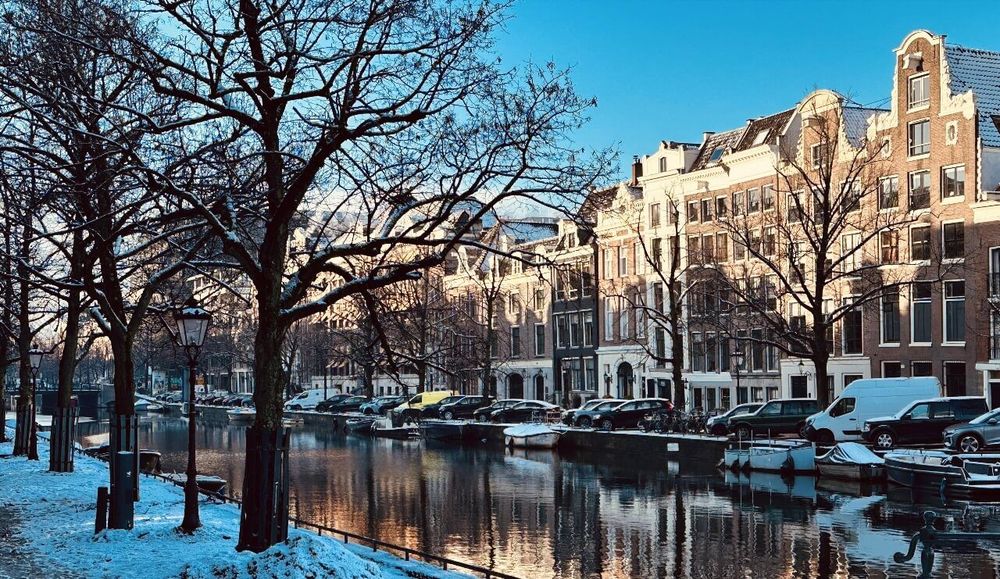
Picture a city that seems to float between sky and water, where the reflections of narrow façades ripple across the canals as bicycles glide by. Amsterdam is more than a capital—it feels like a living work of urban art, where the bold spirit of the Dutch Golden Age meets a uniquely free-spirited modern culture. Let yourself drift along its timeless rings of canals, where every bridge hints at something new to discover and every street reveals a fragment of the past. It’s an invitation to wander at an unhurried pace, as the shifting northern light enhances the glow of red brick and the city unfolds in an atmosphere that is both calming and quietly exhilarating.
Quand partir à Amsterdam ?
Jan.
6°
13
Feb.
7°
11
March
10°
11
April
13°
10
May
17°
11
June
20°
11
July
22°
11
Aug.
22°
12
Sept.
19°
11
Oct.
15°
13
Nov.
10°
14
Dec.
7°
14
The best time to visit Amsterdam is during spring: the temperature's mild and it rains less. In February, the weather does not go above 6°C/43°F, whereas in July and August, it's about 20°C/68°F. Summers are mild and winters are cool. Don't forget to bring your windbreaker and umbrella, no matter the season!
Départ conseillé
No need to worry about where to begin! Our tours are designed as a loop, so you can jump in wherever you are. The navigation system and audio-guide will automatically adjust to your location. However, if you happen to be nearby, we do have a preferred starting point: Beursplein Square
Parking à proximité
Bijenkorf underground parking, Beursplein 15
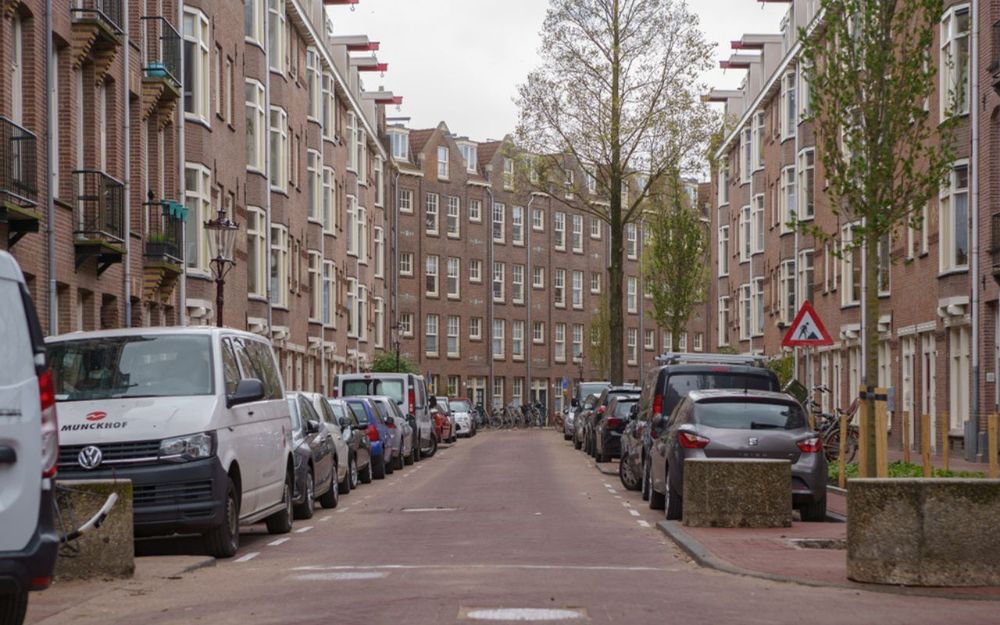
Other than underground parking, it's quite hard to park in Amsterdam's city center. However, the legend is true: bike riding is privileged here. It may be a better idea to park in the outskirts, there are many park and rides for low prices and you could easily join Amsterdam's center by public transportation. Don't hesitate on informing yourself beforehand, so that you find what's best for you. If you're still opting for an underground parking, be ready to pay for 20-40€ a day. If you park in the street, you'll need to get a ticket from a parking meter.
À savoir
This tour will bring you to the Royal Palace and the Oude Kerk Church: so make sure to reserve in advance if you wish to enter inside!
Consider buying a City Pass if you wish to visit many places in Amsterdam, as it advantages you with skip the line tickets at a reduced price!
Découvrez 30 lieux d'intérêt pour visiter Amsterdam

















What to see in Amsterdam on your 2h30 tour?
This 6.3 km loop takes about 2 h 30 and links 28 sights. From Dam Square and the Royal Palace, it dives into the Golden Age canal belt, past Anne Frank's House, the Jordaan and the 9 Little Streets, crosses the flower market and Rembrandt Square, reaches the former Jewish quarter of Waterlooplein, the Nieuwmarkt and the Red Light District, then loops back past the Oude Kerk. With the Ryo app in your ears, every façade tells a little of the Golden Age and of the city today.
Information checked in October 2026 and subject to change.
1 - Beurs Van Berlage
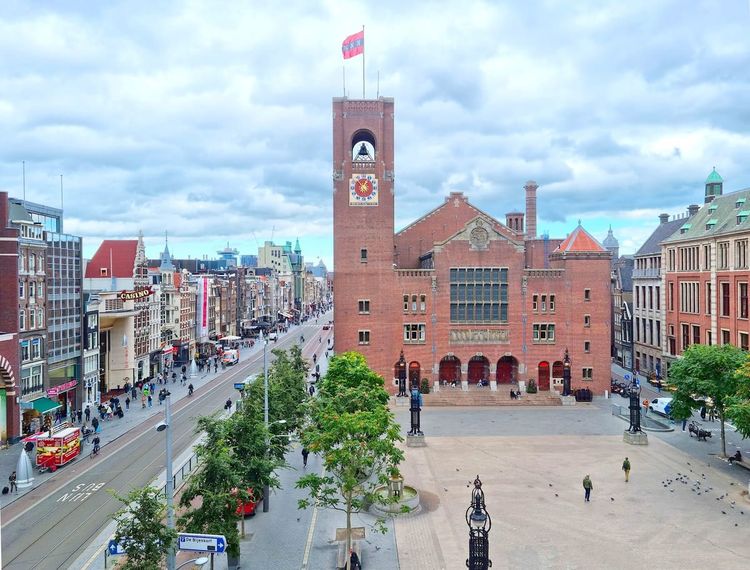
With its red-brick walls and tall clock tower, this building, opened in 1903, wears an almost austere simplicity that hides one of the landmark works of modern Dutch architecture. It once housed the city's stock exchange, back when Amsterdam ranked among Europe's major financial centres. Its architect broke sharply with the ornate façades still fashionable at the close of the 19th century.
Free to see from outside
2 - Dam Square
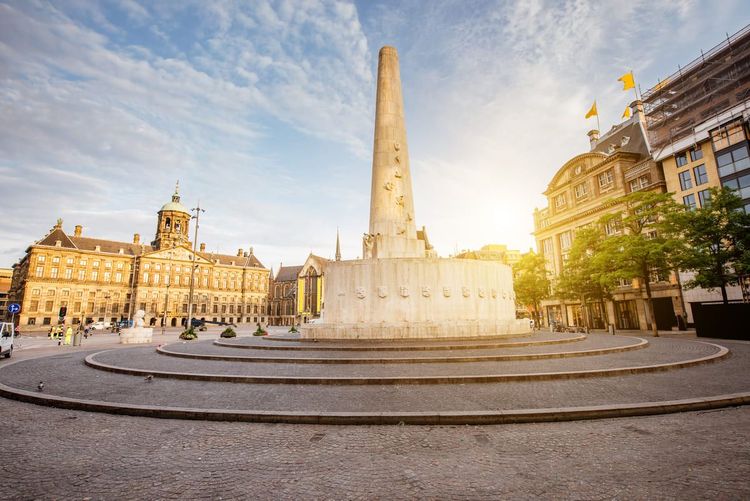
Tourists, locals, street performers and busy café terraces cross paths here every day, often without realising this one square holds the story of the whole city's birth. It was here, in the 13th century, that local fishermen are said to have built a dam across the Amstel river to protect their settlement, giving Amsterdam its very name: literally, the dam on the Amstel. Amid the constant bustle, the great monuments of the historic centre stand as quiet witnesses to that origin.
Free entry
3 - Royal Palace
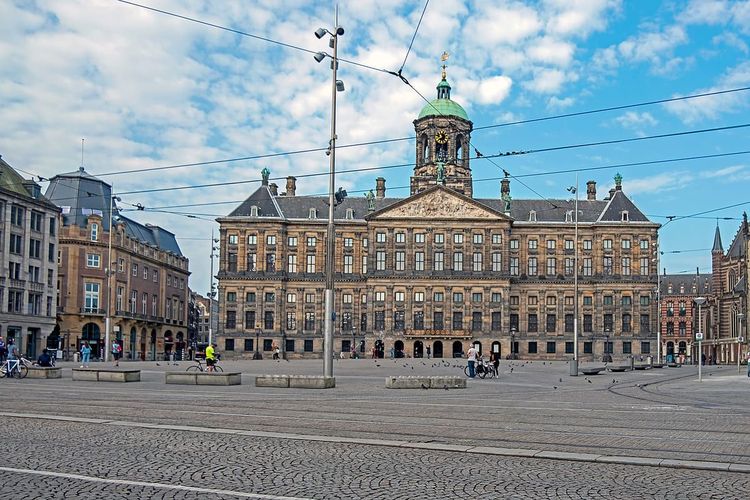
Despite its current name, this striking building was never designed as a royal residence. When construction began in 1648, Amsterdam ranked among the most powerful trading cities on earth, and the authorities wanted a building worthy of that success, one that could project wealth and authority to foreign visitors. Only later, under a monarch installed from France, did it truly take on its role as a palace.
Paid entry (about €14)
4 - New Church
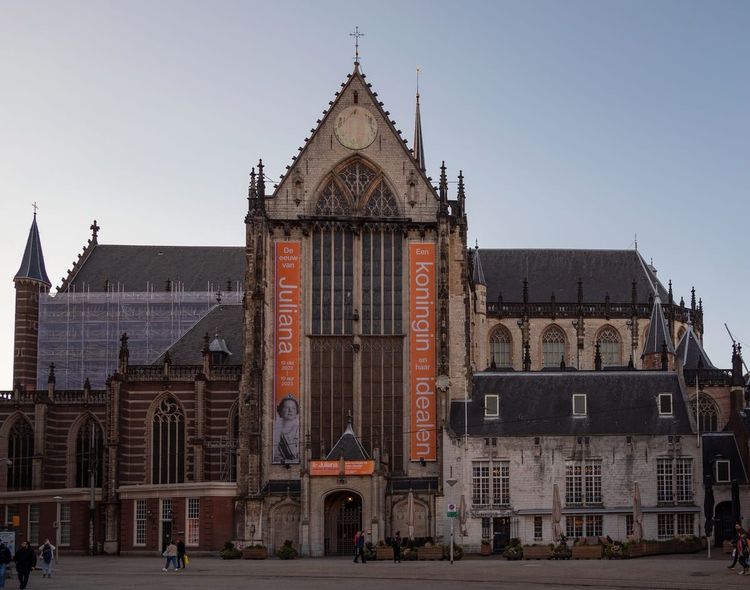
Right next to the Royal Palace stands the Nieuwe Kerk, the 'New Church', a rather misleading name since it was consecrated as early as 1409. At the time, the city was growing so fast that its only place of worship, the Oude Kerk, could no longer hold all its residents. This 2nd church reflects, quite literally, the rapid expansion of an Amsterdam already booming with trade.
Paid entry (about €25)
5 - Magna Plaza
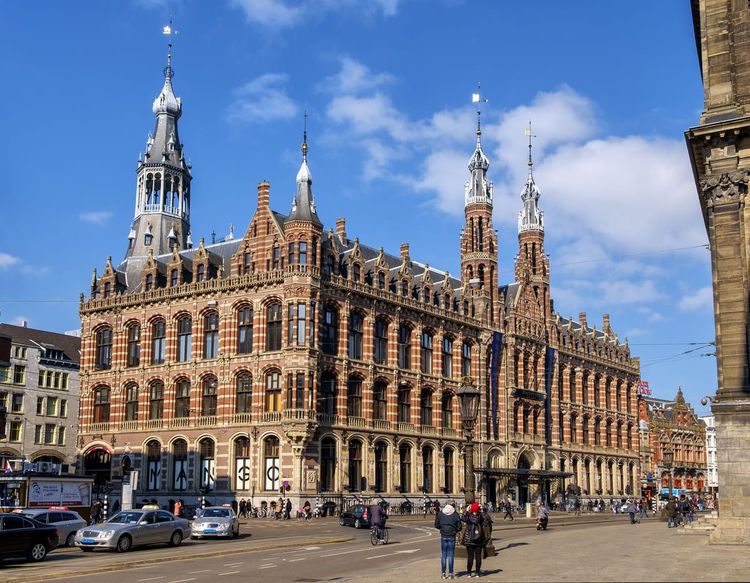
This grand shopping centre didn't always sell clothes or souvenirs. In the late 19th century, the building was designed as the city's main post office, at a time when mail and telegraph services sat at the very heart of daily life and the economy. Its monumental architecture, almost excessive for a simple post office, reflects just how much importance was placed on these new communication technologies.
Free entry
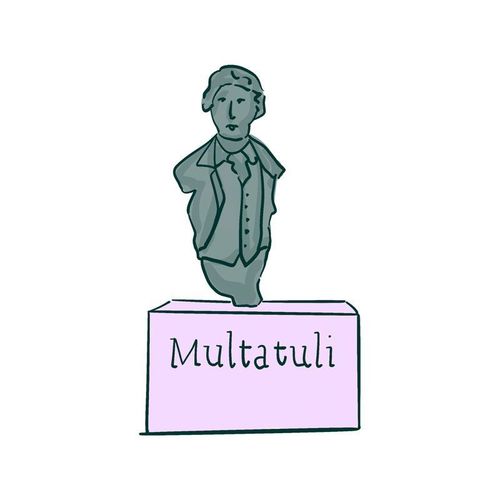
6 - Statue de Multatuli
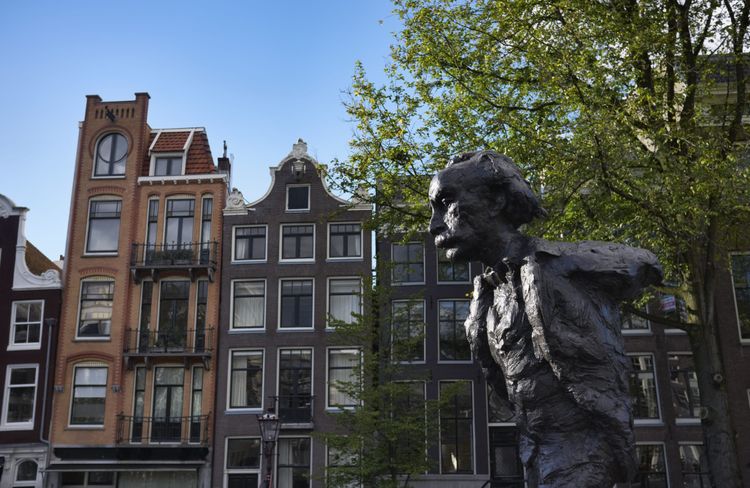
This monument honours Eduard Douwes Dekker, a 19th-century Dutch writer better known by his Latin pen name Multatuli, meaning 'I have suffered greatly'. He owes his fame to a novel published in 1860, named after its main character, which openly denounced the injustices suffered by local populations in a distant Dutch colony. A text so bold for its time that it caused outrage even in the country's political circles.
Free entry
7 - Canal Herengracht
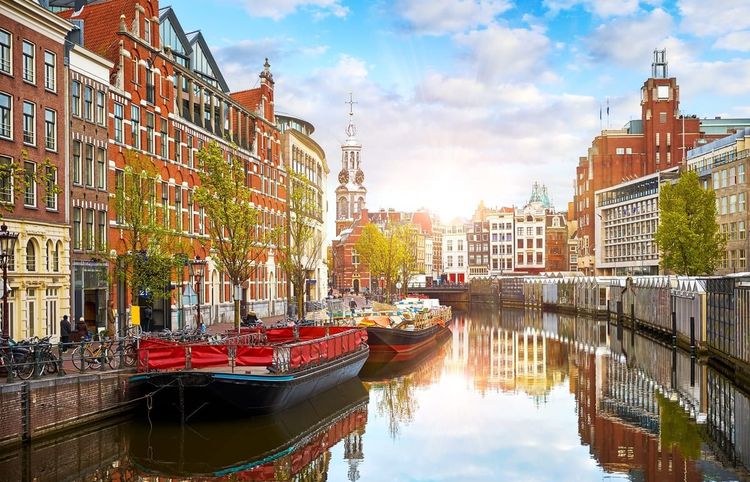
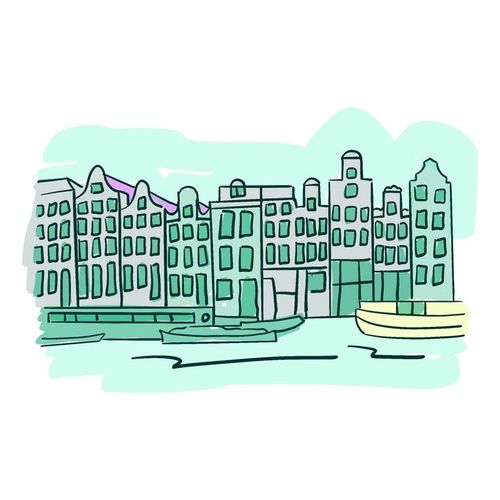
This canal belongs to the famous belt laid out in the 17th century, now a UNESCO World Heritage site. From the outset it was designed as the city's most prestigious waterway: during the Golden Age, great merchants and ruling families built their mansions here, competing through elegant façades and carved gables to display their success. Walking along it today still reveals, house by house, the social hierarchy of an Amsterdam then at the height of its power.
Free entry
8 - Westermarkt
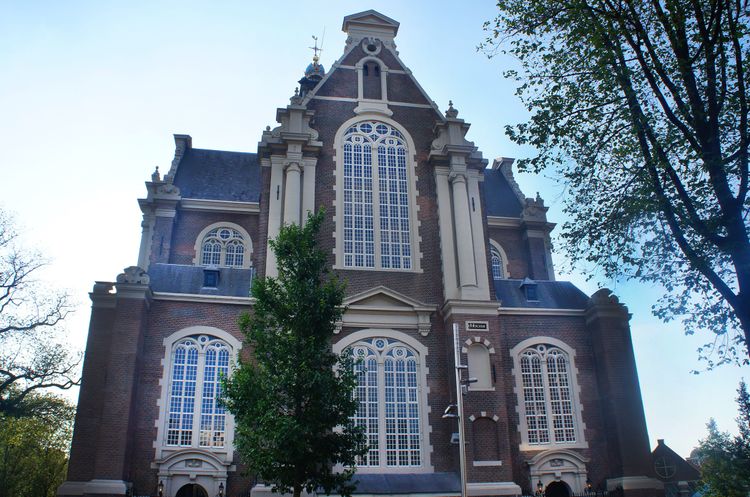
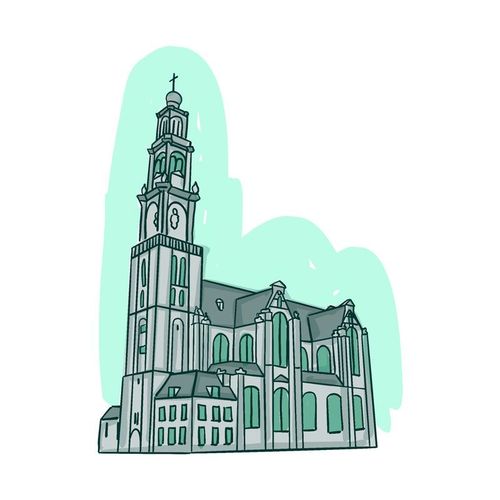
This small square packs several stories into just a few steps. The Westerkerk that dominates it, one of the city's great Protestant churches, was built between 1620 and 1631; its tall tower now makes it one of the neighbourhood's most recognisable landmarks. The spot is also linked to Rembrandt, who lived nearby and is thought to rest, without a marked grave, somewhere beneath its walls.
Free entry
9 - Anne Frank’s House
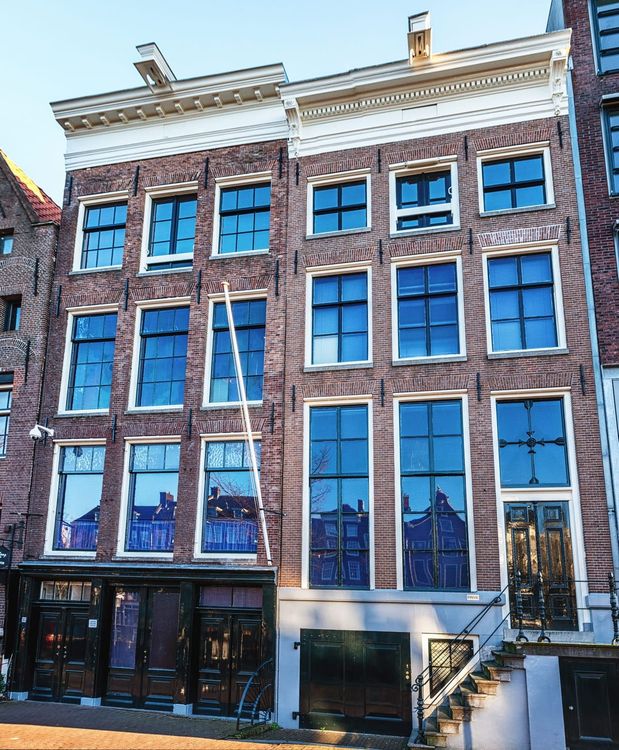
Behind these Prinsengracht façades lies one of the most moving places in Amsterdam. In 1942, at just 13 years old, Anne Frank went into hiding with her family to escape Nazi persecution. They settled into a concealed annex at the back of the building, where their daily life, recorded in a diary that later became famous worldwide, still moves generations of visitors today.
Paid entry (about €17)
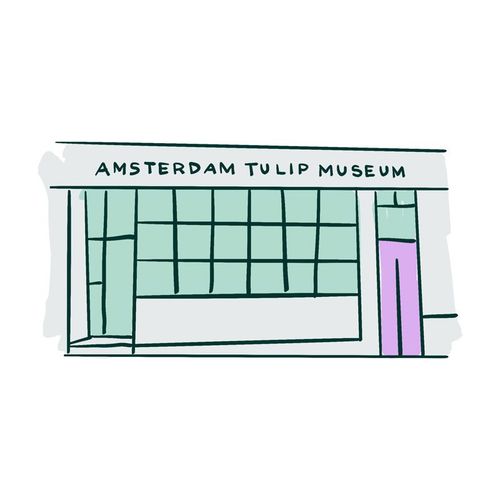
10 - Musée de la Tulipe
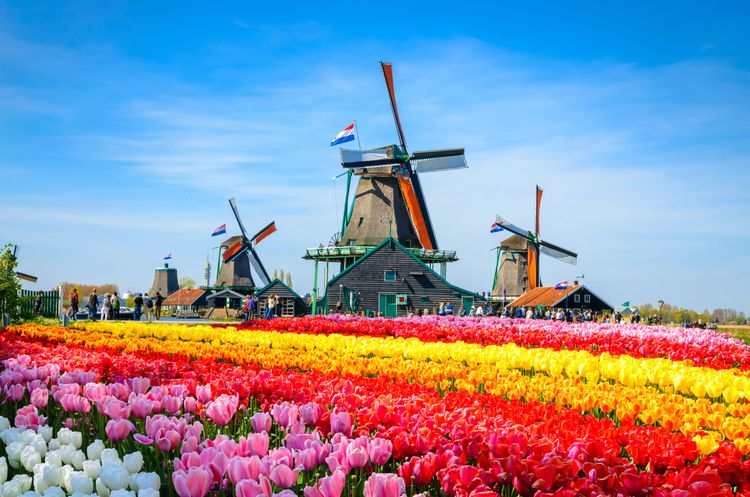
Entirely devoted to one of the country's great symbols, this museum recalls a fact often forgotten: the tulip is not actually native to the Netherlands. Originating in Central Asia, it first captivated the Ottoman Empire before reaching the Netherlands at the end of the 16th century. A botanist based in Leiden then played a decisive role, growing and studying the flower in his own garden until it became a national emblem.
Paid entry (about €7)
11 - Jordaan district
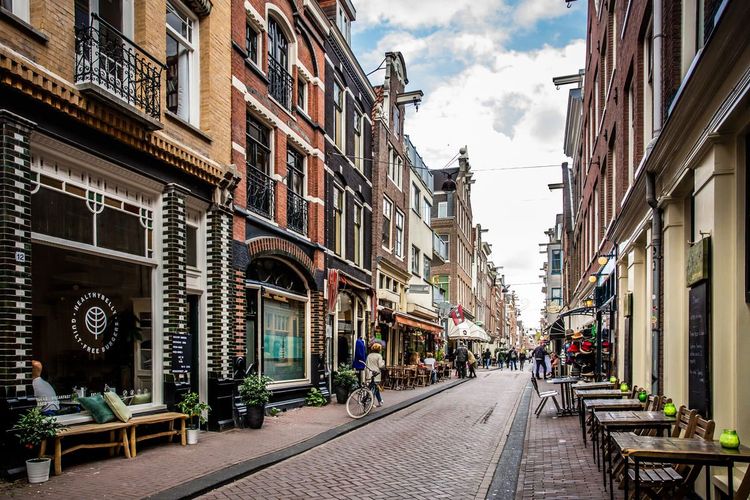
Here, everything invites you to slow down: narrow streets, bridges, tree-lined canals and café terraces that still hint at a genuine neighbourhood life. Yet this district hasn't always had such a peaceful reputation. For a long time it was a working-class area, home to craftsmen, small shopkeepers and modest families, a far cry from the elegant image attached to it today.
Free entry
12 - Amsterdam’s culinary taste

The Netherlands is famous for its beer, no question about that. But Amsterdam cuisine also has a few surprises in store for curious food lovers. Among the local specialities, the raw herring sandwich, sold at small typical stands, often divides visitors; yet it's hard to find a flavour more representative of the city and its maritime past.
Free entry
13 - Les 9 Petites Rues
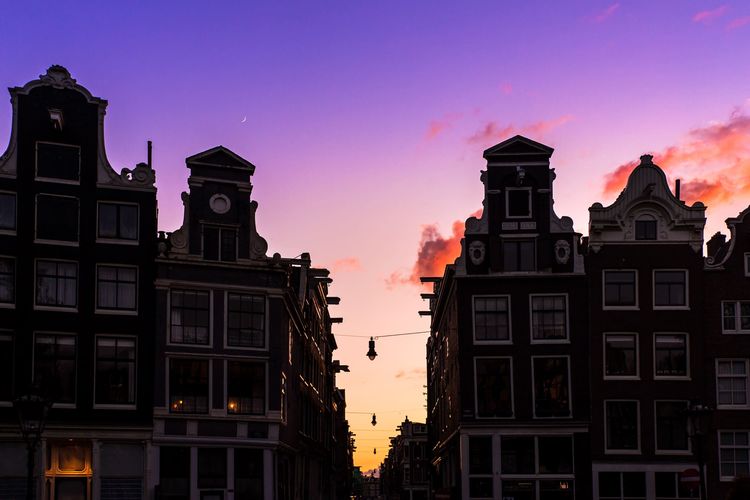
The area you've now reached is known as the '9 little streets', stretching out just to your right. It isn't an attraction with a fixed entrance or route, but rather a small, atmospheric neighbourhood meant for aimless wandering. Tucked at the heart of the canal belt, between several prestigious waterways, it packs independent shops and old façades into a surprisingly small space.
Free entry
14 - Statue d'Atlas
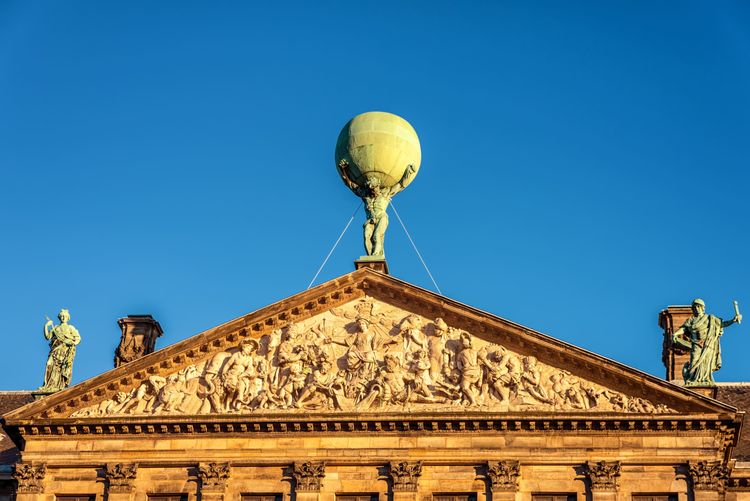
Look up towards the roof of the Royal Palace: this massive silhouette represents Atlas. In Greek mythology, this Titan was condemned by Zeus, after joining the revolt against the Olympian gods, to carry the weight of the heavens on his shoulders for eternity. He's often wrongly shown holding up the whole planet, a common mix-up that this very architectural detail helps to set straight.
Free entry
15 - Postzegelpark
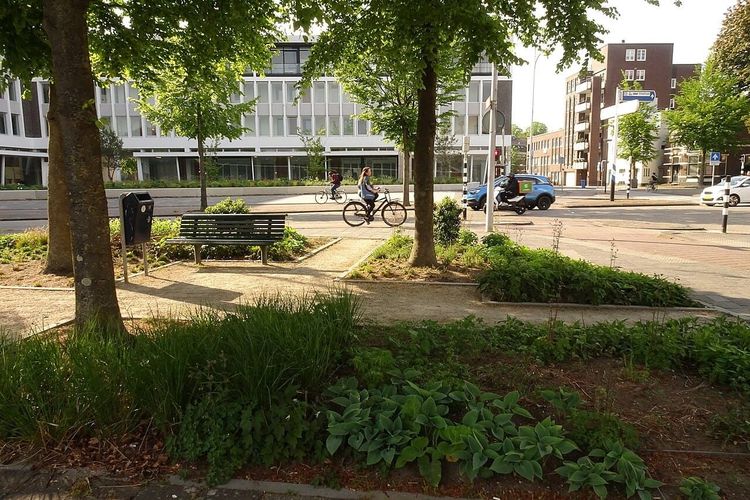
Literally the 'stamp-market park', this tiny green space bears a fitting name: in Amsterdam, the expression refers to these miniature gardens tucked between streets and tram lines, like a breath of fresh air in the middle of the city. This one, located near the Spui, replaced a former stamp market where collectors and traders used to gather to swap their finds.
Free entry
16 - The Amsterdam Dungeon
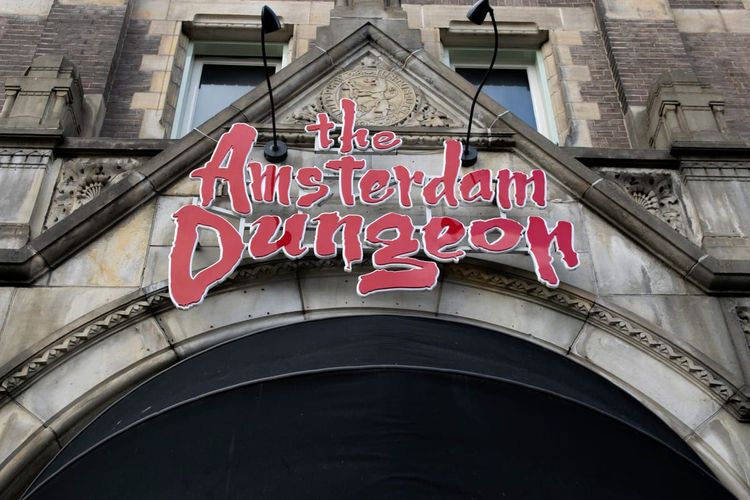
Forget, for a moment, the calm façades and peaceful canals of the postcards: this attraction pulls you firmly towards the city's darker side. Inside, history isn't told in the hushed silence of a museum; it bursts to life, staging striking episodes from the local past, from epidemics to trials and unsettling characters, in an immersive experience lasting about 1 hour.
Paid entry (about €25)
17 - Begijnhof
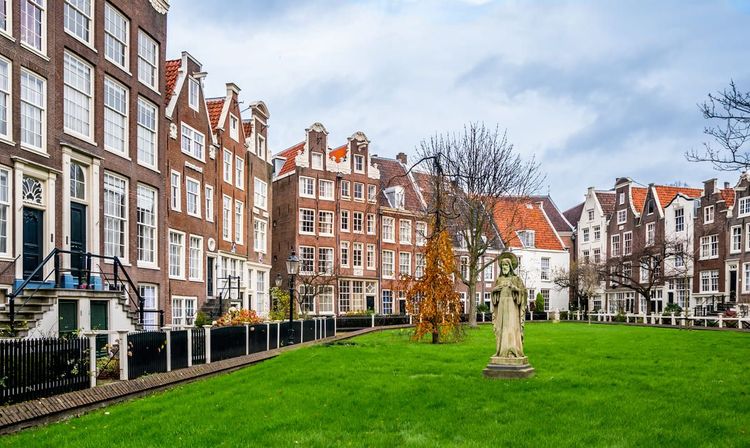
Ahead of you opens the entrance to the Begijnhof, a place that calls for quiet and discretion, since people still live here today. Stepping through almost feels like leaving the city behind: this peaceful inner courtyard dates back to the 14th century and once housed a community of lay women who followed religious rules without taking permanent monastic vows.
Free entry
18 - Spui
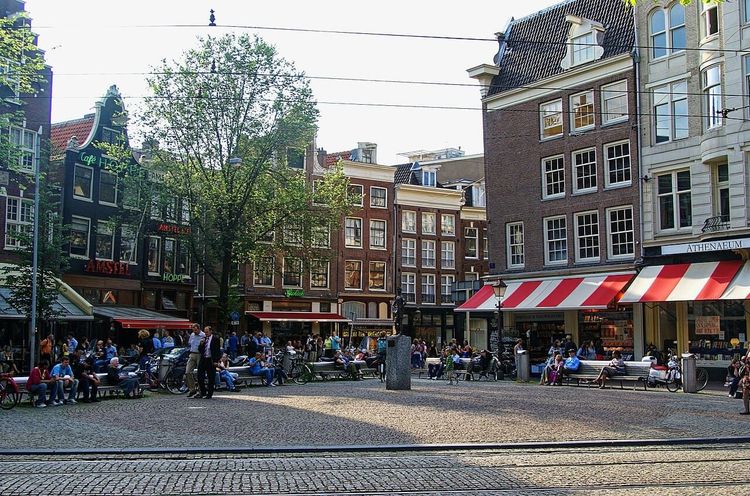
Hard to picture today, but this lively, largely pedestrianised square once held a stretch of water tied to the city's drainage system. Filled in in 1882 to make way for the tramway, it was redeveloped over a century later into something closer to calm. These days, people mainly come for its bookshops, student cafés and the occasional second-hand book market.
Free entry
19 - Flower market
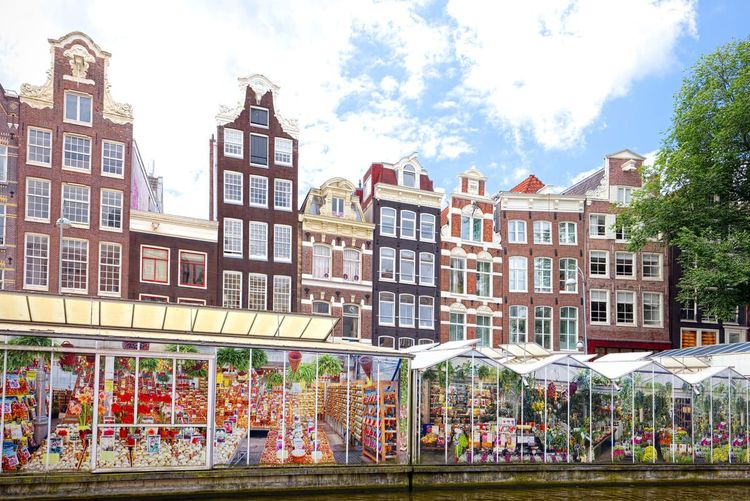
The colours catch your eye at once: tulips, bulbs, bouquets and small, typically Dutch gifts line the stalls of what's considered the city's most famous market. Its real quirk, though, lies in its location: the stalls sit on floating platforms moored directly to the Singel canal, a unique setup that recalls the historic bond between Amsterdam and its waterways.
Free entry
20 - Munttoren
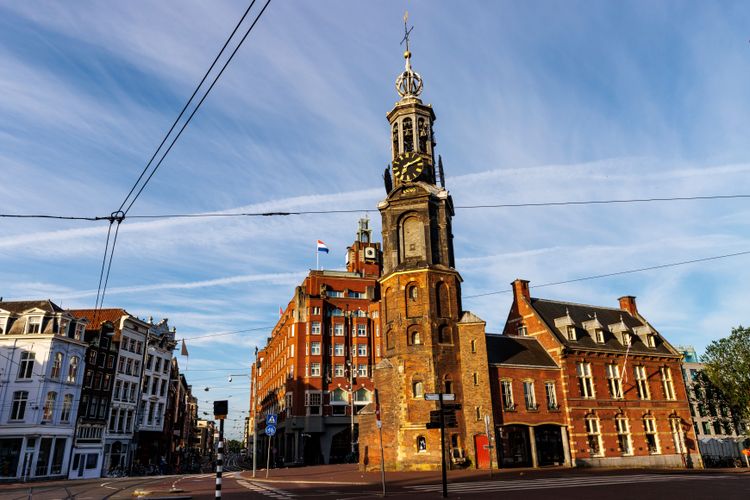
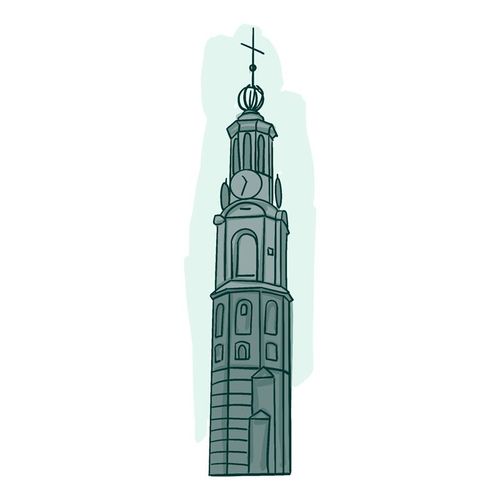
This tower, one of the most recognisable silhouettes in the centre, was originally a gate called the Mint Tower, part of the medieval wall that once protected the city. A fire in 1618 left only part of this old gate standing; 2 years later, a renowned architect rebuilt it and added one final storey, giving it the look it still carries today.
Free to see from outside
21 - Tuschinski cinema
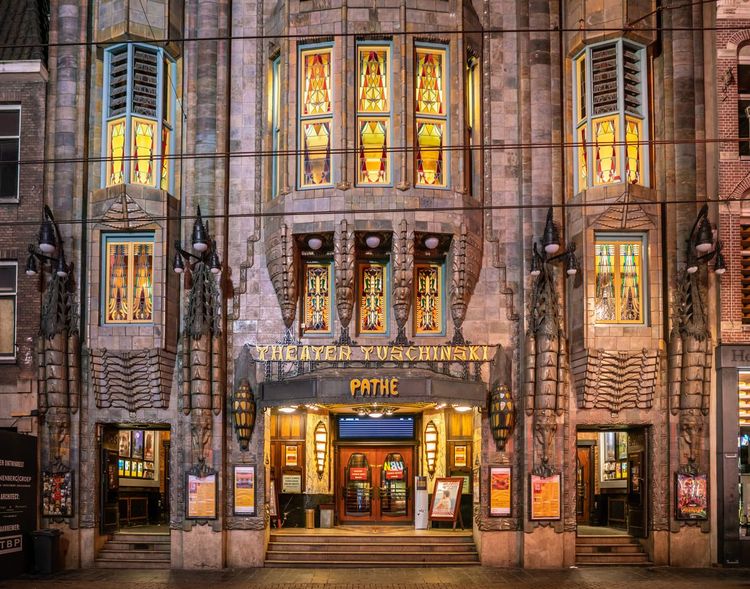
Picture Amsterdam in 1921: cinema was still a brand-new, almost magical experience for audiences. Here, a passionate entrepreneur didn't just want to open a screening room, but to build an actual palace devoted to the big screen. From the façade onward, the tone is set: Art Deco shapes, Art Nouveau touches and distinctly local flourishes come together in something that looks straight out of a dream.
Free to see from outside
22 - Rembrandt Square
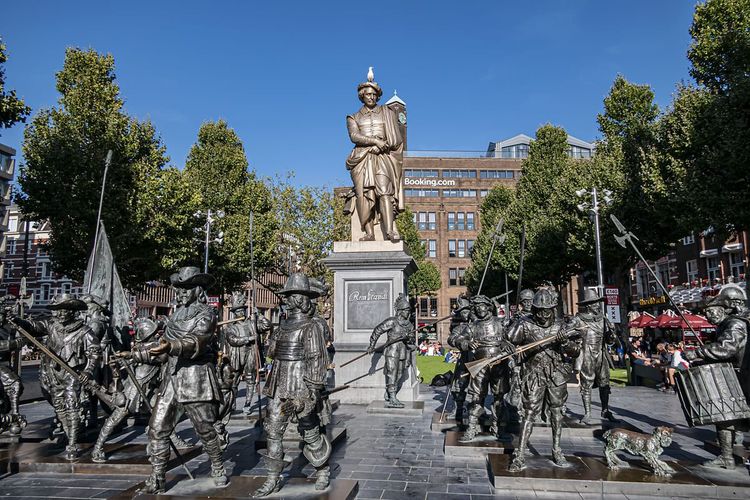
Now associated with café terraces, bars and nightlife, this lively square has lived through several very different lives before becoming the big night-out spot it is today. Originally, the area sat right next to an old city gate, where the heaviest carts were once unable to pass freely, a restriction that shaped the surrounding neighbourhood for a long time afterwards.
Free entry
23 - Viewpoint on the Opera
This pretty bridge offers a fine view over the opera house and actually marks a change of neighbourhood: you're entering Waterlooplein, the city's former Jewish quarter. It was once home to the country's oldest flea market as well as the house where the famous painter Rembrandt lived. The national opera standing before you, inaugurated in 1986, now presents both operatic works and contemporary dance productions.
Free entry
24 - Zuiderkerk Church
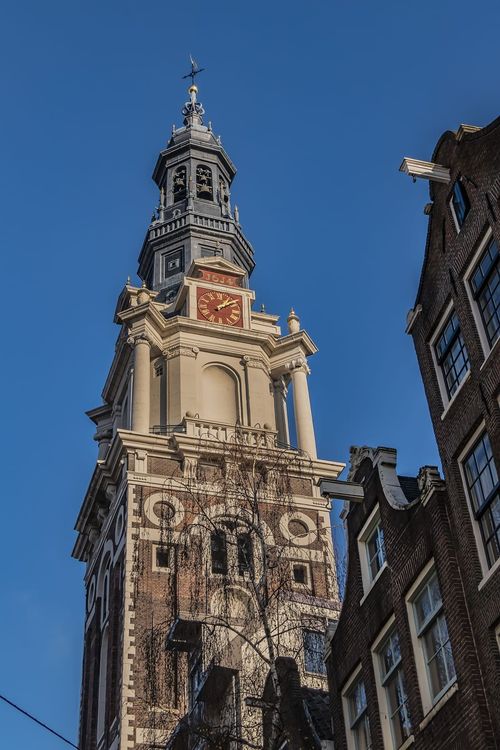
In the 16th century, Amsterdam was still a Catholic city. But in 1578, a political and religious shift changed everything: the Catholic authorities were pushed out of power and the city joined the Reformed Protestant camp, like most of the country. Former Catholic places of worship, including this one, then passed into Protestant hands, marking a lasting break in local religious life.
Free to see from outside
25 - De Waag
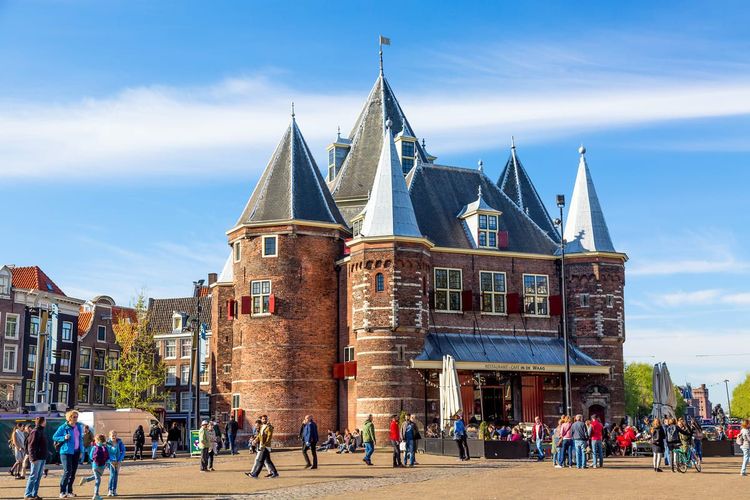
With its massive towers and thick walls, this building looks almost like a small castle set in the middle of the square. And for good reason: it was never designed as a market hall or a place to eat, but as a fortified gate of the medieval city. The oldest surviving stone bears the date 1488, making it one of the most precious witnesses to Amsterdam's once-fortified past.
Free entry
26 - Temple Fo Guang Sha He Hua
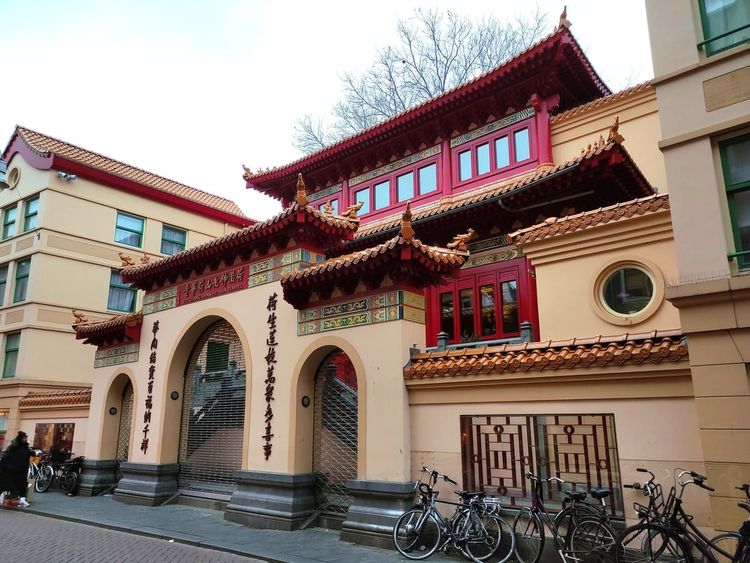
Amid the restaurants, colourful signs and bustle typical of Amsterdam's Chinatown, this temple opens up like an unexpected pause. Its façade, directly inspired by Chinese palaces, stands in sharp contrast with the surrounding Dutch houses: curved roofs, vivid colours and carved details invite you to slow your pace, away from the commercial buzz of Zeedijk.
Free entry
27 - Red Light District
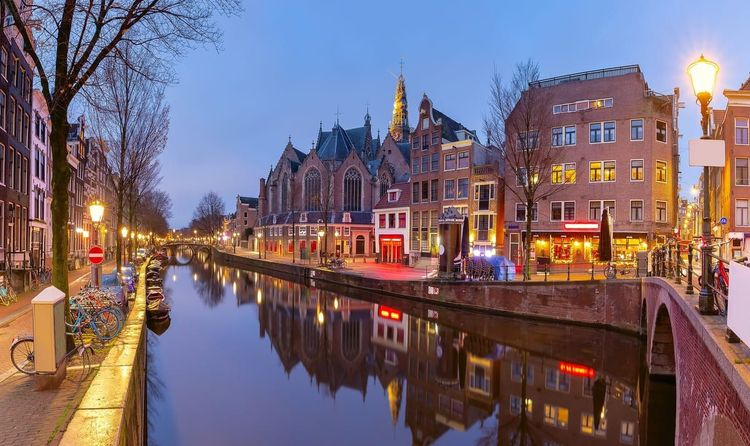
You are now entering De Wallen, better known as the red light district, one of the city's most famous and oldest areas at once. Narrow lanes, tight canals and gabled houses are a reminder that Amsterdam's story largely begins right here. For centuries, this district lived to the rhythm of the nearby port, welcoming sailors and traders from across the world.
Free entry · Best in the afternoon
28 - Oude Kerk Church
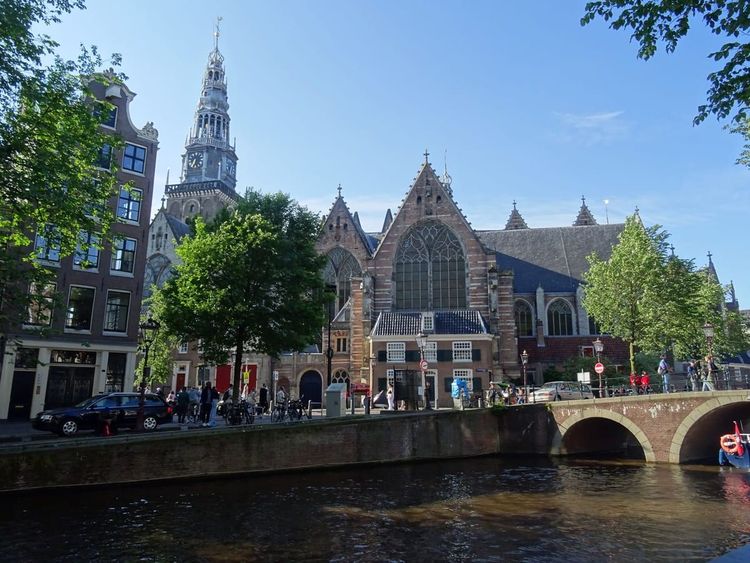
Its name, the Oude Kerk, or 'Old Church', doesn't mislead anyone: it is simply the oldest building still standing in Amsterdam. Around it, the lively and sometimes noisy De Wallen district carries on with its usual bustle, yet the building itself seems to belong to another era entirely. Its story begins around 1213, with a modest wooden place of worship that gradually gave way to the vast stone church you see today.
Paid entry
What to do in Amsterdam in 2 or 3 days?
This 6.3 km loop links 28 sights in 2 h 30, from Dam Square to the Oude Kerk Church, crossing the Jordaan and passing Anne Frank's House on the way. One day is enough for this first overview; with 2 or 3 days, there's time for the museums and for a quieter side of Amsterdam.
The next day, head to the Museumplein: allow 3 to 4 hours at the Rijksmuseum and its Dutch masters, from Rembrandt to Vermeer, then a stop at the Van Gogh Museum nearby, which holds more than 200 of the painter's canvases, along with 500 of his drawings and 700 of his letters. A canal cruise, about €16, gives a different view of the façades seen the day before. More ideas for this second day are gathered in our guide to a weekend in Amsterdam.
The third day lingers in a quieter Jordaan: art galleries tucked into former workshops, hidden flower-filled courtyards behind the façades, and a stop at a brown café, where beer is still ordered at the bar rather than a cocktail. The shops of the Nine Streets round off the stroll before reaching the Singel. The whole three-day itinerary is set out in our 3-day Amsterdam itinerary.
Which neighbourhoods does the tour cross?
In a single loop, the tour links the districts that shaped Amsterdam from its medieval birth to the Golden Age.
It starts at Dam Square, where a dam on the Amstel gave the city its name in the 13th century, passes the Royal Palace, then enters the canal belt by the Herengracht canal and the Westerkerk, steps from Anne Frank's House (stops 1 to 9).
The route then crosses the Jordaan, a former working-class district of flower-lined streets and brown cafés, past the shops of the Nine Streets and the quiet of the Begijnhof, before reaching the floating flower market on the Singel (stops 10 to 19).
Rembrandt Square and its theatres lead to the former Jewish quarter of Waterlooplein, around De Waag and the Nieuwmarkt market, before looping back through the Red Light District, one of the city's oldest areas, and the Oude Kerk Church (stops 20 to 28).
How much does it cost to visit Amsterdam?
Of the tour's 28 stops, 22 can be seen without a ticket: 18 by walking straight in, and 4 more just by admiring the façade, such as the Beurs van Berlage or the Munttoren. Six stops do require a paid ticket:
- the Royal Palace, €14;
- the New Church, €25;
- Anne Frank's House, €17;
- the Tulip Museum, €7;
- the Amsterdam Dungeon, €25;
- the Oude Kerk Church, whose price isn't published online.
To visit several sites without multiple separate purchases, the "I amsterdam City Card" gives access to more than 70 museums and attractions, in one of two formats: unlimited access with public transport included, or a package of 3, 5 or 7 activities to choose from. It also includes a canal cruise and a day's bike rental.
Information checked in October 2026 and subject to change.
Where to stop for a bite along the tour?
The tour sets aside a food stop at stop 12, dedicated to local specialities, a mix of Dutch tradition and influences from other continents.
Try raw herring sold at haringhandels stalls, bitterballen (deep-fried meat croquettes) or stamppot, a mash of potatoes and vegetables served with sausage; the city also has many Indonesian restaurants, a legacy of centuries of Dutch presence in Indonesia.
On the sweet side, stroopwafel pairs two wafers stuck together with syrup, while poffertjes, small fluffy pancakes, and tompouce, a pink pastry close to a mille-feuille, round out the list. Our pick of Amsterdam's culinary specialities lists other dishes and places to try them.
What should you know before visiting Amsterdam?
A few stops are worth planning ahead for, or you may find a door closed or a museum already sold out.
The Royal Palace and the Oude Kerk Church are visited by reservation: it's best to book tickets online before setting off. Anne Frank's House goes further still: no tickets are sold on site, new slots open every Tuesday at 10 am for the following six weeks, and they sell out fast.
Amsterdam runs on bikes, not cars: stay alert to cycle lanes when crossing the street. At the Begijnhof, keep your voice down, since the houses around the courtyard are still lived in; in the Red Light District, the rule is strict: never photograph the windows of the sex workers.
Pickpocketing is most common around Central Station and the Red Light District, as well as on trains and during transfers at Schiphol Airport: a bag kept closed and close at hand limits the risk.
What to see around Amsterdam?
Amsterdam makes a good base for day trips, between windmills, postcard villages and flower fields depending on the season.
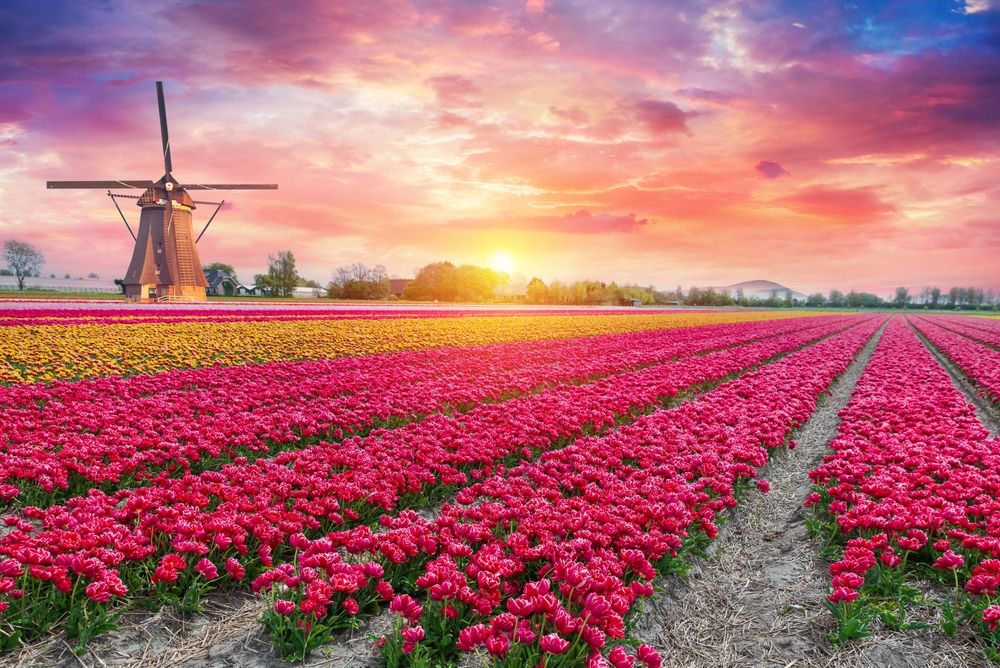
20 minutes from Amsterdam by bus, train or car, the windmills of Zaanse Schans make for an easy day out. About thirty kilometres away, the tulip fields of Keukenhof, the world's largest spring flower park, are best visited in spring.
To range further around the capital, between Haarlem, Utrecht or the villages on the Markermeer, our guide to activities around Amsterdam gathers the best options by season.
What's on in Amsterdam right now?
This time of year, two events set the pace of Amsterdam life.
From 12 to 22 November, IDFA, one of the world's largest documentary film festivals, screens its films in several venues across the city. Then, from 26 November to 17 January, the Amsterdam Light Festival lights up the canals of the centre with installations by international artists.
Information checked in October 2026 and subject to change.
Le plein d'inspirations
Explorez le monde en totale liberté, à pied au cœur des villes ou au fil des routes. Nos guides audios transforment chaque destination en une découverte culturelle immersive et unique.


FAQ for visiting Amsterdam
When is the best time to visit Amsterdam?
Spring remains the ideal season to discover Amsterdam, with mild temperatures and less rainfall. Between April and May, the city awakens amid the blossoms and the atmosphere becomes particularly pleasant for strolling along the canals. Summer brings longer days with temperatures around 20°C, perfect for terraces and bike rides. Autumn brings its golden colours, which reflect beautifully on the water, while winter, cooler at around 6°C in February, has its own charm with fewer tourists. Always pack a windbreaker and an umbrella, as the weather stays changeable all year round in this northern city.
How many days do you need to visit Amsterdam?
For a first discovery of Amsterdam, ideally allow three to four full days. This gives you time to explore the main historic neighbourhoods at a relaxed pace, visit a few major museums and soak up the city's unique atmosphere. In two days, you can cover the historic centre and its iconic canals, but the pace will be more demanding. With five days or more, you will have the luxury of discovering less touristy neighbourhoods, taking breaks in the traditional brown cafés and perhaps even a day trip to the surrounding area. The Ryo audioguide is there to help you with optimised routes that adapt to the length of your stay, guiding you efficiently through the city's must-sees.
How do you get around Amsterdam?
Amsterdam is above all the cycling capital of the world, with more bike lanes than roads for cars. Renting a bike remains the most authentic and practical way to explore the city like a local. The public transport network is also excellent, combining trams, metros and buses that efficiently serve every neighbourhood. For the historic centre, walking is ideal since distances are short and the picturesque lanes invite you to wander. Taxis and ride-hailing services are available but often slower than a bike in the dense city centre. Absolutely avoid using your own car: parking is scarce and expensive, and traffic is complex, with priority given to cyclists.
Which museums are must-sees?
Amsterdam has an exceptional concentration of world-class museums. The Rijksmuseum houses the masterpieces of the Dutch Golden Age, including Rembrandt's famous Night Watch. The Van Gogh Museum presents the world's largest collection of the master's works, tracing his artistic evolution. The Anne Frank House remains a moving and essential visit for understanding the city's history. The Stedelijk Museum will delight lovers of modern and contemporary art. For a different experience, the Hermitage Museum or the Rembrandt House offer more intimate perspectives. The Ryo audioguide includes these major museums in its routes, telling you their history and guiding you between them along the most beautiful paths.
Where to stay in Amsterdam: which neighbourhoods to choose?
The choice of your neighbourhood greatly influences your Amsterdam experience. The Jordaan charms visitors with its bohemian atmosphere, cosy cafés and proximity to the centre while remaining authentic. De Pijp attracts a younger crowd with its markets, trendy restaurants and lively nightlife. The historic centre around Dam Square offers maximum proximity to the attractions but can be noisy and touristy. The museum quarter is perfectly suited to art lovers and stays elegant and quiet. Amsterdam Noord, on the other side of the IJ, is becoming trendy with often more affordable accommodation. Oud-West and Oud-Zuid offer a good compromise between local authenticity and accessibility to the centre.
What to do in Amsterdam with kids?
Amsterdam turns out to be surprisingly family-friendly, despite its party reputation. The NEMO Science Museum captivates young minds with its interactive experiences over five floors. Artis Zoo, one of the oldest in Europe, delights with its animals and impressive aquarium. Child-friendly canal cruises tell the city's history in a fun way. Vondelpark offers playgrounds, lawns for picnicking and family bike rentals. The maritime museum, with its replica ship of the Dutch East India Company, lets you experience the adventure of the great explorers. Ryo's routes offer commentary tailored to capture the attention of the youngest while keeping parents interested, turning the discovery of the city into a family adventure.
Is Amsterdam an expensive city?
Amsterdam ranks among the most expensive European capitals, particularly for accommodation and dining in the city centre. Hotels in the historic centre charge high rates, especially in high season. When it comes to dining, a meal in a tourist restaurant can quickly become costly, but local snack bars and markets offer affordable alternatives. Museums generally apply substantial fees, though tourist cards allow for some savings. Transport remains reasonable, especially if you opt for a bike. To save money, favour outlying neighbourhoods for sleeping, discover food markets like the Albert Cuyp, and enjoy the many free activities such as a stroll along the canals or in the parks.
How do you book tickets for the Anne Frank House?
The Anne Frank House requires an advance booking that is absolutely essential, as tickets often sell out weeks ahead. Sales take place exclusively online on the museum's official website, generally two months before the desired date. Check the site regularly, as slots may open up following cancellations. No tickets are sold on site, and resellers charge excessive prices while offering no guarantee. Plan for a visit of about an hour and a half, strictly respecting your time slot. Audioguides are included in the entry price and available in several languages. The visit remains moving, and the narrow spaces can create a certain feeling of oppression, particularly when there are many visitors.
How can you explore Amsterdam's ring of canals?
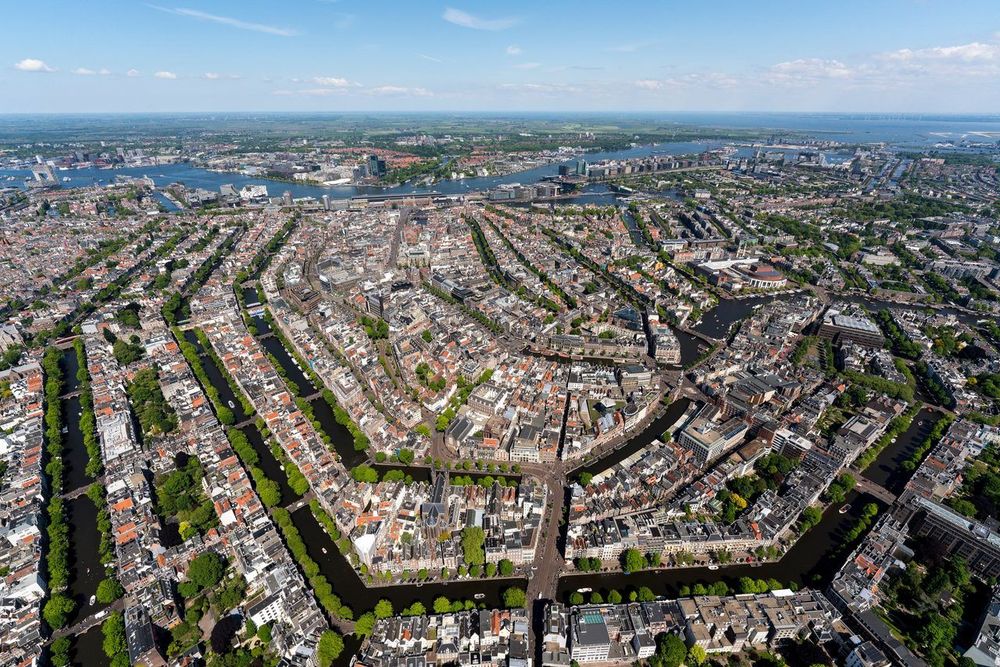
Dug in the seventeenth century to support the port's expansion, the ring of canals that encircles the centre is now listed as world heritage. Its great concentric waterways, lined with narrow houses and ornate gables, can be followed just as well from the quaysides as from the water: cruise boats slip under the bridges and give a very different reading of the city, especially at dusk when the arches light up. On foot, the Jordaan and the maze of the Nine Streets offer the most photogenic views, while the Brouwersgracht and the Reguliersgracht are famed for their lines of bridges. Take the time to notice the hoisting hooks under the rooflines and the houseboats moored along the banks. The Ryo audio guide offers a dedicated Amsterdam route that follows these canals.
What day trips can you take from Amsterdam?
The country is compact and the rail network dense, which makes getting away from Amsterdam very easy. A few minutes by train, Haarlem lines up a great square, an immense church and the atmosphere of a far more peaceful old town. A little further out, Utrecht with its sunken quays, Leiden with its student canals or Delft with its blue earthenware are all comfortably seen in a day. To the north, a bus leads to the windmills and green timber houses of Zaanse Schans, then to the former fishing harbours of Volendam and Marken, set on the old inland sea. In spring, the tulip fields and the great flower garden south of Haarlem draw the crowds. The coast and its beaches, finally, are also within reach by train.
How do you find your bearings in Amsterdam, and which activities can you combine in and around the city?
The historic centre fits within a radius of around 3 kilometres: remember the three canal rings, Herengracht, Keizersgracht and Prinsengracht, which act as your compass. The Jordaan, with its brown cafés and hidden hofjes, lies to the west, Museumplein and the Rijksmuseum to the south.
Don't miss the Begijnhof and its wooden house from 1528, or the floating flower market on the Singel. From Amsterdam Centraal, direct trains reach Haarlem in 20 minutes and the Zaanse Schans windmills in 17, while buses and boats serve Volendam and Marken.
The full programme is in our guide to activities in and around Amsterdam.
How can you explore Amsterdam by bike like a local?
Amsterdam has 900 kilometres of cycle lanes on completely flat ground. To rent, MacBike charges around 17.50 euros a day, Black Bird Bikes 10 to 12 euros, and the OV-fiets at stations 4.80 euros. Check the brakes and tyres, take two locks and avoid bikes offered on the street, which are often stolen.
Six routes are suggested: the historic centre, from Central Station to Dam Square, the Begijnhof, the Herengracht and the Westerkerk, as well as the Waterland villages, the Jordaan and the Zaanse Schans windmills, 15 kilometres away.
Find all six routes in our guide to cycling in Amsterdam.
Where is the cheapest place to park when driving to Amsterdam?
Parking in central Amsterdam is expensive. The cheapest solution is the P+R car parks on the outskirts: their low rates require you to continue into the centre by tram, bus or metro, and parking is limited to 96 hours.
If you want to stay close to the main sights, the Museumplein car park, a few minutes' walk from the Van Gogh Museum and the Rijksmuseum, offers competitive rates; check its opening hours and availability in high season. Car sharing, ride sharing and online booking apps provide further options.
Compare the options in our guide to cheap parking in Amsterdam.
What should I see in Amsterdam on a first visit, and how do I plan my stay?
Discover the detailed two-day itinerary, then build on it with our guides: first steps, sightseeing ideas and planning tips.
Which specialities should you try in Amsterdam, from bitterballen to stroopwafels?
As an aperitif, bitterballen, breaded beef balls with a creamy centre, go with a beer on a terrace. Raw herring is eaten on the go at haringhandels, and thick-cut fries come with curry, satay or peanut sauce. For a proper meal, the Indonesian rijsttafel lines up a host of small dishes.
In winter, stamppot pairs mash with sausage. For something sweet, there are poffertjes with icing sugar, appeltaart under whipped cream, Dutch pancakes and stroopwafels, not forgetting wheels of Gouda, Edam and Maasdam.
Discover all eleven specialities in our guide to Amsterdam's culinary specialities.
How do you plan a visit to the Keukenhof flower park from Amsterdam?
Around thirty kilometres from Amsterdam, in Lisse, Keukenhof is the largest spring flower park in the world: 32 hectares and over 7 million hand-planted bulbs, with beds redesigned every autumn. It opens for only about eight weeks in spring, from 8am to 7pm.
Tickets are booked online with an arrival time slot; allow around 3 hours. Peak bloom runs from mid-April to early May, along with the biggest crowds: aim for weekday mornings or the first two weeks of April for a calmer visit.
Dates and tips are in our practical guide to visiting Keukenhof.
Vos commentaires, idées et suggestions
Aucun avis pour le moment