Walk
The Princess of the Fjords
Bergen, Norway
Walk
The Princess of the Fjords
Bergen, Norway
7.5 km
Distance
3h00
Durée
25
Audios
Loop
Parcours
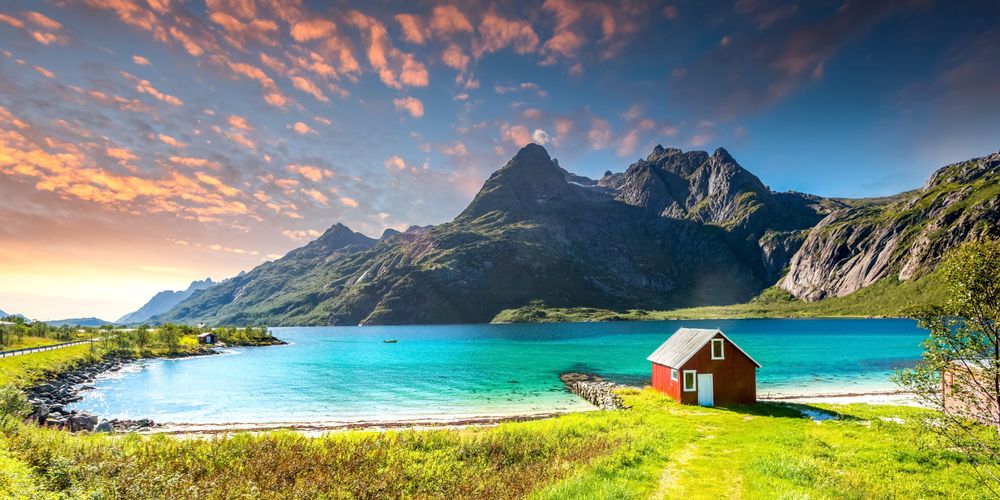
Norway reveals itself like a living painting where light plays with fjords, forests, and starlit skies. Across the seasons, this land of the Far North alternates between the midnight sun that sets the horizon ablaze and the northern lights that dance above sleeping villages. Travelling to Norway means accepting to be surprised at every bend in the road, every jetty, every ridge. To truly connect with the soul of its cities, Ryo's audio-guided tours available in Norway offer an intimate and independent way to read urban landscapes like a novel.
Ryo currently offers audio-guided tours in three Norwegian cities, each carrying a strong identity and a story to be heard as much as seen.
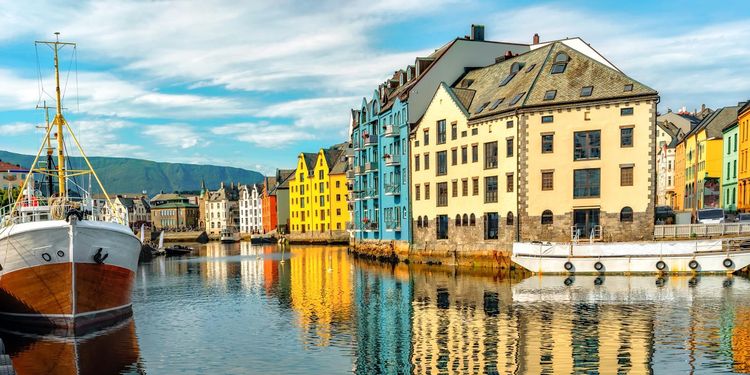
Nestled on an archipelago between sky and ocean, Ålesund is a city that rose from the ashes at the beginning of the twentieth century to offer the world one of the finest concentrations of Art Nouveau architecture in Europe. At the heart of its ornate facades and panoramic views over the surrounding fjords, Ryo's audio-guided tour leads you like a guiding thread through colourful alleyways and elevated vantage points that reveal the sheer grandeur of the Scandinavian landscape.
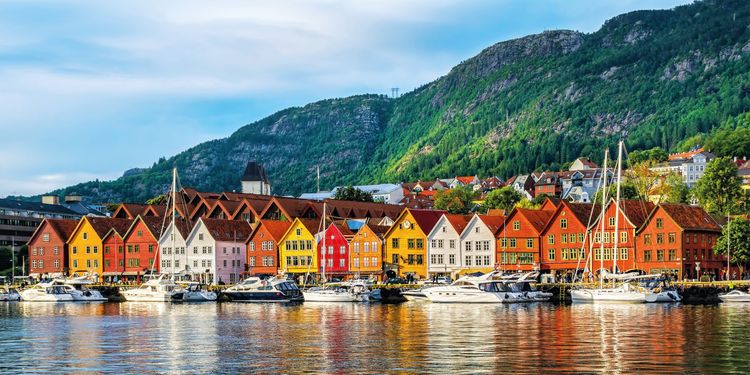
Bergen is the natural gateway to the country's most celebrated fjords. Its historic Bryggen quarter, its brightly coloured wooden houses, and its fish market make it a city where every stone tells centuries of Hanseatic trade and maritime life. With Ryo, exploring Bergen at your own pace means letting the city whisper its legends to you between sea sprays.
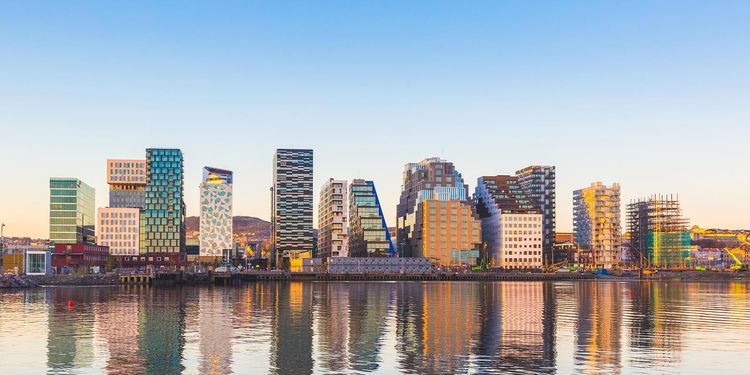
A capital looking toward the future without ever forgetting its Viking roots, Oslo blends bold museums, contemporary architecture, and direct access to the forests and fjords that surround the city. Throughout Ryo's audio-guided tour, you move through a Nordic metropolis where nature and culture coexist with quiet elegance.
Beyond its cities, Norway unfolds territories that defy imagination. The Lofoten Islands, with their fishing villages clinging to cliffsides, are among the most photographed landscapes in the world. The Geirangerfjord and the Nærøyfjord, both UNESCO World Heritage Sites, cut between vertiginous walls where hundreds of waterfalls cascade. Further north, the North Cape symbolically marks the edge of the European continent, facing a boundless Arctic Ocean.
Hiking enthusiasts will find breathtaking panoramas along iconic routes such as Trolltunga, Preikestolen, and Kjerag. For travellers drawn to wildlife, whale watching off the northern coast or kayaking through sea inlets offer intense and lasting experiences. Norwegian gastronomy, rooted in the resources of the sea and forests, also invites you to pause: wild salmon, fresh shrimp, and Arctic berries dot the stopovers.
The choice of period depends on what you wish to experience. From June to August, the midnight sun bathes the country in an almost permanent golden light, ideal for hiking and exploring the fjords. Autumn, quieter, reveals forests ablaze with fiery hues. From November to March, the long northern nights offer the best conditions for witnessing the northern lights, particularly in the regions of Tromsø and the Lofoten Islands. Spring, mild and luminous, heralds the rebirth of Scandinavian nature.
Norway has a varied and generally reliable transport network. Ferries and coastal express services connect the fjords and islands with unforgettable views from the deck. The train offers some of the most spectacular journeys in Europe, notably between Bergen and Oslo. In cities, public transport is efficient and well organised. For more remote regions, renting a vehicle often remains the most flexible option, especially for road trips along the national scenic routes.
There is no bad season to discover Norway, but each period offers a different experience. Summer guarantees almost endless days and ideal conditions for exploring fjords and hiking trails. Winter, especially in the north of the country, is the prime season for the northern lights. Spring and autumn appeal to travellers seeking calm and soft light.
A one-week stay allows you to explore one region in depth, such as the western fjords around Bergen and Ålesund. To combine the south of the country, Oslo, and the north, it is better to plan for two weeks or more. Norway rewards those who take the time to stop and listen.
Ferries are often the most practical and spectacular means of transport to reach the fjords. The rail network connects major cities with comfort and punctuality. To explore the scenic routes and remote regions, a road trip by car offers precious freedom and viewpoints that are otherwise inaccessible.
Among the sites that leave a lasting impression on travellers are the Geirangerfjord, the Lofoten Islands, Preikestolen with its cliff suspended above the Lysefjord, and the North Cape. The cities of Oslo, Bergen and Ålesund offer an immersive experience of Norwegian culture, architecture, and history.
Norway is generally considered an expensive destination, particularly for dining and accommodation. The budget varies considerably depending on your chosen travel style: staying at campsites or hiking cabins remains significantly more affordable than city hotels. Preparing your own meals with local produce bought at grocery stores also helps keep spending in check while discovering the richness of Nordic food culture.
Norwegian culture is deeply tied to the sea and wild nature. On the gastronomic side, wild salmon, fresh shrimp, and stockfish (dried cod) are absolute must-tries. The fish markets in Bergen and Oslo are great starting points to savour these authentic flavours. On the cultural front, the Viking heritage, Sami traditions, and the wooden architecture of the stavkirke (stave churches) bear witness to a rich and multifaceted identity.