




Créé par Emilie, le 4 oct. 2026
Votre guide Ryo
Oslo, Norway
The Hill of the Gods
Parcours audioguidé pour visiter Oslo en 1 jour
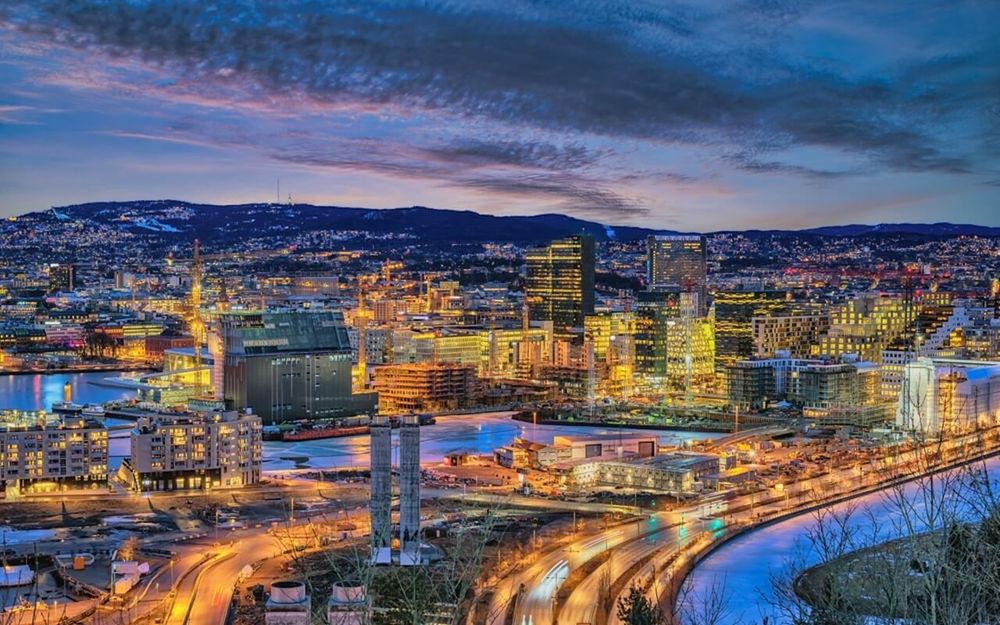
The capital of Norway, Oslo combines ever-present nature, contemporary architecture, and historical heritage. With its fjord, forests, and modern districts, the city reflects an identity oriented toward the future while remaining deeply rooted in its past.
Quand partir à Oslo ?
Jan.
-3°
8
Feb.
-2°
7
March
2°
8
April
7°
9
May
13°
10
June
18°
10
July
18°
10
Aug.
19°
11
Sept.
14°
10
Oct.
9°
10
Nov.
3°
9
Dec.
-1°
8
Oslo is usually best explored in the summer. The ideal period runs from June to August, with average high temperatures around 22°C/72°F and sunny days—although rain is fairly frequent. Summer is perfect for a swim, with water temperatures hovering around 18°C/64°F. Winter, on the other hand, is freezing cold. Temperatures rarely rise above 0°C/32°F and the sun doesn't show up much either. During the darkest months, it rises after 9 a.m. and sets around 3 p.m. That said, winter brings beautiful snowfall and a totally different kind of adventure! Just a heads-up: Northern Lights are very rare in Oslo. If you really want to see some, you’ll need to head past the 69th parallel north!
Départ conseillé
No need to worry about where to begin! Our tours are designed as a loop, so you can jump in wherever you are. The navigation system and audioguide will automatically adjust to your location. However, if you happen to be nearby, we do have a preferred starting point: on the central station's square, Oslo Sentrastasjon.
Parking à proximité
ONEPARK Oslo S P-hus : Jernbanetorget 1
If you're visiting by car, you'll have to watch out when it comes to parking, because there's the five-meter rule in Norway. Plus, fines are expensive, so beware! Prohibited parking means 5 meters in front and behind, as well as intersections and pedestrian crossings! You must always park at least 5 meters away from what could be considered a dangerous spot. Always park in the same direction you were going to, and do not stick out from the white lines. You've been warned!
Oslo is firmly set on becoming the world’s first zero-emission city by 2030, and as a result, parking spaces are becoming increasingly rare—and expensive—in one of the most costly cities on the planet. Here’s a tip: if your accommodation offers parking, definitely take advantage of this and leave your car there. Otherwise, consider parking in one of the free lots located outside the city and linked to public transport. A great example is the Sognsvann car park, conveniently located at the end of the metro line. Bonus tip? It’s right next to a lake!
À savoir
As you probably know, Norway isn’t exactly cheap—and visiting Oslo means keeping a close eye on your budget. Thankfully, the city has come up with the Oslo Pass. This handy pass gives you free access to all public transport as well as all the museums in the city, plus discounts on many excursions. Expect to pay around €45 for 24 hours or €65 for 48 hours at the standard rate. You can book your pass online, while in-person purchases are only available if you qualify for a discounted rate (children, students, seniors).
Norway uses the Norwegian krone, or NOK. To get an approximate value in pounds or US dollars, divide the amount by ten—that’ll give you a rough conversion. You can exchange money once you're there without any issues or simply withdraw kroner from ATMs. Card payments are widely accepted, but make sure to check foreign transaction fees with your bank before you travel. Just a heads-up: the cost of living in Norway is around 40% higher than in the UK or the US, so don’t be too shocked at the prices and be sure to factor that into your holiday budget.
Découvrez 23 lieux d'intérêt pour visiter Oslo





Le plein d'inspirations
Explorez le monde en totale liberté, à pied au cœur des villes ou au fil des routes. Nos guides audios transforment chaque destination en une découverte culturelle immersive et unique.
FAQ for visiting Oslo
When is the best time to visit Oslo?
The best time to visit Oslo runs from June to August. You will then enjoy pleasant temperatures of around 22°C and long sunny days, ideal for exploring the city on foot. Summer also lets you swim in the fjord, where the water reaches about 18°C. Despite fairly frequent rain, this season remains the most suitable for sightseeing. Winter offers a radically different experience with its snow-covered landscapes, but temperatures stay below freezing and the days are very short. If you dream of the northern lights, be aware that they are extremely rare in Oslo - you would need to go much further north to admire them.
How many days do you need to visit Oslo?
To discover Oslo comfortably, plan ideally for three to four days. This will give you time to explore the main districts on foot, visit the must-see museums and enjoy the city's unique blend of nature and modernity. In two days, you can see the essentials of the major sights such as the Opera House, the Aker Brygge district and a few museums. With five days or more, you will have the luxury of taking your time, exploring the surrounding green spaces and perhaps taking an excursion nearby. The Ryo audioguide accompanies you with optimised routes to discover the best of Oslo according to the time you have available.
How do you get around easily in Oslo?
Oslo has an excellent public transport network including metro, tram, bus and ferry. The system is integrated and a single ticket lets you use all these means of transport. The city centre is very compact and easy to cover on foot, which often remains the most pleasant way to discover the city. Public bike-sharing is another practical option during the warm season. For longer journeys or if you wish to explore the surroundings, the public transport network will take you everywhere efficiently. Taxis exist but remain a costly option in this city renowned for its high cost of living.
What transport is there to get from the city centre to the Bygdøy peninsula?
To reach the Bygdøy peninsula from central Oslo, you have two main options. The ferry remains the most pleasant and picturesque way, especially in fine weather. Departures generally leave from the pier near the city hall, and the crossing offers beautiful views of the fjord and the city. The trip takes about fifteen minutes. Alternatively, the public bus also serves Bygdøy all year round, which can be handy in winter when the ferry service is reduced or suspended. Both options are included in Oslo's public transport system, so a standard ticket is enough. The peninsula is home to several major museums, which amply justifies the trip.
Is it possible to visit the Royal Palace all year round?
The Royal Palace of Oslo is generally only open to the public during the summer, usually from late June to mid-August. During this period, guided tours allow you to discover some of the rooms of this official residence of the Norwegian royal family. The rest of the year, the palace stays closed to visitors as it is used for official functions and as a residence. However, you can admire the exterior of the neoclassical building all year round and stroll through the palace park that surrounds it, which is freely open to the public. The changing of the guard, which takes place daily, is also a spectacle appreciated by visitors, visible from outside the gates.
Can you go up onto the roof of the Oslo Opera House for free?
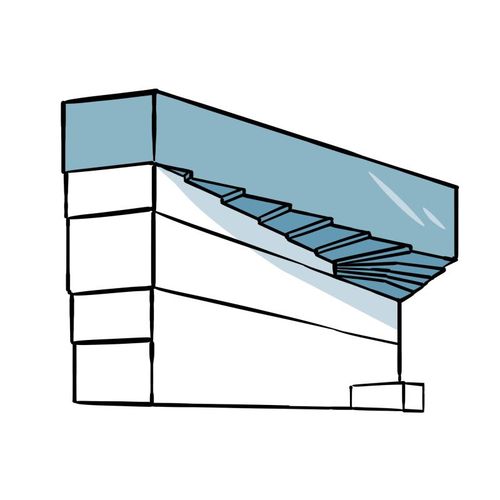
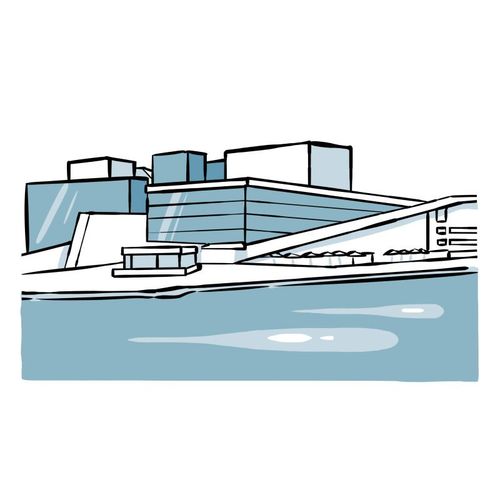
Yes, access to the roof of the Oslo Opera House is completely free and is one of the most popular experiences in the city. This architectural feat was designed so that the public can walk freely on its white marble slopes, which rise from sea level up to the summit. You can go up at any time of day, enjoying spectacular views of the fjord, the city and the surrounding hills. The roof is particularly appreciated at sunset. This free accessibility reflects the Norwegian philosophy of public spaces open to all. Only the performances inside the Opera House are paid for, but the exterior architectural experience remains free of charge.
What budget should you plan for a visit to Oslo?
Oslo is known for being one of the most expensive capitals in Europe, and your budget must take this into account. For a comfortable stay, plan for a fairly substantial daily budget covering accommodation, meals and activities. Restaurants are particularly expensive, but you can save money by favouring supermarkets for some meals or by choosing simpler establishments. Museums and tourist attractions also charge high prices. Accommodation is often the largest expense. To optimise your budget, favour public transport over taxis, take advantage of the many free activities such as walks in the parks or on the roof of the Opera House, and consider tourist passes for museum admissions.
What is the Oslo Pass and is it worth it?
The Oslo Pass is a tourist card that combines free access to many museums and attractions with unlimited use of public transport. It comes in versions of varying durations to suit your needs. The card generally includes admission to the main museums in the city and on the Bygdøy peninsula, as well as certain discounts in restaurants and shops. To determine whether it is worth it, calculate the cost of the museums you wish to visit and the transport you will use. If you plan to visit several museums a day and to use public transport regularly, the card generally becomes worthwhile. It also offers the practical advantage of not having to buy individual tickets each time.
Which museums should you not miss in Oslo?
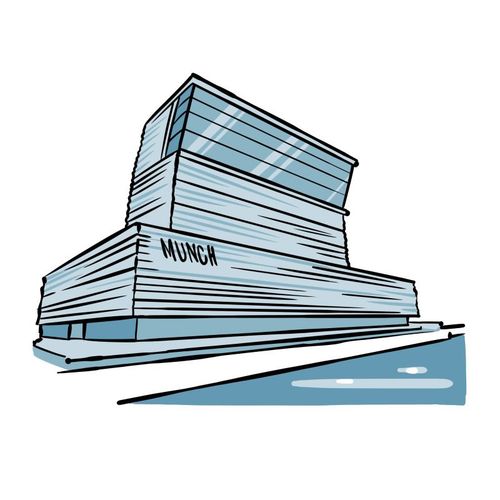
The Munch Museum, set in a leaning tower on the edge of the fjord, brings together the collection the artist left to his city and displays several versions of The Scream, along with a superb view from its upper floors. A few minutes away, the National Museum now gathers under one roof the country's art, architecture and design collections, from national romanticism to contemporary Scandinavian designers.
On the Bygdøy peninsula, the focus shifts to the sea and exploration, with the polar ship Fram preserved whole, the Kon-Tiki raft and a vast open-air museum where timber farmhouses and a stave church have been reassembled. The museum devoted to the Viking ships is undergoing lengthy building works: do check whether it has reopened before planning your day.
Which neighbourhoods should you explore in Oslo?
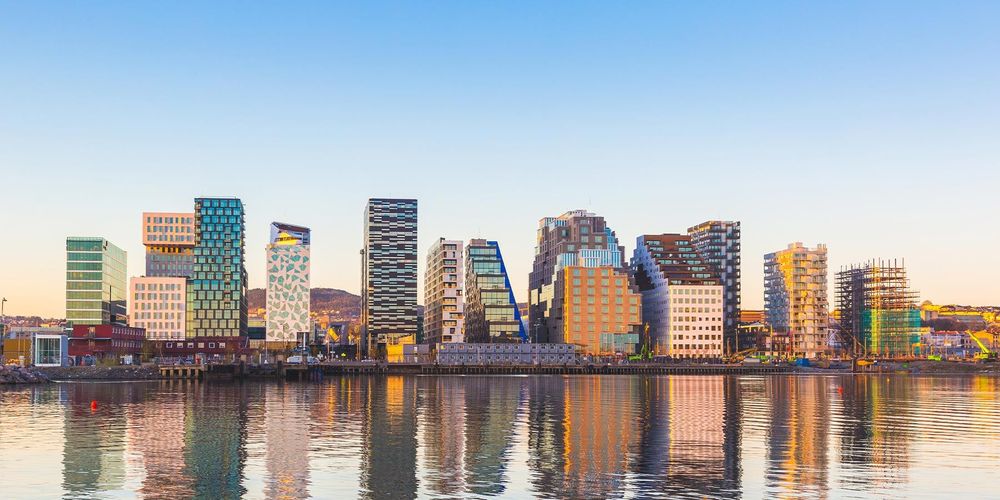
The centre revolves around Karl Johans gate, the avenue running from the central station to the Royal Palace past the cathedral and the national theatre. To the west, Aker Brygge and Tjuvholmen occupy former shipyards turned into a waterfront promenade, with jetties, terraces and galleries. To the east, the Bjørvika waterfront lines up the towers of the Barcode district, the Opera House and the new library, all the way to the tip of Sørenga and its harbour bathing area.
For a more bohemian mood, cross the Akerselva river towards Grünerløkka, with its colourful buildings, second-hand shops and food hall, then follow the river upstream past old factories and small waterfalls. The Ryo audio guide offers a dedicated Oslo route that links these neighbourhoods and tells the story of their transformation.
Vos commentaires, idées et suggestions
Aucun avis pour le moment