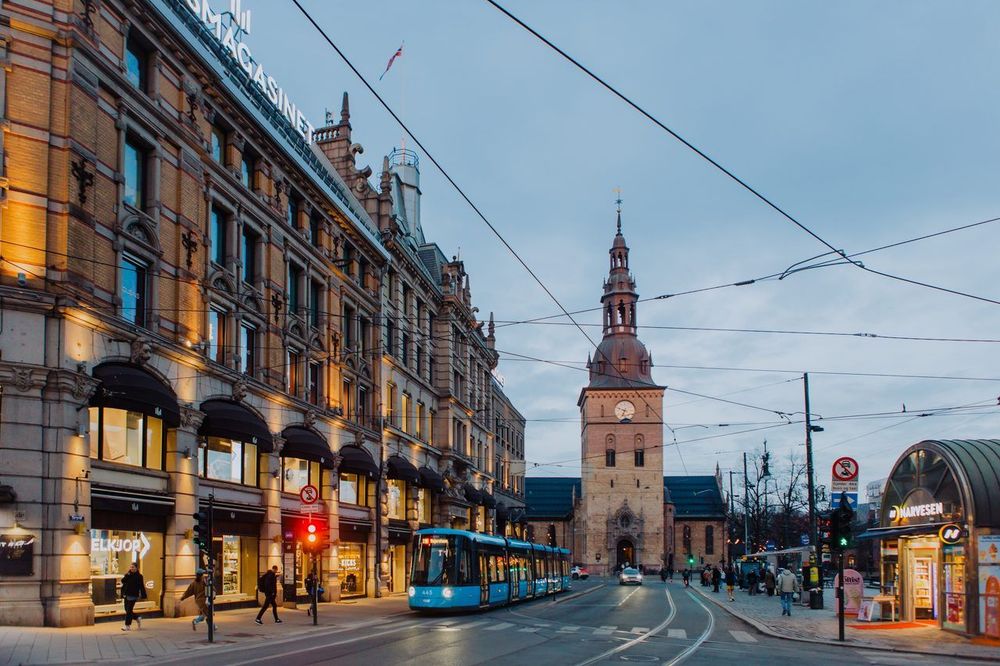
© Shutterstock
 Votre guide Ryo
Visit Oslo Without a Car in 2026: The Complete Guide
Visiting Oslo without a car is no hardship: finding a parking spot is almost a tourist anecdote in a capital designed to be explored on foot, by tram or by ferry. From the moment you leave the airport, the public network takes over and stays with you all the way to the edge of the Nordmarka forest. The Ryo audio-guided tour of Oslo follows the same logic: a route designed for pedestrians, which comments on the city neighbourhood by neighbourhood without ever making you look for a car.
In this guide, you will find the details of the Flytoget, which links the airport to the centre in 19 minutes, how the Ruter network and its app work, the calculation that makes the Oslo Pass worthwhile or not depending on your plans, and how to reach the Bygdøy peninsula by ferry, where the Viking ship and the polar vessel Fram rest. We will also see why Frognerparken, with its 212 granite sculptures, can be visited by tram without a single parking space in sight, and in which very specific cases renting a car is still justified.
Why Visit Oslo Without a Car
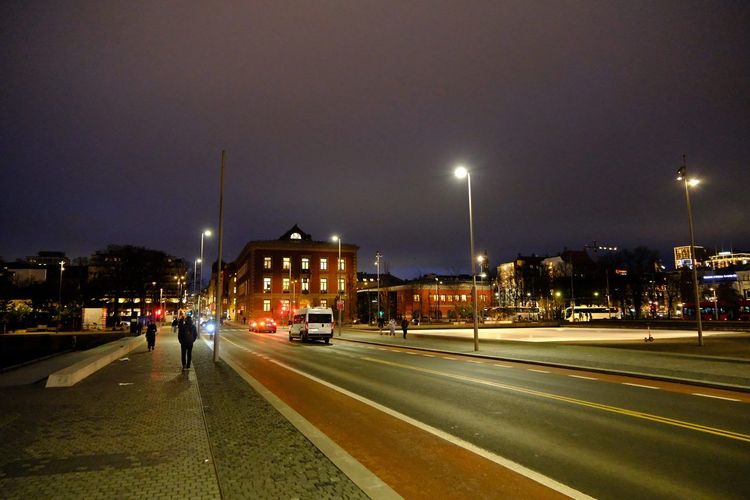
Since the end of the 2010s, Oslo's city centre, inside Ring 1, has lost almost all of its on-street parking: more than 700 spaces have been removed in favour of cycle lanes, benches and terraces. Add to that an urban toll (bomring) that charges for each passage by car depending on the time and type of engine, and the question answers itself: why burden yourself with a car in a city that does everything to discourage you?
The answer comes down to one figure: less than 4 km separate Oslo S central station from Frognerparken, and the Ruter network serves almost all points of interest in under 25 minutes. You win on every front: no parking stress, no toll, and a transport budget that remains negligible compared to renting a vehicle.
To get an idea of the places covered by a car-free stay, our Ryo article on the best things to do in Oslo gives a first overview. And once there, the Ryo audio-guided tour follows a route designed for pedestrians, step by step, without ever asking you to find a car parked three streets away.
From Oslo-Gardermoen Airport to the City Centre
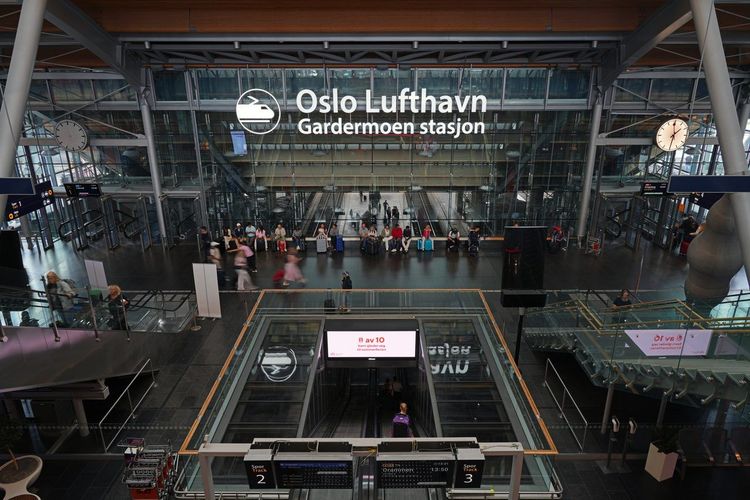
Oslo-Gardermoen Airport, about fifty kilometres north of the capital, remains one of the European airports best connected to its city centre by rail. You will need neither a rental car nor a taxi to reach Oslo S, the central station.
The Flytoget, the Fastest Express Train
The Flytoget links the airport to the central station in 19 to 23 minutes, with a departure every 10 to 20 minutes depending on the time, from 5 a.m. to past 1 a.m. Expect around 230 to 250 NOK one way at full fare, noticeably less for students, seniors and under-16s. If your budget is tighter, Vy regional trains cover the same route in 25 to 30 minutes for about half the price, with a Ruter ticket covering the relevant zones: an option often overlooked by hurried visitors, even though it costs half as much for just a few extra minutes of travel.
Bus and Shuttle, the Budget Alternatives
The Flybussen, the long-distance shuttle, serves the city centre and several hotels in 40 to 50 minutes depending on traffic, for around 199 NOK at full fare, often cheaper when booked online in advance. It is the option to favour if you are travelling with bulky luggage or if your hotel is outside the area served by the train. A taxi is possible but costs much more, between 800 and 1,000 NOK, without offering any significant time advantage over the Flytoget at peak times.
If your luggage is cumbersome, automatic lockers are available both at the airport and at Oslo S station, handy for a connection or a last stroll before a late flight. For a very early or very late flight, check the exact timetables on the Flytoget or Entur app before leaving: outside these slots, frequencies drop noticeably.
Getting Around Oslo with Ruter: Metro, Tram and Bus
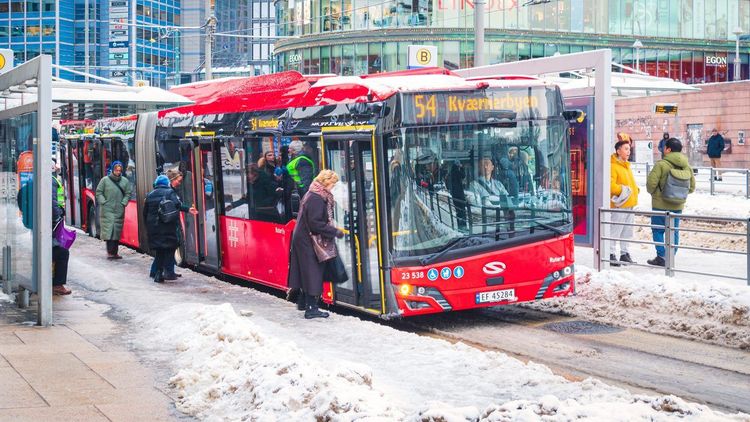
Ruter is the single operator overseeing almost all public transport in Oslo and its region, Akershus: metro, tram, bus and even some of the Oslofjord ferries come under its authority. Understanding how it works means making sure you never pay more than necessary throughout your stay.
The Ruter Network, Tickets and App
Download the RuterBillett app even before landing: a single ticket in zone 1, which covers most of the city centre and its surroundings, costs a little over 40 NOK when bought through the app, as on-board sales are limited and more expensive. For a stay of several days, the 24-hour ticket (around 130 NOK) or the 7-day pass (a little over 300 NOK) quickly pay off from the third daily trip. For a stay longer than a week, the rechargeable transport card (Reisekort) remains the most economical option, with a decreasing rate at each top-up. It is much simpler today with EnTur, the national planner that aggregates Ruter and regional operators: a single search is enough for a journey combining the metro in Oslo and a regional train to Drøbak or Nordmarka, and it automatically specifies whether zone 2 or 3 is needed for more distant excursions.
T-bane (Metro) and Trikk (Tram) in the City Centre
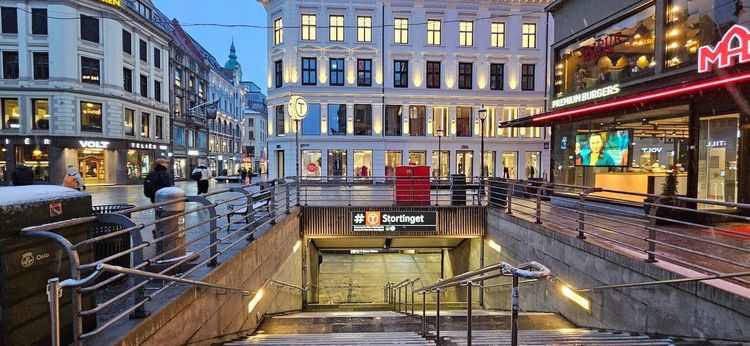
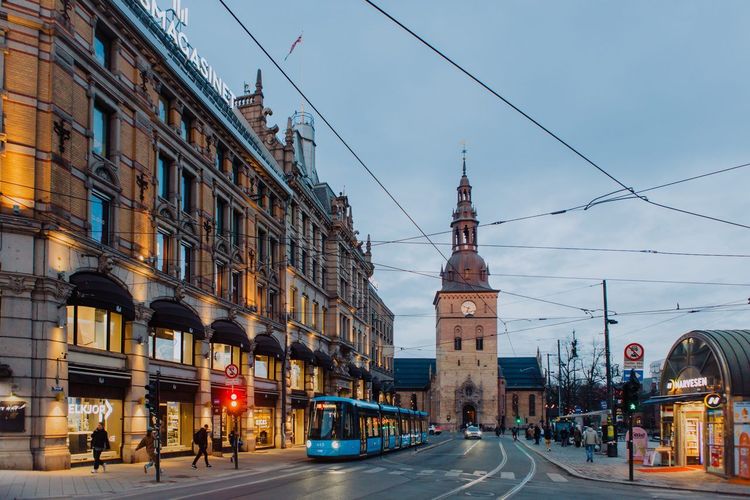
The five lines of the T-bane, Oslo's metro, all converge on the centre at Stortinget station before diverging towards the surrounding hills, Nordmarka included. The Trikk, the historic tramway whose first lines date from 1875, completes the network with six lines that stop literally at the doors of museums and parks: line 12, for example, serves the entrance to Frognerparken directly. During the day, you will rarely wait more than 10 minutes on the main lines, and the screens at stops display the next departures in real time.
Urban and Suburban Buses
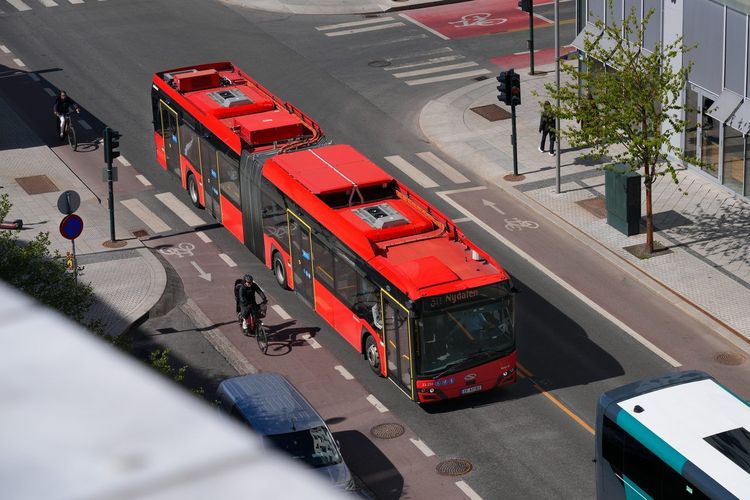
Where the rail does not go, buses take over, notably to hiking trailheads on the edge of Nordmarka or certain residential neighbourhoods poorly served by the tram. At weekends, night lines (prefixed N) provide continuity after midnight when the metro closes, a valuable help if your return flight leaves early the next morning.
The Oslo Pass: Unlimited Transport and Museums
The Oslo Pass combines in a single card unlimited access to the Ruter network in Oslo and free entry to more than 30 museums and attractions, including the Fram, the Kon-Tiki and the Munch Museum. Three options exist, 24, 48 and 72 hours, ranging from around 550 NOK for one day to about 1,000 NOK for three days at full fare (prices are revised every year), with noticeably reduced child, senior and student rates.
Its value is quickly calculated: a single day devoted to two or three paid museums, plus transport trips, is often enough to cover the price of the 24-hour pass. For example, the Fram museum ticket and the Kon-Tiki ticket combined already exceed half the price of the day pass, transport included. On the other hand, if your plans are limited to Frognerparken, free all year round, and a few walks, a simple daily Ruter ticket will be cheaper.
The pass also includes a few lesser-known perks: free entry to some municipal swimming pools, discounts on fjord cruises and on bike-sharing rentals. Private guided tours, alcohol at restaurants and certain excursions outside zone 1, such as Drøbak, remain at your expense. The pass can be bought through the official app or at the tourist information desk at Oslo S station, and activates automatically on first scan.
Exploring the City Centre on Foot and by Bike
Oslo's centre can be covered almost entirely on foot: less than 2 km separate the central station from the Royal Palace, in a straight line along the main thoroughfare.
The Historic Centre and Waterfront on Foot
From Oslo S, walk up Karl Johans gate, the pedestrian avenue that crosses the city to the Royal Palace, passing in front of the Parliament (Stortinget) and the National Theatre. Allow 25 to 30 minutes of leisurely walking, or cut through the side streets to avoid the crowds in high season.
On the way back down to the harbour, the fortress of Akershus Festning (Akershus Festning, 0150 Oslo, rated 4.5/5 on Google from 18,360 reviews) has overlooked the fjord since the 13th century: its ramparts offer one of the most spectacular free views over the port of Oslo, with no entrance ticket needed for the outdoor walk.
Then continue to Aker Brygge and the Oslo Opera House, whose sloping white marble roof can be freely explored, in shoes or barefoot, all the way to the top.
Cycle Lanes and Bike-Sharing (Oslo City Bike)
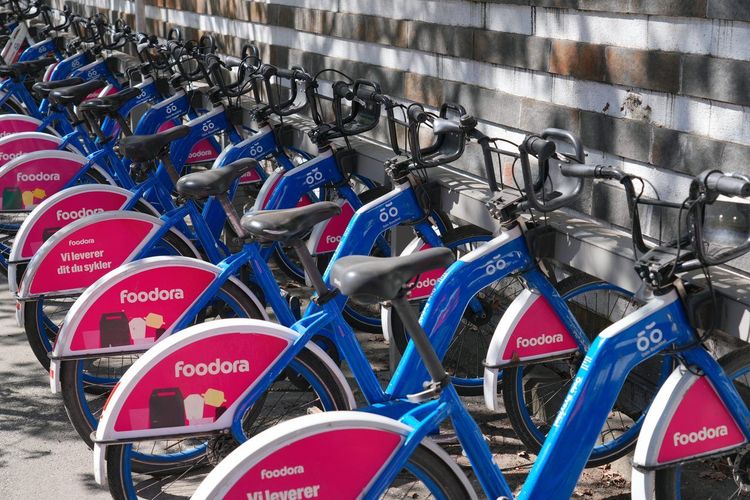
With several hundred stations spread across the city, Oslo City Bike (Oslo Bysykkel) can be rented from its app, per trip, by the day or by the season, with each short trip included in the plan. The service runs mainly from spring to late autumn, and relies on the cycle lanes that now line most of the main roads in the centre.
For one-off trips, shared electric scooters complete the offer and are unlocked from each operator's app (their number is capped by the city), useful for reaching Bygdøy or Frognerparken without waiting for a tram. By bike as on foot, the short version of the Ryo audio-guided tour of Oslo comments on the historic neighbourhoods and the waterfront right on site, with audio stops that trigger as you go.
The Bygdøy Peninsula and the Fjord Museums
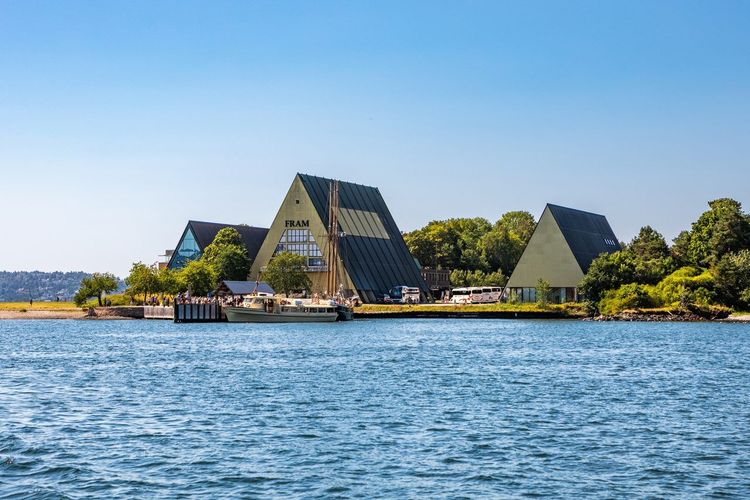
West of the centre, the Bygdøy peninsula alone concentrates several of the capital's densest attractions, and can be reached without any car at all.
The Ferry from City Hall
From roughly April to October, Ruter's B9 boat leaves from Rådhusbrygge, the quay right in front of City Hall, every 20 to 30 minutes to reach Dronningen and then Bygdøynes in 10 to 20 minutes depending on the stop. The crossing is included in a standard Ruter ticket or in the Oslo Pass, making it one of the cheapest boat trips in Europe for admiring the harbour from the water. Off-season, bus 30 from Nationaltheatret provides the connection all year round in about twenty minutes.
The Fram and Kon-Tiki Museums and Viking Ships
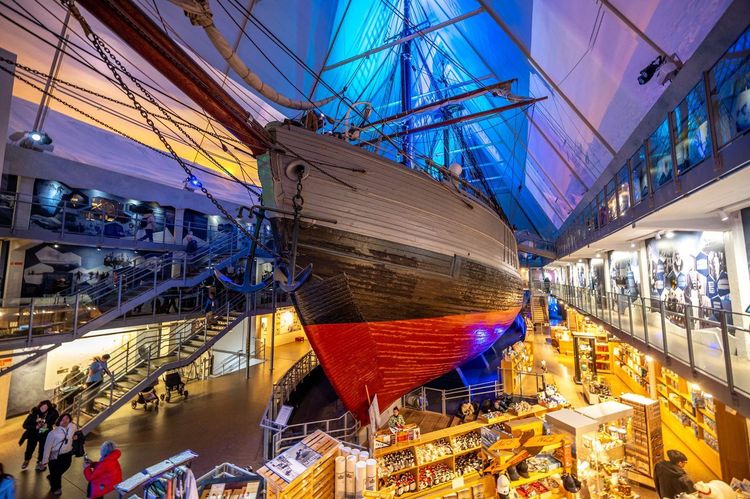
Three museums follow one another within a few minutes' walk. The Fram Museum houses the polar ship of the same name, used by Nansen and then Amundsen on their expeditions towards the South Pole, and can be visited by literally climbing aboard the hull. Right next door, the Kon-Tiki Museum recounts the 1947 Pacific crossing on a balsa raft built by Norwegian explorer Thor Heyerdahl, a gamble as mad as its outcome was happy.
As for the Viking Ship Museum, which usually houses three remarkably well-preserved funerary longships, it has been closed since September 2021 for a major expansion project, with a reopening announced for 2027 under the name Museum of the Viking Age: check the schedule before building your itinerary around it. Right opposite, the Norsk Maritimt Museum completes the visit for those who want to extend the maritime theme at no extra cost with the Oslo Pass.
Beaches and Trails of the Peninsula
Beyond the museums, Bygdøy also hides sandy beaches that are surprising for a Scandinavian capital. The beach at Huk (Huk Aveny, 0287 Oslo, rated 4.4/5 on Google from 2K reviews), at the tip of the peninsula, attracts Oslo locals from the first sunny days, and forest trails link each cove in 10 to 15 minutes of easy walking.
Plan a picnic if you intend to spend the afternoon there: dining options are limited to the surroundings of the museums, and prices climb quickly. To extend the polar adventure to the real Norwegian fjords, the Ryo Norway of the Fjords tour takes over where Bygdøy ends, with an anecdote at every stage of the journey.
Frognerparken and the Hill of the Gods Without a Car
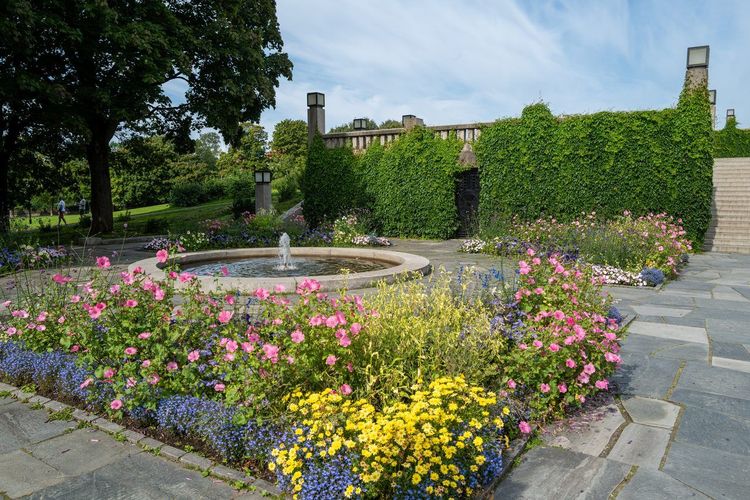
Frognerparken (Kirkeveien 80, 0366 Oslo, rated 4.7/5 on Google from 23,043 reviews) is Oslo's largest public park, and above all the setting for the Vigelandsanlegget, Gustav Vigeland's sculptural installation: 212 bronze and granite figures arranged along a one-kilometre axis, up to the central monolith 14 metres high.
Entry is free all year round, and getting there requires neither a car nor parking: Trikk line 12 stops directly at Vigelandsparken, a stone's throw from the bridge of bronze figures. From Majorstuen, served by the T-bane, allow about ten minutes' walk through quiet residential streets as well.
Set aside at least two hours if you really want to take the time to observe each sculpture: some scenes, like the father juggling with his children or the famous "angry little boy" (Sinnataggen), deserve lingering over rather than rushing through the park.
The Ryo audio-guided sub-tour dedicated to the hill of the gods goes right through Frognerparken and comments on each group of Vigeland sculptures step by step, with no need to book a human guide or follow a group. Its route, the Ryo Hill of the Gods tour, ends a few tram stops from the city centre, handy for moving straight on to the rest of your stay.
Excursions Around Oslo Without a Car
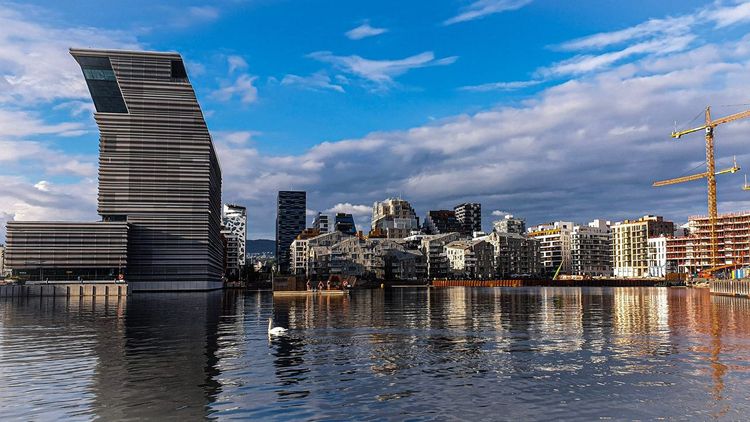
Have two extra days? Ferry, bus and metro take you to the fjord, the forest or the islands, without ever renting a vehicle.
Drøbak, the Fjord Town and Its Christmas House
45 to 60 minutes by bus 500 from Oslo bus terminal, Drøbak spreads its coloured wooden houses along a narrow fjord. The small town owes its historical fame to the fortress of Oscarsborg, which sank the German cruiser Blücher in April 1940, delaying the Nazi invasion of Oslo by several crucial hours. Drøbak is also home to the Julehuset, a house entirely dedicated to Christmas all year round, with its own Santa Claus post office.
In summer, a boat links Oslo directly to Drøbak on weekdays, a more picturesque alternative to the bus even if it requires checking the timetable beforehand.
Nordmarka, Forest and Trails Accessible by Metro
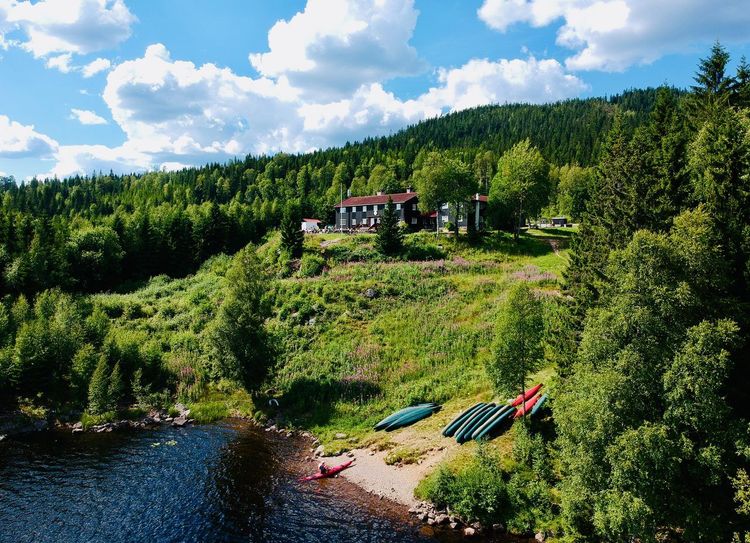
Take T-bane line 1 to its terminus, Frognerseteren, and you are at the edge of the Nordmarka forest without having left the metropolitan network. In summer, marked trails wind between lakes and hills; in winter, the same paths turn into a lit cross-country ski network among the most accessible in Europe from a city centre. At the end of line 5, Lake Sognsvann (Sognsvann, 0863 Oslo, rated 4.7/5 on Google from 4K reviews) offers a walking loop of about 5.5 km, flat and family-friendly, popular with local joggers after work.
The Oslofjord Islands by Ferry
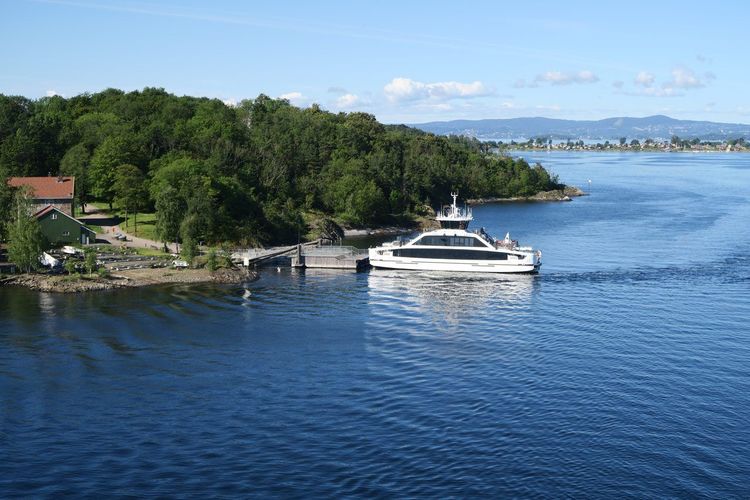
From Vippetangen or Aker Brygge, Ruter ferry lines serve several fjord islands in 10 to 20 minutes: Hovedøya, with its Cistercian monastery ruins and quiet beaches, can be visited in half a day. Further out, Gressholmen and Langøyene, the latter accessible only in summer and popular for tolerated camping, complete a list of escapes that few hurried visitors take the time to explore. Here too, the short version of the Ryo audio-guided tour lets you extend your walk beyond the historic centre, with its own commented stops all the way to the boarding quays.
Budget and Practical Tips for Travelling Without a Car in Oslo
A realistic budget for travelling without a car in Oslo is around 130 NOK per day on transport with the 24-hour ticket, and noticeably less per day with the 7-day pass, plus 350 to 600 NOK for daily meals if you alternate cafés and simple restaurants. By skipping the rental, you immediately save 300 to 600 NOK per day on vehicle hire alone, not counting fuel, urban tolls and parking that often exceeds 300 NOK a day in the city centre.
A few habits cut the bill further: always buy your Ruter tickets on the app rather than on board, where sales are limited and more expensive. Favour Kiwi or Rema 1000 supermarkets for lunch rather than the tourist restaurants at the harbour, two to three times more expensive for a comparable meal. For typical meals without breaking the bank, our Ryo article on culinary specialties in Oslo identifies the places that avoid the tourist trap.
Another practical detail: Norway has largely turned its back on cash. Bank card, Apple Pay or Vipps (the local payment app) are enough everywhere, from bus tickets to hot-dog stands, and tipping is never expected at restaurants since service is already included in the bill.
The choice of season also affects the overall budget: between May and September, ferries to Bygdøy and the islands run at full frequency, whereas in winter some seasonal lines stop completely, shifting part of the visits to the T-bane and bus network alone. Travelling outside the summer period does, however, limit crowds and accommodation prices, often the first expense of a Norwegian stay. Finally, download your tickets and maps offline before leaving: mobile coverage remains decent in the city but quickly weakens in the Nordmarka forests or on the fjord islands.
Should You Still Rent a Car in Oslo?
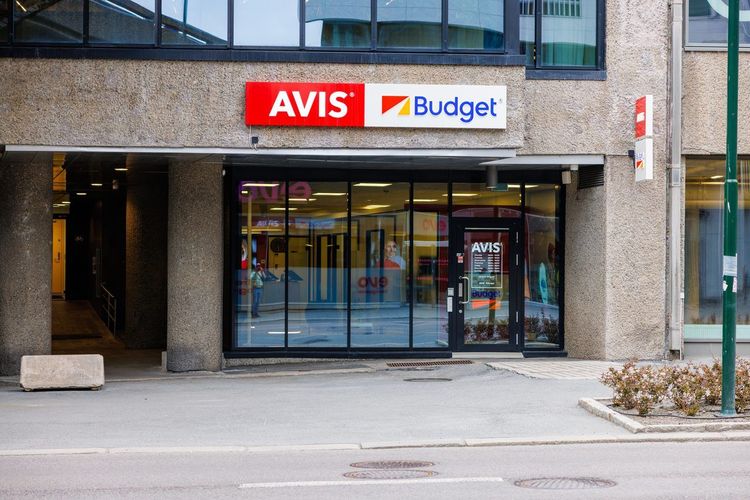
This is not about selling a car-free utopia at all costs: some trips are clearly better made in a rental vehicle, and saying so plainly avoids unpleasant surprises once you are there. To visit Oslo itself, though, the answer remains no: between the urban toll, limited parking and a Ruter network that already covers most needs, a car quickly becomes a burden rather than an asset.
The Hardangerfjord, more than 5 hours away by road, or the Telemark Canal, with its historic locks accessible mainly by private boat or car, lend themselves better to a rented-car circuit of two or three days, as a complement to the urban stay. The same logic applies to the rural areas of Hadeland and Lake Randsfjord, where buses are rare outside rush hours.
To link Oslo to Bergen, however, the train beats the car by a wide margin: the Bergensbanen crosses the Hardangervidda plateau in 6.5 to 7 hours, a journey ranked among the most beautiful in Europe, whereas the road requires nearly 7 hours of driving with tolls and ferry crossings, without the comfort of a continuous panorama from a train carriage. If an excursion into the distant fjords is part of your plans, the Ryo Norway of the Fjords tour covers precisely these stages beyond Oslo, with no need to take the wheel for the entire journey.


FAQ
How do you get around Oslo without a car?
The Ruter network (T-bane, Trikk, bus) covers most of the city in under 25 minutes from the centre. Complement it with walking, which is more than enough for the historic heart, and the Oslo City Bike bike-sharing service for slightly longer trips to Bygdøy or Frognerparken.
How can I get around Norway without a car?
Nationwide, Vy trains connect the major cities, long-distance buses cover areas less well served by rail, and coastal ferries such as the Hurtigruten sail along the coast up to the Arctic Circle. The EnTur app combines all these networks into a single journey search, trip by trip.
What public transport is free in Oslo?
Strictly speaking, no public transport is free, but walking is entirely free and covers a good part of the centre. Frognerparken can be visited for free all year round, and the Oslo Pass adds a few free extras such as access to some municipal swimming pools.
Should I buy the Oslo Pass?
It depends on your plans: if they include two or three paid museums per day, the pass easily pays for itself. If you mostly plan to walk, visit free parks and enjoy the beaches of Bygdøy, a simple daily Ruter ticket is cheaper.
How do I get from Oslo-Gardermoen Airport to the city centre?
The Flytoget reaches Oslo S in 19 to 23 minutes for about 230 to 250 NOK. Vy regional trains make the same journey in 25 to 30 minutes for about half the price, and the Flybussen serves several hotels in 40 to 50 minutes for about 199 NOK.
How many days do you need to visit Oslo without a car?
Two to three days are enough for the city centre, Bygdøy and Frognerparken. Allow four to five days if you add Drøbak, Nordmarka or the Oslofjord islands at a relaxed pace.
Is Oslo worth visiting?
Yes, for a compact capital that offers renowned museums, nature accessible in just a few metro stops and a redeveloped waterfront. Norway remains expensive, but skipping the car rental offsets a good part of the transport budget.
Oslo ends on a pleasant paradox: the further the itinerary stretches towards the fjords, islands or surrounding forests, the less necessary a car becomes, as long as you know the right ferry, metro and bus lines. Between the Flytoget that drops you in the heart of the city in 19 minutes, the Ruter network that covers everything else, and an Oslo Pass that pays for itself after the first full day, the Norwegian capital remains one of the European destinations where giving up the steering wheel changes everything, without taking anything away from the trip.
To extend the experience on site, the complete Ryo audio-guided tour of Oslo accompanies every step on foot, from the waterfront to Frognerparken, with the anecdotes that give meaning to the facades and statues you pass along the way. Enough to turn a list of transport options into a real stay, without ever looking for a parking spot.