






Créé par Emilie, le 4 oct. 2026
Votre guide Ryo
Bergen, Norway
The Princess of the Fjords
Parcours audioguidé pour visiter Bergen en 1 jour
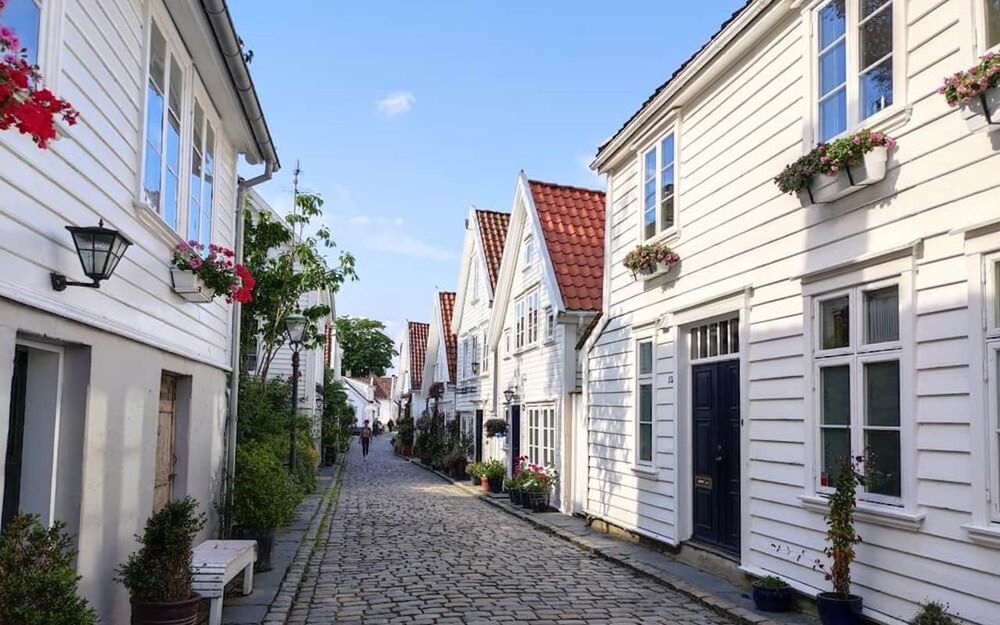
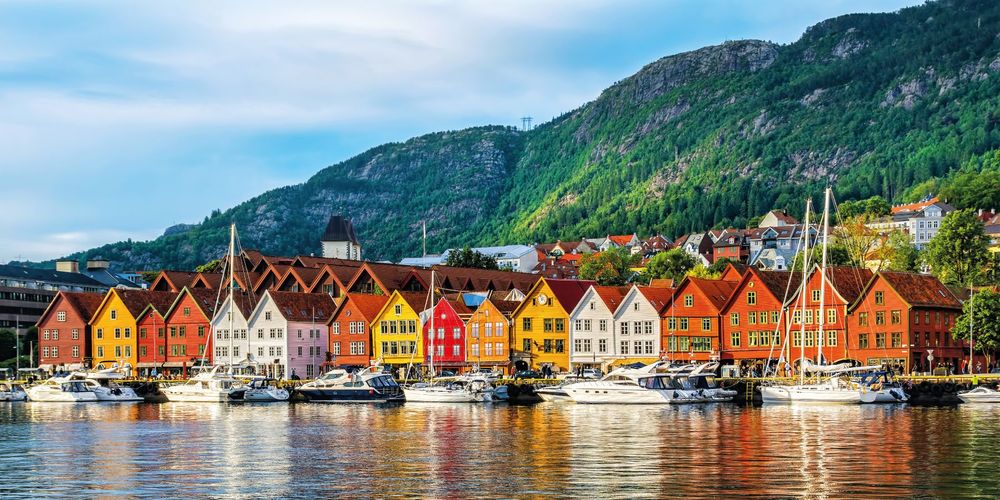
Surrounded by mountains and facing the fjords, Bergen offers an immediate immersion in the country’s iconic landscapes. A former capital with a rich Hanseatic past, the city blends colorful houses, maritime traditions, and ever-present nature. Between history, culture, and wide open spaces, it stands as an ideal gateway to discovering the Norwegian spirit.
Quand partir à Bergen ?
Jan.
3°
19
Feb.
3°
16
March
5°
18
April
8°
16
May
12°
15
June
15°
15
July
17°
16
Aug.
17°
17
Sept.
14°
18
Oct.
10°
20
Nov.
6°
21
Dec.
4°
20
Bergen and the fjord region can be visited all year round, with each season offering its own share of beauty — and its fair share of challenges. Winter comes with lots of snow, creating stunning contrasts between the fjords and their snow-covered peaks. If the weather conditions are right, you might even see the unforgettable sight of the Northern Lights dancing across the sky. That said, winter also comes with very short days. For reference, on the shortest day of the year, December 21st, the sun rises around 9:45 am and sets around 3:30 pm. As for temperatures, it’s not as cold as you might think — the average hovers around -1°C. But be prepared for a lot of rain. In summer, the days stretch out. On June 21st, the longest day of the year, the sun rises around 4 am and doesn’t set until nearly 11 pm. That gives you plenty of time to explore! Temperatures are mild, usually around 20°C, but there' still rain. Spring and autumn aren’t the most ideal times to visit. The rainiest period runs from September to December, and spring tends to remain cold and wet too. If you’re aiming for summer, July is generally the sunniest month. If you’re tempted by a winter adventure, January is your best bet!
Départ conseillé
No need to worry about where to begin! Our tours are designed as a loop, so you can jump in wherever you are. The navigation system and audioguide will automatically adjust to your location. However, if you happen to be nearby, we do have a preferred starting point: Festplassen, opposite Lille Lungegårdsvannet lake.
Parking à proximité
Grieg Parking Garage : Lars Hilles gate 3
You've probably already noticed—Norway isn’t exactly cheap, and parking is no exception. Since the signs can be a tricky to understand, here are a few tips to help you avoid a fine (which can be quite steep!). You need to pay in car parks marked with a blue sign bearing a white ""P"". The black numbers indicate the hours when parking is paid. The first line shows the hours from Monday to Friday, and the line in brackets shows the Saturday hours. Parking is free on Sundays. Rates vary depending on the zone, but the maximum parking time is usually 2 hours. So we recommend opting for a municipal car park.
À savoir
Norway uses the NOK, or Norwegian krone. The cost of living is quite high here, so don’t be caught off guard — make sure to factor that into your holiday budget.
Découvrez 25 lieux d'intérêt pour visiter Bergen








Le plein d'inspirations
Explorez le monde en totale liberté, à pied au cœur des villes ou au fil des routes. Nos guides audios transforment chaque destination en une découverte culturelle immersive et unique.

FAQ for visiting Bergen
When is the best time to visit Bergen?
Bergen can be visited all year round, but each season offers a different experience. Summer, particularly July, remains the most pleasant period with its endless days and mild temperatures around 20°C. You will fully enjoy the fjords at their best. Winter has its charm with the snowy landscapes and the chance to watch the northern lights, especially in January. Temperatures stay mild for Norway, around -1°C. If possible, avoid autumn, from September to December, which concentrates the most rainfall. Spring is also damp and cool. Whatever season you choose, be prepared for rain, as Bergen is known as one of the rainiest cities in Europe.
How many days do you need to visit Bergen?
Two to three days are generally enough to discover the essentials of Bergen and its immediate surroundings. A full day lets you explore the historic centre, the colourful Bryggen quarter, the fish market and take the Mount Fløyen funicular. With an extra day, you can deepen your discovery of the museums, wander through the picturesque lanes and perhaps visit the aquarium. A third day opens the possibility of an excursion to the nearby fjords or to other surrounding mountains. Bergen is also an excellent base for exploring the fjord region, and many travellers stay four to five days to combine city and nature.
What can you do in Bergen when it rains?
Rain is an integral part of the Bergen experience, so you might as well embrace it! The museums make excellent refuges: the Hanseatic Museum, the KODE art museums or the aquarium will delight young and old alike. The covered fish market lets you taste local specialities while staying dry. The city's historic cafés offer a warm setting for a Norwegian fika break. Even in the rain, a stroll through Bryggen remains magical with its covered passages between the colourful houses. And why not fully embrace the Norwegian spirit? With a good raincoat, explore the city from another angle. Bergen's residents don't let the rain dictate their daily life, and you will find that the city has its own special charm under the drops.
How do you get to Bergen from France?
Several options are available to reach Bergen from France. The plane remains the fastest, with direct flights from Paris in season or connections via Oslo, Copenhagen or Amsterdam the rest of the year. Expect generally between three and six hours of travel depending on the stopovers. For a more picturesque experience, combine train and ferry: first reach Copenhagen or Hamburg, then take a night train to Oslo before boarding the spectacular Oslo-Bergen railway line. This last option takes more time but crosses breathtaking landscapes. The most adventurous can opt for the car, crossing Denmark and then taking a ferry to Norway, a journey of at least two days but one that offers great freedom once there.
Is Bergen expensive to visit?
Bergen, like all of Norway, has high prices compared with French standards. Be prepared for a substantial budget, particularly for accommodation and dining. A restaurant meal easily costs double what you would pay in France, and a simple beer can exceed ten euros. Accommodation remains the most expensive item, especially in high season. Fortunately, alternatives exist to limit spending: cook in your accommodation, favour picnics, and take advantage of the many free activities such as hikes or discovering the historic neighbourhoods. Museums often offer reduced rates or free days. With a little planning, you can keep your budget under control while fully enjoying your stay.
How do you get around Bergen?
Bergen is easily explored on foot, as the city centre is relatively compact. Most of the tourist attractions are within walking distance of one another. For longer trips or rainy days, the modern Bybanen tram network efficiently links the centre to the outlying neighbourhoods and the airport. Buses round out the network to serve the whole metropolitan area. Public bikes are a pleasant option in fine weather. To explore the surroundings, renting a car becomes worthwhile, although parking in the city centre is expensive and limited. The funiculars to the surrounding mountains are an integral part of the Bergen experience and combine transport with a tourist attraction. Remember to download the local transport app to make getting around easier.
Where should you stay in Bergen?
The choice of your accommodation in Bergen depends on your priorities and your budget. The city centre, around Bryggen and the harbour, remains the most convenient option for visitors, with everything within reach. Hotels there are numerous but expensive. The Nordnes district offers a good compromise, quiet yet close to the centre. For tight budgets, the hostels offer dormitories and private rooms at more affordable rates. Apartment rentals via online platforms often help reduce costs, especially if you travel in a group or plan to cook. In summer, remember to book well in advance as demand explodes. Winter generally offers better rates, outside school holiday periods.
Where should you eat in Bergen?
The Bergen culinary scene blends maritime traditions with modern influences. The fish market remains a must for tasting ultra-fresh seafood, even if the prices there are aimed at tourists. The city-centre restaurants offer contemporary Norwegian cuisine showcasing salmon, cod and seafood. For a more authentic experience, look for the small establishments frequented by locals in the streets adjoining Bryggen. Tight budgets can turn to the food trucks and local sandwich chains. Don't hesitate to try the Norwegian bakeries for breakfast or lunch, with their famous kanelboller and open sandwiches. In the evening, some bars offer sharing platters at more reasonable prices than the traditional restaurants.
What are the must-see sights in Bergen?
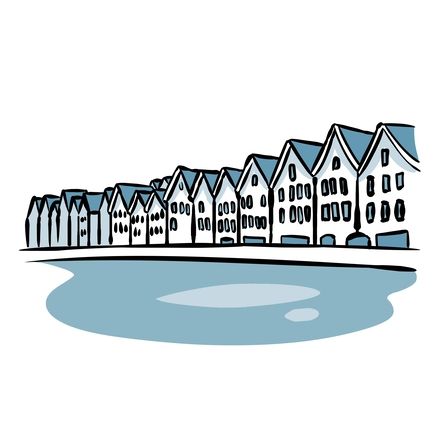
Bergen starts with Bryggen, the old Hanseatic wharf and its colourful wooden houses, continued by the fish market and the Vågen harbour basin. Old Bergen then deserves to be wandered without any fixed route, among cobbled lanes and white façades clinging to the slopes of Nordnes and Sandviken. Add the Bergenhus fortress and its medieval hall, the Hanseatic collections that explain the dried cod trade, and composer Edvard Grieg's house at Troldhaugen, set beside a lake. A climb to the surrounding heights rounds off the visit. The Ryo audio guide offers a dedicated walking route through Bergen that links these highlights and tells the story of the city's merchant past along the way.
How can you explore the fjords from Bergen?
Bergen is the natural gateway to the fjords: the city sits between the Hardangerfjord to the south and the Sognefjord to the north, the longest in Norway. Express boats leave the harbour every day for the neighbouring arms of the sea, and combined tours by train, coach and boat make it possible to be back the same evening. If you have more time, spending a night in a village at the water's edge changes the experience entirely, with waterfalls and rock walls dropping straight into very dark water. The season matters a great deal: from late spring to early autumn there are more connections and the daylight lasts far into the evening.
Vos commentaires, idées et suggestions
Aucun avis pour le moment