





Walk
The Navel of the World
Cusco, Pérou
Walk
The Navel of the World
Cusco, Pérou
5.1 km
Distance
2h20
Durée
23
Audios
Loop
Parcours
Shutterstock
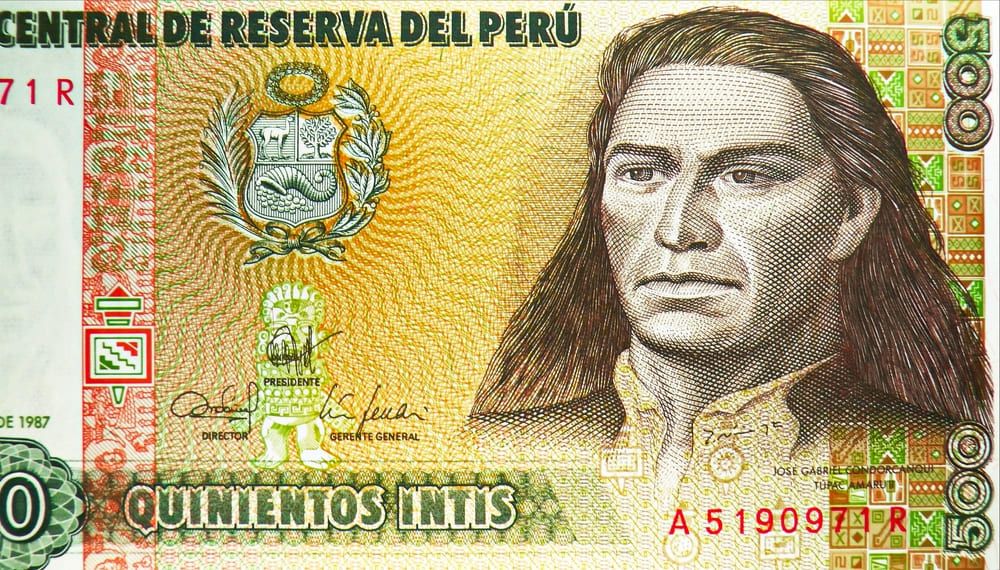
As promised, it’s time to return to Túpac Amaru, one of the key figures of Andean resistance. If there’s one name worth remembering from the history of Peru, this may well be it. Or perhaps I should say two names—because behind it are actually two men who lived two centuries apart, and whose stories echo one another right here in Cusco.
The first was Túpac Amaru I, the tragic figure who came to symbolize the final chapter of the Inca Empire. After the Spanish conquest, the last Inca rulers retreated into the jungle of Vilcabamba, where they continued their resistance. Túpac Amaru I became their leader almost by circumstance, without ever really having time to consolidate his power.
In 1572, the Spanish captured Vilcabamba. The last Inca was taken prisoner, brought back to Cusco, and executed in the main square, marking the definitive end of the independent Inca dynasty. His severed head was displayed in the square, but it began attracting so much popular devotion that the authorities hurriedly buried it, hoping to stamp out a potential rebel cult before it could take hold.
Now jump forward two centuries, to 1780. An educated Andean leader, fluent in both Quechua and Spanish, decides to rise up against forced labor, abusive taxation, and colonial violence. His name is José Gabriel Condorcanqui, but to make his message unmistakable—and assert the legitimacy of his ancestry—he adopts a name loaded with meaning: Túpac Amaru II.
His uprising was far more than a local revolt. It swept across the Andes, mobilizing thousands of people and shaking Spanish authority from Cusco all the way to Potosí, in present-day Bolivia. At his side was his wife, Micaela Bastidas, who played a crucial political and strategic role and was anything but a background figure.
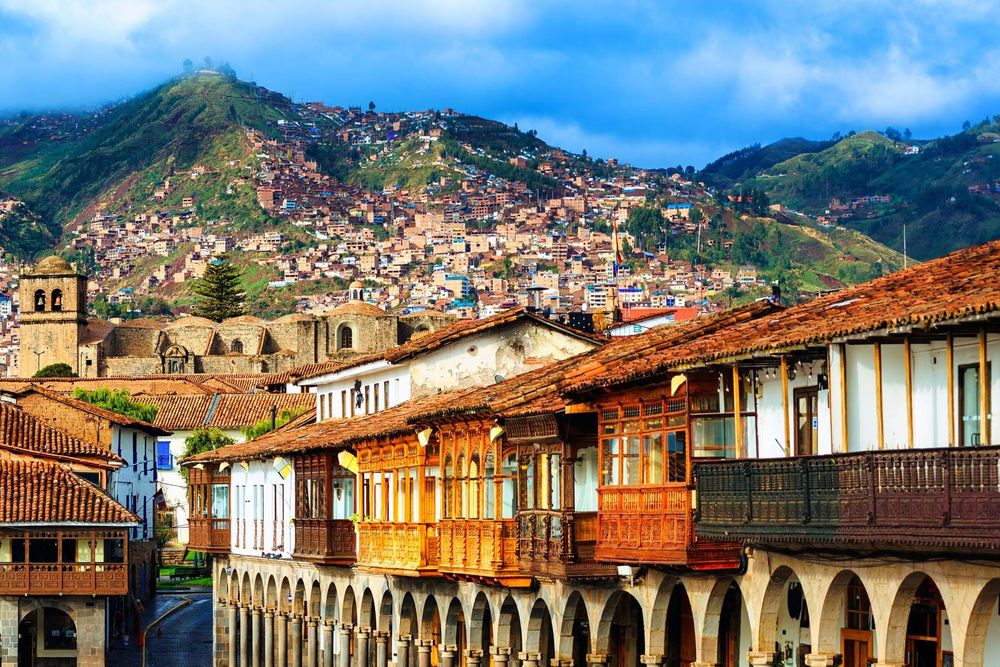
But the rebellion was quickly crushed. In 1781, the family was captured and paid a terrible price. Túpac Amaru II, his wife, and their companions were publicly executed on the Plaza de Armas in a spectacle of extraordinary brutality.
Yet from that tragedy emerged an enduring legend, summed up by the phrase now famously attributed to him: “I will return, and I will be millions.” Whether the words are authentic or were embellished later, they became a universal slogan of emancipation. Túpac Amaru II’s legacy even crossed continents. In tribute to this symbol of resistance, an American activist gave his name to her son—the legendary rapper Tupac Shakur.
So yes, from a rapper in the United States to an Inca rebellion against colonial oppression, the distance isn’t quite as great as it seems. In the end, it comes down to a single name: Tupac.
Aucun avis pour le moment
