




Créé par Camille, le 16 nov. 2026
Votre guide Ryo
Cusco, Peru
The Navel of the World
Parcours audioguidé pour visiter Cusco en 1 jour
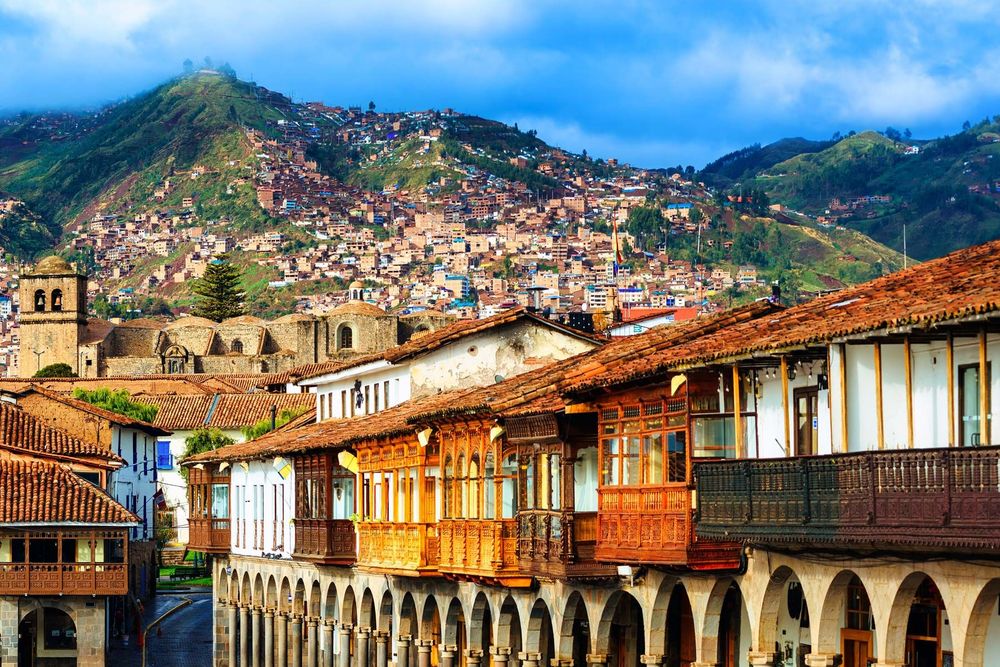
Former capital of the Inca Empire, perched at an altitude of 3,400 metres in the heart of the Andes, Cusco is a fascinating city where history reveals itself around every corner. Famous for its unique architecture, which blends massive Inca foundations with Spanish colonial palaces, the city has a vibrant and captivating atmosphere. With its picturesque cobbled streets, colourful markets and deeply rooted Andean culture, Cusco is the true cultural heart of Peru and the gateway to the Sacred Valley.
Quand partir à Cusco ?
Jan.
18°
18
Feb.
18°
13
March
18°
11
April
20°
3
May
20°
3
June
20°
2
July
20°
2
Aug.
21°
2
Sept.
21°
7
Oct.
21°
8
Nov.
20°
12
Dec.
19°
16
Perched at an altitude of 3,400 metres in the Peruvian Andes, Cusco has a temperate high-altitude climate, with significant temperature differences between day and night and two clearly defined seasons. From May to October, the dry season brings very sunny days, clear blue skies and average daytime temperatures of around 18°C to 20°C. Nights, however, are particularly cold, often dropping close to 0°C or even slightly below. From November to April, the rainy season brings regular rainfall, with the heaviest showers usually occurring in January and February. Daytime temperatures remain mild, while nights are less cold than during the dry season.
Départ conseillé
We design our tours as loops, so you can easily start at whichever stop is closest to you, and the navigation will adjust automatically. If you’re nearby, we recommend starting at the ideal departure point: Plaza de Armas.
Parking à proximité
If you’re staying in Cusco with a rental car or your own vehicle, the easiest option is to choose a hotel or accommodation with its own secure parking garage.
À savoir
To make the most of your stay in Cusco, a few simple rules can make your trip much easier.
For sightseeing, the Boleto Turístico is the essential pass for visiting most of the region’s attractions and museums. It can be purchased locally in cash, in Peruvian soles, and covers up to sixteen major sites depending on the option you choose. Keep in mind that it does not include Machu Picchu, Cusco Cathedral, Qorikancha or the Maras Salt Mines. When it comes to health, the first golden rule is not to drink tap water, even when brushing your teeth, and to stick to sealed bottled water. Be cautious with ice cubes and raw vegetables as well. To adjust to the altitude and avoid soroche, or altitude sickness, take it easy on your first day, eat light meals and drink coca tea. For getting around and managing your budget, use official taxis booked through your hotel or via an app. If you hail a taxi on the street, always agree on the fare before getting in. Always carry small-denomination notes and coins, as shopkeepers may struggle to give change for large bills and will often refuse damaged or torn banknotes altogether. Finally, if you take photos of locals in traditional dress posing with their llamas, remember to leave them a small tip.
Découvrez 23 lieux d'intérêt pour visiter Cusco

What to see in Cusco on your 2h20 tour?
This 5.1 km loop takes about 2 hours 20 minutes and links 22 stops, right across the historic heart of Cusco, more than 3,400 metres above sea level. From the cathedral and the Plaza de Armas, it crosses San Francisco and Limacpampa, the San Pedro market, the Qorikancha and the Twelve-Angled Stone, before climbing toward San Blas and Sacsayhuamán. With the Ryo app in your ears, every Inca stone and every colonial facade tells the story of Peru, at your own pace.
Information checked in November 2026 and subject to change.
1 - Cusco Cathedral
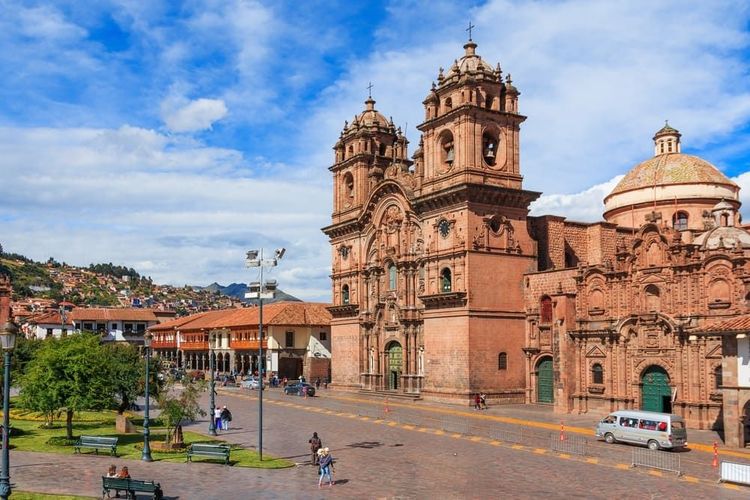
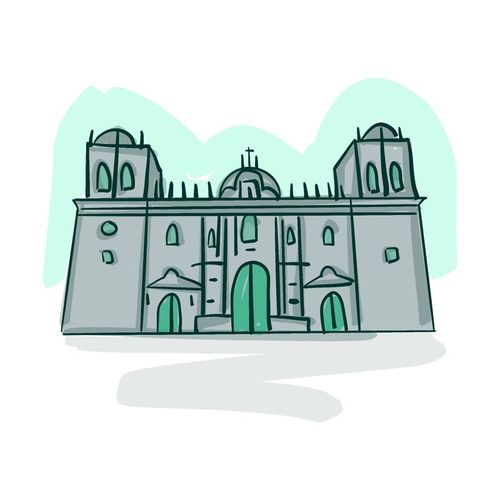
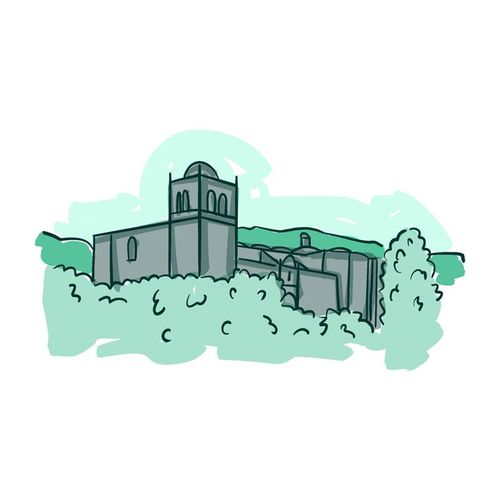
This imposing baroque cathedral, built over nearly a century from the mid-1500s, rose from stones taken straight from the dismantled Inca fortress of Sacsayhuamán. Inside, Marcos Zapata's Last Supper hides a sly detail: an Andean guinea pig stands in for the traditional lamb. The blackened statue of the Lord of the Earthquakes, shipped from Europe, owes its colour to centuries of candle smoke rather than its original hue.
Paid entry
2 - Cusco’s Plaza de Armas
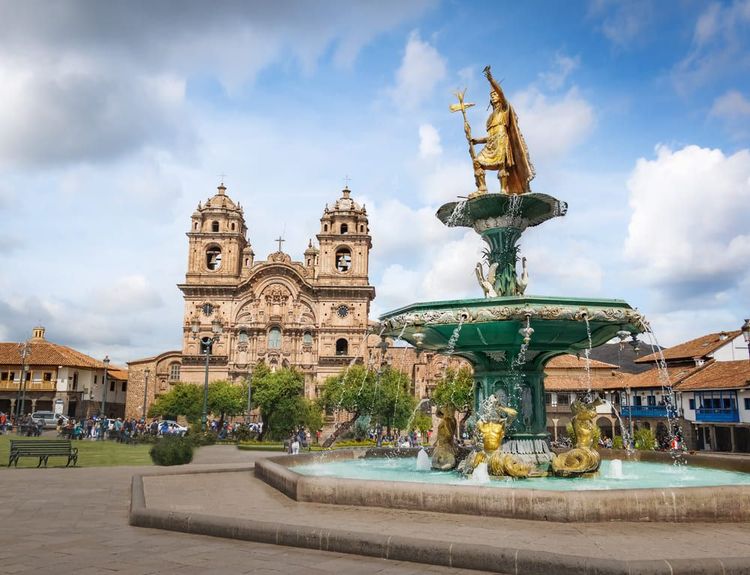
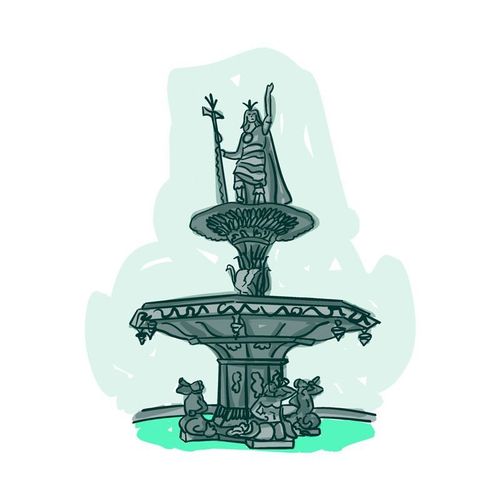
Twice as large under the Incas, when it was known as Huacaypata, this square once formed the political and religious heart of the whole empire, where the great Andean road network converged. The golden statue now standing at its centre honours Pachacútec, the 15th-century ruler credited with expanding the Tahuantinsuyo empire and commissioning the legendary site of Machu Picchu.
Free entry
3 - La Merced Church
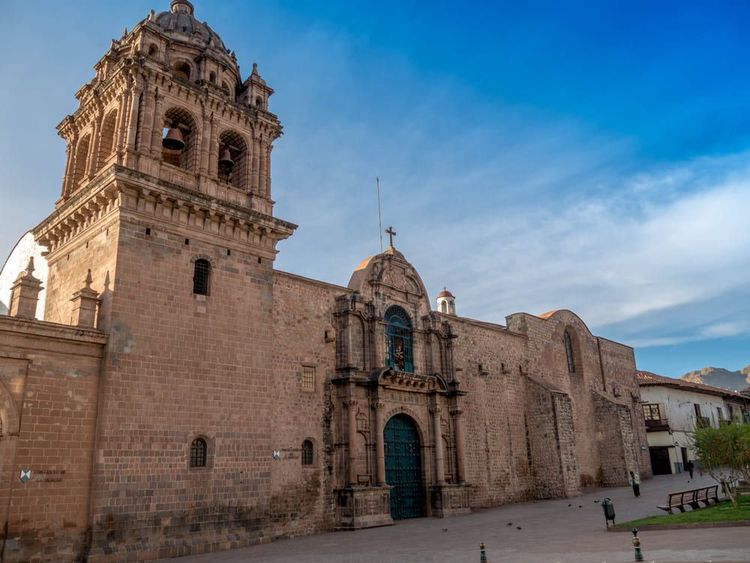
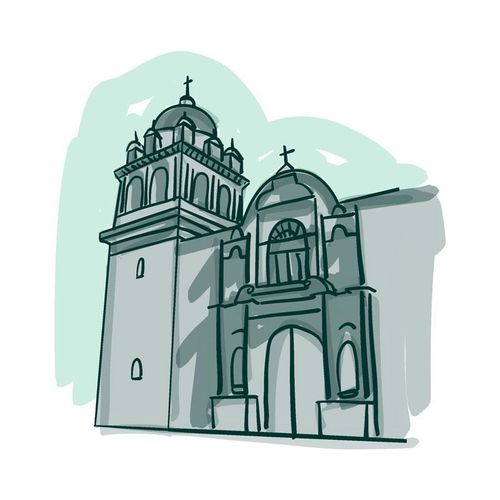
Headquarters of the Mercedarian order in South America, this baroque church keeps in its sacristy a solid-gold monstrance set with precious stones, still paraded through the streets every year during Corpus Christi. Beneath the main altar lie three rival figures of the Conquest, a father and son both named Almagro and Gonzalo Pizarro, all three beheaded nearby for fighting over power, now resting together under the same slab.
Paid entry
4 - San Francisco Square
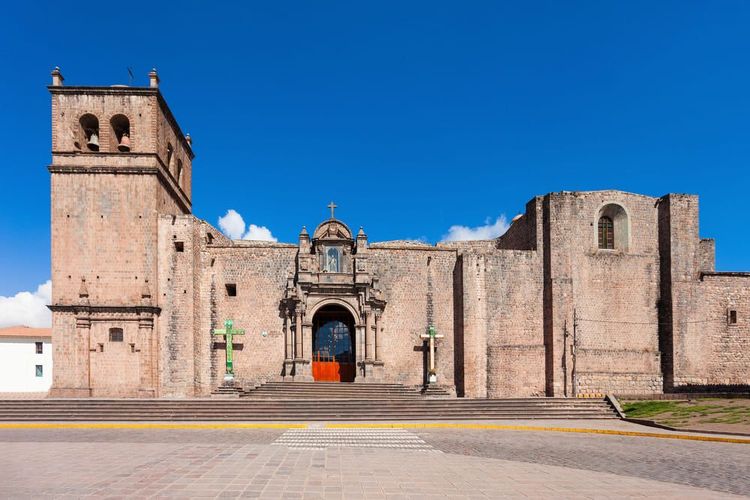
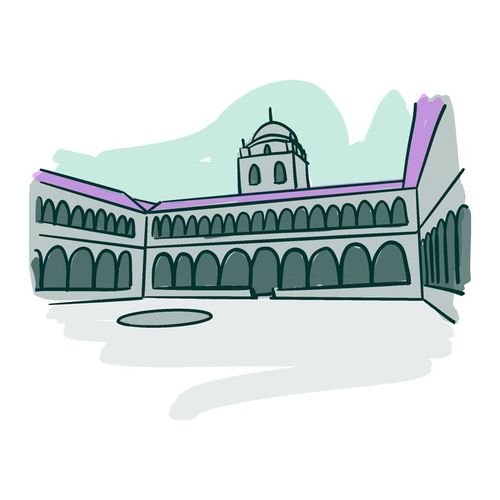
Once part of the Inca ceremonial core, this square took the Franciscans' name in the 16th century and became the city's second religious hub. Its adjoining convent hides a genealogical mural painted in 1699, twelve metres tall and crowded with hundreds of figures, one of Latin America's largest paintings, plus catacombs holding generations of bones, now closed to visitors.
Free entry
5 - Bolívar and the Independence of Peru
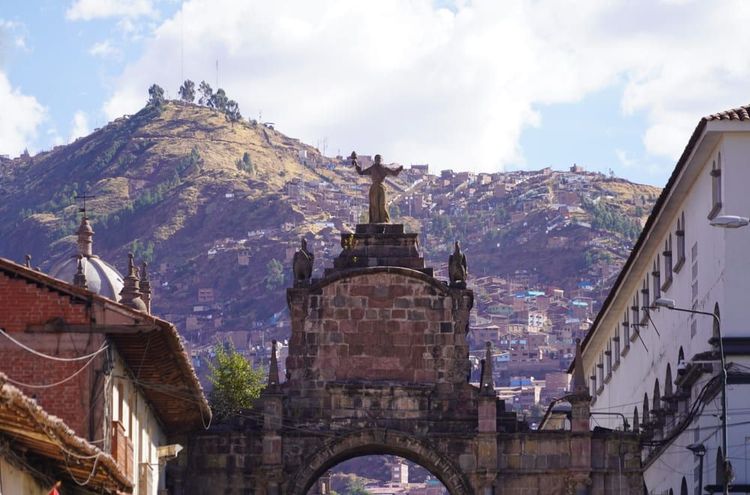
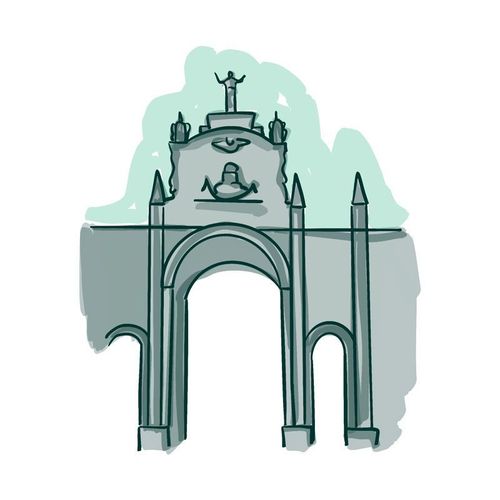
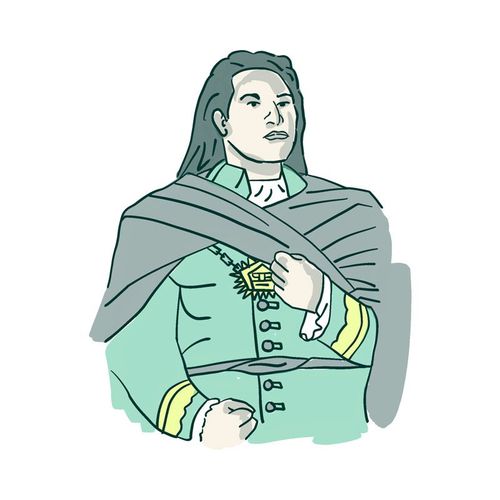
This 19th-century triumphal arch opens onto the saga of Peru's independence. After San Martín's 1821 proclamation, it was Simón Bolívar who completed the liberation, winning the decisive battles of Junín and Ayacucho in 1824 and ending three centuries of Spanish rule. Welcomed in triumph to Cusco the following year, he abolished forced indigenous labour before leaving power, contested, a few years later.
Free entry
6 - San Pedro Market
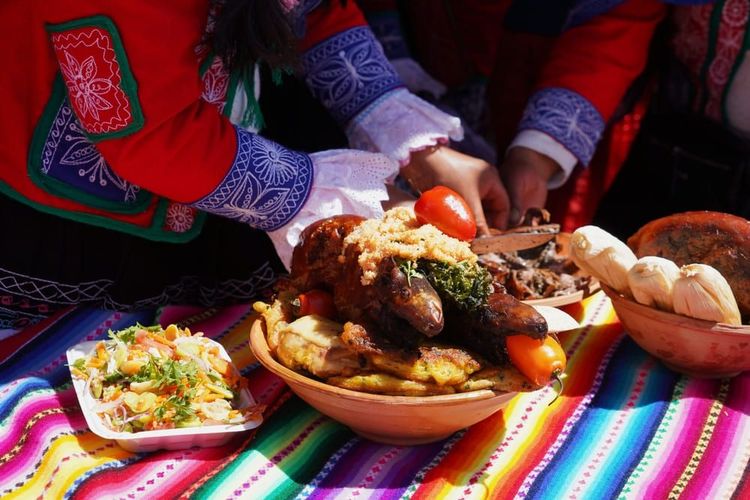
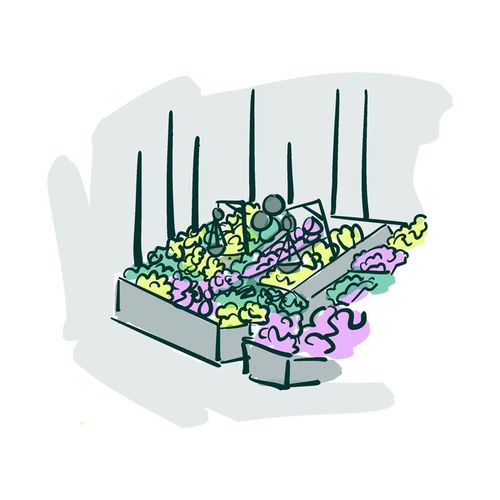
This covered market gathers the riches of a cuisine honoured by UNESCO: over 3,500 potato varieties, fresh produce stalls open since dawn, and a whole section devoted to traditional Andean healing. Here you can try the national ceviche, the cold Cusco speciality mixing guinea pig and grilled corn, or local drinks made from fermented or purple corn, before a roasted-barley tea said to cure anything.
Free entry
7 - The Spinner
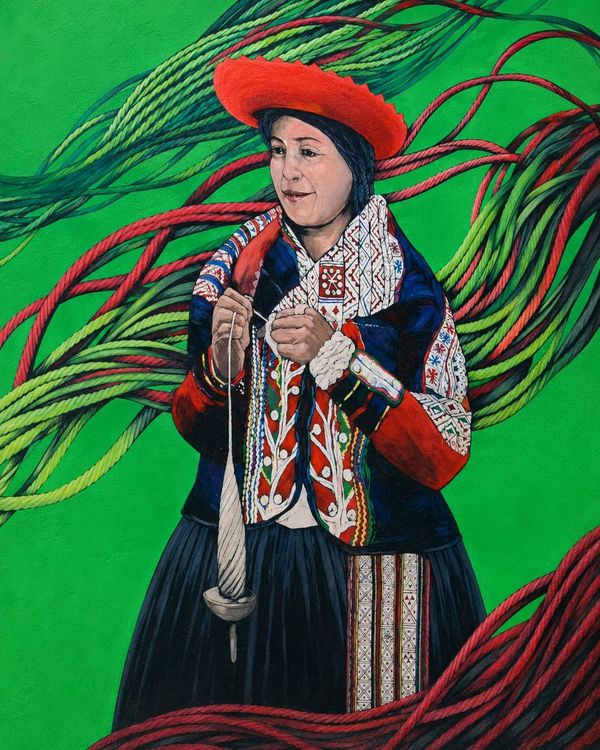
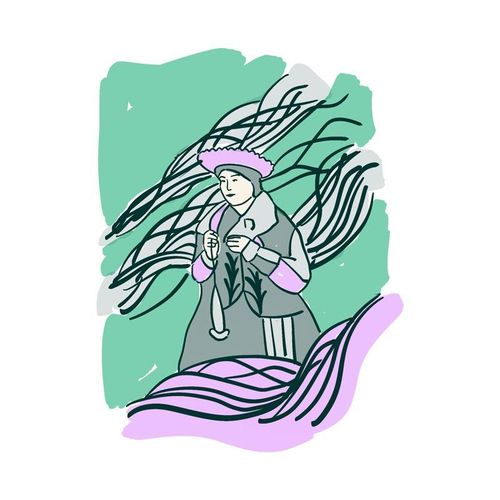
This street art mural honours the ancestral textile skills of Andean women: a craftswoman spins alpaca wool with a traditional spindle, using a technique unchanged since Inca times. Her outfit also details regional dress codes, from the flat red-trimmed hat to the skirt embroidered with floral patterns inspired by Peru's national flower, a colourful pause along the walk.
Free entry
8 - Palace of Justice
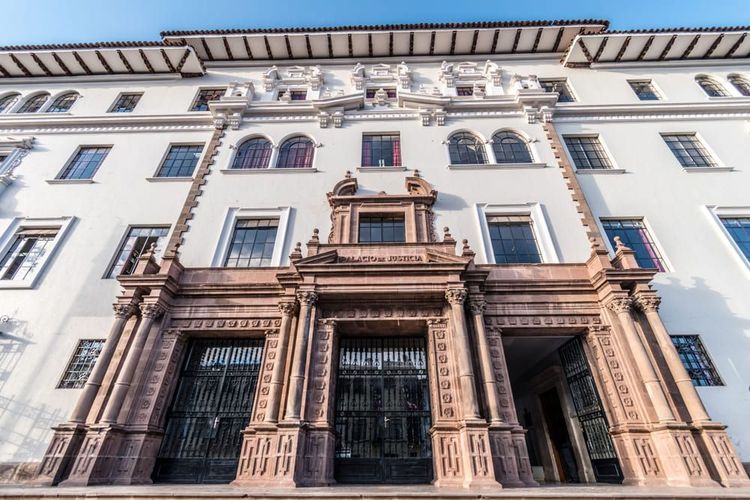
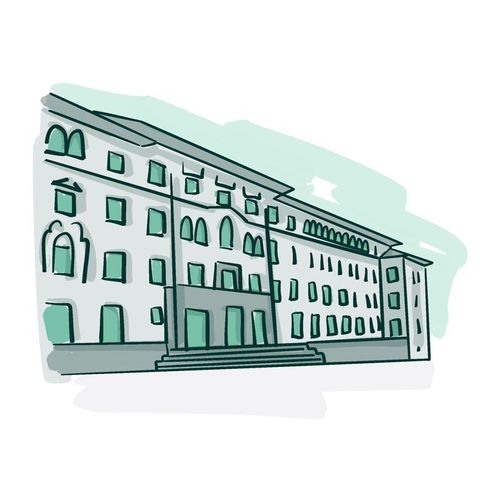
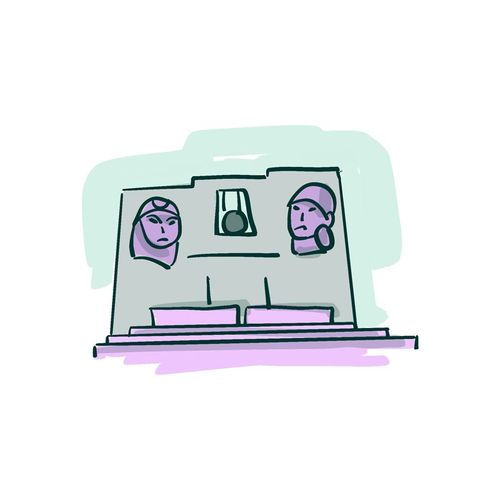
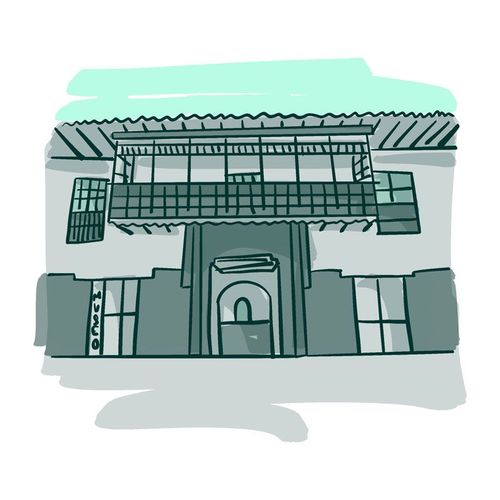
This massive building stands on the site of a former royal Inca estate nicknamed the house of the serpent, once opening directly onto the Plaza de Armas. Turned into a prison by the conquistadors, it held the rebel Túpac Amaru II and his wife before their public execution. The current concrete building only dates from the mid-20th century, after the old prison collapsed in an earthquake.
Free to see from outside
9 - Túpac Amaru
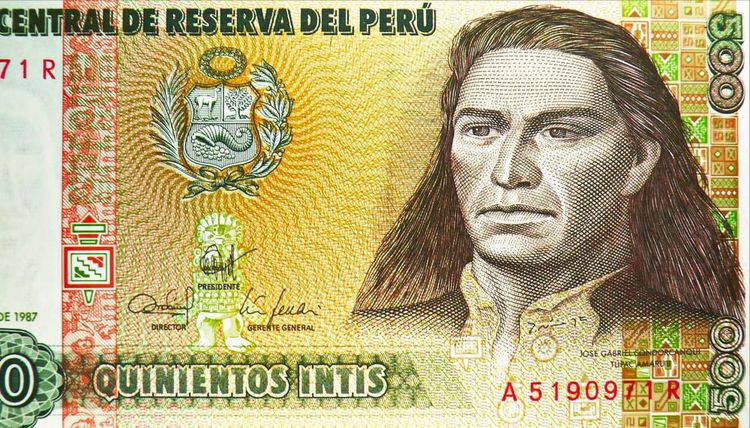
Two men, two centuries apart, share this name of resistance. The first, the last Inca ruler hiding in the jungle, was captured and executed on this square in 1572. The second rose up against Spanish rule across the Andes in 1780, before suffering the same fate alongside his wife Micaela Bastidas, leaving behind a legendary vow to return by the millions. His name later inspired that of a world-famous American rapper.
Free entry
10 - Qorikancha
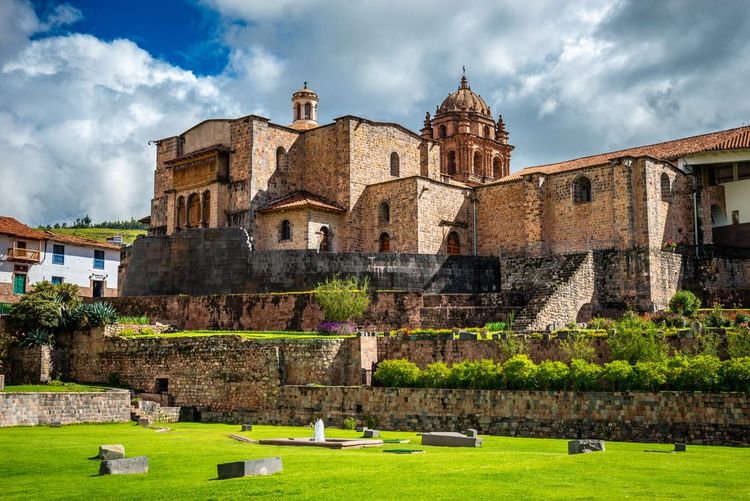
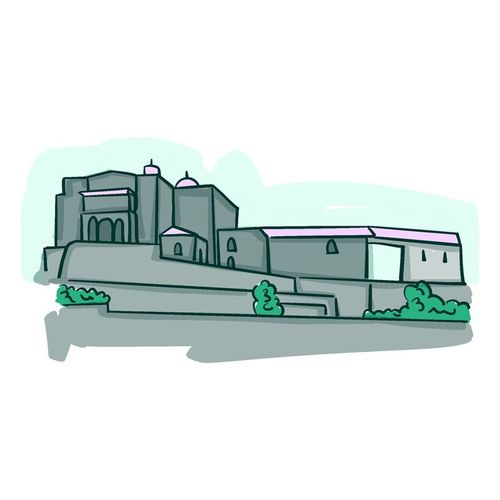
The empire's most sacred sanctuary, dedicated to the sun god, the Qorikancha once dazzled the conquistadors with gold-plated walls and gardens filled with precious-metal statues, later looted and melted down. The Spanish built their church and convent directly over the Inca stonework, still visible on the facade. Every southern winter solstice, on 24 June, the Festival of the Sun gathers hundreds of costumed performers here before heading to the Plaza de Armas.
Paid entry
11 - Centro Qosqo de Arte Nativo
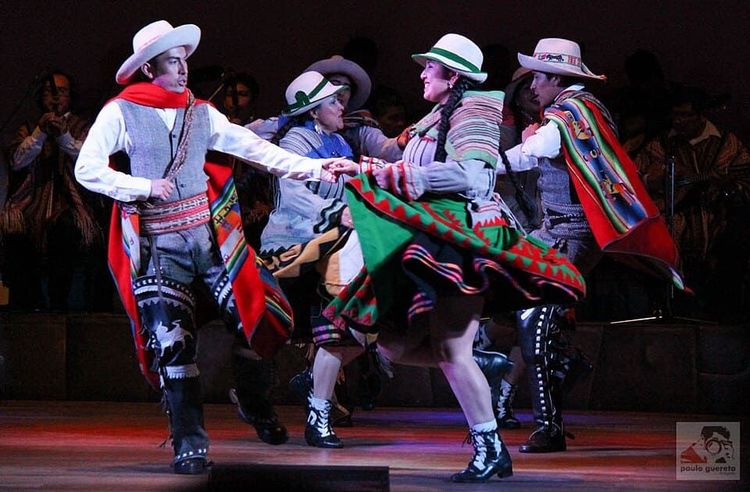
The country's oldest folklore institution, founded in the 1920s, stages the city's only regular evening show of traditional dance and music, included in the local culture pass. The pieces performed depict farming rituals, mischievous Andean demons, or mockery of corrupt colonial judges, in a joyful and colourful atmosphere not to be missed.
Paid entry
12 - The Great Mural of Cusco’s History
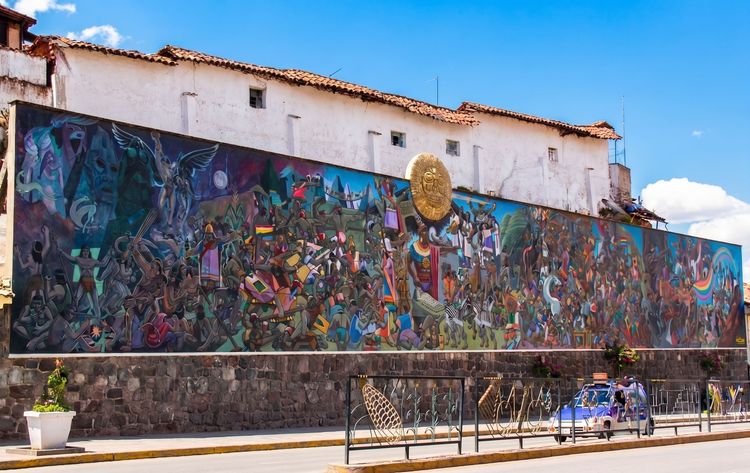
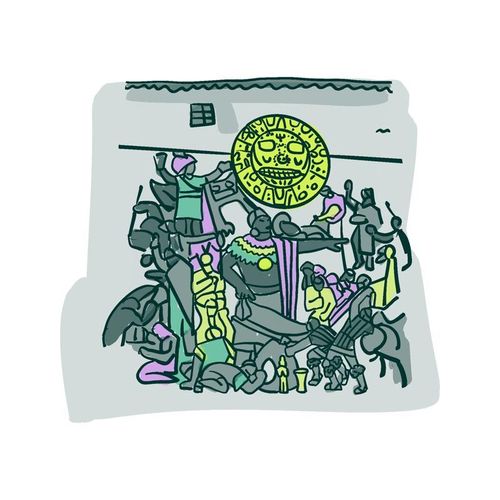
Painted across fifty metres, this monumental mural traces more than three millennia of local history, from founding tribes to the Inca golden age under Pachacútec, then the brutal shock of the Spanish conquest, shown through hybrid half-man, half-horse riders. The torture of Túpac Amaru II, pulled apart by four symbolically coloured horses, sits alongside the city's seven-striped rainbow flag, often mistaken for the LGBT+ one.
Free entry
13 - Inca Symbols
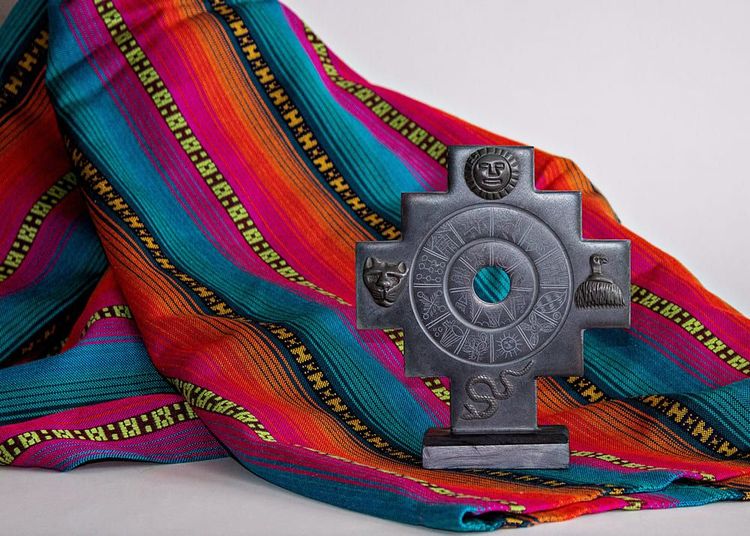
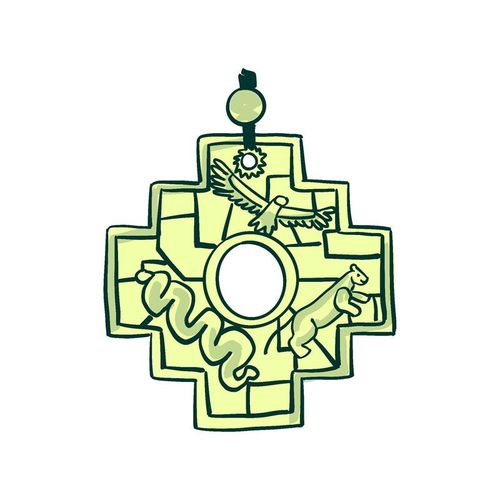
The Inca universe was split into three worlds embodied by three animals: the condor for the sky and spiritual freedom, the puma for strength in the present world, the serpent for the underground realm of the dead. All three levels meet in the Chakana cross, a symbol of Mother Earth, once used as a spiritual map guiding a soul from the world below up to the heavens.
Free entry
14 - Limacpampa
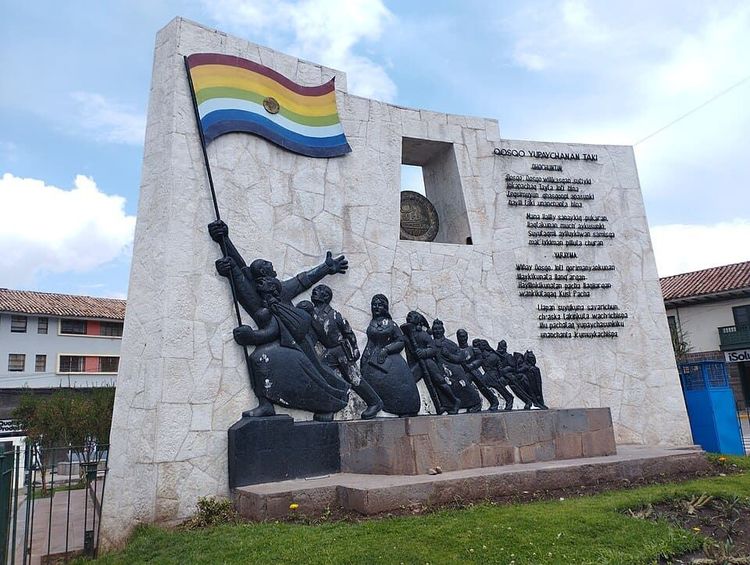
On this square, nicknamed the plain where people speak, Inca subjects once gathered to hear imperial decrees, delivered in Quechua and Aymara, two distinct languages despite their geographic closeness. Its central monument bears a golden pre-Hispanic disc with a rocky history, exiled abroad before being repatriated two centuries later, and honours the mythical founding couple said to have chosen this very spot as the empire's capital.
Free entry
15 - Santo Domingo Convent
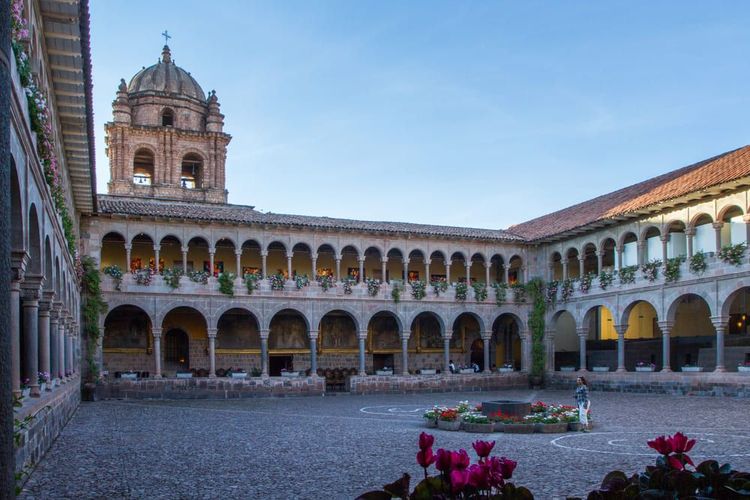
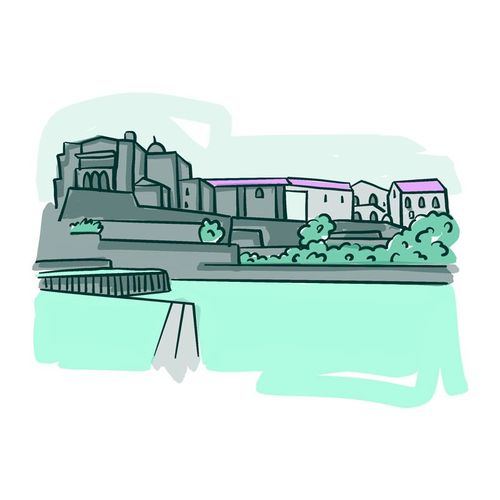
This convent perfectly illustrates the city's architectural blend: consecrated in the 17th century, it partly collapsed during major earthquakes the following century and in the mid-20th, exposing untouched Inca foundations beneath the colonial plaster. The forced cohabitation between Spanish sanctuary and Andean stonework, long disputed between clergy and indigenist scholars, is said to also shelter in its crypts the remains of key figures from the Vilcabamba resistance.
Paid entry
16 - Santa Catalina Square
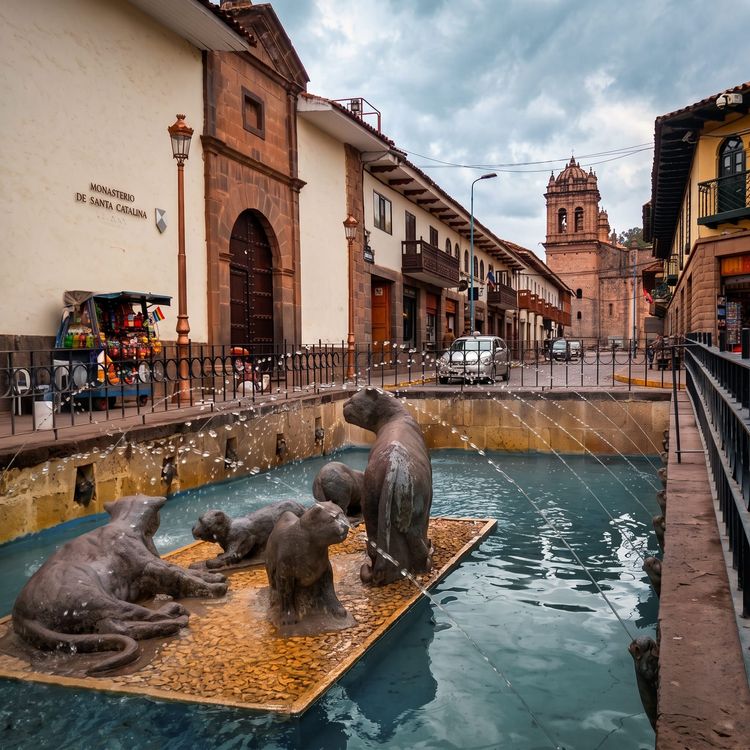
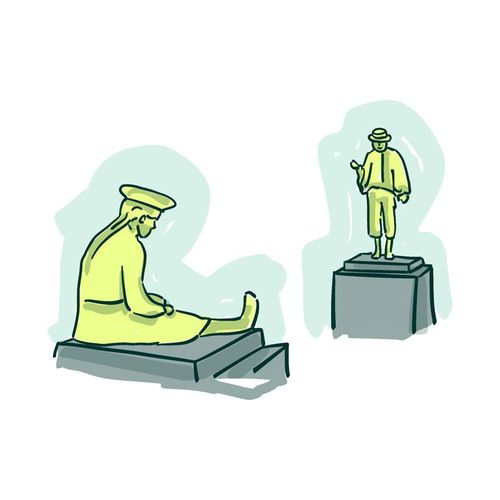
Long reduced to a plain parking lot, this charming pedestrian square now hosts two modern sculptures devoted to Andean daily life, a spinner and a shepherd armed with a traditional sling. Nearby, a stone puma family watches over the fountain, recalling the reverence Incas held for this animal, said to have shaped the whole city's layout in its likeness, fangs included.
Free entry
17 - Machu Picchu Museum
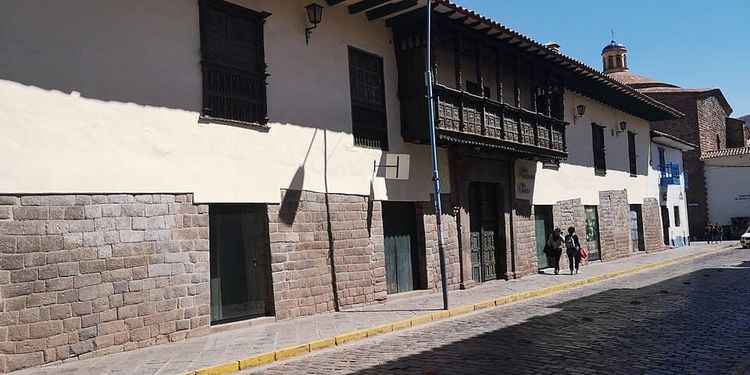
This museum reveals the true nature of the country's most famous site: not a fortress, but a royal mountain retreat commissioned by emperor Pachacútec, combining palace, farmland and sanctuary. Objects returned by an American university in the early 2010s, along with DNA analysis of skeletons found there, reveal a cosmopolitan population of servants drawn from across the empire, far from clichés of mass human sacrifice.
Paid entry
18 - The Twelve-Angled Stone
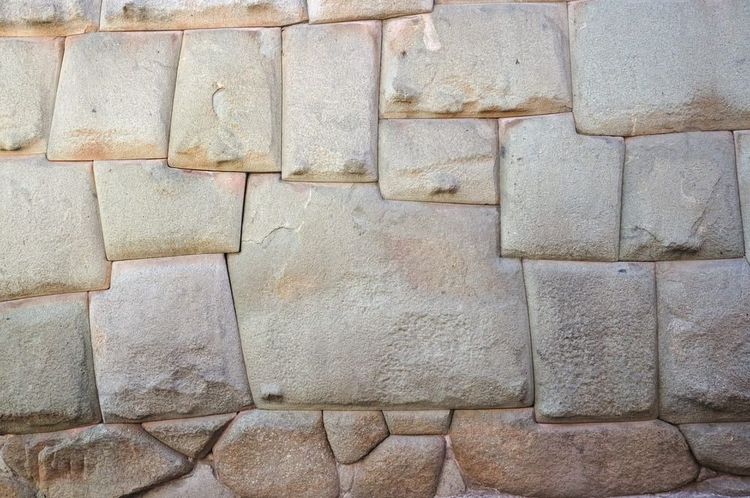
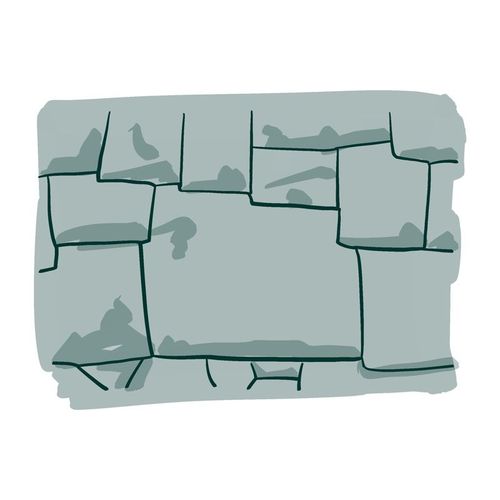
This narrow paved lane owes its Quechua name to an Inca wall of surgical precision, its blocks interlocking without a trace of mortar to better withstand earthquakes. Its most famous block, a six-tonne monolith with twelve angles, once bordered the palace of a 14th-century ruler; the Spanish kept this stonework and built the archbishop's residence right over it, today a museum of religious art.
Free entry
19 - San Blas
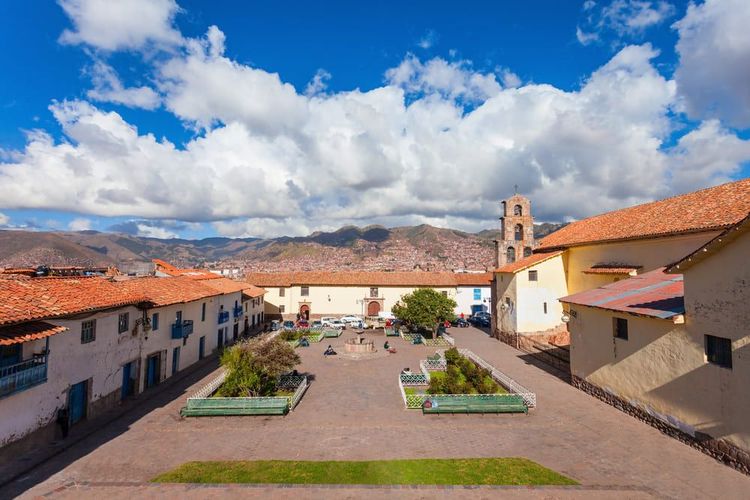
Tucked among steep cobbled lanes, this bohemian district once bore the name T'oqokachi and housed a temple dedicated to the thunder god. Its church, among the city's oldest, hides a wooden pulpit carved from a single block in the 17th century, topped by a skull that legend links to the very skull of its Inca carver, whose identity remains unknown.
Free entry
20 - The History of Peru
The Inca empire had no money: shared labour and reciprocity took its place, before the Spanish twisted this system into deadly forced labour in the silver mines. The empire's fall, at the hands of a handful of conquistadors, owed as much to a civil war between two rival princes as to diseases brought from Europe, which wiped out most of the population within less than a century.
Free entry
21 - Sacsayhuamán
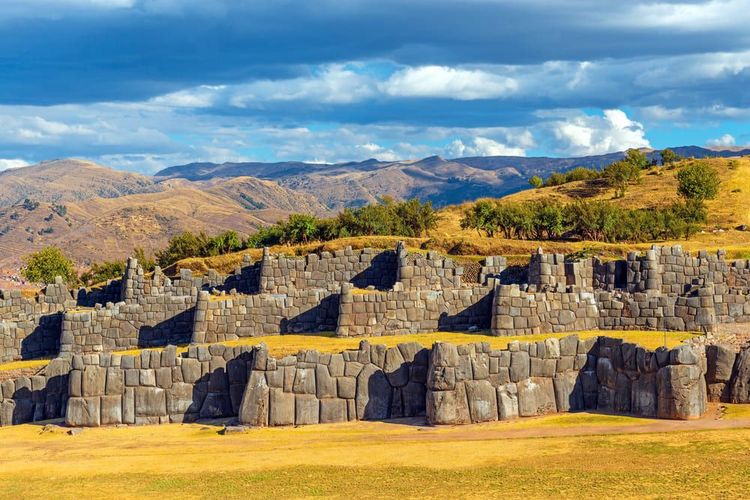
This poetically named pastoral lane leads to a colonial aqueduct built over a former Inca shrine devoted to water worship, then on to the monumental complex of Sacsayhuamán. Far more than a fortress, this 15th-century site combined military defence, political power and worship of the thunder god, with stone blocks weighing over a hundred tonnes. Much of it was later quarried by the Spanish to build the colonial centre, after their defeat by Inca forces in 1536.
Paid entry
22 - San Cristóbal Church
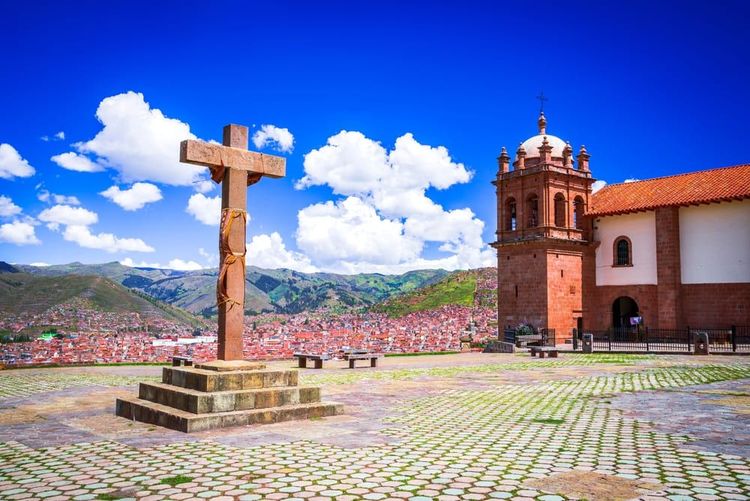
From the viewpoint beside this church, the panorama stretches all the way to snow-capped peaks nearly 6,400 metres high. The building owes its existence to an Inca prince, brother of the last emperors, who chose to side with the Spanish, was baptised in the mid-16th century, and personally funded its construction. Its giant statue of the patron saint joins the Corpus Christi procession every year.
Free entry
Which neighbourhoods does the tour cross?
The loop links four faces of Cusco, from the colonial heart of Plaza de Armas to the lanes climbing towards Sacsayhuamán.
It starts at the cathedral and Plaza de Armas (stops 1 and 2), passes La Merced Church and San Francisco Square, then goes through the Arco de Santa Clara to reach San Pedro Market (stops 3 to 6).
It then joins Avenida El Sol, lined by the Palace of Justice, built on a former Inca royal estate, Qorikancha and the Centro Qosqo de Arte Nativo, before the great mural, Limacpampa square and Santo Domingo Convent (stops 7 to 15).
The last stretch heads back to Santa Catalina Square and the Machu Picchu Museum, passes the Twelve-Angled Stone and climbs to San Blas, the craftspeople's quarter (stops 16 to 20). Along Siete Borreguitos street and the Sapantiana aqueduct, it makes for Sacsayhuamán, which you can visit with a detour, and ends at San Cristóbal Church and its viewpoint (stops 21 and 22).
How much does it cost to visit Cusco?
Of the 22 stops on the route, 14 can be visited free of charge, and the Palace of Justice can only be admired from the street. The other seven charge a fee, two of which are covered by the Boleto Turístico: the Centro Qosqo show and the Sacsayhuamán fortress, reached via a detour.
Sold on site for cash, this pass costs 130 soles for 10 days in its full version, which combines the three circuits of the city and its surroundings; a single circuit costs 70 soles, such as the Sacsayhuamán one (5 days) or the city one (2 days), at the adult rate for foreign visitors. The cathedral and Qorikancha, together with Santo Domingo Convent, each have their own ticket, outside the Boleto, as do La Merced Church and the Machu Picchu Museum.
Information checked in November 2026 and subject to change.
Where to stop for a bite along the tour?
The route runs straight through Cusco's larder: San Pedro market (stop 6), where Peru, voted the world's best culinary destination more than ten times, lays out its full generosity.
From 6:30 am, locals come here for a surtido, a fresh fruit juice, or a caldo de gallina, a hearty chicken broth, before heading, at lunchtime, to whichever stall draws the biggest local crowd. Ceviche, raw fish marinated in lime juice with red onion and chilli, is the national dish, and its juice, leche de tigre, is said to work wonders on a hangover.
The market also hides a section devoted to Andean shamanism, among medicinal plants and amulets, and to wash the meal down, chicha de jora, maize beer fermented the Inca way, is served in chicherías; its alcohol-free cousin, chicha morada, blends purple maize, pineapple peel and a touch of cinnamon and cloves.
What should you know before visiting Cusco?
Cusco sits over 3,400 metres above sea level, which calls for a few precautions, and one stop keeps a rule of its own.
A calm first day, light meals and coca tea help you adjust to soroche, altitude sickness. Avoid tap water for everything, even brushing your teeth; stick to sealed bottles, and be careful with ice cubes and raw vegetables.
Also keep small-denomination notes on hand: shopkeepers struggle to give change for large bills and refuse damaged or torn ones.
The catacombs of San Francisco church and convent (stop 4) cannot be visited; only the cloister is open. As for the weather, the dry season runs from May to October, with nights close to 0°C despite sunny days, while the rainy season, from November to April, brings heavier rainfall in January and February: it is worth checking official travel advice before going at that time of year.
Le plein d'inspirations
Explorez le monde en totale liberté, à pied au cœur des villes ou au fil des routes. Nos guides audios transforment chaque destination en une découverte culturelle immersive et unique.










Vos commentaires, idées et suggestions
Aucun avis pour le moment
