
Walk
Short tour - The City of Seven Hills
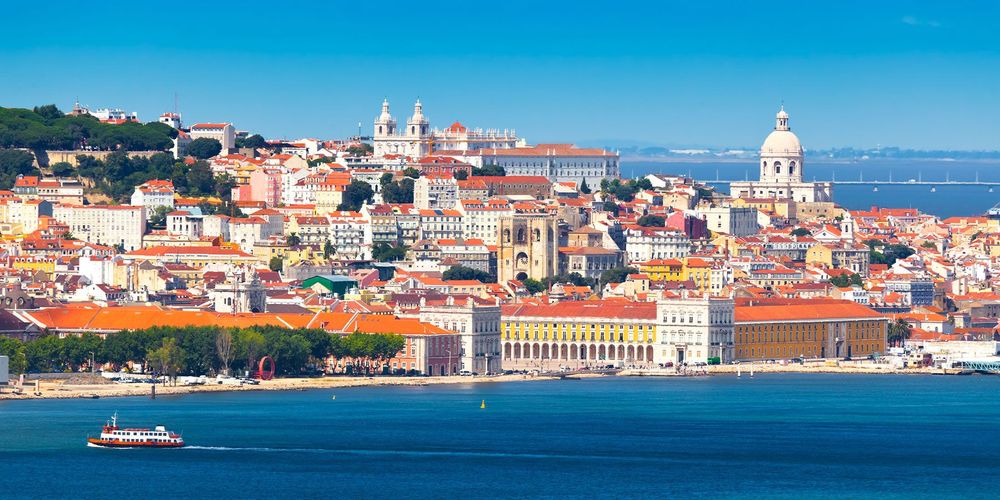
Lisbon, Portugal
Walk
Short tour - The City of Seven Hills
Lisbon, Portugal
Distance
4.3 kmDurée
1h45Audios
21Parcours
Loop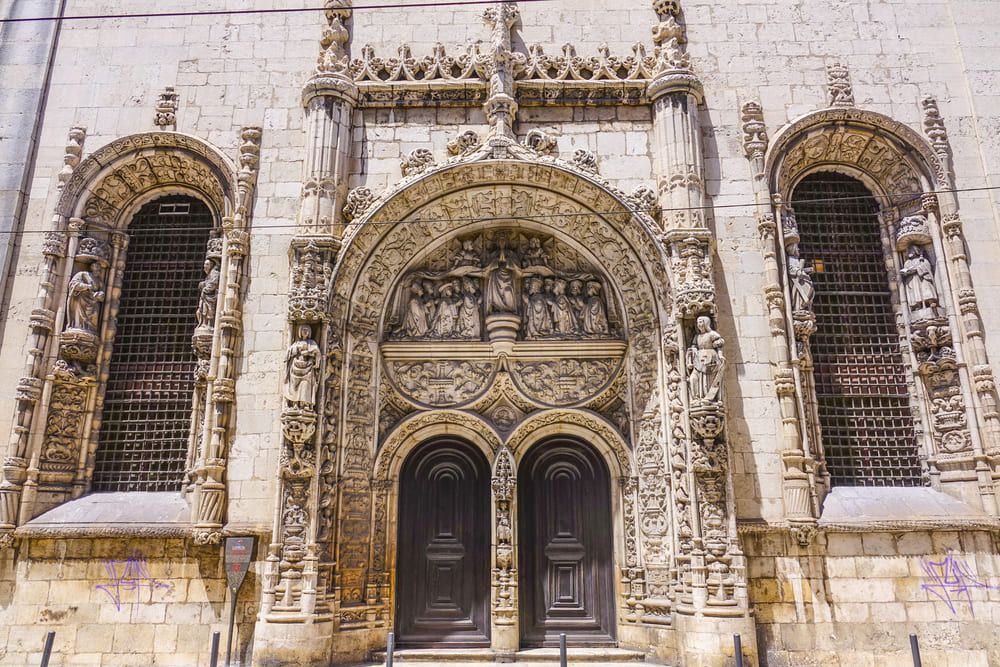
Shutterstock
The Lisbon audio-guided tour invites you to quiet contemplation before the church of da Conceição Velha, remarkable for its incredible Manueline-style façade, an art typically Portuguese that appeared at the end of the fifteenth century under the reign of Manuel I.
Built between the fifteenth and sixteenth centuries, the church belonged to the Misericórdia of Lisbon until 1768, succeeding the church of Our Lady of Mercy that was there before. The earthquake of 1755 destroyed almost the entire building, like most of the buildings of the city; only the Manueline façade resisted. It constitutes today a precious testimony of this Portuguese art that marked the history of the country.
The Manueline façade, finely carved with characteristic motifs, is the jewel of the church and one of the finest examples of this art in Lisbon. Inside, in contemplation, the visitor discovers a building rebuilt after the earthquake. It is a choice stop for those interested in Manueline art and the history of the city.
The church of da Conceição Velha is in the Baixa district, in Lisbon. A place of worship, it can generally be visited during the day, with respect for silence and services, the hours possibly varying according to the season. Its Manueline façade can be contemplated from the street, on the level.
A typically Portuguese art that appeared at the end of the fifteenth century under Manuel I, with exuberant ornaments, of which the façade of the church is a fine example.
Only the Manueline façade resisted the earthquake, which destroyed the rest of the building; it is today its jewel.
Aucun avis pour le moment