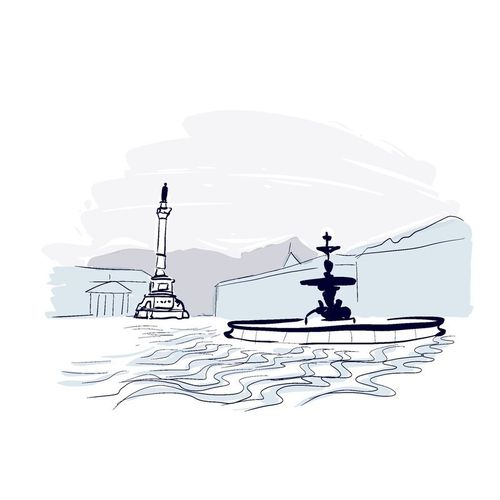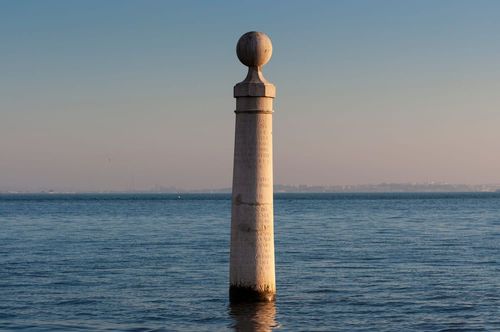
Cais das Colunas
1/25

Créé par Romane, le 20 août 2026
Votre guide Ryo
Lisbon, Portugal
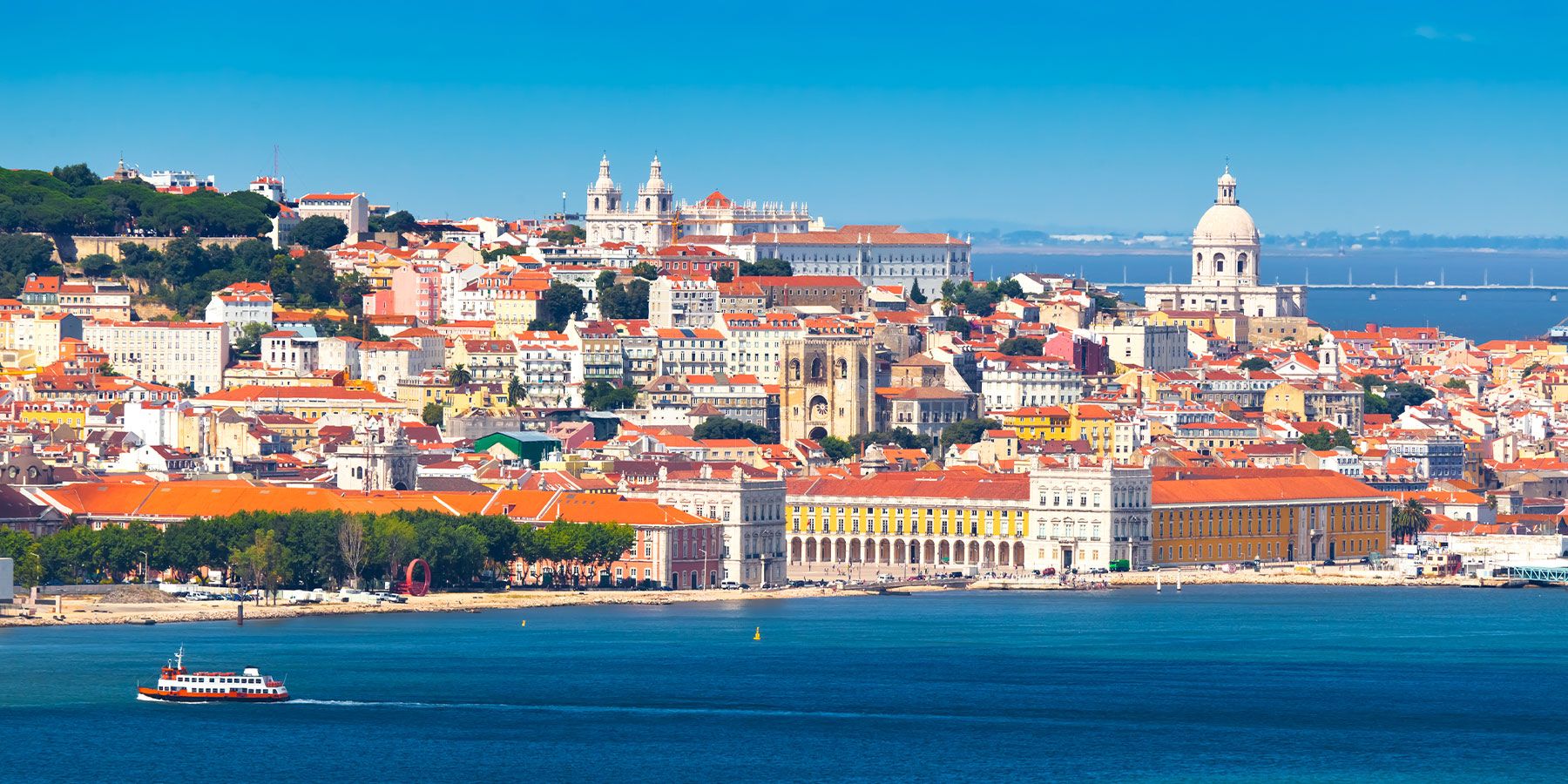
Exploring Lisbon on foot means letting yourself drift along its cobbled streets, pausing at miradouros that open onto sweeping views of the Tagus River, and taking in façades glowing in the city’s signature light. Each neighborhood reveals its own personality—the elegance of Chiado, the deep-rooted charm of Alfama, and the lively spirit of Bairro Alto. Between the iconic yellow trams, the patterned azulejos, and golden sunsets, the city invites you into a gentle, immersive experience, shaped by local flavors and the soulful sound of fado.
Cais das Colunas
1/25
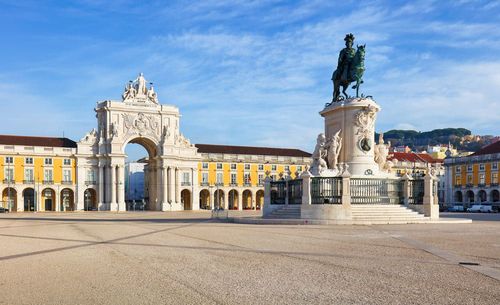
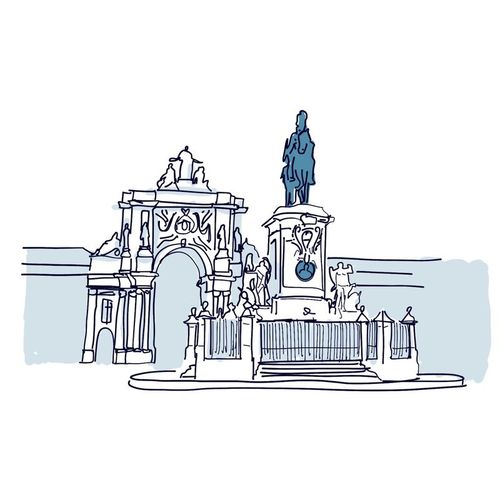
Commerce Plaza
2/25
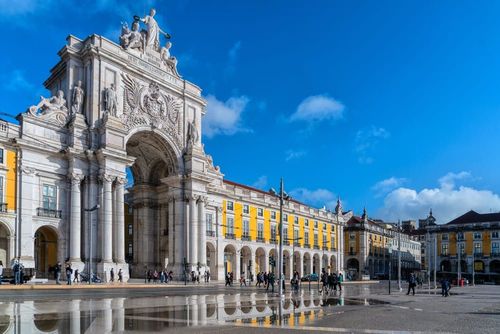
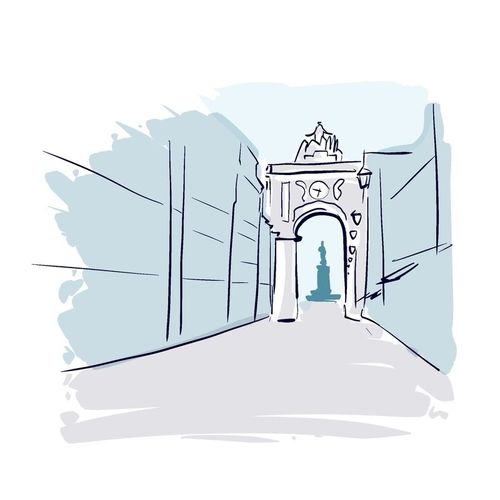
Rua Augusta Arch
3/25

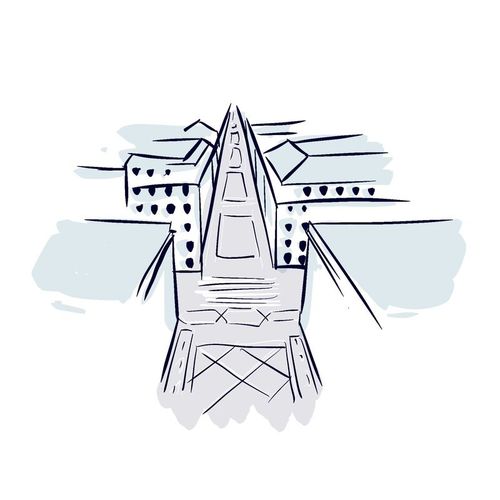
Augusta Street
4/25
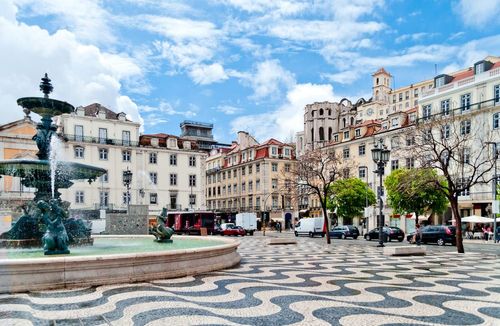
Baixa district
5/25
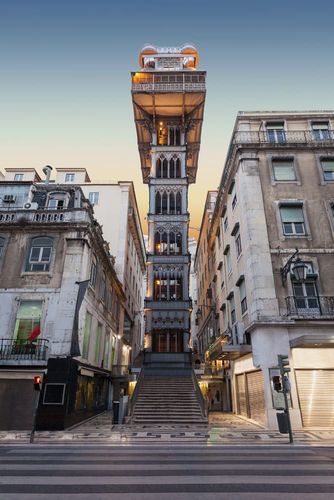
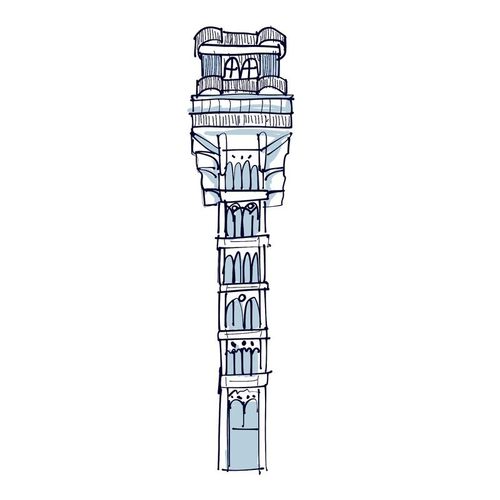
Santa Justa Lift
6/25
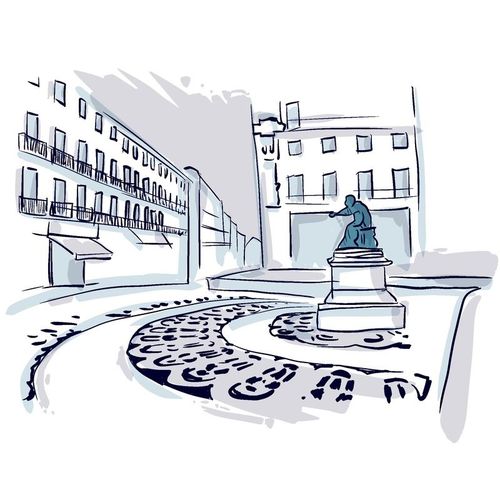
Chiado district
7/25
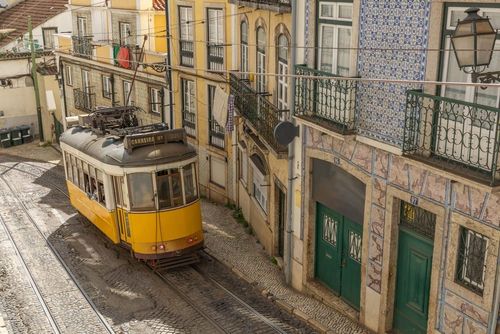
Bairro Alto
8/25
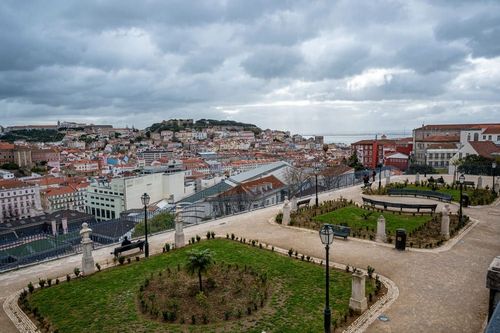
São Pedro de Alcântara Viewpoint
9/25
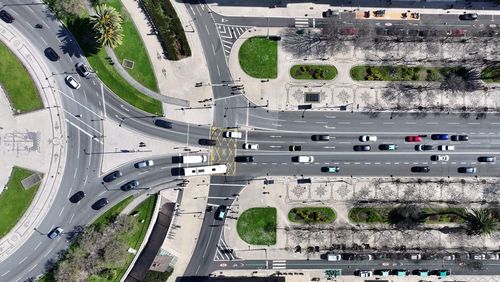
Liberty Avenue
10/25
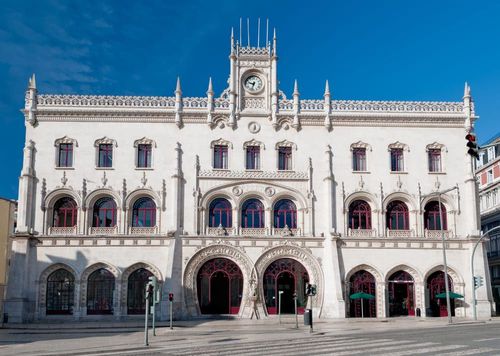
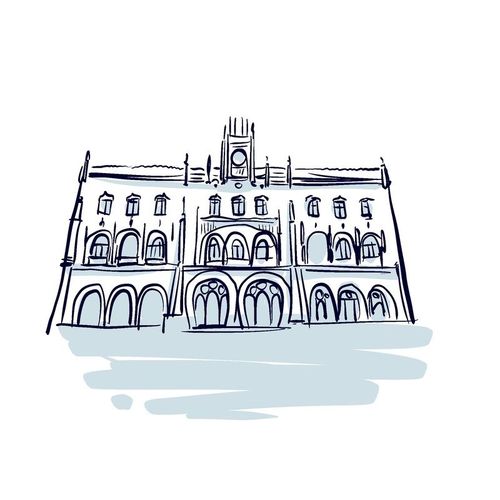
Rossio Railway Station
11/25

Queen Maria II National Theatre
12/25

King Pedro IV Square
13/25
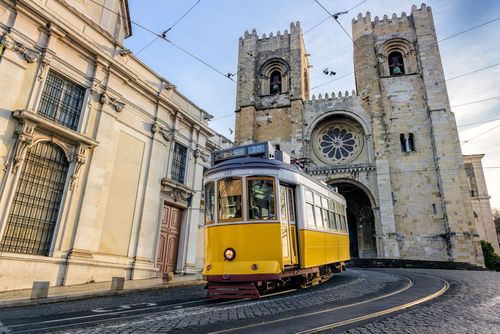
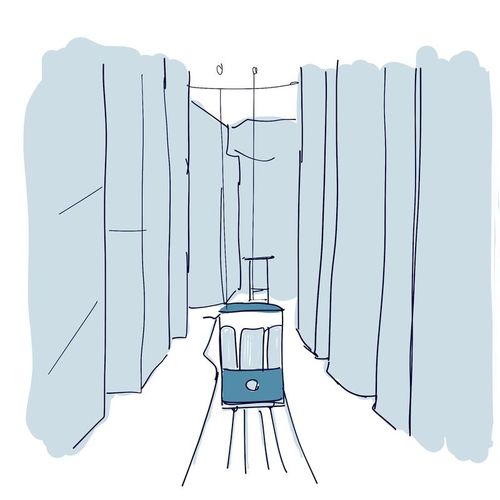
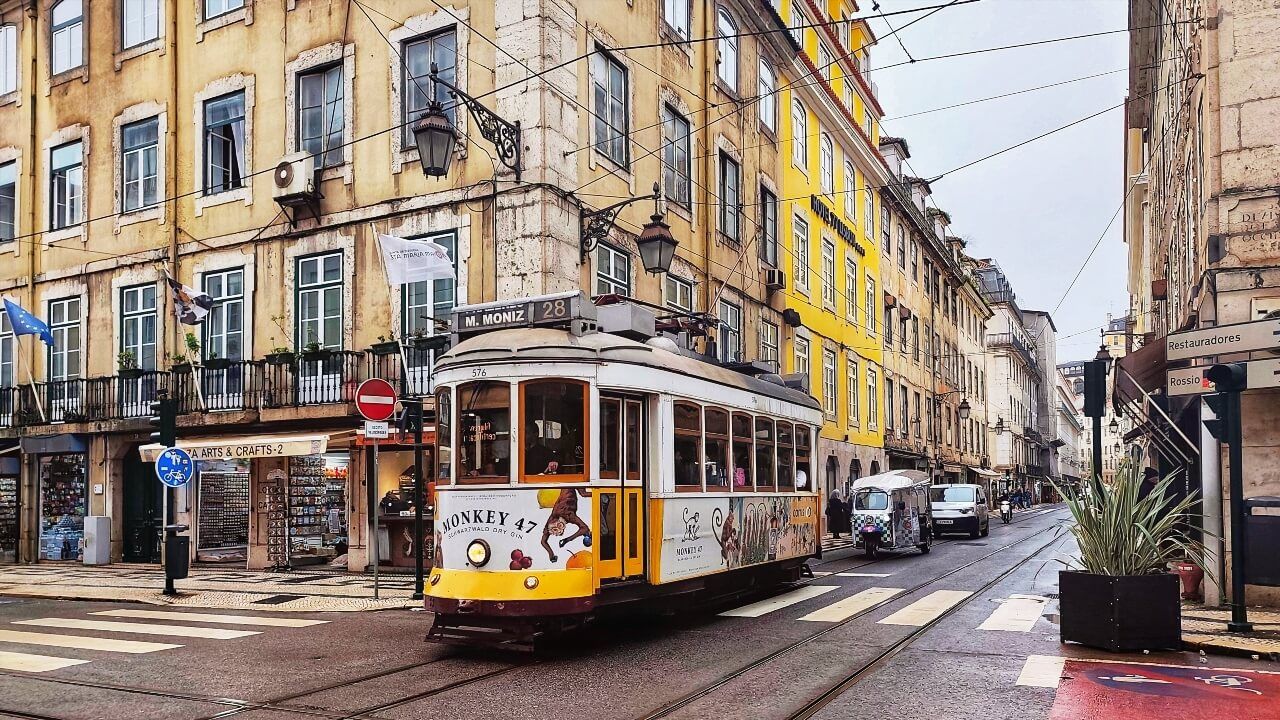
Tramway no. 28
14/25

Graça Viewpoint
15/25
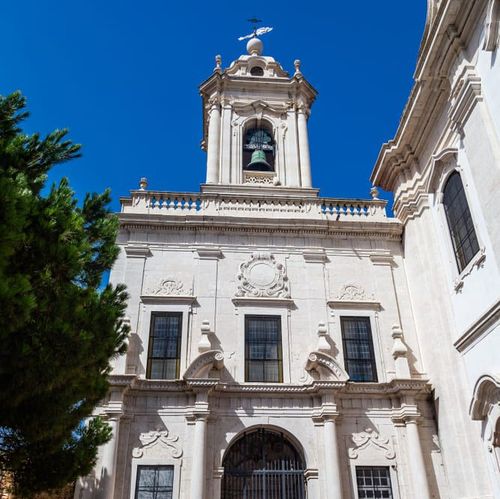
Graça Convent
16/25

Church of São Vicente de Fora
17/25
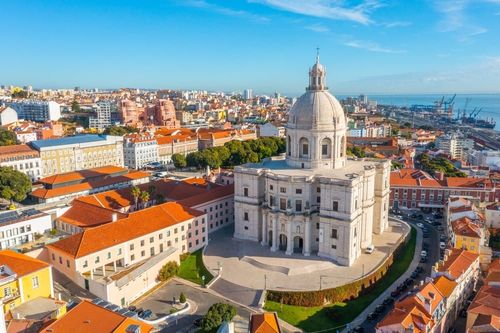
Pantheon
18/25
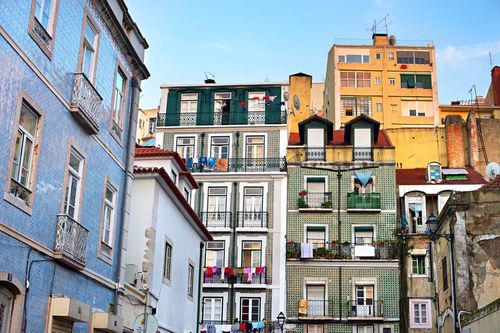
Alfama district
19/25

Portas do Sol Viewpoint
20/25
Santa Luzia Viewpoint
21/25

Advice
22/25
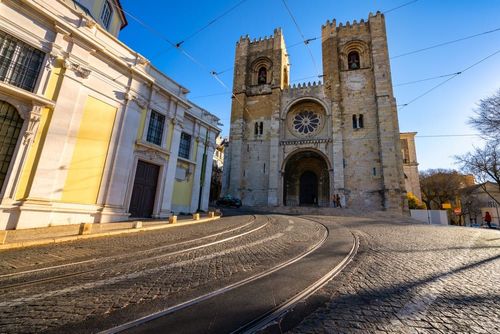
Lisbon Cathedral
23/25
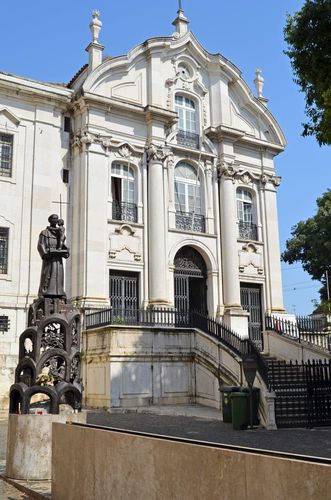
Church of Saint Anthony of Lisbon
24/25
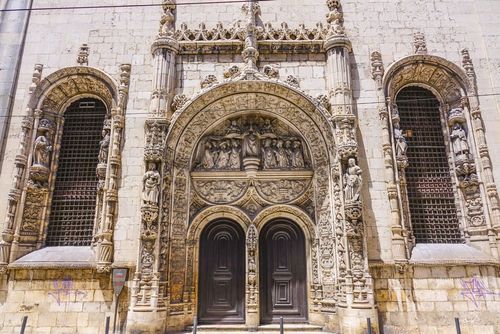
Church of Nossa Senhora da Conceição Velha
25/25
Jan.
12°
Feb.
13°
March
16°
April
18°
May
21°
June
24°
July
27°
Aug.
27°
Sept.
26°
Oct.
22°
Nov.
17°
Dec.
14°
You can visit Lisbon in any season! In winter and summer alike, the weather in the Portuguese capital is mild and sunny. In January and December, daytime temperatures hover around 15°C. August is the hottest month, with temperatures reaching up to almost 30°C. Just remember to take a sweater with you, as it can be chilly in the evenings, even in summer!
No need to worry about where to begin! Our tours are designed as a loop, so you can jump in wherever you are. The navigation system and audio-guide will automatically adjust to your location. However, if you happen to be nearby, we do have a preferred starting point: Commerce Plaza
Campo das Cebolas Parking: Rua da Alfândega Parking in Lisbon can be quite a challenge. Streets are narrow, and parking spaces are sometimes reserved for residents, town hall staff or other types of vehicles. You can only park for a maximum of 2 hours in the red zone and 4 hours in the yellow and green zones. The wisest thing to do in a city like Lisbon is either to park in a paid parking lot, or to leave your car outside the city center and take public transport. Alternatively, you can book a parking lot online ahead of time to save yourself the hassle and maybe even a few bucks.
On this tour, we'll be passing by the Triumphal Arch on the Commerce Plaza. You can climb to the top for stunning views of Lisbon, but keep in mind there's an entrance fee and specific opening hours. We'll also be passing by the Pantheon, so be sure to book your ticket in advance if you'd like to visit it! If you're planning to visit several monuments in the city, consider getting a City Pass ahead of time. It gives you skip-the-line privileges and is often more cost-effective.
Explorez le monde en totale liberté, à pied au cœur des villes ou au fil des routes. Nos guides audios transforment chaque destination en une découverte culturelle immersive et unique.
Lisbon is pleasant to visit all year round thanks to its mild, sunny climate. Spring and autumn are particularly popular for their ideal temperatures and exceptional light. Summer remains very enjoyable, with temperatures that can approach thirty degrees, perfect for making the most of the terraces and the miradouros. Winter is mild, with temperatures around fifteen degrees, ideal for exploring the city without the summer crowds. Always pack a light sweater, as the evenings can be cool, even in summer. Each season offers its own unique charm for discovering the cobbled alleyways and the authentic atmosphere of the Portuguese capital.
Three to four days are an ideal length of time to discover the essentials of Lisbon without rushing. This gives you time to explore the iconic neighbourhoods such as Alfama, Belém and Bairro Alto, to savour the local cuisine and to enjoy the many miradouros. If you have more time, five to six days will let you deepen your discovery and include excursions to Sintra or Cascais. For a first stay, focus on the historic heart and the must-sees. The Ryo audioguide accompanies you with optimised routes that cover the major sites while revealing the secrets of each neighbourhood, tailored to the length of your stay.
Lisbon offers a varied and efficient transport network. The famous yellow trams, notably the legendary number twenty-eight, are perfect for discovering the city while enjoying the local charm. The modern metro serves the main neighbourhoods and remains the fastest for long distances. The historic funiculars help you climb the iconic hills. Walking, however, remains the best way to soak up the Lisbon atmosphere, despite the slopes. Remember to buy the rechargeable card, which works on all public transport. Taxis and ride-hailing services are also plentiful and generally affordable to round out your journeys, especially in the evening.
The choice of neighbourhood depends on your priorities and your travel style. Chiado and Baixa are perfect for a first stay, central and well connected, with shops and restaurants nearby. Alfama charms with its authenticity and its picturesque alleyways, ideal for a total immersion. Bairro Alto suits night owls with its lively bars and its festive atmosphere. Príncipe Real offers an elegant and quieter setting, appreciated by families. Belém, further out, will appeal to lovers of history and monuments. Each neighbourhood has its own unique character, and all of them make it easy to reach the other areas of the city thanks to public transport.
Lisbon's airport is ideally located just a few kilometres from the city centre. The metro remains the most convenient and economical option, with the red line taking you directly to the centre in about twenty minutes. The public buses offer an even more economical alternative, with several lines serving different neighbourhoods. Taxis and ride-hailing services are available at all times in front of the terminals; allow generally between fifteen and thirty minutes depending on your destination and the traffic. For more comfort, private shuttles and transfer services can be booked in advance. The journey is short and simple, letting you quickly begin your discovery of the Portuguese capital.
Lisbon proves very welcoming for families, with many activities suited to children. The Oceanarium, one of the largest in Europe, fascinates young and old alike with its impressive aquariums. Tram rides, notably the famous number twenty-eight, turn getting around into an adventure. The Belém district offers several family attractions, such as the Monument to the Discoveries and its gardens. The many parks and gardens offer welcome spaces for play and relaxation. The Ryo audioguide offers routes specially designed to capture the attention of the youngest, with amusing anecdotes and observation challenges that turn the visit into an urban treasure hunt, making the discovery fun and interactive.
Skip-the-line tickets prove particularly useful in high season for the most popular sites, such as the Belém Tower or the Jerónimos Monastery, which draw large numbers of visitors. In the off-season or outside weekends, the queues generally remain reasonable. Some monuments offer online booking slots that let you avoid the wait at no extra cost. Plan your visits early in the morning or in the late afternoon to enjoy smaller crowds. For the lesser-known but equally interesting sites, tickets bought on site are more than enough. Assess, based on your itinerary and the time of your stay, whether investing in skip-the-line tickets is justified to optimise your visiting time.
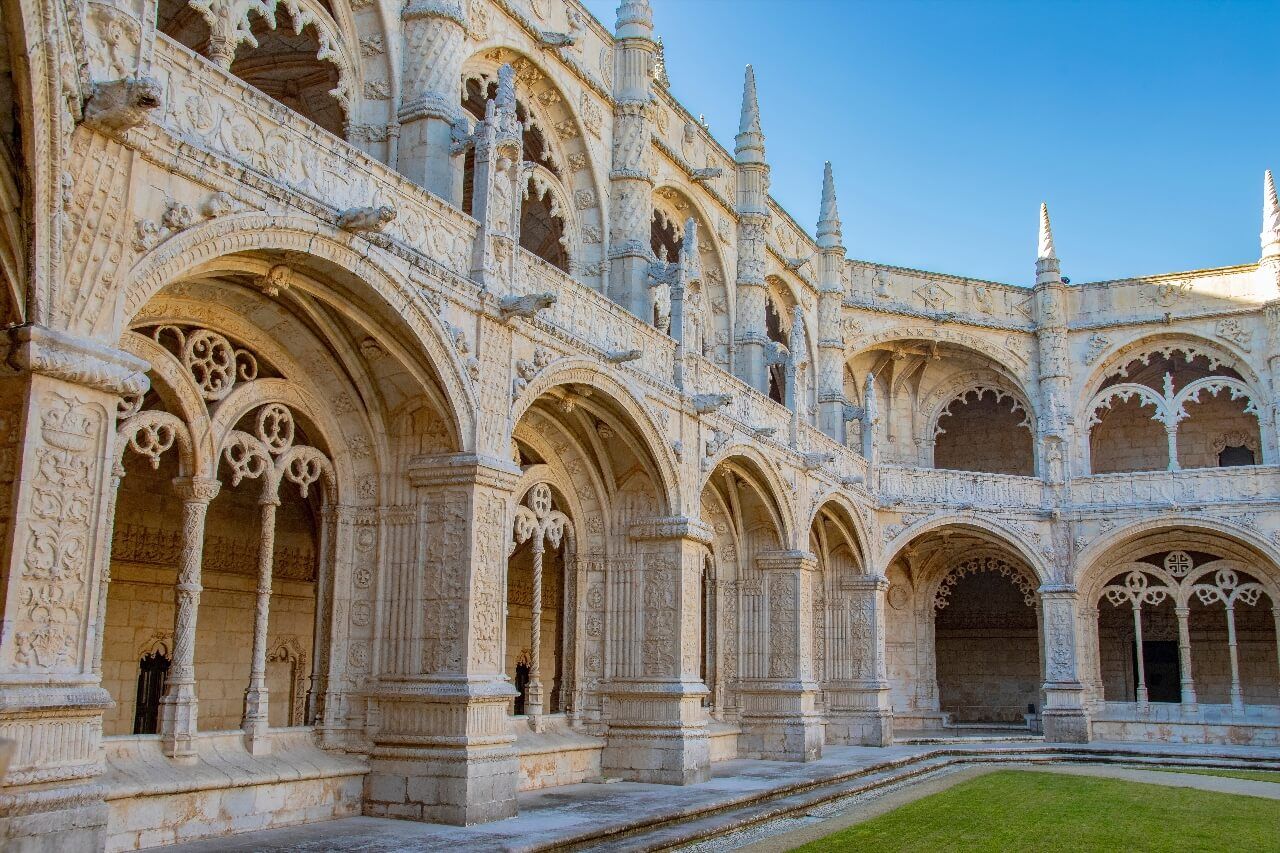
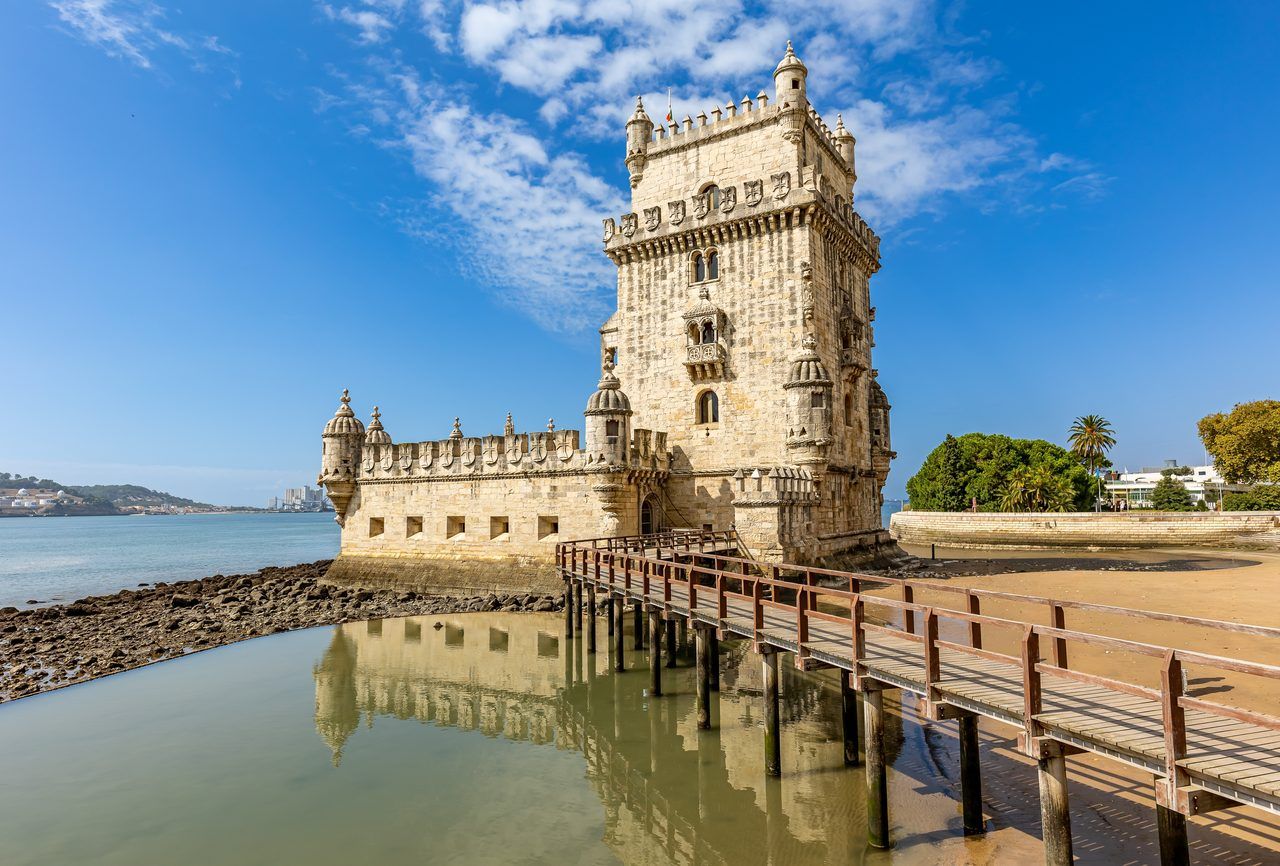
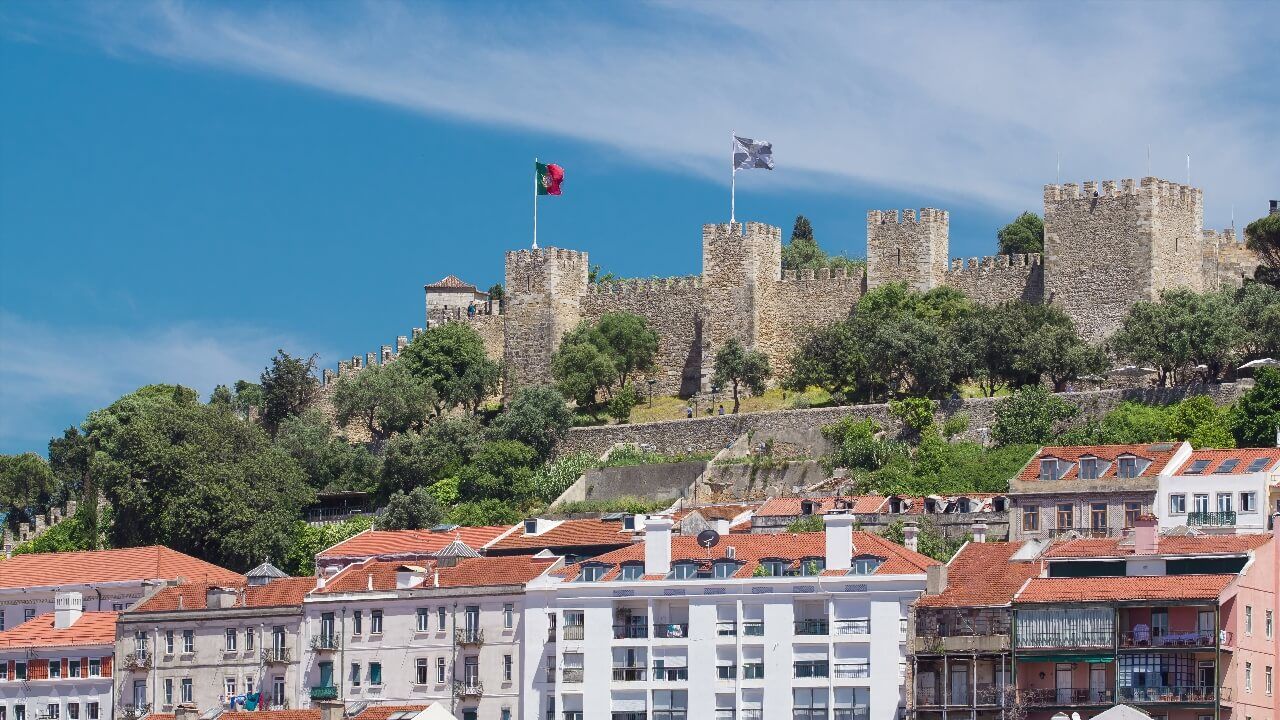
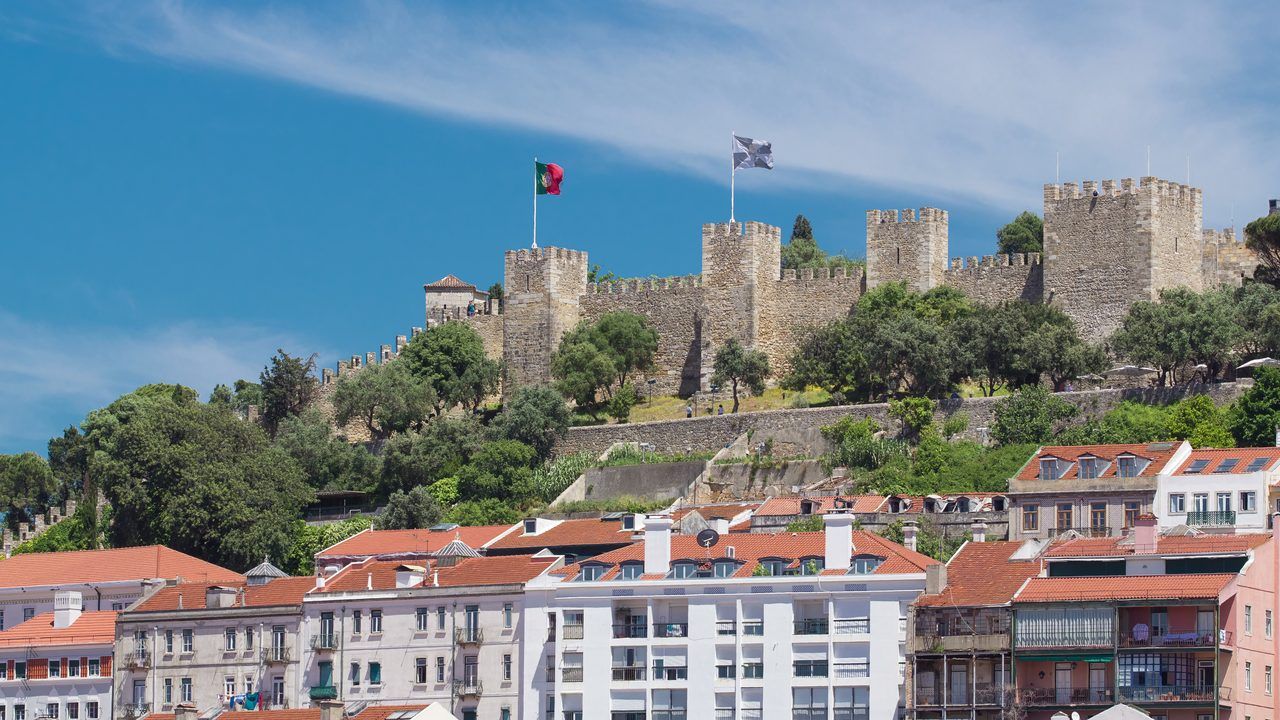
The Alfama district, a maze of lanes clinging to the hillside, leads up to Saint George's Castle and its ramparts, from which the city unfolds all the way to the Tagus. Below, the Baixa lays out the grid of streets drawn after the 1755 earthquake, ending at the vast Praça do Comércio, open to the river. To the west, Belém brings together the Belém Tower and the Jerónimos Monastery, two masterpieces of the Manueline style. Add a ride on a historic tram, a stroll through Chiado and its bookshops, and a pause at a viewpoint. The Ryo audio guide offers a route dedicated to Lisbon that links these highlights and tells their story.
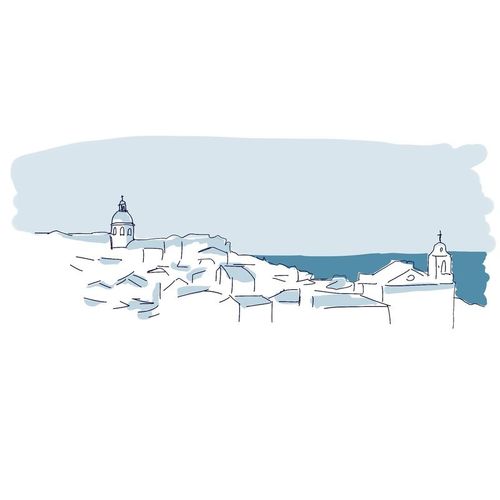
Built on a series of hills, Lisbon is full of panoramic terraces that locals call miradouros. The highest, Senhora do Monte, takes in the whole city, from the castle to the rooftops of Alfama, with the bridge in the distance. Graça, just below, is livelier, with a kiosk in the shade of the pines. Santa Luzia and Portas do Sol overlook the tiled roofs sloping down to the river, while São Pedro de Alcântara, linked to the Baixa by a funicular, faces the castle from the other side of the valley. The late-afternoon light is especially beautiful there, though the crowds grow as the sun goes down.
The pastel de nata, a small custard tart in flaky pastry served warm and dusted with cinnamon, remains the city's sweet symbol: the historic version is eaten in Belém, but every neighbourhood bakery defends its own. On the savoury side, salt cod appears in countless guises, as fritters, shredded with eggs or baked with cream, and grilled sardines scent the streets during the June festivities. Small counters also serve bifanas, marinated pork sandwiches, and croquettes to go with a chilled glass of vinho verde. Finish with a ginjinha, a sour-cherry liqueur served in tiny glasses and enjoyed standing on the pavement.
Aucun avis pour le moment