





Walk
Short tour - The City of Seven Hills
Lisbon, Portugal
Walk
Short tour - The City of Seven Hills
Lisbon, Portugal
Distance
4.3 kmDurée
1h45Audios
21Parcours
Loop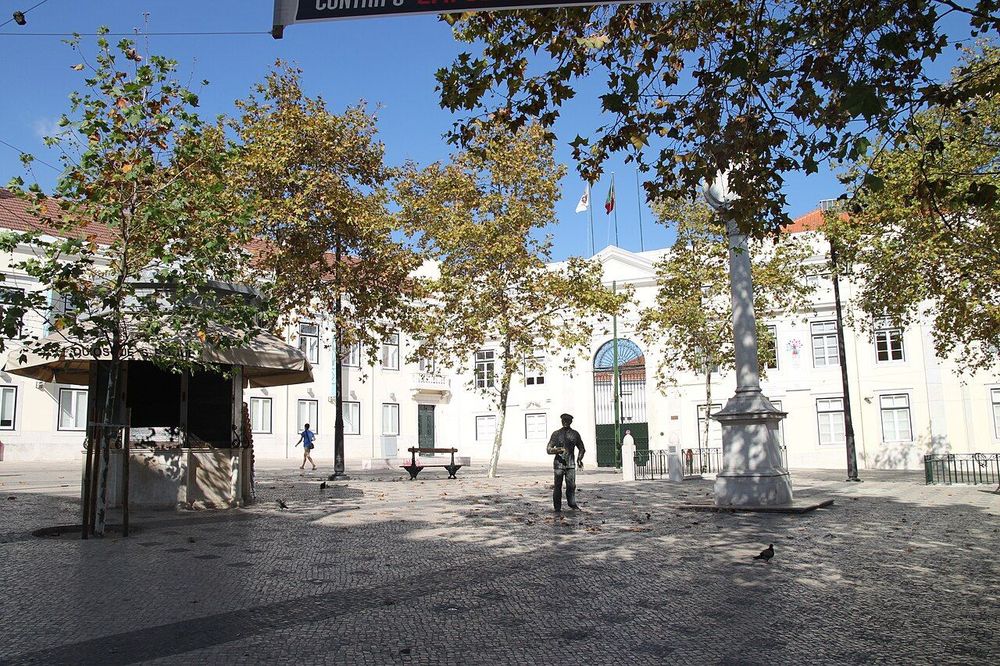
This little square could almost go unnoticed... and yet, it holds several centuries of Lisbon's history within its walls. It all began in the early 16th century, when an outbreak of plague struck the city. A cemetery was established here, outside the city walls, and a small chapel dedicated to Saint Roch, the patron saint of protection against the plague, was built nearby. The site soon became a place of pilgrimage. A few decades later, the Jesuits settled here and built the present-day Church of São Roque, inaugurated in 1573. It was one of the first Jesuit churches in the world. From the outside, it looks rather plain... but don't be fooled by appearances! The interior is extraordinarily rich in decoration. Its greatest treasure is the Chapel of Saint John the Baptist, commissioned by King João V in the 18th century. Built in Rome using lapis lazuli, marble, amethyst, porphyry and gilded bronze, it is said to have been one of the most expensive chapels in Europe at the time. The square itself was renamed Largo Trindade Coelho in 1913, in honour of the Portuguese writer, journalist and republican of the same name. Head towards the centre to see the statue of the cauteleiro, a traditional street vendor who sold lottery tickets around central Lisbon. A symbol of local popular culture, this once-familiar profession is immortalised in a statue that passers-by are said to rub for good luck. It has become so popular that locals sometimes still call the square Largo do Cauteleiro. So, between the plague, the Jesuits, sacred art and the national lottery, this little square certainly has far more stories to tell than you might expect!
Aucun avis pour le moment
