






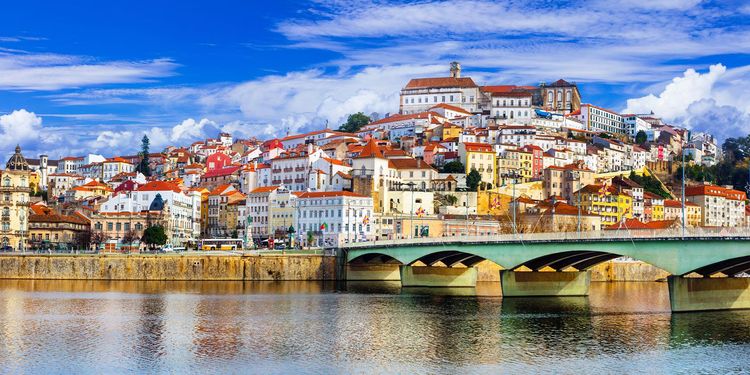
Walk
Where Wisdom Keeps You Young
Coimbra, Portugal
Walk
Where Wisdom Keeps You Young
Coimbra, Portugal
6 km
Distance
2h25
Durée
26
Audios
Loop
Parcours
Shutterstock
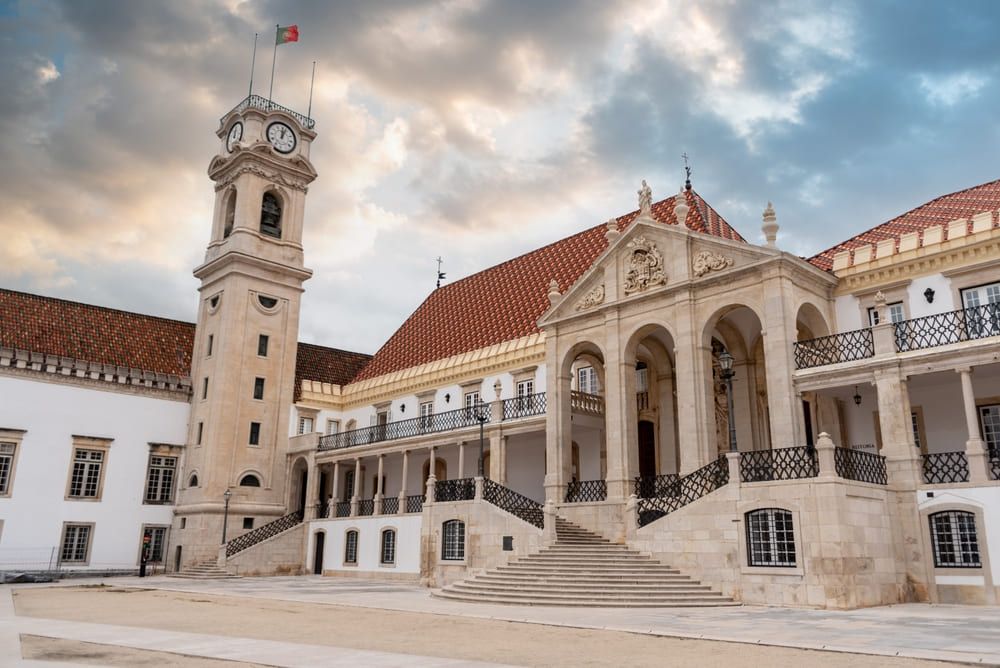
The University of Coimbra is one of the oldest of Europe and the heart of the town, listed as world heritage. The Coimbra audio-guided tour stops here to evoke this high place of knowledge, which embodies seven centuries of Portuguese history and culture.
Whoever visits Coimbra cannot miss a stop at the university, this very special place that makes the soul of the town. A living testimony of what Portugal has best to offer in matters of science, arts and culture, the University of Coimbra embodies on its own seven centuries of Portuguese history. Founded in 1290, it is one of the oldest universities of the world still in activity. Although Coimbra lost its status of capital of the country to Lisbon, it had the merit of recovering this prestigious institution, which made its fame. Perched on the hill of the Alta, the university is organised around a majestic courtyard and shelters treasures, including the sumptuous Joanina Library, a baroque jewel, the chapel and the tower. Listed as UNESCO world heritage, the University of Coimbra is a must-see stop and the symbol of the town.
You admire one of the oldest universities of the world, founded in 1290, which embodies seven centuries of Portuguese history, perched on the hill of the Alta around its majestic courtyard, with its treasures including the sumptuous Joanina Library, a baroque jewel, the chapel and the tower, listed as UNESCO world heritage. The university is the symbol of Coimbra. It is a major stop, to be explored on foot.
The University of Coimbra lies on the hill of the Alta, which dominates the town, reachable on foot by climbs. The visit of the courtyard, the Joanina Library and the historic halls follows its own hours and conditions, which vary, and can be very busy. It is best to check the arrangements before coming.
In 1290, which makes it one of the oldest universities of the world still in activity; it embodies seven centuries of Portuguese history, shelters the sumptuous Joanina Library and is listed as UNESCO world heritage.
On the hill of the Alta, which dominates the town of Coimbra, in Portugal.
Aucun avis pour le moment
