


Créé par Emilie, le 4 oct. 2026
Votre guide Ryo
Coimbra, Portugal
Where Wisdom Keeps You Young
Parcours audioguidé pour visiter Coimbra en 1 jour
This tour of Coimbra’s historic center invites you to climb the hills of a city steeped in wisdom, featuring sumptuous Baroque libraries, Romanesque cathedrals, and medieval lanes where student Fado echoes. Throughout the route, discover the heritage of one of the world’s oldest universities, the elegance of its monasteries, and the landmarks where the first kings of Portugal were born. A simple and immersive way to explore the scholarly and soulful heart of Coimbra at your own pace.
Quand partir à Coimbra ?
Jan.
10°
12
Feb.
11°
11
March
13°
10
April
15°
11
May
17°
9
June
21°
5
July
23°
2
Aug.
23°
2
Sept.
21°
6
Oct.
17°
11
Nov.
13°
12
Dec.
11°
13
Throughout the year, Coimbra enjoys a mild warm-temperate climate, with average temperatures hovering around 14°C. January and February are typically the coldest months, with lows around 6°C. In contrast, the warmest period spans from June to September, with highs reaching 28°C or more. As for rain, the wettest months tend to be January, February, and the period from October to December. So, if you're aiming to make the most of your visit with pleasant weather, the best time to come is between June and September.
Départ conseillé
No need to worry about where to begin! Our tours are designed as a loop, so you can jump in wherever you are. The navigation system and audioguide will automatically adjust to your location. However, if you happen to be nearby, we do have a preferred starting point: At the Entrance of Santa Clara Bridge, on the Avenida de Conimbriga Side
Parking à proximité
Parking Convent San Francisco - 3 Avenida da Guarda Inglesa
À savoir
During your visit, you’ll be heading to the following sites: – Jardim Botânico – Porta Férrea – Mosteiro de Santa Clara-a-Nova To avoid any last-minute surprises, please note that these places have set opening and closing hours. So make sure to check the schedule before getting started with your visit.
If they happen to be closed when you arrive, you’ll need to take the following alternative routes to get back on track with the itinerary. To reach the Jardim Botânico: take Rua do Arco da Traição. To reach the Porta Férrea: go via Rua de São Pedro → Rua José Falcão → then take the stairs on Rua Doutor Guilherme Moreira. To reach the Mosteiro de Santa Clara-a-Nova: follow Calçada de Santa Isabel → Avenida João das Regras.
Découvrez 26 lieux d'intérêt pour visiter Coimbra


















Le plein d'inspirations
Explorez le monde en totale liberté, à pied au cœur des villes ou au fil des routes. Nos guides audios transforment chaque destination en une découverte culturelle immersive et unique.








FAQ for visiting Coimbra
When is the best time to visit Coimbra?
The ideal time to visit Coimbra runs from June to September, when temperatures are at their most pleasant, hovering around 28°C. During these sunny months, you'll make the most of your walks through the steep lanes of the historic centre without fear of rain. Spring is also a lovely season, with mild temperatures and blossoms that beautify the city's gardens. If possible, avoid the winter months, particularly January and February when temperatures drop to around 6°C and rain is more frequent. Autumn can be rainy but offers a melancholy atmosphere that fits perfectly with student fado.
How many days do you need to visit Coimbra?
Two full days are generally enough to discover the essentials of Coimbra and soak up its unique university atmosphere. One day will allow you to explore the historic centre, visit the prestigious university with its Baroque library and wander through the medieval lanes. On the second day, you can discover the monasteries, the churches and perhaps attend a traditional fado performance in the evening. If you have three days, you'll have time to deepen your visit and discover less touristy neighbourhoods or take an excursion to the surrounding area. A one-day stay remains possible but will force you to make choices among the many sites of interest.
How do you get to Coimbra from Lisbon or Porto?
The train remains the most convenient and economical way to reach Coimbra from the two major Portuguese cities. From Lisbon, allow about two hours' journey with the Intercidades trains that leave regularly from Santa Apolónia station. From Porto, the journey takes approximately one hour with frequent departures from São Bento or Campanhã station. Buses are an interesting alternative, often cheaper but slightly longer. If you prefer to drive, the A1 motorway easily links the three cities, but bear in mind that parking in Coimbra's historic centre can prove complicated. Prices and timetables vary depending on the season and the type of service chosen.
What must you see in Coimbra?
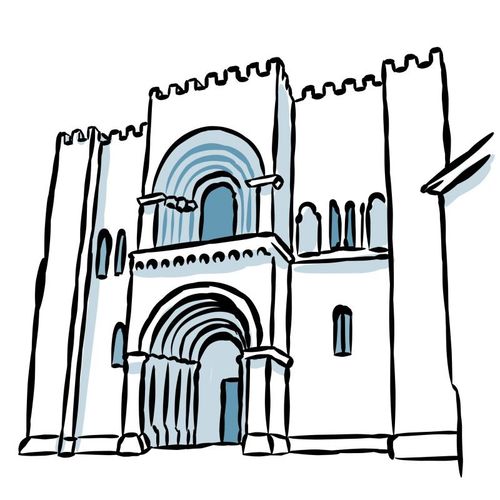
The historic university sits at the top of your list with its Joanine Library, a Baroque jewel that will amaze you with its decorative richness. The Romanesque cathedral Sé Velha deserves your attention for its imposing architecture and its peaceful cloister. Don't miss the Santa Clara-a-Nova monastery, which offers a panoramic view over the city. The medieval lanes of the historic centre will charm you with their colourful houses and winding stairways. The botanical garden makes for a welcome green interlude. For a complete and narrated discovery of these wonders, the Ryo audioguide accompanies you along an itinerary designed to miss nothing of the essence of Coimbra, enriched with historical and cultural anecdotes.
How do you visit the University of Coimbra?
Visiting the university generally requires the purchase of a ticket that gives access to the various spaces open to the public. The Joanine Library, the centrepiece of the visit, often requires a prior reservation in high season. Allow about two hours to discover the entire university complex, including the São Miguel chapel, the Hall of Acts and the academic prison. Visits are generally possible every day, but times vary according to the time of year and academic events. Preferably arrive in the morning to avoid large groups. Appropriate dress is required and photos may be restricted in certain spaces. An on-site audioguide will help you understand the fascinating history of this centuries-old institution.
Is Coimbra a safe city?
Coimbra enjoys an excellent reputation for safety, and you can stroll around it with peace of mind both day and night. The large presence of students contributes to a lively but peaceful atmosphere. As in any tourist city, stay vigilant in very busy areas where pickpockets may operate, particularly around the university and on public transport. The residential neighbourhoods and the historic centre are generally very quiet. The police are present and the locals are welcoming towards visitors. Simply avoid leaving valuables visible in your car and keep your personal belongings in sight in cafés and restaurants. The emergency services respond efficiently and many professionals speak English.
What are the culinary specialities of Coimbra?
The cuisine of Coimbra will win you over with its generous and flavourful traditional dishes. Chanfana, a goat stew simmered in red wine and cooked in an earthenware pot, is the region's emblematic dish. The pastéis de Santa Clara, delicious pastries filled with almonds and egg yolks, will delight lovers of sweet treats. The leitão da Bairrada, roast suckling pig with crispy skin, is enjoyed in the nearby surroundings. The arrufadas, soft fragrant brioches, pair perfectly with breakfast. Don't forget to taste the wines of the Dão region, which marry admirably with these specialities. The traditional restaurants of the town centre will let you discover these delights in an authentic atmosphere.
Where can you park in Coimbra?
Parking in the historic centre of Coimbra is a real challenge because of the narrow, steep streets. Opt for the public car parks located on the outskirts of the centre, generally well signposted and more affordable. The municipal market car park offers a good option with easy access to the town centre. Near the station, you'll also find convenient parking spaces. Blue zones allow time-limited parking for a fee. Absolutely avoid venturing by car into the upper town near the university, where traffic is very restricted. Many hotels offer their own parking, so ask when making your reservation. Walking remains the best way to explore Coimbra once your vehicle is safely parked.
What sets the fado of Coimbra apart?
Coimbra's fado was born in the student world of the university and is traditionally sung by men wearing the long black academic cape. More restrained and lower in register than the Lisbon style, it speaks of academic life, friendship and courtly love, carried by a Portuguese guitar with a slightly darker tone.
You do not applaud it: the audience shows approval by coughing discreetly, a custom inherited from university ceremonies. Fado houses in the centre put on commented performances every evening, in Portuguese and English, and serenades are sometimes sung in the open air, notably on the steps of the old cathedral, during the great student festivities of spring.
What is worth seeing in Coimbra's lower town?
Often crossed at a rush on the way up to the university, the Baixa deserves a slower look. Around Praça do Comércio and rua Ferreira Borges, shops occupy old buildings that have kept their azulejos and period shopfronts, and the church of Santa Cruz, where the first kings of Portugal are buried, opens right next door onto a lively square.
Carrying on towards the Mondego, you reach the Parque Verde and its riverbanks, from where the gaze climbs back up to the upper town. The Ryo audio guide offers a dedicated Coimbra route linking the lower town to the medieval stairways and arches that lead to the university, an easy way to understand how the city's two levels answer each other.
Vos commentaires, idées et suggestions
Aucun avis pour le moment