
Créé par Emilie, le 4 oct. 2026
Votre guide Ryo
Porto, Portugal
A Vintage Soul on the Douro
Parcours audioguidé pour visiter Porto en 1 jour
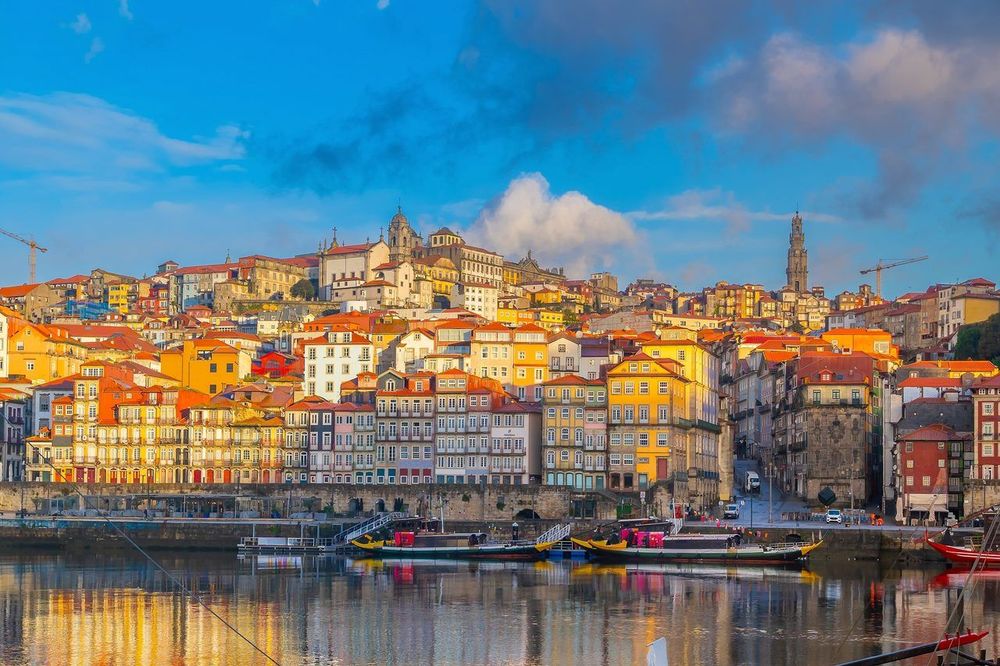
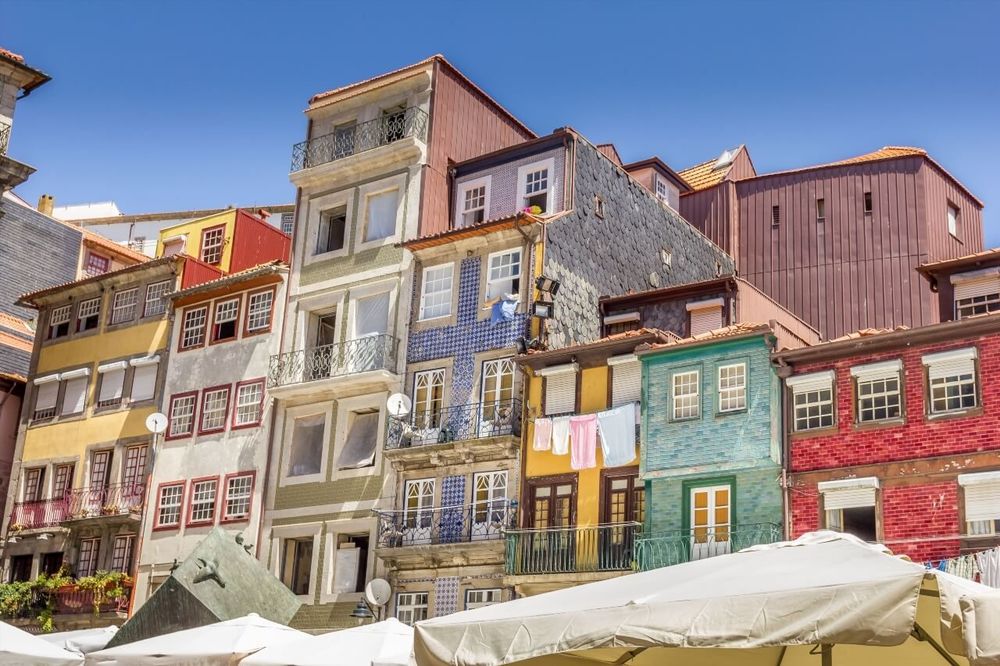
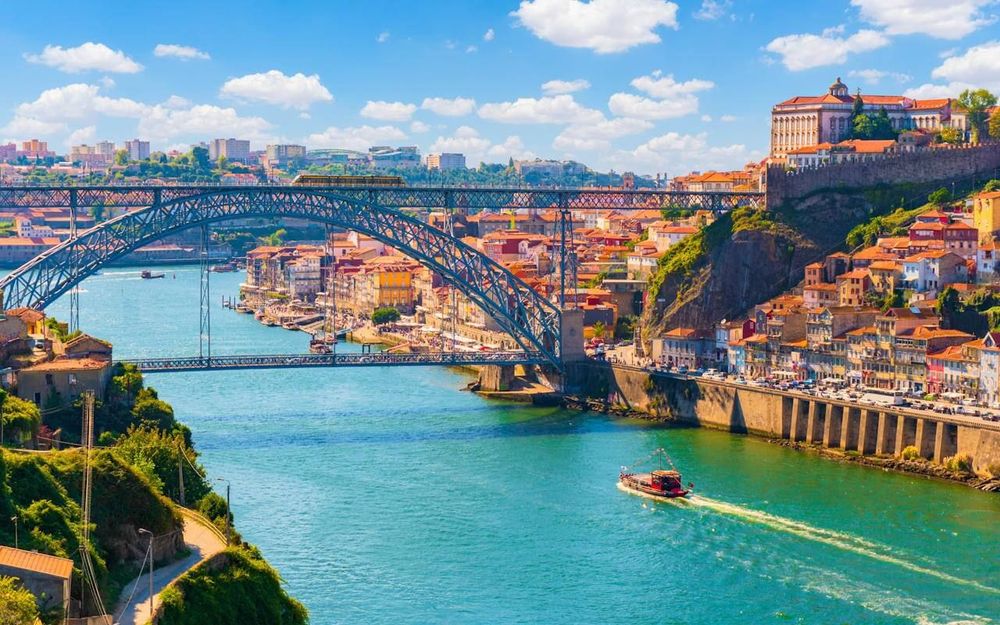
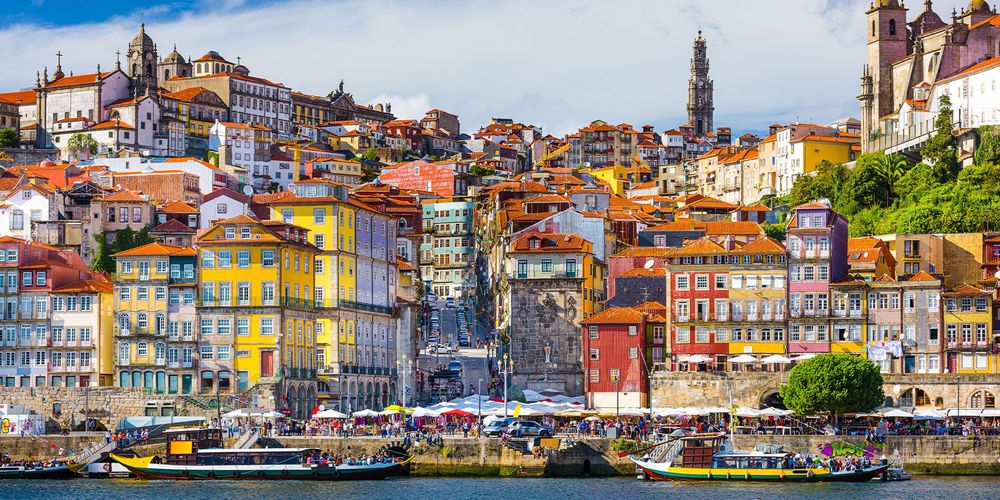
Exploring Porto on foot means letting yourself be carried away by a vibrant city where steep alleyways descend towards the Douro River and its lively quays. Between colorful houses, historic azulejos tiles, and spectacular views of the river, each stroll reveals an authentic and welcoming atmosphere. Port wine cellars, sun-drenched terraces, and a convivial ambiance make every walk a truly memorable experience.
Quand partir à Porto ?
Jan.
14°
13
Feb.
15°
11
March
17°
10
April
19°
11
May
21°
9
June
24°
6
July
27°
3
Aug.
27°
3
Sept.
26°
6
Oct.
23°
10
Nov.
18°
12
Dec.
15°
13
Throughout the year, the average temperature varies around 16°C/61°F due to the city's mild weather. From January to February, coldest temperatures drop to 10°C/50°F. On the contrary, hottest temperatures elevate at 26°C/80°F from July to August. The months with the most rain go from January to February, and October to December. The best time to visit is from June to September, but expect a bit of rain from time to time.
Départ conseillé
No need to worry about where to begin! Our tours are designed as a loop, so you can jump in wherever you are. The navigation system and audio-guide will automatically adjust to your location. However, if you happen to be nearby, we do have a preferred starting point: in front of São Bento railway station.
Parking à proximité
Parking São Bento Station : 32 Rua do Loureiro
À savoir
Our tour will bring you to Miradouro da Vitória. To avoid any last-minute problem, inform yourself in advance about opening and closing hours.
Like any other popular tourist destination, you can purchase the Porto Card, offering many advantages such as discounts on public transport and activities. A great way to discover Porto at your own speed as offers come by!
Découvrez 29 lieux d'intérêt pour visiter Porto


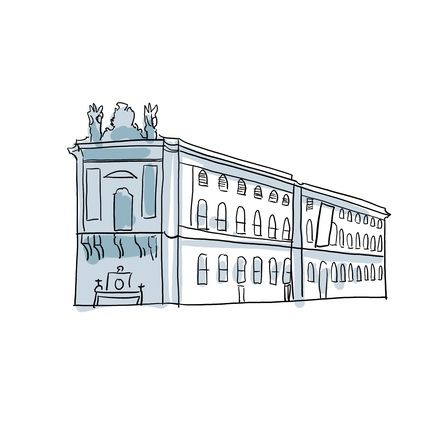


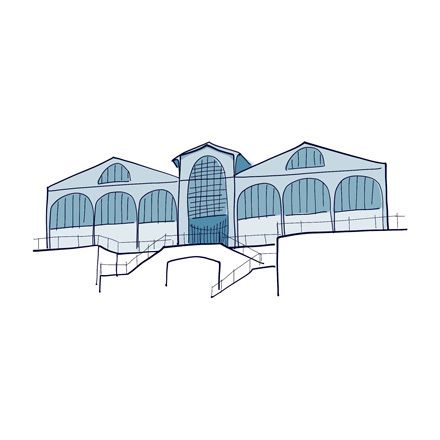
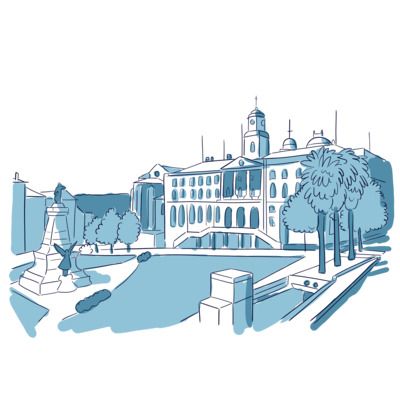


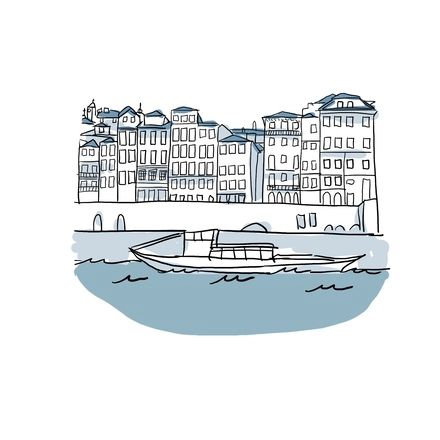

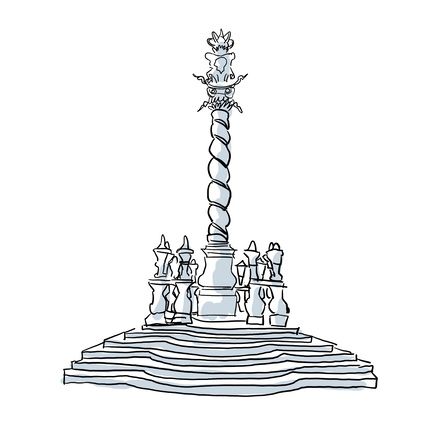



17. Vila Nova de Gaia wine cellars






Le plein d'inspirations
Explorez le monde en totale liberté, à pied au cœur des villes ou au fil des routes. Nos guides audios transforment chaque destination en une découverte culturelle immersive et unique.





FAQ for visiting Porto
When is the best time to visit Porto?
The best time to visit Porto runs from June to September, when temperatures hover pleasantly around 26°C and the sun lights up the city's colourful façades. Porto's temperate climate, with an annual average of 16°C, makes visits possible all year round, but summer remains ideal for fully enjoying the terraces along the Douro and long strolls through the alleyways. If possible, avoid the winter months, particularly January and February when temperatures drop to around 10°C, as well as the period from October to December, which is more prone to rain. Spring is also a lovely alternative, with mild temperatures and fewer tourists.
How many days do you need to visit Porto?
Ideally allow three to four days to discover Porto without rushing. This gives you time to explore the historic neighbourhoods, stroll along the Douro, visit a few wine cellars and savour the city's unique atmosphere. In two days, you can see the must-sees but at a brisk pace. With a week, you'll have the luxury of taking your time, getting lost in the alleyways, lingering over more breaks in the traditional cafés and even taking an excursion into the Douro Valley. The Ryo audioguide accompanies you on your discovery with itineraries suited to different lengths of stay, letting you make the most of your time according to your wishes.
How do you get around Porto?
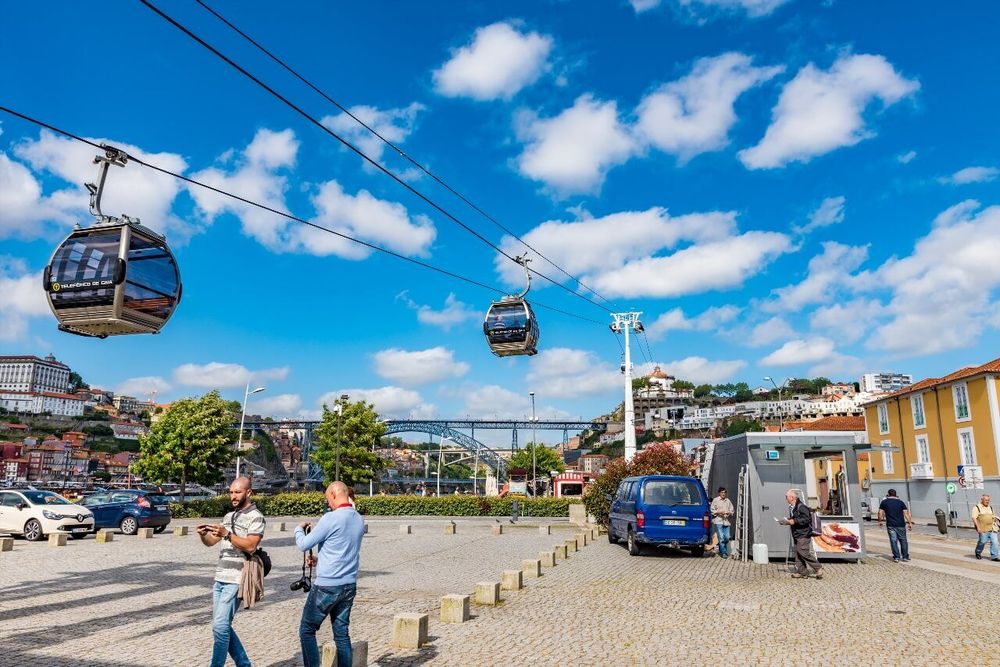
Porto is wonderful to explore on foot, despite its steep streets that give your calves a workout. The historic centre is compact, and walking lets you discover hidden azulejos and surprising viewpoints. For longer distances or when fatigue sets in, the public transport network is efficient, with the metro, buses and the iconic historic tram. The Andante card gives you access to all these services. Taxis and ride-hailing services remain affordable for occasional journeys. Avoid driving in the centre, where the narrow streets and tricky parking make a car more of a burden than an asset. The funiculars and the Gaia cable car add a picturesque touch to your travels.
Which neighbourhoods are must-visits?
The historic heart of Porto beats in the Ribeira, this UNESCO-listed neighbourhood of colourful houses tumbling down towards the river. Then climb up to the Sé district, crowned by the cathedral, before exploring the authentic alleyways of Vitória. Don't miss Cedofeita for its bohemian vibe and creative boutiques, nor Foz do Douro where the river meets the ocean. Vila Nova de Gaia, on the other bank, is home to the famous port wine cellars with breathtaking views over the city. The Ryo audioguide takes you through these iconic neighbourhoods, revealing their hidden histories and architectural treasures, from the azulejos of São Bento to the secret gardens of the Palácio de Cristal.
How do you get from the airport to the city centre?
Francisco Sá Carneiro Airport is located about 11 kilometres from the centre of Porto, and several options are available for reaching the city. The metro remains the most economical and convenient way, with the purple line taking you directly to the centre in around forty minutes. Airport buses also serve various points around the city. For more comfort, official taxis and ride-hailing services will take you to the centre in twenty to thirty minutes depending on traffic. Some hotels offer shuttles, so check when you book. If you're travelling in a group, private transfers can be worthwhile. Avoid unofficial approaches as you leave the airport and opt for reputable services.
What should you eat in Porto, and what are the local specialities?
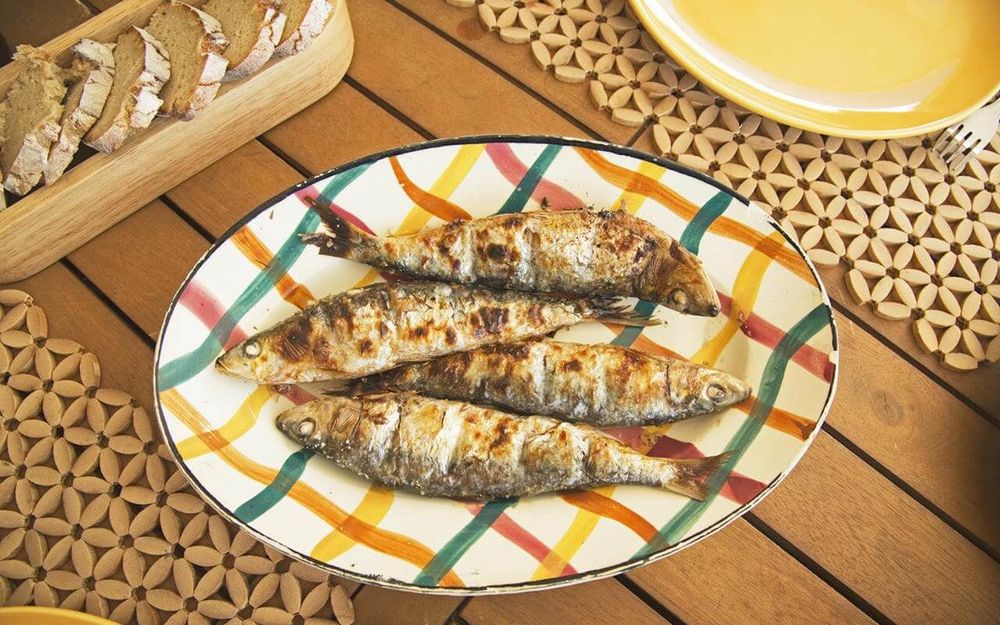
Porto's cuisine will delight your taste buds with its generous, flavourful dishes. The francesinha, a gargantuan sandwich smothered in spicy sauce, remains the city's culinary emblem, to be savoured in a traditional tasca. The tripas à moda do Porto, tripe stewed with white beans, tell the story of the city. Don't miss cod prepared in a thousand ways, notably as pastéis de bacalhau. Along the river, enjoy fresh seafood and grilled octopus. For dessert, give in to the creamy pastéis de nata. Pair your meals with a glass of chilled vinho verde or explore the Douro wines. Markets such as the Bolhão overflow with local produce for a delicious immersion.
How do you visit Porto's wine cellars?
The port wine cellars, nestled in Vila Nova de Gaia, are generally visited on guided tours offered by each house. Most include tastings in the price of the visit, letting you discover different styles of port, from ruby to tawny and vintage. Book ahead during high season to secure your spot. The tours usually last an hour and explain the production process, the history of the houses and the art of tasting. Some cellars offer more exclusive experiences with food-and-wine pairings or premium tastings. Allow half a day to visit two or three cellars without rushing, enjoying the terraces overlooking Porto between each visit.
What can you see for free in Porto?
Porto is brimming with treasures you can enjoy without spending a cent. Wander through the alleyways of the Ribeira, admire the azulejos of São Bento station, a veritable open-air museum, and climb up to the viewpoints for breathtaking panoramas over the city and the Douro. The churches often reveal their ornate façades for free, even if the interior may charge admission. The Bolhão market buzzes with authenticity, the gardens of the Palácio de Cristal offer a breath of greenery with a view, and the beaches of Foz invite you to gaze out over the ocean. The Ryo audioguide enriches these free discoveries by revealing the hidden stories behind each monument, turning your walk into a true journey through time without straining your budget.
Is a Douro river cruise from Porto worth it?
Stepping aboard on the Douro is still one of the finest ways to grasp Porto's geography. Boats leave from the quays of the Ribeira and Vila Nova de Gaia for the classic six-bridges cruise, a short loop that heads upstream and back down and reveals the city from below: the tiered façades of the old town, the arch of the Dom Luís I bridge and the roofs of the Gaia lodges.
You will also pass rabelos, the traditional flat-bottomed boats that once brought wine down from the vineyards upstream and now sit moored as part of the scenery. Depending on the season, aim for the end of the day, when the light rakes across the granite and the crowds thin out. Longer trips head up towards the wine valley, but they take a full day and are better saved for a second stay.
Where can you see Porto's finest azulejos?
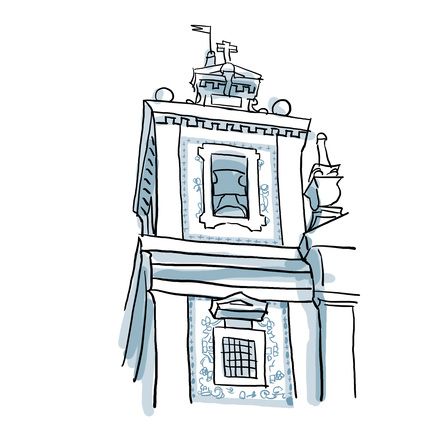
Azulejos, those blue and white glazed tiles, tell Portugal's history in the open air. The concourse of São Bento station is the most spectacular example, with its vast panels devoted to battle scenes and rural life. The façades of the Carmo church and of Santo Ildefonso church display others, visible straight from the street, while the Almas chapel, a short walk from the Bolhão market, covers its outer walls with religious scenes.
The simplest approach is to look up as you walk: many ordinary houses in the centre and in Gaia still carry their original tiles, sometimes faded, often superb. The Ryo audio guide offers a dedicated Porto route that links these façades to the city's great highlights.
Vos commentaires, idées et suggestions
Aucun avis pour le moment