





Créé par Romane, le 4 oct. 2026
Votre guide Ryo
Aveiro, Portugal
Where Water Weaves a Thousand Stories
Parcours audioguidé pour visiter Aveiro en 1 jour
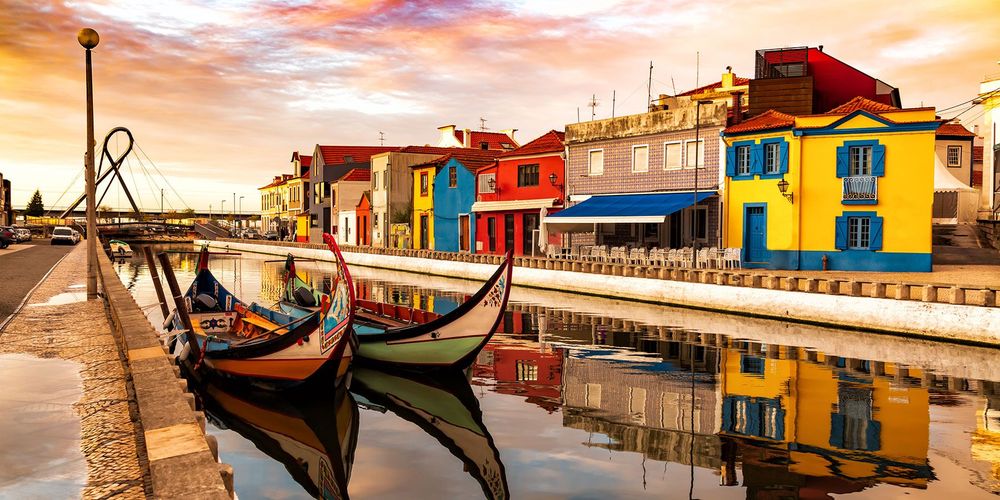
Crossed by its canals, Aveiro charms with its lagoon-like atmosphere and Art Nouveau architecture. With its colorful moliceiro boats, salt marshes, and peaceful ambiance, the city offers a charming alternative to Portugal’s major destinations.
Quand partir à Aveiro ?
Jan.
11°
12
Feb.
12°
11
March
13°
10
April
15°
11
May
18°
9
June
21°
6
July
24°
3
Aug.
25°
3
Sept.
23°
6
Oct.
19°
10
Nov.
15°
12
Dec.
12°
12
Throughout the year, the average temperature in the region hovers around 15°C, thanks to a warm temperate climate. January and February are the coldest months, with minimum temperatures around 9°C. The warmest period runs from June to September, when highs typically reach 25°C or more. As for rainfall, the wettest months are usually January, February, and the period from October to December. To make the most of your visit with favourable weather, the months from June to September are generally the best time to plan your stay.
Départ conseillé
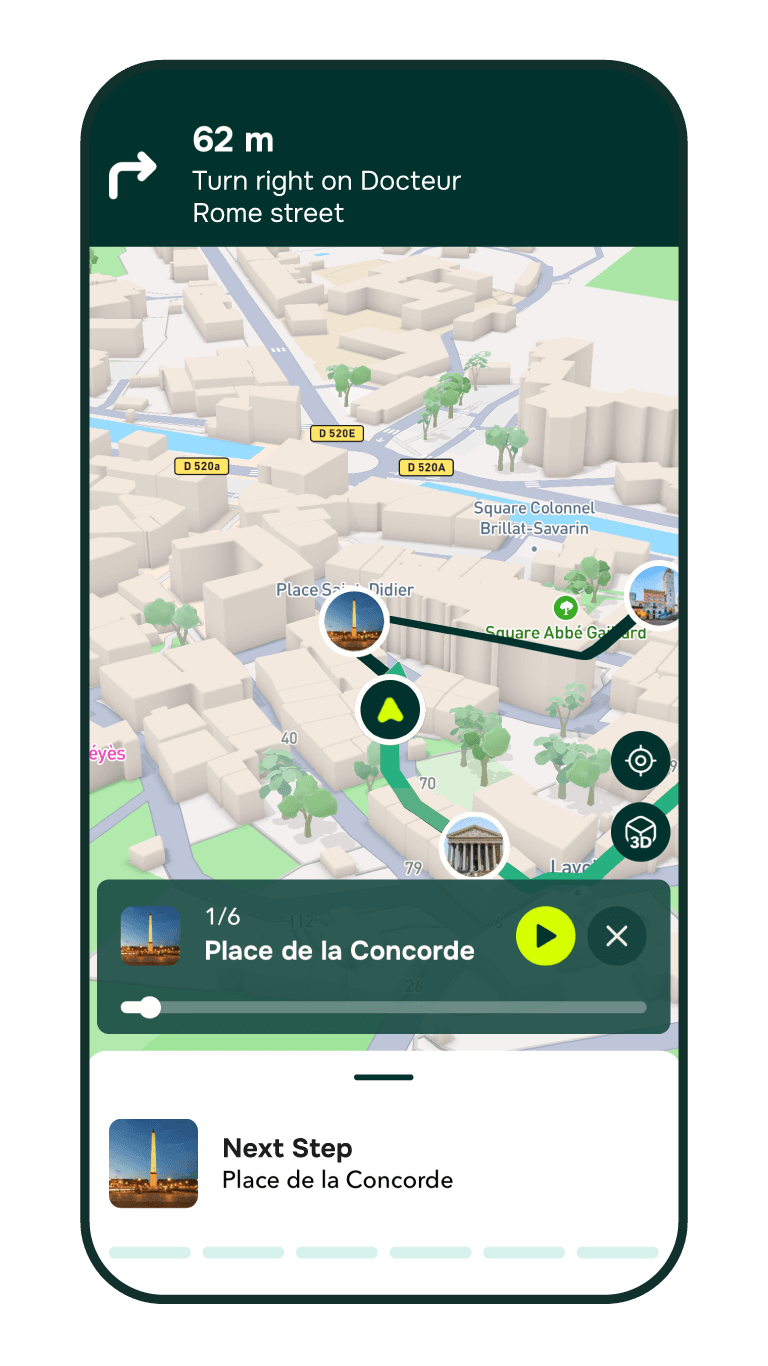
No need to worry about where to begin! Our tours are designed as a loop, so you can jump in wherever you are. The navigation system and audioguide will automatically adjust to your location. However, if you happen to be nearby, we do have a preferred starting point: Cais dos Mercanteis, near the Praça do Peixe, or Fish Square.
Parking à proximité
Estacionamento Canal de São Roque : Parque dos Remadores Olímpicos, 3800-272 Aveiro, Portugal
À savoir
Portugal uses the Euro.
Découvrez 19 lieux d'intérêt pour visiter Aveiro












Le plein d'inspirations
Explorez le monde en totale liberté, à pied au cœur des villes ou au fil des routes. Nos guides audios transforment chaque destination en une découverte culturelle immersive et unique.




FAQ for visiting Aveiro
When is the best time to visit Aveiro?
The ideal time to explore Aveiro runs from June to September, when the town's temperate climate is at its peak with pleasant temperatures of around 25°C. You can then make the most of boat trips along the canals and the surrounding beaches under generally sunny skies. Spring also offers beautiful days, cooler but just as enjoyable. On the other hand, if possible avoid the winter months, particularly January and February when temperatures drop to around 9°C, as well as the October to December period, which is rainier. Summer therefore remains the prime season to appreciate Aveiro's lagoon charm in the best conditions.
How much time do you need to visit Aveiro?
A full day is generally enough to discover Aveiro's main attractions: the canals with their colourful moliceiros, the historic centre and its Art Nouveau façades, not forgetting the fish market. If you'd like to explore more leisurely and include the surroundings such as Costa Nova with its striped houses or the salt marshes, allow two days instead. This will let you take your time, enjoy a traditional boat trip and sample the local specialities without rushing. As the town is relatively compact, you can easily explore the centre on foot. For an in-depth visit with historical commentary, the Ryo audioguide guides you along an optimised route that reveals all the secrets of this Portuguese Venice.
How do you get to Aveiro from Porto?
The train remains the most convenient and economical way to reach Aveiro from Porto. Direct trains leave regularly from São Bento or Campanhã station, with a journey of around one hour. Departures are frequent throughout the day, giving you great flexibility to plan your outing. If you prefer to drive, allow about 45 minutes via the A1 motorway, but watch out for tolls. The bus is an alternative, with several companies running the route, although the trip is generally a little longer than the train. For maximum comfort and independence, renting a car will also let you easily explore the surrounding beaches and villages.
How do you get around in Aveiro?
Aveiro is a human-scale town best explored on foot, especially in the historic centre where the main attractions are concentrated. Distances are short between the canals, the monuments and the picturesque neighbourhoods. For longer journeys or if you want to reach the beaches, the urban bus network serves the whole area well. The BUGA self-service bikes are an excellent free option for getting around the town easily and sustainably. You simply need to show an ID to borrow a bike. Taxis and ride-hailing services are also available for added comfort. A car, on the other hand, is only really useful if you plan to explore the surroundings such as Costa Nova or the salt pans.
Where can you park in Aveiro?
Parking in Aveiro's city centre can prove tricky, especially in high season. Free spaces are scarce and often time-limited. Opt for the covered car parks in the centre, usually paid but secure and well located near the main attractions. The Forum Aveiro car park and the one near the fish market are particularly handy. If you don't mind walking a little, you'll find free spaces more easily on the edge of the historic centre, notably near Infante Dom Pedro park. On-street paid parking zones are marked with blue lines and generally operate during the day. On Sundays and public holidays, parking is often free. Always check the local signage to avoid fines.
What are moliceiros and where can you take a boat trip?
Moliceiros are Aveiro's traditional boats, recognisable by their bright colours and hand-painted decorations depicting humorous or romantic scenes. Once used to harvest seaweed in the lagoon, these elegant flat-bottomed boats are now dedicated to tourist trips. You'll easily find departures for these excursions along the central canal, notably near the Jardim do Rossio and the fish market. The trips generally last between 45 minutes and an hour, taking you through the town's main canals while recounting Aveiro's history. It's a must-do experience that lets you admire the Art Nouveau architecture from a unique angle and understand why Aveiro is nicknamed the Venice of Portugal.
What local specialities should you eat in Aveiro?
Aveiro delights food lovers with its unique specialities, starting with the famous ovos moles, sweet treats made from egg yolks and sugar served in delicate shells shaped like seashells or fish. This convent delicacy is the town's sweet emblem. On the savoury side, don't miss the caldeirada de enguias, an eel stew typical of the lagoon region. Seafood fans will delight in the prawns, mussels and other treasures of the ria. The pão de ló de Ovar, a moist egg cake, and the tripas de Aveiro, the local version of tripe, are also worth tasting. To accompany these dishes, enjoy a glass of vinho verde or espumante da Bairrada, the local sparkling wine.
Is it worth visiting Costa Nova from Aveiro?
Costa Nova is definitely worth the detour if you have a little extra time in Aveiro. This fishing village, just about fifteen minutes away by car or bus, is famous for its palheiros, traditional houses with façades painted in colourful stripes that create a uniquely photogenic setting. The fine sandy beach stretching over several kilometres offers a pleasant contrast with Aveiro's lagoon atmosphere. You'll also find excellent seafood restaurants and an authentic seaside vibe. If your stay is very short, focus on Aveiro itself, but with a full day or more, Costa Nova makes a perfect complement to your visit, especially in summer to enjoy the beach and the maritime atmosphere.
Where can you admire Aveiro's Art Nouveau architecture?
Made wealthy by the salt and cod trades around the turn of the last century, Aveiro gave itself a series of Art Nouveau houses that are now among its loveliest surprises. You can spot them by their wrought balconies, their floral motifs carved in stone and their soft-toned azulejos, mostly along the central canal and the streets around it. One of these houses holds a museum devoted to the style, with a tea room on the ground floor.
The old railway station, a little way out, is the natural continuation of this walk: its façades are covered with large blue and white azulejo panels depicting scenes from the region, from moliceiros to local festivals. Allow an hour or two to link these buildings on foot, as the centre is compact. The Ryo audio guide offers a dedicated Aveiro route that passes these façades and tells the story of the city.
What are the salt pans of Aveiro and can you visit them?
The Ria de Aveiro is lined with salt pans worked since the Middle Ages, where salt is still harvested by hand in summer using long wooden rakes. These shallow basins, separated by earth banks, form a chequerboard that mirrors the sky and turns pink towards the end of the day, all within easy reach of the city centre.
Several of the pans are open to visitors and explain the work of the marnotos, the salt workers, while others have been turned into pools where you can bathe in heavily salted water. You can reach them on foot, by bike or by boat from the canals. The whole area is also a refuge for migratory birds, with flamingos, stilts and herons depending on the season, which makes it as rewarding for birdwatchers as for walkers.
Vos commentaires, idées et suggestions
Aucun avis pour le moment