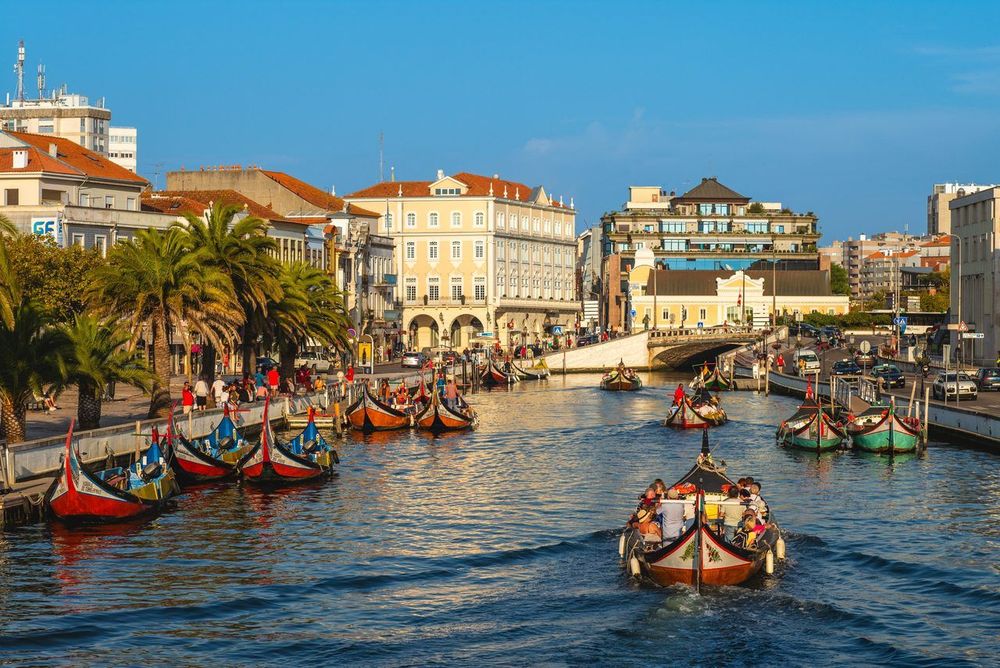
© Shutterstock
 Votre guide Ryo
Visiting Aveiro as a Couple: Canals and Costa Nova 2026 | Ryo
In Aveiro, the boats no longer carry seaweed but travellers. The moliceiros, those long boats painted with sometimes saucy scenes, glide along canals that cut through the city like so many liquid alleyways. In this setting, you understand why visiting Aveiro as a couple has become a no-brainer for anyone looking for an alternative to Porto, less than an hour away by train. The Ryo audio-guided tour of Aveiro follows this thread of water from the historic centre, and it is a good starting point for framing the following two or three days.
The city packs into a tiny area enough to fill an entire weekend: a fleet of decorated boats that used to make passers-by laugh, or blush, Art Nouveau façades that rival those of Barcelona without the crowds, striped houses in Costa Nova, and salt pans where salt is still harvested by hand in summer. Add to that ovos moles sold in rice-paper shells, a bridge covered in ribbons tied by lovers, and a possible excursion to Coimbra, setting of one of Portugal's most famous love stories. That leaves the practical question that always comes up: how many days to book to enjoy it all without rushing anything.
This guide covers the canals and their bridges, the Art Nouveau centre, Costa Nova and its lighthouse, the salt pans and the Ria, the local cuisine, a getaway to Coimbra and the Bairrada wine region, a sample two-day itinerary, as well as the practicalities: where to stay, how to get here from Porto, and which season to choose.
The Aveiro Canals by Moliceiro, the Quintessential Romantic Date
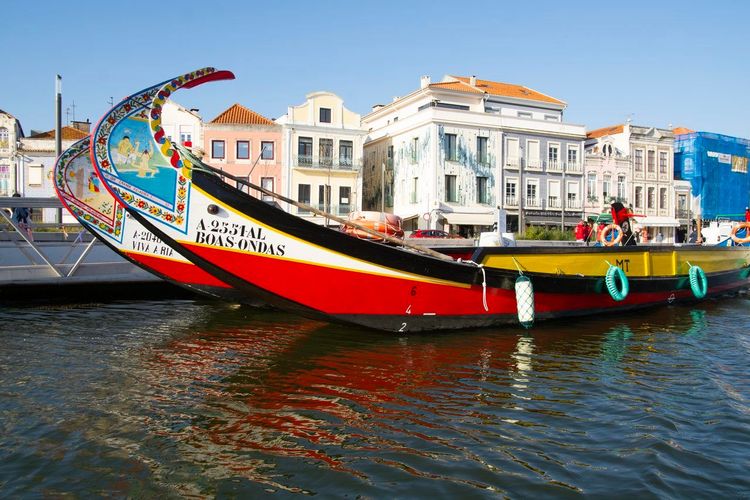
Everything starts here, and for good reason: the canals are the geographical and symbolic heart of the city, which the locals have come to call, not without pride, the Venice of Portugal.
A Moliceiro Ride on the Historic Canals
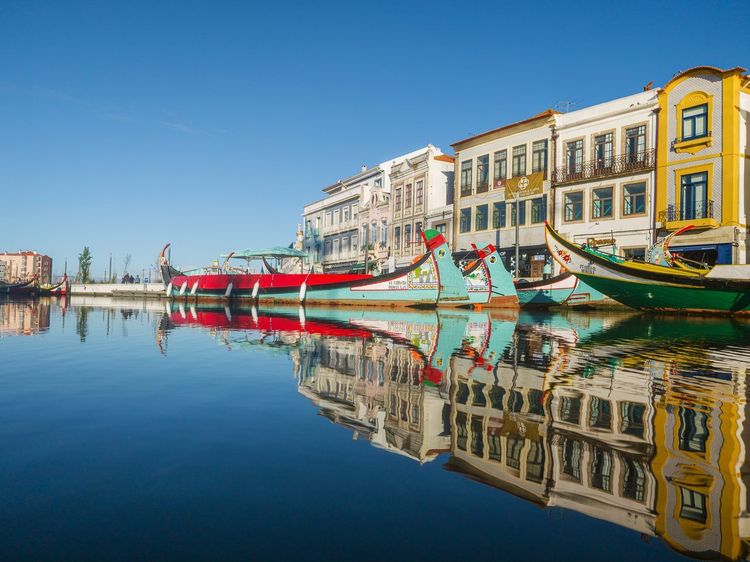
The term moliceiro originally referred to the boats that harvested moliço, a lagoon seaweed used as agricultural fertiliser, an activity that declined until it disappeared in the second half of the 20th century. The boats have been repurposed for tourism without losing their identity: the hull is still hand-painted, and the prow is still decorated with a scene, often comical, sometimes downright bawdy, depicting an event from local daily life or a proverb.
A ride generally lasts 45 minutes and follows the city's four canals: the Canal Central, the São Roque canal, the Pirâmides canal and the Cojo canal. For a moment together, opt for a late-afternoon departure, when the low light illuminates the façades lining the water and the morning groups have gone. Expect to pay between 10 and 15 euros per person depending on the company, with the boarding points grouped along the Canal Central.
On board, the boatman comments in Portuguese and often in English on the bridges you pass under and the houses gliding by. The last departure of the day is often the least crowded, ideal for enjoying the water with nobody in your photo. Early risers will prefer a morning outing, when the mist still rising from the lagoon gives the façades a particular contrast that the afternoon never quite reproduces.
The Most Photogenic Bridges and Quays for a Moment Together
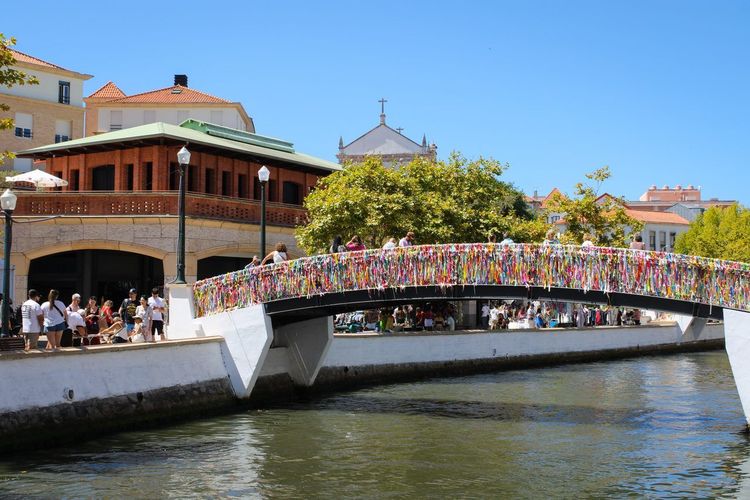
You can't miss the Ponte Laços de Amizade, a small footbridge over the Canal Central whose railings disappear beneath hundreds of coloured ribbons. Tradition has it that you tie a ribbon there together, as a pledge of friendship or love, and it is probably the most spontaneous gesture you will make in Aveiro. Bring your own ribbon: a few shops in the centre sell them, but a personal scrap of fabric means more.
The Ponte dos Carcavelos (Ponte dos Carcavelos, 3800 Aveiro, rated 4.5/5 on Google from 320 reviews), with its humpback deck above the water, offers an unobstructed view of the moored boats and the colourful façades reflected in the canal at sunset. It is a classic spot for a photo, but also simply for stopping for five minutes with no particular purpose.
The quays of Cais da Fonte Nova, slightly further out, are much less crowded. There are benches facing the water and a few terraces serving a glass of vinho verde at a reasonable price, a good stop to end the boat ride without hurrying. In the evening, the lights of the Cais do Rossio terraces are reflected on the water and the city takes on a slower pace.
To extend the boat ride with a discovery on foot, the Ryo audio-guided tour tells the history of these canals and the role they played in the salt and seaweed economy, bridge after bridge, with no fixed schedule to follow.
The Art Nouveau Historic Centre, Its Squares and Gardens
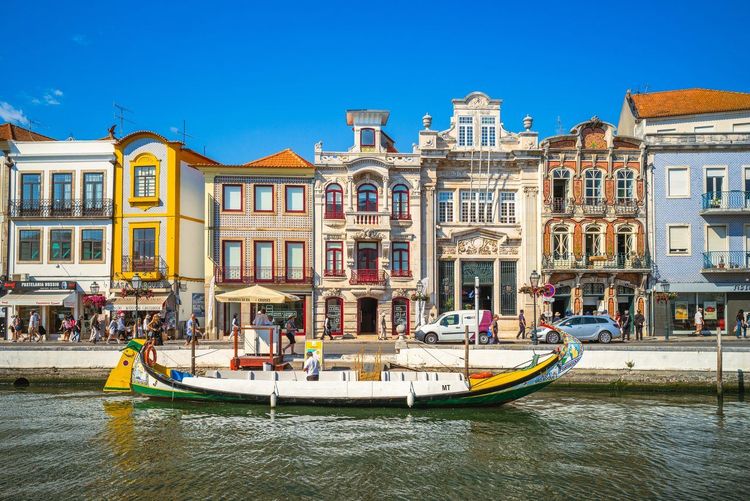
Heading up from the quays, the centre of Aveiro is best discovered on foot, in a compact area that can be covered in a relaxed half-day.
The Art Nouveau Quarter and Its Colourful Façades
In the early 20th century, Aveiro saw an influx of fortunes linked to trade and to the return of emigrants who had grown wealthy in Brazil, invested in Art Nouveau façades of a density rare for a city of this size. They are concentrated around Rua João Mendonça, facing the Canal Central, and Avenida Dr. Lourenço Peixinho, recognisable by their floral-patterned azulejos, curved ironwork and sculpted pediments.
Start with the Museu de Arte Nova, housed in the Casa Major Pessoa, the city's most spectacular façade with its ornate stone balconies. The museum explains this movement in a few rooms, and the Casa de Chá on the ground floor lets you have a tea or a drink in a period setting, a stop that lovers of old stones particularly enjoy.
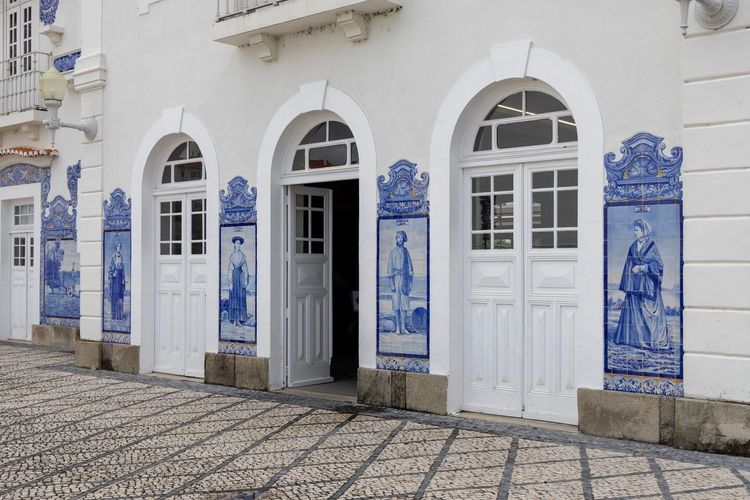
Then walk without a rigid itinerary, regularly looking up. Many of these buildings now house shops or cafés, which lets you slip in to admire a staircase or a ceiling while ordering a coffee. Continue to the old Aveiro train station, whose façade is covered with blue and white azulejos depicting scenes from the region: moliceiros, salt pans, monuments. The building no longer serves travellers, the modern station having been built right next to it, but it remains one of the city's finest ceramic showcases.
Praça do Peixe, the Fish Market and the Museu de Aveiro
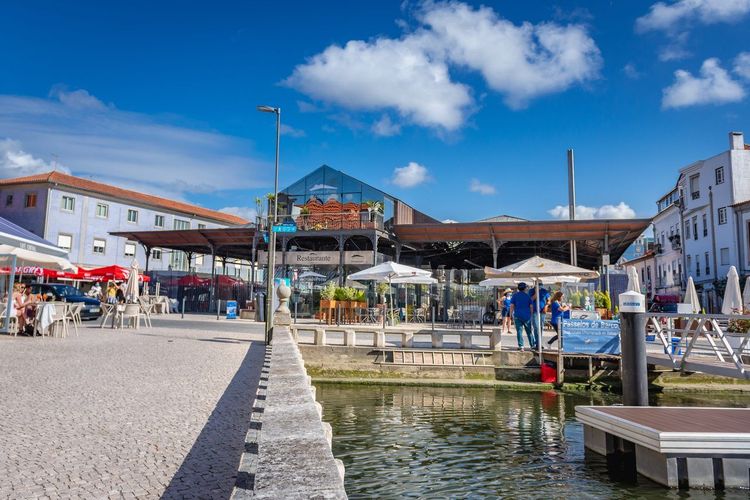
The Praça do Peixe is home to the Mercado do Peixe, an early 20th-century iron and glass hall where the catch of the day is still sold in the morning. In the evening, the square changes character: its bars and restaurants fill up and it becomes one of the liveliest nightlife spots in the centre, perfect for an aperitif before dinner.
On the other side of the centre, the Museu de Aveiro, housed in the former Convent of Jesus, holds the tomb of Princess Santa Joana, daughter of King Afonso V, who retired to this convent in the 15th century after refusing several royal marriage proposals. Her marble marquetry tomb and the convent's gilded church form a striking contrast with the bustle of the market. Allow an hour for the visit, a little more if you linger in the choir, one of the fine examples of Portuguese baroque. Just opposite, the Aveiro Cathedral (Sé, the former São Domingos church) completes the visit in a few minutes.
The Praça da República, very close by, brings together the town hall and the Misericórdia church, lined with several cafés with terraces. It is a good landmark for meeting up if you have split up for a while, one of you for photography, the other for the shops.
Forum Aveiro, Vista Alegre and the Gardens for a Break Together
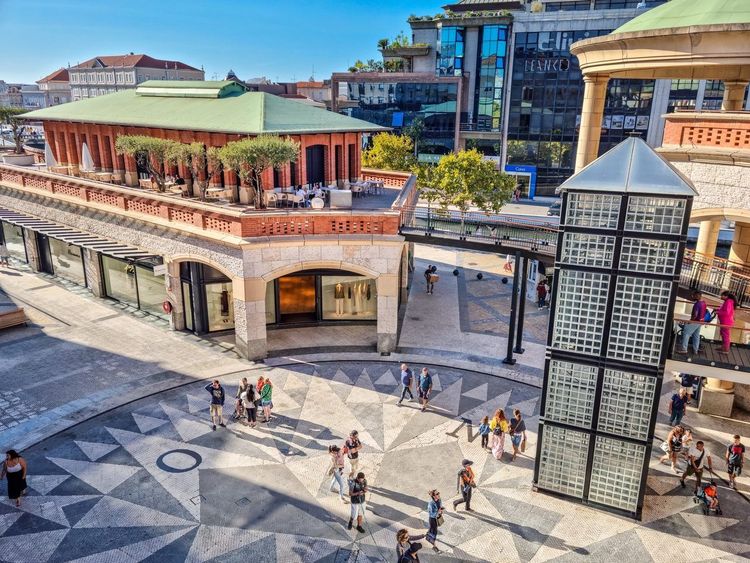
The Forum Aveiro, an open-air shopping centre on the edge of the Canal Central, mixes shops and restaurants. People go mainly for its rooftop garden-terrace, freely accessible, which overlooks the rooftops of the centre and the canals below, especially in the late afternoon when the sun skims the tiles.
About fifteen minutes away by car, Vista Alegre, in Ílhavo, is home to Portugal's oldest porcelain manufacturer, founded in 1824. The museum traces the brand's history through services made for European courts, the estate's chapel deserves a look, and the factory shop lets you bring home a piece at a gentler price than elsewhere. Décor enthusiasts easily spend an hour more than planned there.
To catch your breath between visits, the Jardim da Fonte Nova and the Parque Infante Dom Pedro (Parque Infante D. Pedro, 3810 Aveiro, rated 4.5/5 on Google from 7,418 reviews) offer shaded benches and, in the case of the latter, a small lake and gently sloping paths, perfect for a break before heading to Costa Nova.
The Ryo audio guide goes into detail on these Art Nouveau façades and a few anecdotes about the fish market that you don't always have time to look up yourself: slip in your earphones, one each, and let yourself be carried along in this area with no fixed itinerary.
Costa Nova and Its Striped Houses, the Getaway by the Ocean
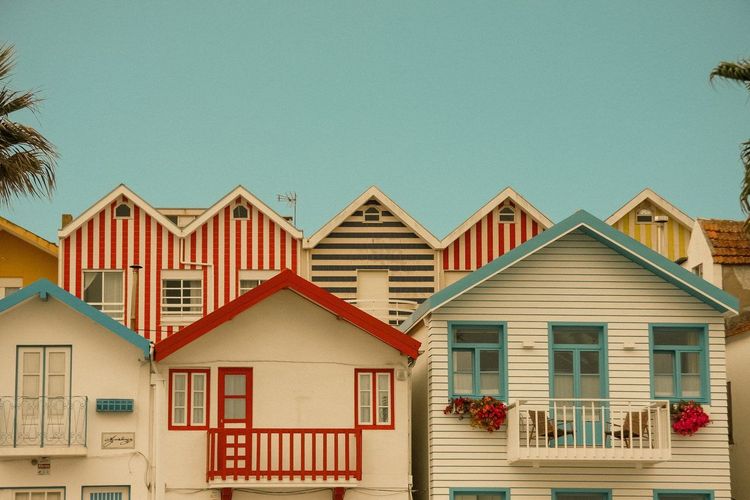
About twenty minutes by car or forty by bus from the centre, Costa Nova is a complete change of scenery: you leave the canals for the Atlantic Ocean and its dunes.
The Striped Houses and Lanes of Costa Nova
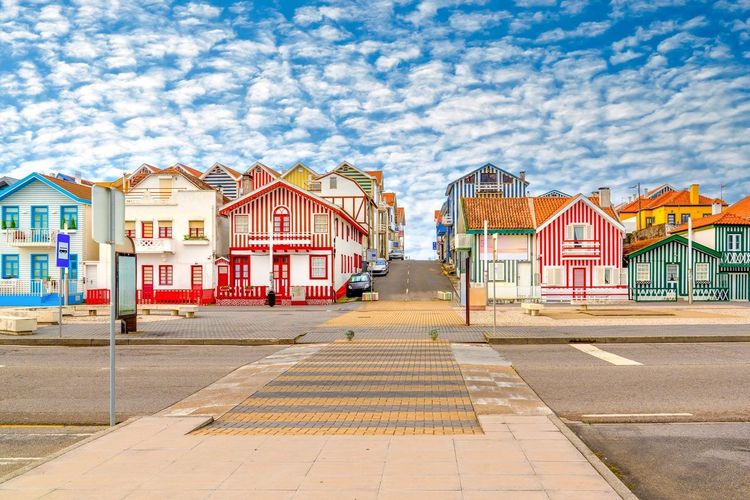
The palheiros, those wooden houses painted with red, blue, green or yellow stripes, originally served as fishermen's shelters and net sheds. Their stripes, it is said, allowed sailors to spot their hut from the lagoon, even in foggy weather. They have now been turned into second homes or holiday rentals, but the row lining the avenue facing the Ria remains intact and it is the one everyone photographs.
Wander the small perpendicular streets: they are much quieter than the main road and offer less expected angles on the same houses. Come late in the morning on a weekday to avoid the weekend crowds. Costa Nova's covered fish market, on the lagoon side, and the terraces set up between two palheiros make for a coffee and pastry break at a gentle price.
If you are looking for an out-of-the-ordinary souvenir, a few shops sell miniature palheiros in painted wood. They rarely cost more than 15 euros and fit easily in a cabin suitcase.
Costa Nova do Prado Beach and the Barra Lighthouse
The Costa Nova do Prado beach stretches for several kilometres of fine sand, backed by dunes. The water is cool even in summer, but the beach remains wide enough to lay out a towel away from others and enjoy the sound of the waves with no direct neighbours.
About 3 km to the north, on Barra beach, the Farol da Barra (Farol da Barra, 3830 Gafanha da Nazaré, rated 4.6/5 on Google from 12,686 reviews) watches over the mouth where the Ria de Aveiro meets the ocean. At 62 metres, it is the tallest lighthouse in Portugal. It can be visited on Wednesday afternoons: 271 spiral steps lead to a panorama over the ocean, the lagoon and the striped roofs of Costa Nova. On other days, the wind-swept site around it offers a sunset well worth the detour, before heading back to dine in the centre.
Between the beach and the lighthouse, wooden walkways laid over the dune let you walk without sinking into the sand. If you want to combine both atmospheres in the same day, do the Ryo audio tour in the centre in the morning, then head for the coast after lunch: canals and ocean complement each other with no downtime.
The Salt Pans and the Ria de Aveiro, Kayaking and Sunset for Two
Less photographed than Costa Nova, the Ria nevertheless deserves a place in the itinerary, especially for those seeking a calmer moment than at the previous sites.
The Traditional Salt Pans and Salt Production
Salt harvesting in Aveiro dates back to the Middle Ages and continues, on a small scale, in a few traditional salinas that have withstood industrialisation. In summer, you can watch the marnotos, the salt workers, raking the pans by hand, a gesture that has remained almost identical for centuries. Aveiro fleur de sel is also sold in several delicatessens in the centre, a light souvenir to slip into your suitcase.
The Ecomuseu Marinha da Troncalhada (Rua de Sant'Iago, 3800 Aveiro, rated 4.2/5 on Google from 550 reviews), run by the municipality, explains this process outdoors, in the middle of the pans, with panels detailing each stage of the harvest. Entry is free, and the neighbouring marina sometimes offers mud and brine baths in the salt pans in summer, an unexpected experience to try together.
Kayaking and Birdwatching on the Ria
Several operators offer kayak outings of about two hours on the canals and channels of the Ria, far from the moliceiro traffic. The activity requires a minimum level of fitness, but no prior experience: allow 20 to 30 euros per person, often in a two-seater kayak. Some outings leave at sunset, probably the best time slot.
The Ria is also home to dense birdlife, in particular flamingos that frequent the salt pans, as well as black-winged stilts and avocets along the mudflats. To spot the best observation points without booking a guided outing, come early in the morning, when the birds are most active and the light is softest. Bring binoculars if you have them; kayak operators almost never provide them.
For a wilder outing, cross the lagoon to São Jacinto, north of the river mouth. The Reserva Natural das Dunas de São Jacinto protects one of the best-preserved dune systems on the Portuguese coast, with marked trails through the pines and observatories overlooking the bodies of water where ducks and waders spend the winter. You can get there by car from the north or by combining a bus and a small ferry from Forte da Barra, a crossing of a few minutes that is already part of the adventure. Plan on half a day, water and a picnic: services on site are scarce, and that is precisely what gives the place its charm when you want to get away from it all.
The Ryo audio guide explains how the salt pans work and the role of the Ria in the city's economy, a rather calm listen to save for the end of the day, between two more physical activities.
Savouring Local Cuisine as a Duo: Ovos Moles and Taverns
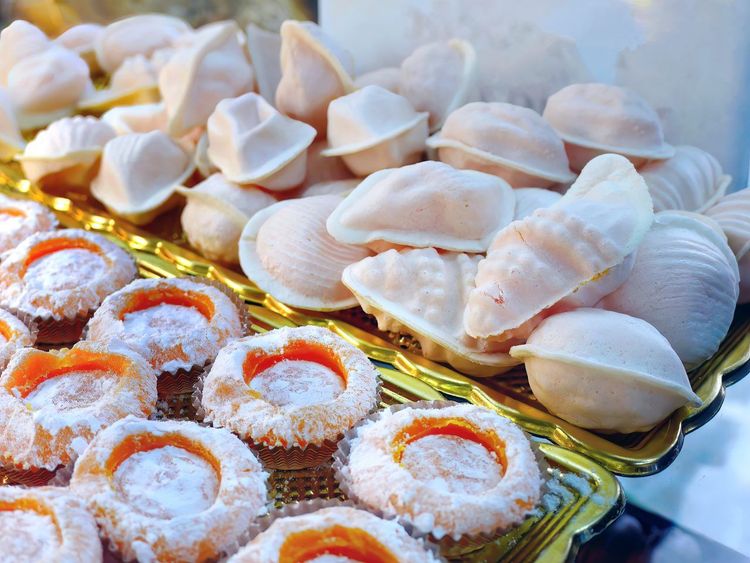
Aveiro is also something to eat, and it always starts with something sweet. The ovos moles, an egg yolk and sugar cream enclosed in a thin rice-paper wafer, were the first Portuguese sweet protected by a European geographical indication. They are moulded into the shape of shells, fish or small barrels, a direct nod to the canals and the sea.
The Confeitaria Peixinho (Rua João Mendonça 24, 3800 Aveiro, rated 4.5/5 on Google from 2,500 reviews), founded in the 19th century, is one of the historic addresses to taste them. Share an assorted box rather than a single shape: it's a simple way to extend your stroll while discussing which one you prefer. The more curious will also try tripas de Aveiro, rolled crêpes filled with ovos moles cream, sold at stalls in the evening.
On the savoury side, the small taverns of the Beira-Mar district, between the Praça do Peixe and the canals, serve grilled fish or a caldeirada, a stew of fish and lagoon eels simmered with potatoes and onions. Book a terrace table facing the water if the weather allows: the atmosphere changes completely, and the service there is generally more relaxed than in the touristy restaurants of the centre.
On Saturday mornings, take a stroll through the Mercado Manuel Firmino, the covered municipal market, for fruit, regional cheeses and corn bread. It's the place to go. As for wine, ask the restaurant for a white from Bairrada or a well-chilled vinho verde with the lagoon fish: the pairing is simple and rarely disappoints.
For a more refined dinner, several addresses in the centre offer menus at around 35 to 45 euros per person, with lagoon fish and Bairrada wines. Trust the menu rather than the façade: Aveiro's best tables often look unremarkable from the outside.
Excursion to Coimbra and the Beira Atlântico Vineyards
Aveiro can be visited without a car, but a half-day or a full day lets you extend the getaway to two destinations that are radically different in character.
A Day for Two in the Historic City of Coimbra
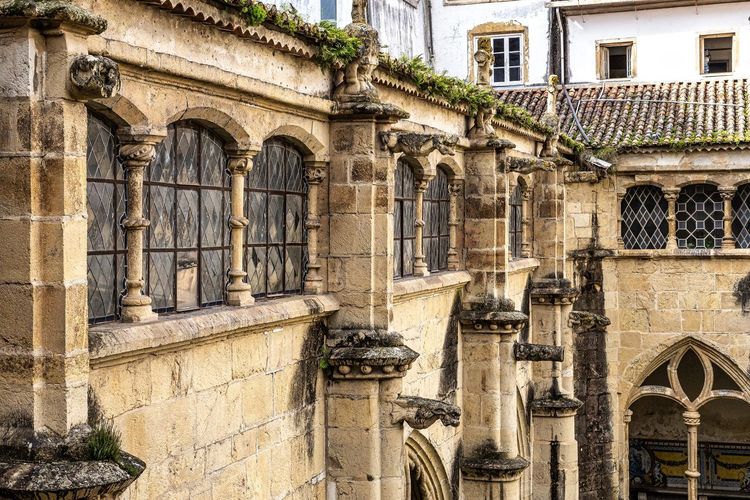
Thirty minutes to an hour by train depending on the service, Coimbra is home to one of the oldest universities in Europe, founded in 1290 and listed as a UNESCO World Heritage Site. Its Biblioteca Joanina, a baroque library covered in gilding, is accessible only by timed slots that are best booked online. The steep lanes climbing to the campus pass by the Sé Velha, the city's fortified Romanesque cathedral, before descending back to the quays of the Mondego.
On the other side of the river, the Quinta das Lágrimas is the setting of Portugal's great love story: that of Prince Pedro and Inês de Castro, murdered in 1355 on the king's orders. Legend has it that the Fonte das Lágrimas, in the gardens, was born from Inês's tears. The park can be visited with a ticket, and the place gives the word lover a whole new depth.
In the evening, some venues in the centre offer Coimbra fado, more restrained than that of Lisbon, traditionally sung by men in black student capes. A good way to end the day before taking the train back to Aveiro.
Wine Tasting in the Beira Atlântico Wine Region and the Aliança Underground Museum
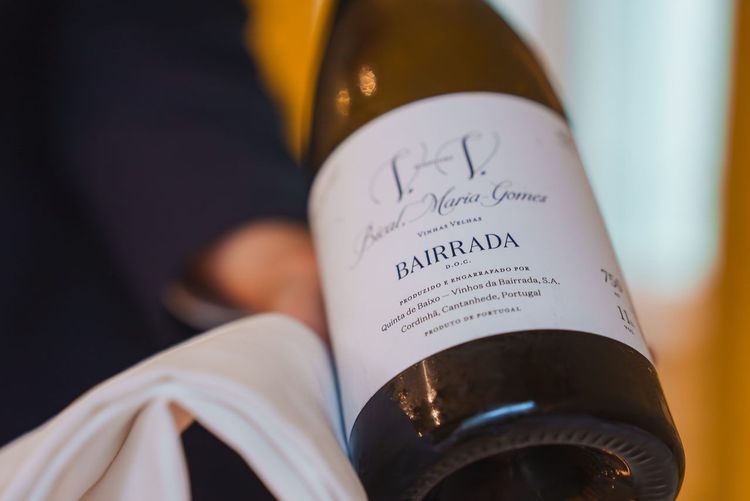
Between Aveiro and Coimbra lies Bairrada, the flagship appellation of the Beira Atlântico indication. The main grape grown is Baga, a tannic and fresh red variety, along with the white Maria Gomes and Bical, and the region is renowned for its sparkling wines. Several estates open their doors by reservation, with packages at around 15 to 25 euros per person. In Mealhada, leitão à Bairrada, roast suckling pig, pairs perfectly with a local sparkling wine.
In Sangalhos, the Aliança Underground Museum (Rua do Comércio, 3780-201 Sangalhos, rated 4.6/5 on Google from 1,317 reviews) is worth the detour: in the cellars of the Aliança house, underground galleries display collections of African art, minerals, fossils and ceramics, among barrels and bottles of sparkling wine. The guided tour ends with a tasting; allow about an hour and a half.
On the way, the Buçaco forest and its Neo-Manueline palace, now a hotel, offer another possible stop for a stroll beneath the tall trees. To enjoy this day out of town without frustration, do the Ryo audio-guided tour of Aveiro the day before or early in the morning: you will have seen the essentials of the historic centre and the afternoon will remain free for the excursion.
Itinerary for a Weekend for Two in Aveiro
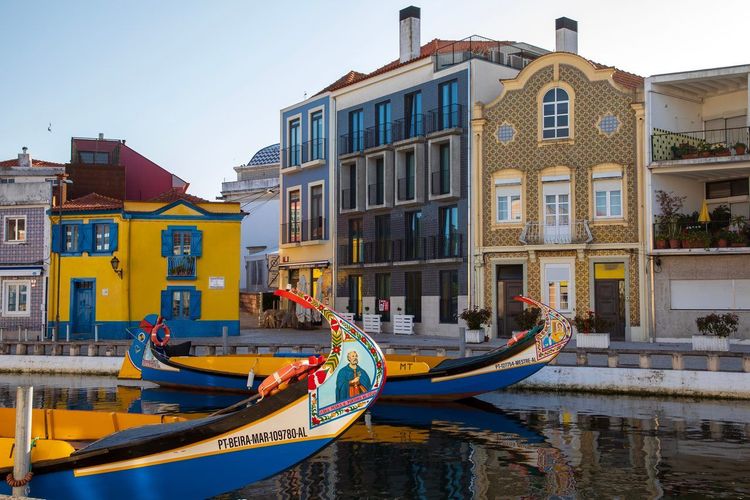
Only have two days? Here is a tried-and-tested sequence that avoids unnecessary back-and-forth and leaves time to do nothing, which matters too.
Day 1: Canals, Art Nouveau and an Evening at Praça do Peixe
In the morning, start with the Museu de Arte Nova and the façades of Rua João Mendonça, then tie your ribbon on the Ponte Laços de Amizade. Have a light lunch in the Beira-Mar district, then visit the Museu de Aveiro in the early afternoon, when the heat makes you seek the shade of the cloisters. Around 5 pm, board a moliceiro for the low light, and finish with an aperitif on the Praça do Peixe, which comes alive at nightfall. Dinner can stretch out on a terrace along the canal, with a box of ovos moles for dessert.
Day 2: Salt Pans, Costa Nova and Sunset at the Lighthouse
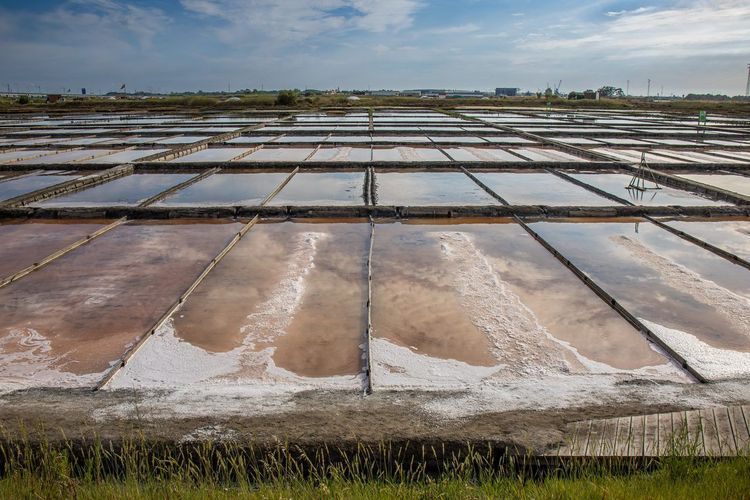
On the second day, head out early to the Troncalhada ecomuseum for the birds and the morning light on the pans. Then take the road or the bus to Costa Nova: a stroll among the palheiros, a grilled-fish lunch on the lagoon side, then the beach in the afternoon. If it's a Wednesday, climb to the top of the Barra lighthouse; otherwise, simply wait for the sunset on the jetty before heading back. With a third day, add Vista Alegre in the morning and Coimbra or Bairrada in the afternoon.
If You Have One More Day
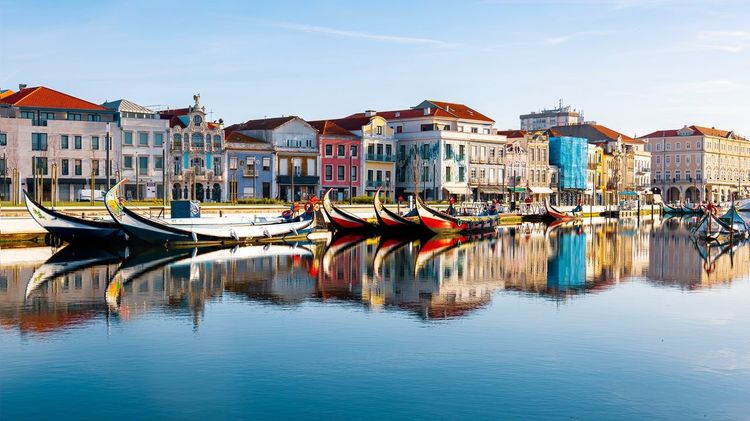
A third day lets you vary the pace. In the morning, head to Vista Alegre and its porcelain factory, then go up to Bairrada for a leitão lunch in Mealhada and a cellar visit in Sangalhos. If you prefer the city, take the train to Coimbra instead: university in the morning, the gardens of the Quinta das Lágrimas in the afternoon and back to Aveiro in the evening. In either case, save the last evening for a slow stroll along the Canal Central, when the moliceiros are moored and the city regains its calm.
Where to Stay in Aveiro as a Couple
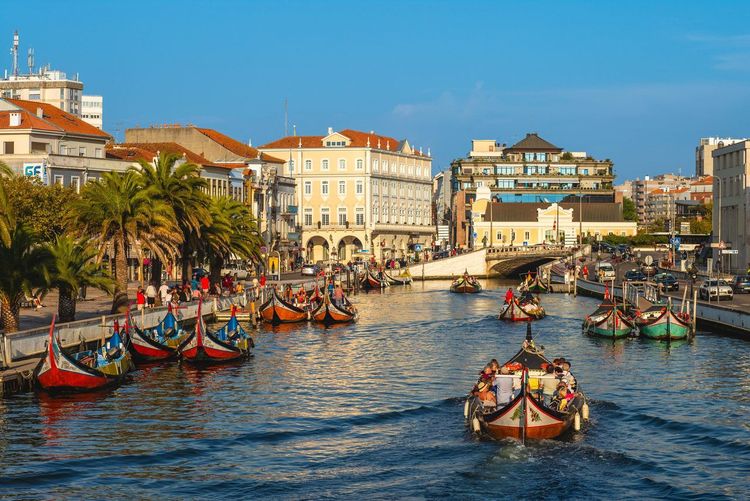
The historic centre, around the canals, remains the most practical choice for a stay for two: everything is done on foot, and a room with a view of the water adds an argument that is hard to match elsewhere.
For a tighter budget without sacrificing location, the Aveiro Rossio Hostel (Largo do Rossio 13, 3800 Aveiro, rated 4.6/5 on Google from 526 reviews), set in an old building near the canal, also offers private double rooms, not just dormitories, at rates often under 70 euros a night outside high season.
If you prefer a more intimate atmosphere, several guesthouses set in renovated Art Nouveau buildings offer only a few rooms, a carefully prepared breakfast and a personalised welcome that large chains don't always provide. Expect to pay between 90 and 150 euros a night in high season.
In Costa Nova, a few palheiros can be rented by the night, a distinctive option for waking up facing the lagoon or the ocean. The downside: you will need a vehicle or the bus to reach the canals each day, which suits a three-day stay better than a simple weekend. Finally, for a truly special break, some wine quintas in Bairrada and the Buçaco palace also take guests.
How to Get to Aveiro and Get Around Once There
The Aveiro train station is connected to Porto (Campanhã) in about 40 minutes by Alfa Pendular and Intercidades trains, or in about 1h10 by the suburban trains of the Aveiro line, which are cheaper and more frequent. From Lisbon, allow about 2 hours on the Alfa Pendular, a comfortable journey that lets you read or doze without worrying about the wheel.
If you come by car, the Rossio car park, right in the centre facing the canal, remains one of the most convenient. Other car parks a little further out, near the train station, charge gentler rates for those planning several days on site who don't mind a fifteen-minute walk.
Once there, the centre can be crossed entirely on foot in about twenty minutes from end to end. For Costa Nova and the Barra lighthouse, buses connect the centre in 30 to 40 minutes, with reduced frequency on weekends and in low season. Renting a car for a day remains more flexible if you also plan to go as far as Vista Alegre, Bairrada or Coimbra.
When to Go and How Many Days to Plan for a Romantic Getaway
Aveiro's Atlantic climate stays mild all year, with highs rarely exceeding 25 to 28°C in summer and lows around 5 to 8°C in winter. Spring, from April to June, offers pleasant light and fewer people than July-August, when Costa Nova's beaches fill up noticeably. Autumn, often underestimated, keeps some lovely days in September and October while emptying the streets of the centre. Winter is rainier, but the canals under a low sky have their charm, and hotels lower their prices.
In summer, the Festas da Ria enliven the lagoon with a painted-prow contest and moliceiro regattas, a chance to see the boats in action rather than at the quay.
For a well-paced weekend, two full days are enough to cover the canals, the historic centre, Costa Nova and a quiet dinner on a terrace. Three days let you add the salt pans and the excursion to Coimbra without rushing anything. Beyond that, the city itself runs out of steam a little, even if the region, between vineyards and beaches, continues to offer enough to fill a few more days.
Is Aveiro worth a visit when you're torn between Porto or Lisbon? The answer fits in one image: canals without the crowds of Venice, and a city small enough to do everything on foot, hand in hand, without consulting a map for more than thirty seconds.



FAQ
How many days do you need to visit Aveiro as a couple?
Two full days cover the canals, the historic centre, Costa Nova and a dinner on a terrace. Allow three days to add the salt pans and a trip to Coimbra without rushing.
How do you get to Aveiro from Porto?
The train is the simplest option: about 40 minutes on the Alfa Pendular or Intercidades from Porto-Campanhã, or about 1h10 on the suburban train, with departures throughout the day.
Where can you park when visiting Aveiro?
The Rossio car park, in the heart of the centre facing the canal, is the most central. Car parks further out, near the train station, offer better rates for a stay of several days.
What is Aveiro's culinary specialty?
Ovos moles, an egg yolk and sugar cream enclosed in a rice paper wafer moulded into the shape of a shell or fish. It was the first Portuguese sweet to be protected by a European geographical indication.
Is Aveiro worth visiting for a weekend for two?
Yes: the city packs canals, Art Nouveau façades, a beach and salt pans into a compact area that can be explored on foot, with a possible trip to Coimbra to vary the atmosphere.
Where should you stay in Aveiro when travelling as a couple?
The historic centre, near the canals, remains the most practical choice. The Aveiro Rossio Hostel offers private double rooms on a small budget, while several Art Nouveau guesthouses offer a more intimate atmosphere.
At heart, visiting Aveiro as a couple is less about a list of places than about a rhythm: that of a city explored slowly, between a morning moliceiro ride and an evening sunset at the Barra lighthouse. To frame these two or three days without wasting time finding your way, the Ryo audio-guided tour of Aveiro remains the simplest foundation, to be freely supplemented according to your wishes.