





Walk
The Hidden Jewel of the Spanish Renaissance
Úbeda, Spain
Walk
The Hidden Jewel of the Spanish Renaissance
Úbeda, Spain
3 km
Distance
1h30
Durée
23
Audios
Loop
Parcours
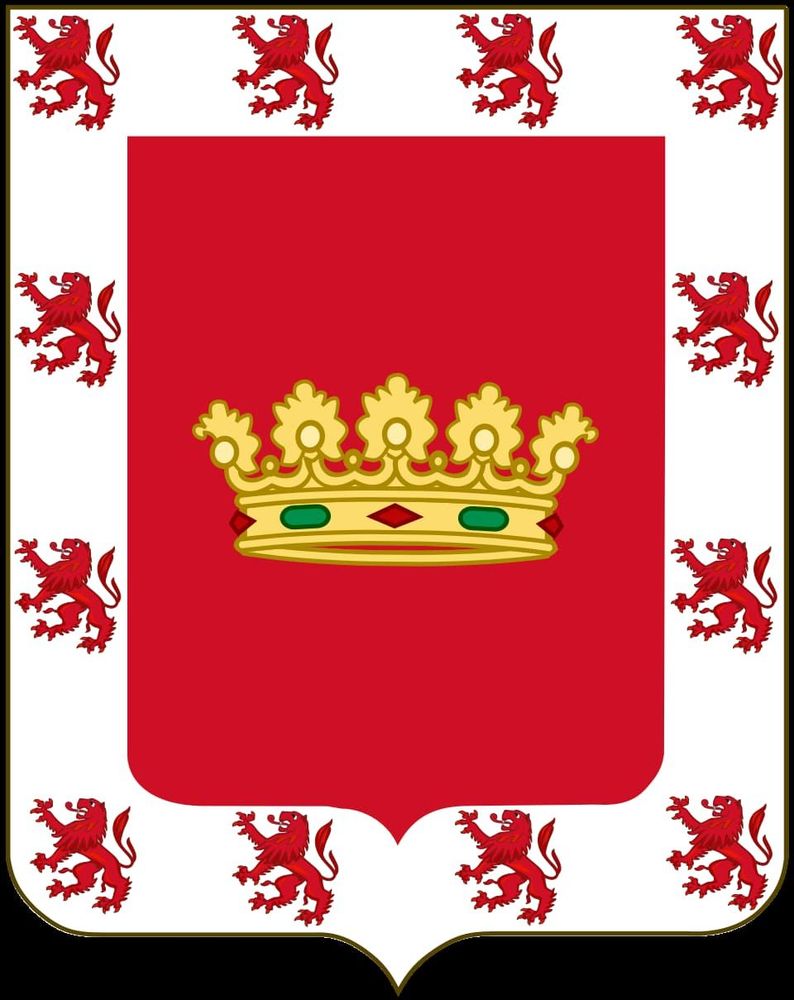
©Heralder - CC BY-SA 4.0 <https://creativecommons.org/licenses/by-sa/4.0/deed.fr>via Wikipedia Commons
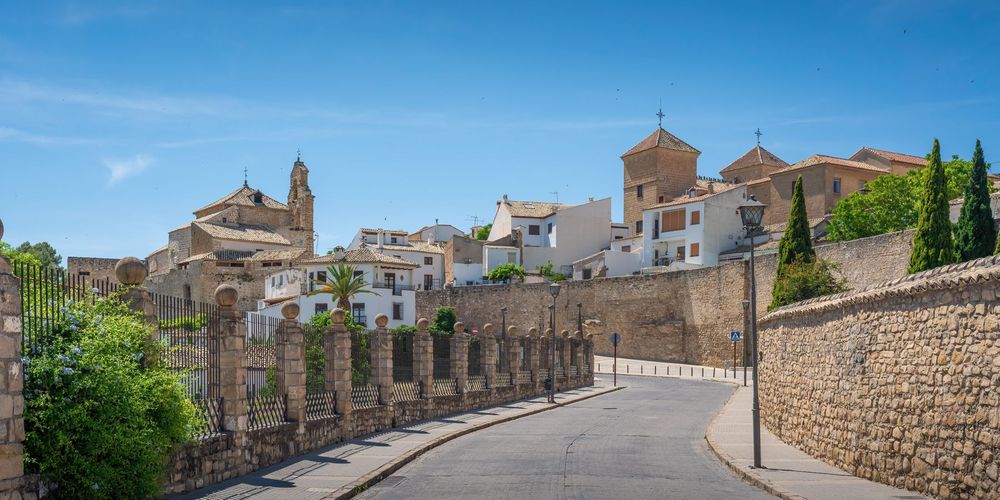
As you walk through the oldest part of the city, let’s take a moment to trace the history of this beautiful Andalusian town. Úbeda has existed for more than a thousand years, yet its story begins much earlier: the hill on which it stands has been inhabited since prehistoric times. The city as we know it took shape mainly during the Arab period, around the ninth and tenth centuries, when it grew into an important fortified town of Al-Andalus organised around an alcázar, a great mosque and a network of narrow streets.
In 1234, the troops of Ferdinand III conquered it definitively, bringing Úbeda under Christian rule. Churches, convents and new neighbourhoods soon developed, but it was above all in the sixteenth century that the city reached its golden age. The local nobility, enriched and close to the royal court, called on the architects of the Spanish Renaissance—especially Andrés de Vandelvira—to build palaces, chapels and monumental squares.
This spectacular transformation gave Úbeda its present appearance and earned it World Heritage status centuries later. Even today, as you wander through its streets, you move in turn through the Arab city, the medieval city and the Renaissance city, as if several eras coexisted in the same place. Keep walking to discover them all.
Aucun avis pour le moment
