





Walk
The cultural soul of Switzerland
Basel, Switzerland
Walk
The cultural soul of Switzerland
Basel, Switzerland
3.2 km
Distance
1h30
Durée
25
Audios
Loop
Parcours
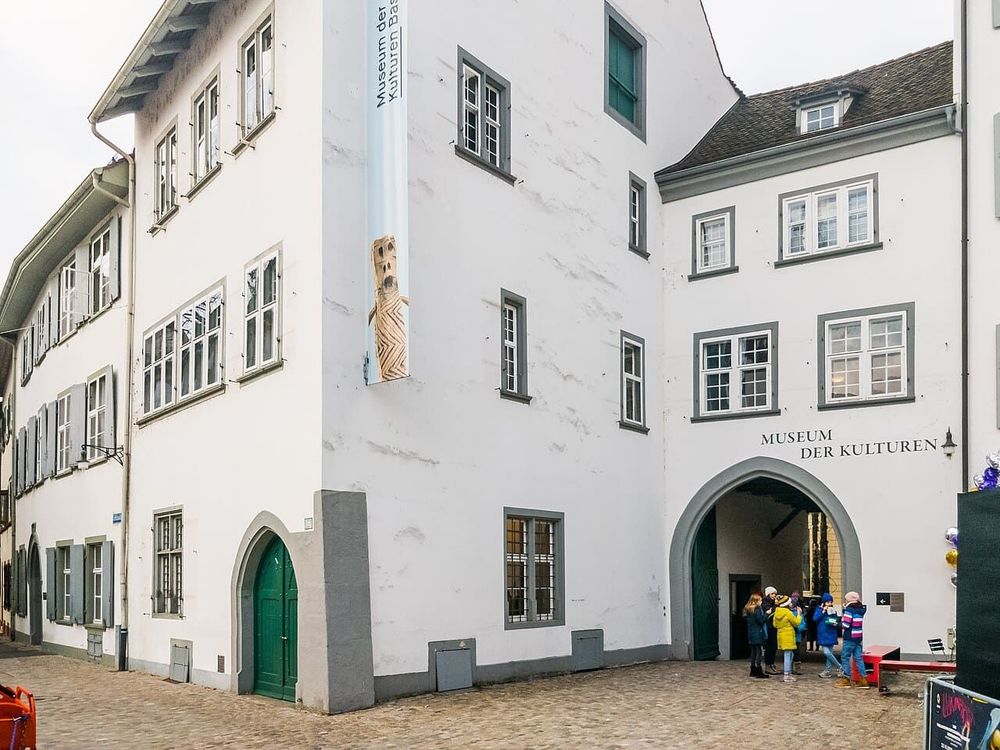
©Raimond Spekking BY-SA 4.0. <https://creativecommons.org/licenses/by-sa/4.0/deed.fr>via Wikipedia Commons
The Basel audio-guided tour presents you with the Museum of Cultures, one of the most important ethnographic museums in Europe and the largest in Switzerland in this field.
The history of the museum goes back to the nineteenth century, when travellers, scientists and collectors began to gather in Basel objects from all over the world. In 1893, these collections became autonomous, marking the official birth of the museum. It today holds nearly three hundred thousand objects and as many photographs, from Europe, Africa, Asia, the Americas and Oceania. Among the most impressive pieces is the monumental façade of a ceremonial house from Papua New Guinea, more than sixteen metres high.
The museum emphasises the dialogue between cultures and the links that unite societies. The building itself reflects this meeting between past and present, with historic structures integrated into a contemporary transformation signed by the Basel architects Herzog & de Meuron, recognisable by its boldly shaped roof. The exhibitions address varied themes, from rituals and beliefs to local traditions such as the Basel carnival.
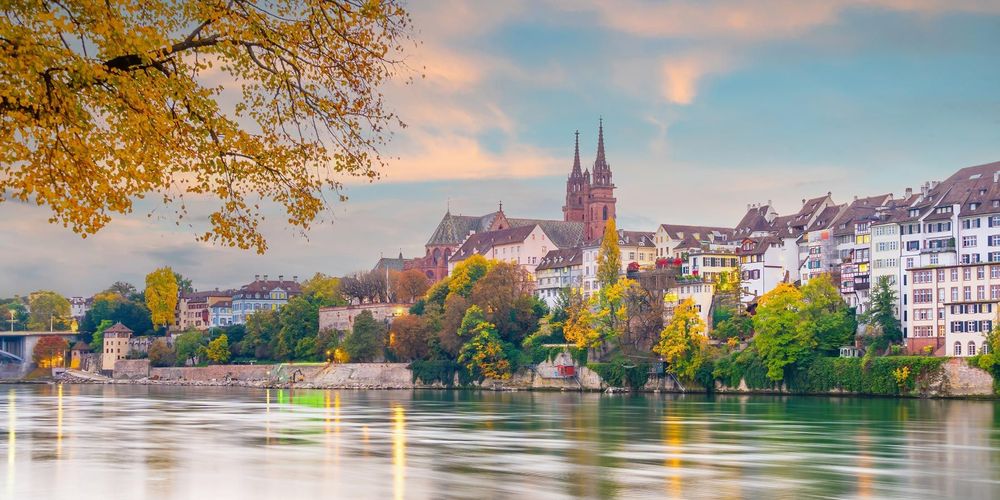
The Museum of Cultures is in the old town of Basel, near the cathedral. It can generally be visited all year round according to hours that may vary depending on the season. It is advisable to check the conditions of access and the prices before the visit.
Nearly three hundred thousand objects and as many photographs, from Europe, Africa, Asia, the Americas and Oceania.
The Basel architects Herzog & de Meuron, whose boldly shaped roof marries historic structures and contemporary architecture.
Aucun avis pour le moment
