



Walk
Behind the Scenes of Liberty
Boston, Estados Unidos
Walk
Behind the Scenes of Liberty
Boston, Estados Unidos
Distance
4.4 kmDurée
1h50Audios
27Parcours
Loop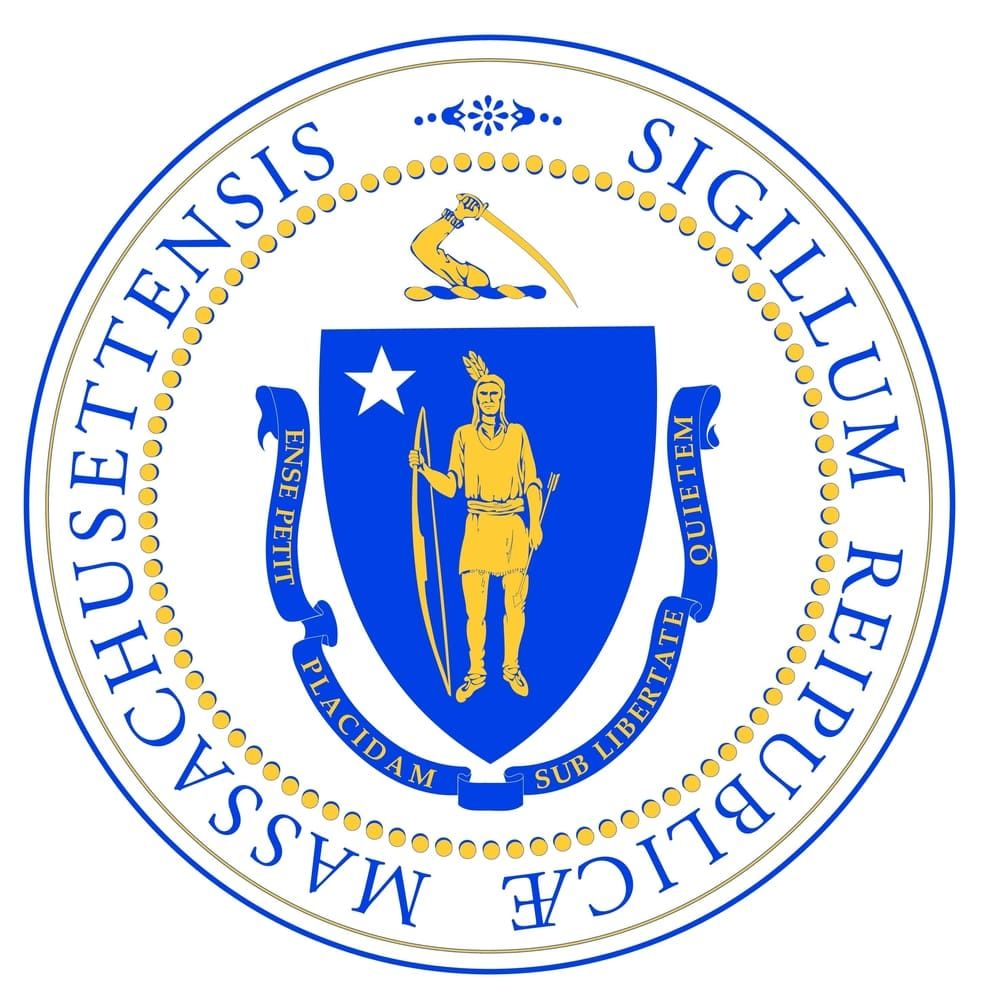
Shutterstock
Turn around to see the bas-relief created in 1930 to mark Boston’s 300th anniversary. It depicts the meeting between William Blaxton and John Winthrop in 1630. Blaxton is often described as Boston’s first settler. An eccentric scholar, he had built himself a solitary cabin surrounded by an orchard around 1625, on the site that would later become the city. When the Puritan colonists arrived, he showed them the fresh-water spring that would save the struggling settlement. But the friendly handshake carved into this monument tells only part of the story. Blaxton did not arrive in an empty wilderness. This peninsula was known as Shawmut and had been home to the Indigenous Massachusett people for thousands of years. In fact, the Commonwealth of Massachusetts takes its name directly from this powerful nation. The name means “great hill,” a reference to the Blue Hills south of the city. Although they appear only in the background here, the Massachusett had already been devastated by epidemics brought by the earliest European explorers, with disease claiming as many as 90 percent of the original population. That catastrophe created the conditions that allowed English settlers to take control of the land and gradually cut the survivors off from the resources they depended on. Their suffering did not end there. During King Philip’s War in 1675, hundreds of Indigenous people, including many who had converted to Christianity, were rounded up by the colonial authorities and forcibly confined on Deer Island in Boston Harbor under appalling conditions. Many died there from hunger and exposure to the cold. Yet the Massachusett people did not disappear with the arrival of the English ships. Their descendants, including members of the Massachusett Tribe at Ponkapoag, continue to preserve their culture and remind us that Boston’s founding was also a story of dispossession. That history still shapes public debate today. The Massachusetts state flag features an Indigenous man beneath an arm holding a raised sword. For many Native people, the image is an offensive reminder of colonial violence. A commission has recently begun considering a new design, although some also worry that removing all Indigenous imagery would only deepen their historical erasure.
Aucun avis pour le moment
