© Shutterstock
 Votre guide Ryo
Visiting Hérault: 15 must-see places to discover
Between the Mediterranean and the hinterland, Hérault reveals a mosaic of exceptional landscapes and heritage. From the medieval streets of its most beautiful villages to the turquoise waters of its beaches, passing through spectacular gorges and vineyards stretching to the horizon, this department in southern France offers a diversity that delights all travelers. Whether you're a culture enthusiast, nature lover, or seeking relaxation by the Mediterranean, visiting Hérault promises unforgettable discoveries. Here is our selection of the 15 must-do activities to discover all the facets of this exceptional territory.
1. Montpellier, the dynamic Hérault capital
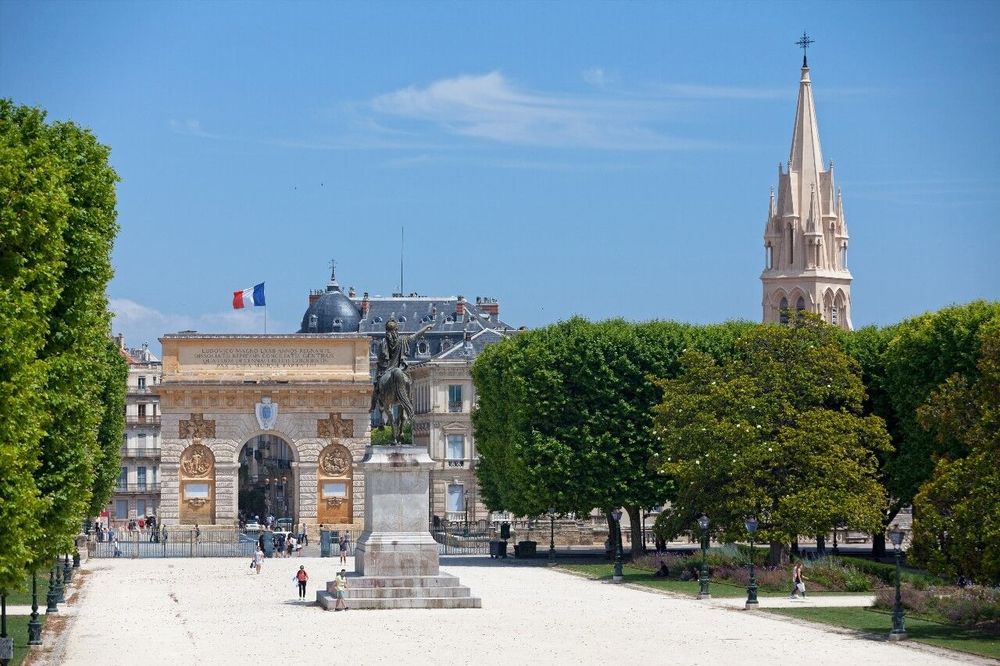
It's impossible to visit Hérault without passing through Visiting Montpellier, its radiant prefecture. Nicknamed "la Surdouée" (the Gifted One), this vibrant university city harmoniously blends historic heritage and modern architecture. Its medieval center, l'Écusson, unfolds a network of cobblestone streets where magnificent private mansions from the 17th and 18th centuries stand.
The Place de la Comédie (Place de la Comédie, 34000 Montpellier, rated 4.2/5 on Google for 4,123 reviews) forms the beating heart of the city. With its Fountain of the Three Graces and its opera house, it invites you to stroll among its numerous cafés and shops. Don't miss the Peyrou promenade and its Saint-Clément aqueduct, the Saint-Pierre cathedral with its imposing porch, or the medical school, the oldest still operating in the world.
Download the audio-guided circuit to discover Montpellier on foot and independently
For complete immersion in the city's history and secrets, let yourself be guided by the Ryo audio-guided itinerary. This 3.5 km route takes you to discover 21 points of interest through l'Écusson and the main Montpellier monuments, from the Peyrou Promenade to the Saint-Clément Aqueduct, with captivating anecdotes and enriching historical commentary. A fun and autonomous experience to not miss any of Montpellier's must-sees.
2. Saint-Guilhem-le-Désert, classified medieval jewel
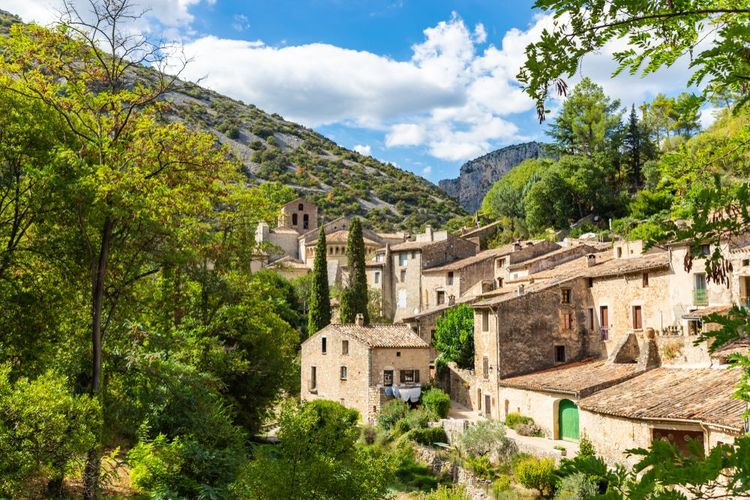
Nestled in the heart of the Hérault gorges, Saint-Guilhem-le-Désert is among France's most beautiful villages and is listed as a UNESCO World Heritage site. This medieval town, built around its Gellone Abbey founded in the 9th century, exudes a unique and timeless atmosphere. Its narrow streets with ochre stone facades wind their way to the majestic Place de la Liberté, shaded by a century-old plane tree.
The Gellone Abbey (Rue Fontaine, 34150 Saint-Guilhem-le-Désert, rated 4.7/5 on Google for 1,890 reviews) is the village's architectural jewel. Its Romanesque cloister, secular vaults, and crypt are well worth the visit. In the surroundings, the Hérault gorges offer spectacular landscapes, perfect for hiking and canoeing. When exploring the region, don't forget to let yourself be guided by Ryo's visit itinerary to also discover Montpellier and its surroundings.
3. Sète, the Languedoc Venice and its canals
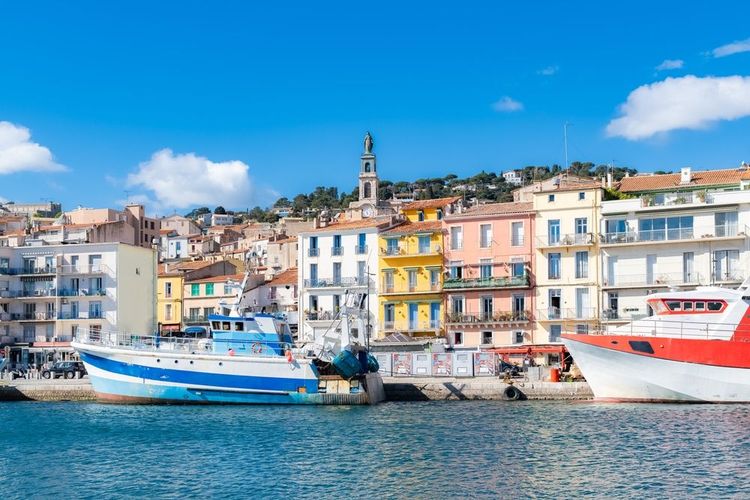
Nicknamed "l'île singulière" (the singular island) by Paul Valéry who was born there, Sète enchants with its authentic maritime character. As France's leading Mediterranean fishing port, the city unfolds its canals lined with colorful facades, creating a unique atmosphere between sea and Thau lagoon. Mont Saint-Clair (Montée des Pierres Blanches, 34200 Sète, rated 4.6/5 on Google for 671 reviews) offers exceptional panoramic views over the city, coastline, and lagoons.
Don't miss the old port and its waterfront restaurants where you can taste tielles sétoises, the local specialty. The marine cemetery, which houses Paul Valéry's tomb, majestically overlooks the Mediterranean. In summer, water jousting perpetuates a centuries-old colorful tradition. For a complete visit of the department, consider exploring other cities with the region's audio-guided circuits.
4. The Navacelles circus, grandiose geological spectacle
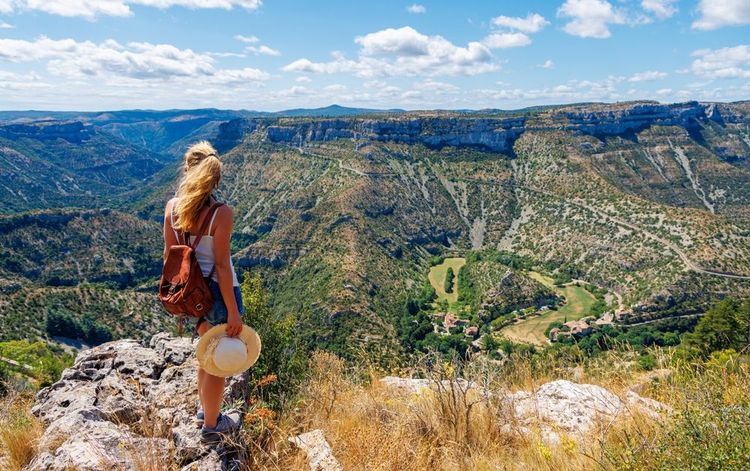
A true natural wonder, the Navacelles circus testifies to millions of years of erosion. This geological curiosity, classified as a Grand Site de France, results from an abandoned meander of the Vis river that carved a canyon more than 300 meters deep. At the bottom of this spectacular circus, the small hamlet of Navacelles seems frozen in time, surrounded by vertiginous cliffs.
Several developed viewpoints allow you to admire this breathtaking panorama. The north viewpoint (Blandas, 30770, rated 4.7/5 on Google for 3,452 reviews) offers an unforgettable plunging view. Hiking trails allow you to descend into the heart of the circus to discover the Vis waterfall and its old mill. An exceptional natural site that perfectly illustrates Hérault's geological richness.
5. Lake Salagou and its red lands
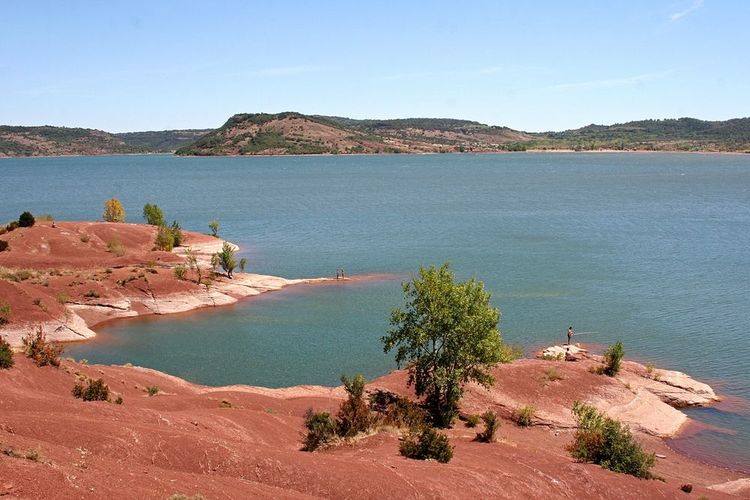
Lake Salagou reveals a unique lunar landscape in France. Artificially created in the 1960s, this 750-hectare body of water is distinguished by its characteristic red earth banks, due to the presence of iron oxide. This color contrasting with the intense blue of the waters creates a striking natural tableau, particularly photogenic at sunset.
The lake is an ideal playground for water sports enthusiasts: sailing, windsurfing, canoeing-kayaking, and swimming are on the program. Cyclists and hikers appreciate the trail that goes around the lake, offering changing viewpoints of this exceptional setting. Nearby, the Mourèze circus (34800 Mourèze, rated 4.6/5 on Google for 2,108 reviews) presents an equally impressive dolomitic rock chaos.
6. Pézenas, Molière's city
Pézenas breathes art and history on every street corner. This city of art and history was the residence of the Governors of Languedoc and welcomed Molière's troupe on several occasions in the 17th century. The playwright drew inspiration for several of his works there, which earns Pézenas the nickname "Versailles of Languedoc."
Strolling through the historic center reveals sumptuous Renaissance private mansions, art craftsmen's shops, and hidden interior courtyards. The Molière national stage (Place du 14 Juillet, 34120 Pézenas, rated 4.4/5 on Google for 147 reviews) perpetuates the city's theatrical tradition. Food lovers will delight in Pézenas' small pies, a sweet-savory specialty inherited from Lord Clive who stayed in the city in the 18th century.
7. Béziers and the Fonséranes locks
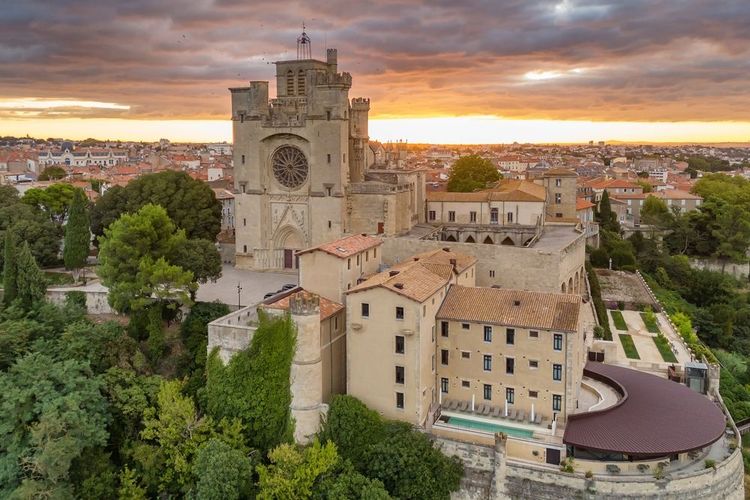
Béziers, a two-thousand-year-old city, proudly dominates the Languedoc plain from its rocky spur. Its Saint-Nazaire cathedral (Place de la Révolution, 34500 Béziers, rated 4.5/5 on Google for 1,542 reviews), an imposing Gothic fortress, watches over the city and offers panoramic views of the surroundings and the Orb valley from its cloister.
But Béziers' jewel remains undoubtedly the Fonséranes locks (1 Allée de l'Ecluse, 34500 Béziers, rated 4.6/5 on Google for 8,374 reviews), a technical feat of the UNESCO-listed Canal du Midi. This water staircase composed of nine locks allowed barges to cross a 21-meter elevation difference. The beautifully developed site offers a museum and a pedestrian route to understand the functioning of this 17th-century engineering work.
8. Cap d'Agde and its Mediterranean beaches
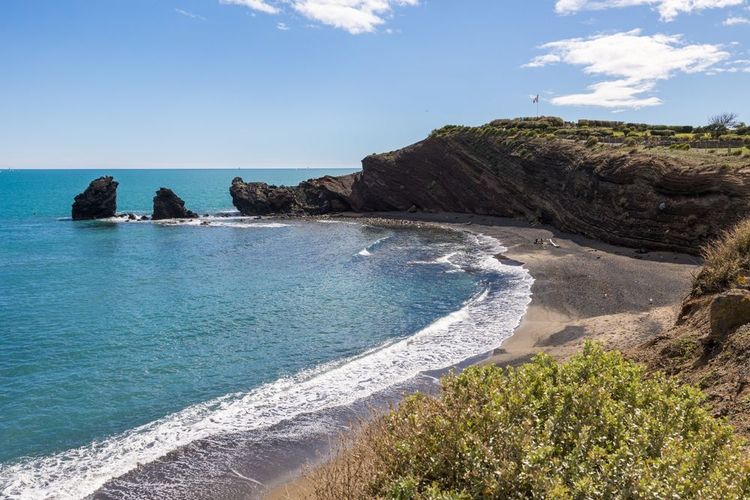
Cap d'Agde combines historical heritage and seaside pleasures. This renowned seaside resort stretches over 20 kilometers of fine sandy beaches along the Mediterranean. Grande Conque beach (Avenue des Iles d'Amérique, 34300 Agde, rated 4.6/5 on Google for 1,203 reviews), nestled between volcanic cliffs, offers a particularly appreciated preserved natural setting.
The Ephebe Museum (Mas de la Clape, 34300 Agde, rated 4.3/5 on Google for 348 reviews) presents an exceptional collection of underwater archaeology, including the famous Ephebe of Agde, a 4th-century BC bronze statue. The old town of Agde, built in black volcanic basalt, also deserves a visit with its fortified Saint-Étienne church and traditional fishing port.
9. The Hérault gorges and the Devil's Bridge
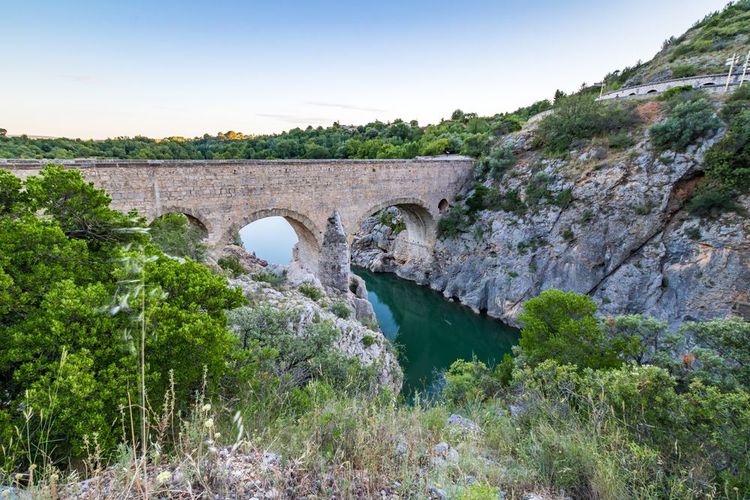
The Hérault gorges offer a spectacular natural corridor between Causses and Mediterranean. These limestone gorges, carved by the river, offer varied landscapes alternating rock faces, holm oak forests, and pebble beaches. The Devil's Bridge (Route de Saint-Guilhem-le-Désert, 34190 Aniane, rated 4.6/5 on Google for 1,785 reviews), UNESCO World Heritage listed, is the emblematic monument of the gorges.
This 11th-century Romanesque work, one of France's oldest medieval bridges, spans the Hérault with an elegant arch. According to legend, only the Devil could have built such a daring bridge, hence its name. Below, the turquoise waters invite swimming in a preserved natural setting. The descent of the gorges by canoe from Saint-Bauzille-de-Putois to the Devil's Bridge remains a flagship activity for visiting Hérault differently.
10. The Demoiselles cave, underground cathedral
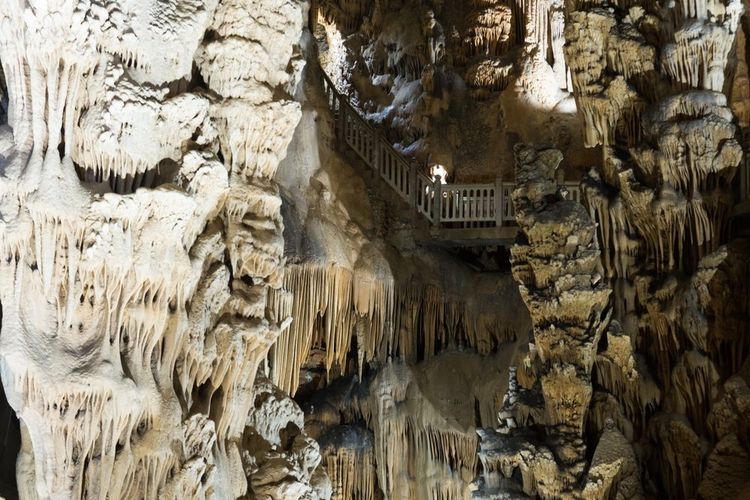
The Demoiselles cave (Route de la Grotte, 34190 Saint-Bauzille-de-Putois, rated 4.7/5 on Google for 1,266 reviews) impresses with its cathedral-like dimensions. Accessible by a funicular carved into the rock, this natural cavity reveals a gigantic room 120 meters long, 80 meters wide, and 50 meters high, adorned with millennial concretions of amazing shapes.
The highlight of the show remains the "Virgin and Child" stalagmite, a several-meter-high natural formation that indeed evokes a madonna carrying her child. The light effects reveal the limestone draperies, organs, and fistulous formations that adorn the vaults of this underground marvel. The guided tour of about an hour plunges visitors into a fascinating mineral universe, witness to millions of years of slow geological formation.
11. The Clamouse cave, concentration of crystals
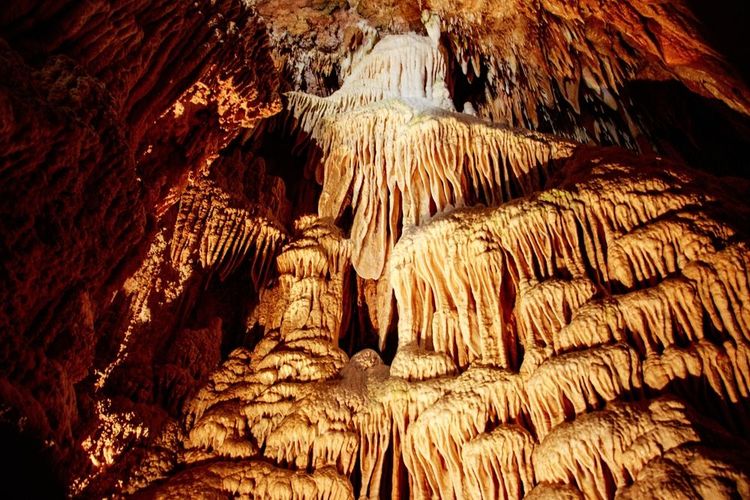
Located near the Devil's Bridge and Saint-Guilhem-le-Désert, the Clamouse cave (34150 Saint-Jean-de-Fos, rated 4.6/5 on Google for 1,061 reviews) is distinguished by its exceptional richness in crystallizations. Considered to house the most beautiful concentration of crystals in Europe, this geological cavity amazes with the diversity and beauty of its concretions: aragonites, eccentrics, draperies, and fistulous formations line its galleries for nearly a kilometer.
The underground route, equipped with environmentally-friendly LED lighting, allows you to admire these natural wonders formed drop by drop for millennia. For the more adventurous, the cave also offers a speleological park and an underground escape game, providing a fun and immersive experience in the bowels of the earth. An essential visit for those who want to explore Hérault's exceptional natural heritage.
12. Maguelone Cathedral, spiritual island
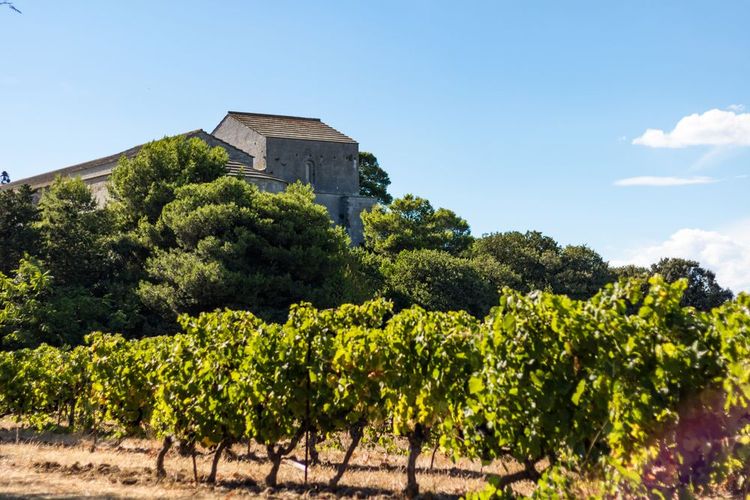
Isolated on an islet between sea and lagoons, Maguelone Cathedral (34750 Villeneuve-lès-Maguelone, rated 4.6/5 on Google for 1,387 reviews) exudes a unique mystical atmosphere. This 12th-century fortified Romanesque building, former cathedral of a disappeared bishopric, stands proudly amidst vineyards and lagoon.
The cathedral's massive architecture, with its crenellated ramparts, testifies to a troubled past marked by Saracen attacks. The interior, sober and stripped down, invites contemplation. The site hosts concerts and cultural events during summer, taking advantage of remarkable acoustics. The immediate surroundings, property of Emmaüs Companions who cultivate vines there, offer beautiful walks between lagoons and Mediterranean.
13. Espiguette beach and its wild dune
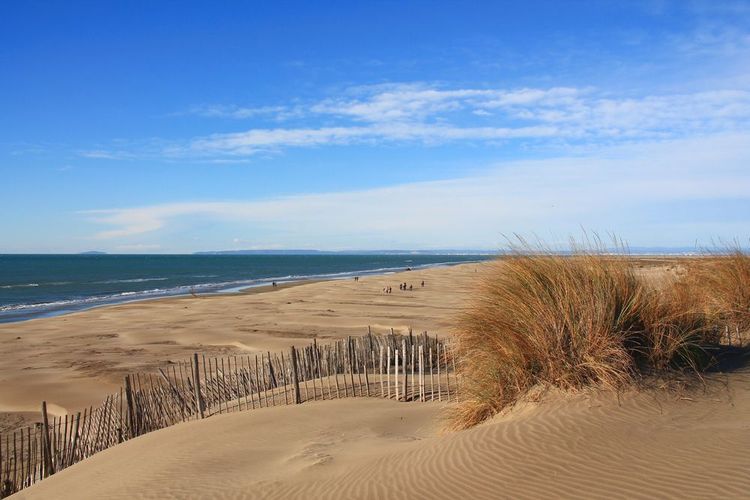
The Espiguette beach (30240 Le Grau-du-Roi, rated 4.6/5 on Google for 2,874 reviews), although technically located in neighboring Gard, constitutes the natural extension of the Hérault coastline and is well worth the detour. This several-kilometer-long tongue of sand remains one of the region's last wild beaches, dominated by an emblematic lighthouse and protected by impressive dunes.
The Grand Travers, a sector of Espiguette, reveals an almost desert-like landscape where moving dunes sometimes reach ten meters in height. This preserved natural site is perfectly suited for long walks facing the Mediterranean, kitesurfing, and contemplating sunsets. Bicycle access from La Grande-Motte or Le Grau-du-Roi constitutes a pleasant ride along the coast.
14. Fontcaude Abbey, hidden Cistercian jewel
Nestled in a wooded valley of the Béziers hinterland, Fontcaude Abbey (34320 Cabrerolles, rated 4.5/5 on Google for 157 reviews) remains a well-kept secret of Hérault. Founded in the 12th century by the Cistercian order, this abandoned then restored abbey in the 20th century has regained its ancient serenity.
The sober and elegant Romanesque architecture typical of Cistercians unfolds in the cloister, abbey church, and conventional buildings. The surrounding rural setting, crossed by a stream, adds to the site's charm. The abbey now hosts temporary exhibitions, concerts, and artist residencies, thus perpetuating its spiritual and cultural vocation in a preserved green setting.
15. Pic Saint-Loup, Hérault's Sainte-Victoire
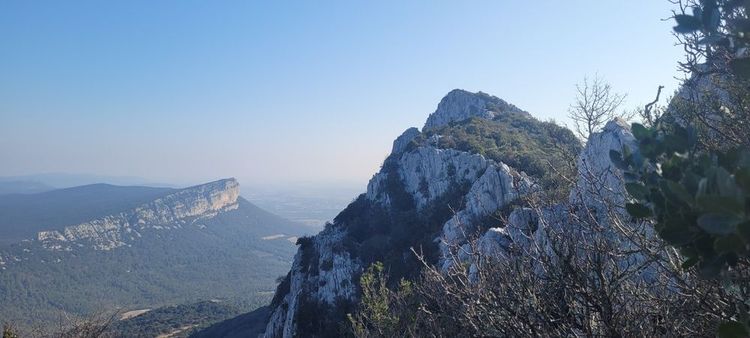
The Pic Saint-Loup (34270 Saint-Mathieu-de-Tréviers, rated 4.7/5 on Google for 1,285 reviews), an emblematic mountain culminating at 658 meters, majestically dominates the Montpellier hinterland. This limestone rock bar, visible from Montpellier on clear days, is one of the department's natural symbols and gives its name to a renowned wine appellation.
The ascent of Pic Saint-Loup, accessible by several hiking trails, rewards walkers with an exceptional 360-degree panorama over the Cévennes, Mediterranean, and Languedoc plain. At the foot of the peak stretch prestigious wine estates producing AOC Pic Saint-Loup wines, recognized for their quality. The discovery of this terroir is pleasantly completed by tastings in surrounding cellars and visits to characteristic villages like Saint-Martin-de-Londres.
In conclusion, visiting Hérault reveals a destination with multiple facets that will seduce all types of travelers. Between exceptional medieval heritage, grandiose natural sites, Mediterranean beaches, and renowned vineyards, this department in southern France offers unsuspected richness. Whether you choose to discover Montpellier with an audio guide, immerse yourself in the mystical atmosphere of Saint-Guilhem-le-Désert, or explore the spectacular gorges of Navacelles circus, each place tells a unique story. Hérault is lived and felt, between Languedoc authenticity and Mediterranean sweetness, for unforgettable memories engraved between land and sea.
FAQ
What is the best time to visit Hérault?
The best time to visit Hérault extends from April to October. Spring (April-May) and autumn (September-October) offer pleasant temperatures, fewer crowds, and green or colorful landscapes. Summer (June-August) is ideal for enjoying beaches but experiences heavy tourist traffic. Winter remains mild and allows discovering cultural heritage in peace.
How much time is needed to visit Hérault?
To discover Hérault's main must-sees, plan a minimum of 5 to 7 days. A long weekend allows exploring Montpellier and its close surroundings. A complete week will let you combine city, characteristic villages, natural sites, and beaches. For an in-depth discovery including hiking and water activities, count 10 to 15 days.
How to get around in Hérault?
Car remains the most practical means to visit Hérault, especially to access natural sites and perched villages. The department however has a good public transport network. TER serves the main cities (Montpellier, Béziers, Sète, Agde). Montpellier has an efficient tram network. For an ecological approach, numerous cycle paths run along the coast and Canal du Midi.
What are Hérault's culinary specialties not to be missed?
Hérault delights gourmets with its Mediterranean specialties: tielle sétoise (octopus pie), oysters and mussels from Thau lagoon, brandade de Nîmes, pélardon (goat cheese), Pézenas small pies, and Pézenas berlingots. For wines, AOC Pic Saint-Loup, Saint-Chinian, Faugères, and Languedoc are among the most renowned. Don't miss local olive oil and garrigue products either.
Is Hérault suitable for family vacations?
Hérault is an ideal destination for families. Fine sandy beaches are perfect for children, and numerous activities are dedicated to them: aquariums (Planet Ocean in Montpellier, Cap d'Agde Aquarium), animal parks (free Lunaret Zoo), spectacular caves, boat trips, adventure courses, and leisure centers. Medieval villages fascinate young and old alike, and easy hiking trails allow beautiful family discoveries.
À lire également