© Shutterstock
 Votre guide Ryo
Perpignan Neighborhoods: the 2026 Guide to Choosing Where to Stay and Stroll
Search "Perpignan neighborhoods" online and you'll mostly find real estate listings and rough rankings—rarely what truly sets one street in the old town apart from a housing development in Moulin à Vent. Yet the prefecture of the Pyrénées-Orientales has a very readable urban geography once you have the key: a dense medieval core, a suburban ring built in the 1960s and 1970s, and a northern district that has been under permanent construction for ten years. Within just a few square kilometers, this Catalan city layers a cathedral dating from 1324, a daily market with 140 stalls, family-friendly houses with gardens, and nine neighborhoods classified as priority areas under national urban policy. The Ryo audio-guided tour of Perpignan passes through several of these atmospheres in a single walk, from the Castillet to the alleyways of Saint-Jean. This guide reviews the main neighborhoods of Perpignan, from the medieval center to the eastern housing estates: their history, their everyday atmosphere, the price per square meter recorded in summer 2026, and the questions everyone asks before deciding where to set down their bags—including the slightly uncomfortable ones.
How to Find Your Way Around the Perpignan Neighborhood Map
Before going into detail sector by sector, two reference points are enough to understand how the city is organized: a waterway and a local administrative body.
The Basse and the Têt: the Two Lines That Structure the City
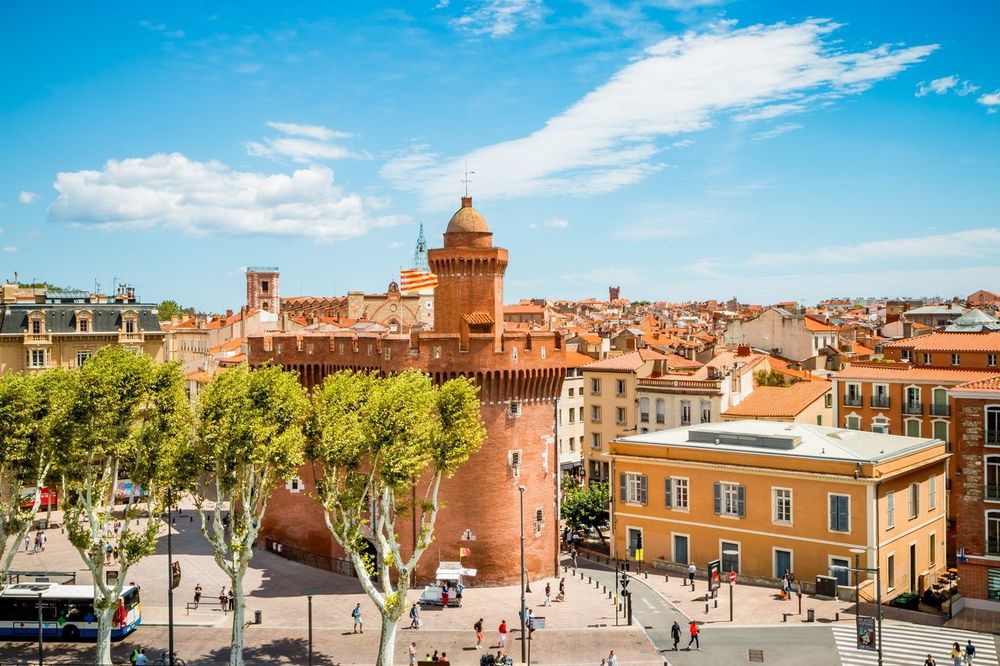
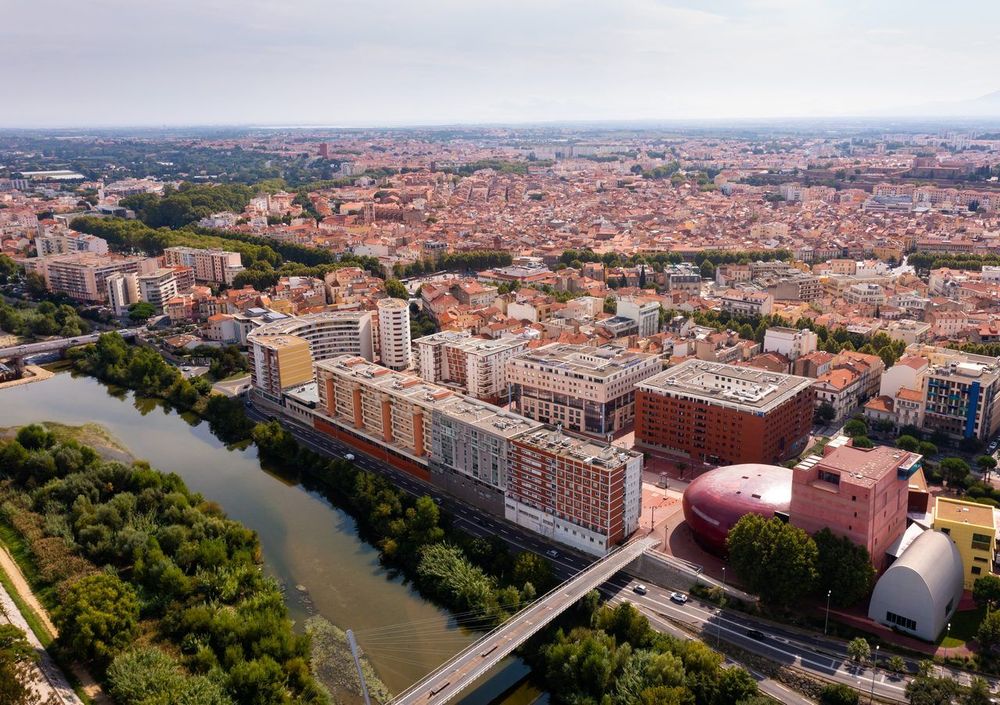
The Têt runs through Perpignan from west to east and clearly separates the northern part of the city—where the Vernet and Nouveau Logis districts are located—from the rest of the urban area. Further south, the Basse, a small canalized river that runs alongside the Castillet (Place de Verdun, 66000 Perpignan, rated 4.4/5 on Google with 4,447 reviews) and the promenade des Platanes, marks the historic boundary of the old town. Between the two lie the cathedral, the Palace of the Kings of Majorca, the shops and the bulk of the heritage.
To the south and west of this line stretch the residential neighborhoods built after the war: Moulin à Vent, Porte d'Espagne, Las Cobas, Saint-Assiscle. To the east, the city extends toward Cabestany and the large Sant Vicens park. This reading is more useful than any tourist map: it explains why prices, atmosphere and transport links change so quickly from one area to another.
Five District Town Halls to Handle Everything Close to Home
Perpignan has divided its territory into five administrative sectors, each with its own district town hall. The one for the historic center is at 12 rue Jeanne d'Arc, open Monday to Friday from 8:30 a.m. to 5 p.m. without a lunch break. The others follow the same pattern: Nord at 210 avenue du Languedoc, Sud at 5 bis place de la Sardane, Est at 1 rue des Calanques, and Ouest at 16 avenue de Belfort.
This detail may seem trivial when you're visiting, but it becomes very practical once you move in: civil registry matters, school enrollment, residential parking permits and road reports are all handled there, without going through the main town hall. Finding your local district town hall is one of the first useful reflexes after moving.
The Historic Center and Saint-Jean: the Catalan Heart of Perpignan
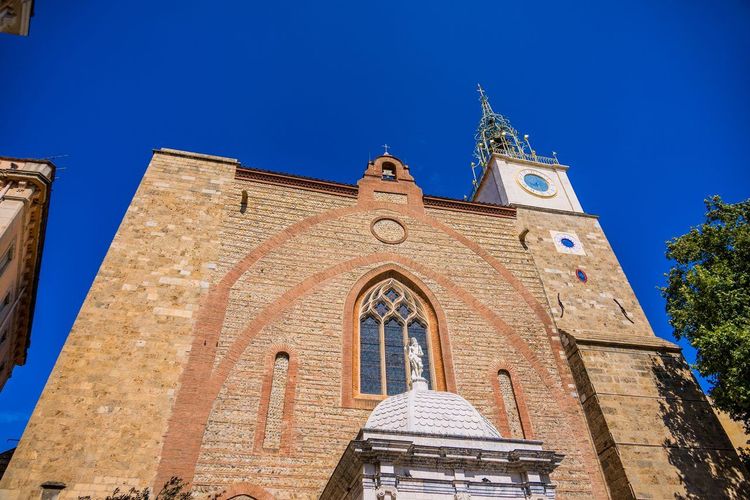
The historic center alone accounts for half the postcards of the city, but it functions above all as a real living neighborhood, with its food shops, schools and neighborly disputes. Around Saint-Jean Cathedral, cobbled alleyways wind between ochre façades and Catalan shutters, in a maze that resisted the major renovation projects of the 2000s. It is also the most sought-after area for buyers looking for authenticity, despite older buildings that often require work. People come here to get lost for an afternoon; some end up staying for years.
Saint-Jean Cathedral, the Campo Santo and the Castillet
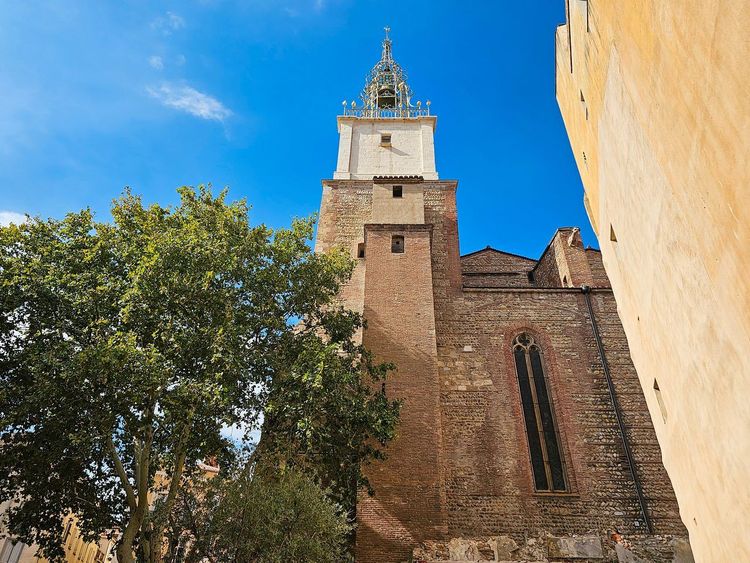
The cathédrale Saint-Jean-Baptiste was born of a construction project launched in 1324 by Sanç de Majorque, completed only in 1509—which explains the blend of southern Gothic, brick and river pebbles typical of Catalan architecture.
Inside, an isolated chapel houses the Dévot Christ, a crucifix sculpted in the early 14th century whose realism surprises even visitors who are not particularly sensitive to religious art. Right next door, the Campo Santo, a 14th-century cloister-cemetery lined with white marble arcades, is the oldest funerary building of this type preserved in France. It now serves as a venue for concerts in summer, and is probably the quietest spot in the center at noon.
A few minutes away, the Castillet marks the historic entrance to the city. This red-brick fortified gate, built in the 14th century and later converted into a prison, has been a listed historic monument since 1889 and houses the Casa Pairal museum, dedicated to Catalan traditions.
Allow 142 steps to reach the rooftop terrace and its 360-degree view over the Roussillon plain, the Canigou and the sea. Admission costs 2 euros, free for under-26s and for everyone on the first Sunday of the month. From June to September, the museum is open daily from 10:30 a.m. to 6:30 p.m.; from October to March, from 11 a.m. to 5:30 p.m., closed on Mondays.
The Loge de Mer and the Central Squares
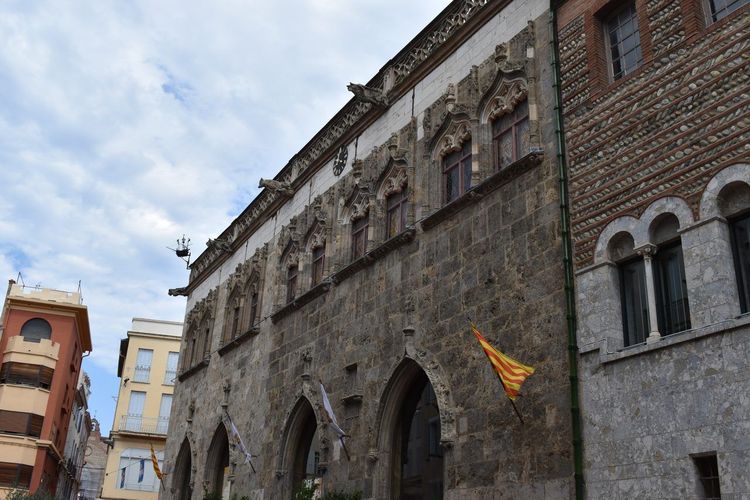
The Loge de Mer (Place de la Loge, 66000 Perpignan, rated 4.6/5 on Google with 36 reviews) closes off place de la Loge with its Catalan Gothic façade. The building was authorized in 1397 by Martin I of Aragon to house the maritime court established nine years earlier, and its ornate balustrade dates from 1439.
Its more recent history is less glamorous: a theater in the 18th century, a fast-food restaurant from 1984 to 2001, then the Café de France brasserie until 2017. Since then, the ground floor has remained empty. The municipality bought back the commercial lease for 250,000 euros with the idea of installing the tourist office there—a project regularly debated by heritage protection associations. If you walk through place de la Loge in 2026, don't be surprised to find the doors of one of the city's finest civic monuments firmly shut.
In the evenings, the terraces of place de la Loge, place Arago and rue de la Fusterie concentrate most of the center's social life, with Catalans and visitors mingling freely.
The Catalan Alleyways and Neighborhood Life
The urban fabric remains very dense: narrow streets, often without pavements, where scooters weave between pedestrians. Parking is a competitive sport, and most residents of the center end up renting a space in an underground car park or simply going car-free.
Looking to buy here? The average price is around 1,600 euros per square meter in spring 2026, with considerable variation depending on the condition of the property: from under 900 euros for a building requiring complete renovation to more than 2,500 euros for a renovated apartment with a terrace. Visit at several different times of day before deciding: the neighborhood changes completely between the quiet of a Sunday afternoon and the buzz of a Thursday evening.
To get a feel for the area before moving in or simply strolling through, the Ryo Perpignan city audio tour covers this area in 20 audio segments and about an hour of walking, from the Castillet to the cathedral.
Saint-Jacques: the Gypsy Quarter and Its Daily Market
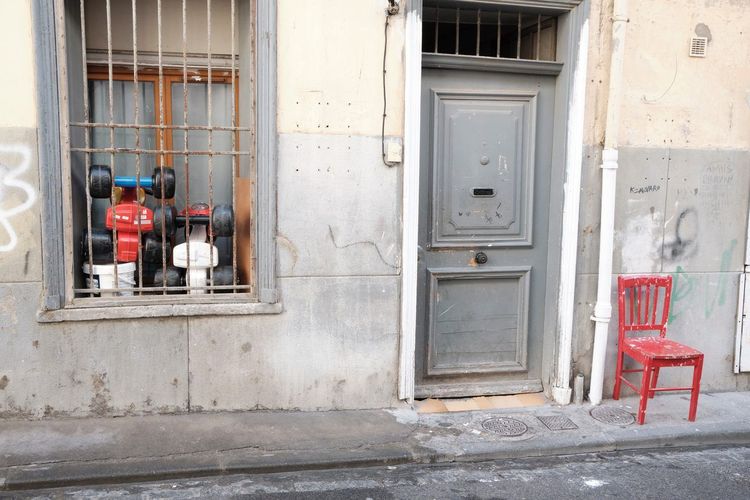
Saint-Jacques is arguably the most talked-about neighborhood in Perpignan, and not always for the right reasons. Perched on the hillside just to the southeast of the cathedral, it combines a strong cultural identity, severely deteriorated buildings in places, and the city's largest urban renewal project. Perpignan is hard to fully understand without having walked at least once through its alleyways, even if a visit requires a little more preparation than the neighboring historic center.
Place Cassanyes and Its 140 Market Stalls
Tuesday to Sunday, from 7:30 a.m. to 1 p.m., place Cassanyes (Place Cassanyes, 66000 Perpignan, rated 4.0/5 on Google with 640 reviews) hosts the liveliest market in the city: up to 140 stalls selling fruit and vegetables, spices, clothing and cosmetics, at prices well below those in the center's shops.
Beware of a common mix-up: Perpignan's actual flea market is not held here but on avenue du Palais des Expositions, on Sunday mornings from 7:30 a.m. to 1 p.m. Both are worth a visit, but for different reasons. Coming early to Cassanyes—before 9 a.m.—remains the best way to avoid the weekend crowd and chat with the producers. In the surrounding streets, a few Catalan bakeries still sell bunyettes and rousquilles using family recipes, well off the tourist trail.
The Medieval Call, the Church of Saint-Jacques and the Rumba
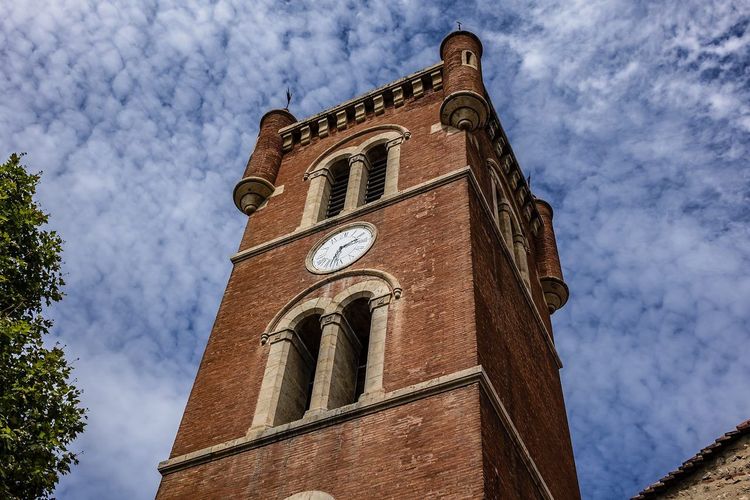
The neighborhood has a history of successive cohabitations. Between 1243 and 1493, it was home to the Call, Perpignan's Jewish quarter—one of the most important in the Kingdom of Majorca. The church of Saint-Jacques, dating from the 14th century, still houses the Confrérie de la Sanch, whose Good Friday procession through the streets of the center is listed as an intangible cultural heritage.
The Gypsy community, settled here for centuries, today makes up the vast majority of the neighborhood's residents and keeps alive a well-defined musical tradition: the Catalan rumba, born in these alleyways and exported well beyond the Pyrenees. Guitars can regularly be heard in inner courtyards on summer evenings, without any of it being a show put on for visitors.
Urban Renewal: What Is Changing by 2026
The new national urban renewal program, approved in 2023, mobilizes around 75 million euros in public funding for the area. The principle: demolish uninhabitable blocks, rebuild human-scale housing, and open up public spaces in a fabric where daylight never reaches street level. The first deliveries of rehabilitated social housing are expected during 2026.
Work is progressing block by block, without a uniform schedule, which explains why some streets appear transformed while others, just a hundred meters away, are still waiting their turn. For a first visit, the morning of the market remains the simplest choice: the atmosphere is at its most open, with regular traders and curious passers-by mingling freely.
Moulin à Vent and Las Cobas: the Most Sought-After Residential Neighborhoods
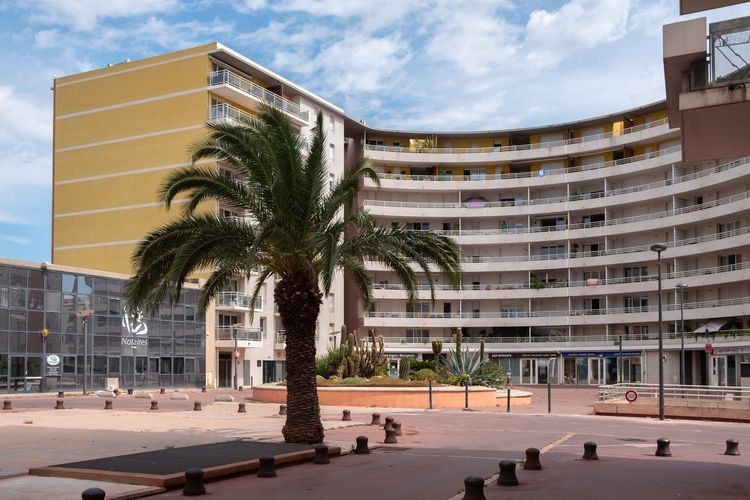
At the opposite end of the spectrum from the historic center, these two areas play the residential calm card. Families with children, young professionals and retirees move here for the same reasons: wide streets, gardens and a quieter neighborhood life than in the heart of the city.
Moulin à Vent: the City's Most Prestigious Suburban Area
The neighborhood was urbanized in the 1960s and 1970s around housing developments with enclosed gardens and individual garages—a model that still attracts Perpignan families looking for more space than the city center offers. Schools, a bakery, a pharmacy and a convenience store are generally within walking distance, reducing car dependency for everyday needs.
The Moulin à Vent and Porte d'Espagne area commands around 2,320 euros per square meter in 2026—the highest level in Perpignan, nearly 45% above the city average. It is one of the few parts of the city where the supply of detached houses exceeds that of apartments, which goes a long way toward explaining the price gap: demand is structurally higher than what comes onto the market each year.
Las Cobas: Quiet Living Between the Train Station and the City Center
Las Cobas occupies a discreet but strategic position, between the rail lines and the central boulevards. The urban fabric is more recent than in the historic core: small apartment blocks from the 1970s and 1990s, a few townhouses, and streets with no through traffic. Rents remain among the most affordable for such a central location, with one-bedroom apartments around 500 euros per month.
The main advantage is the ten-minute walk to the train station, and therefore to connections toward Montpellier, Paris and Barcelona. Few other residential neighborhoods in Perpignan can claim the same.
The Station Quarter and Saint-Assiscle: a Changing West Side
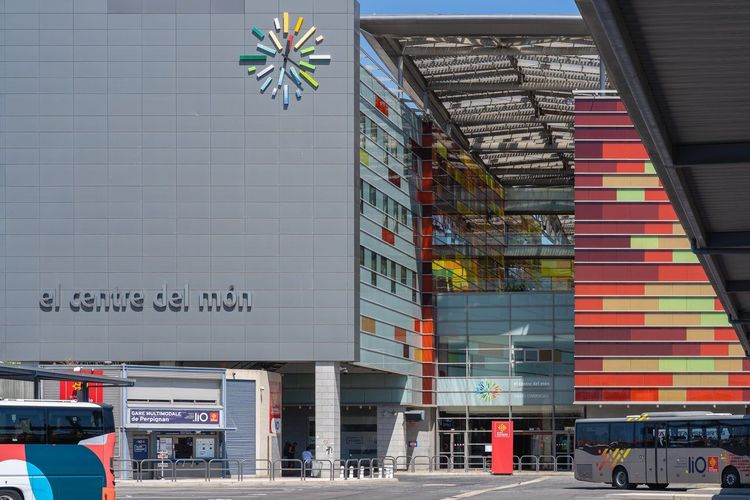
To the west of the center, the train station has reshaped an entire section of the city. The area mixes recent apartment blocks, small workers' houses and very narrow streets, with contrasting social situations from one avenue to the next.
The Station, the Centre del Món and Dalí's Center of the World
Salvador Dalí, who regularly took the train here, declared in 1963 that Perpignan's train station was the center of the world—a phrase that has become famous and has been displayed on the front of the building ever since.
The Centre del Món complex, adjoining the station on the boulevard Saint-Assiscle side, brings together a hotel, shops, offices and public services, including a Gare–Saint-Assiscle community space. For residents, it is above all the starting point for daily commutes to Narbonne or Montpellier, and the obligatory gateway to Barcelona in one hour by train.
Saint-Assiscle: a More Contrasted Neighborhood Than It Appears
Saint-Assiscle extends behind the train station, heading west. Small apartment blocks, individual houses with small gardens and narrow streets make up a fairly quiet whole once you move away from the main roads and the railway. The église Saint-Assiscle (Rue Saint-Assiscle, 66000 Perpignan, rated 4.4/5 on Google with 19 reviews), dedicated to a Catalan martyr, recalls the old village core absorbed by the city's expansion.
A detail missing from many guides: both Saint-Assiscle and the Station quarter appear on the official list of priority neighborhoods under the national urban policy. This is not visible on every street, but it determines renovation funding and social support programs. Prices there remain below the city average, making it an area regularly cited by investors for its rental yield rather than its quality of life.
Le Vernet: Three Neighborhoods Under One Name
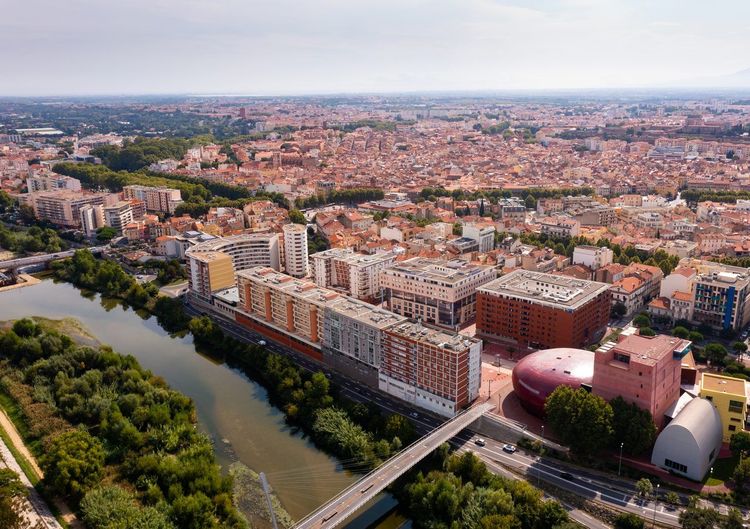
North of the Têt, le Vernet is the largest of Perpignan's neighborhoods and the one most often mentioned—rarely with nuance. Three distinct portions should actually be distinguished, with very different realities.
Bas-Vernet, Moyen-Vernet, Haut-Vernet
The Bas-Vernet, closest to the river, retains traces of its working-class past and concentrates most of the older social housing stock. The Moyen-Vernet, more mixed, alternates between small apartment blocks and townhouses. The Haut-Vernet, as you move away from the center, gives way to 1980s and 1990s suburban housing, often more expensive for a comparable surface area.
The authorities are well aware of this: three distinct perimeters within le Vernet appear among the nine priority neighborhoods in the municipality, while other streets in the same area do not fall under this classification at all. Two addresses just three hundred meters apart can therefore display radically different social profiles and price points. This is the neighborhood where it is most risky to rely on an overall reputation rather than an on-the-ground visit.
Day-to-Day Life in le Vernet
The area is well equipped: schools, gyms, a neighborhood market and a dense bus network connecting to the center. The grand théâtre de l'Archipel, on the north bank of the Basse, is within walking distance from the Bas-Vernet. Families who settle here often do so for the space-to-price ratio, which is hard to beat anywhere else at a comparable distance from the center.
Sant Vicens and Eastern Perpignan: the City's Green Lung
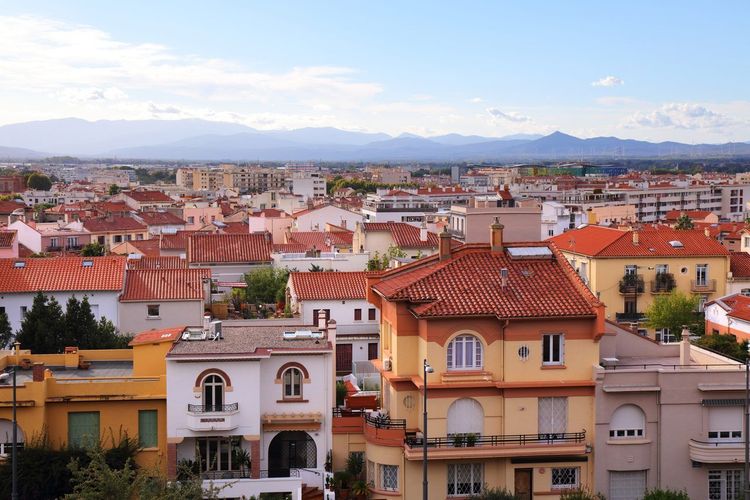
Less documented than the center, the eastern part of the city is nonetheless one of the best surprises for those looking for space without leaving town.
Parc Sant Vicens: Ten Hectares on the Cabestany Border
Created in 2009 and extended in 2010 and 2019, parc Sant Vicens (Avenue Jean Giono, 66000 Perpignan, rated 4.4/5 on Google with 2,137 reviews) is today the largest green space in Perpignan, covering around ten hectares.
The main entrances are on avenue Jean Giono and rue Sant Vicens, on the border with Cabestany. Mediterranean vegetation, meadows, a pond populated with ducks and coypu, and play areas: the park also serves as a retention basin in the event of flooding, which explains its wide grassed depressions. It is open from 8 a.m. to 9 p.m. from May to September, and from 8 a.m. to 5:30 p.m. from October to April.
Around the Park: a Quiet Residential Area
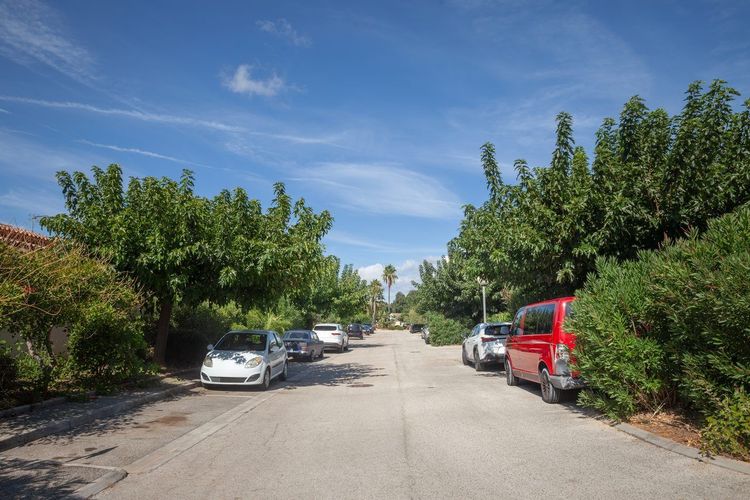
The streets bordering the park, on the Saint-Gaudérique and Mas Bruno side, line up recent houses with garages and small gardens. The atmosphere is distinctly peri-urban, with the drawbacks that entails: few shops within walking distance, car dependency, no nightlife to speak of. For parents of young children who work in Cabestany or the nearby retail park, the equation is nonetheless very favorable.
The Hauts de Perpignan and the Nine Priority Neighborhoods
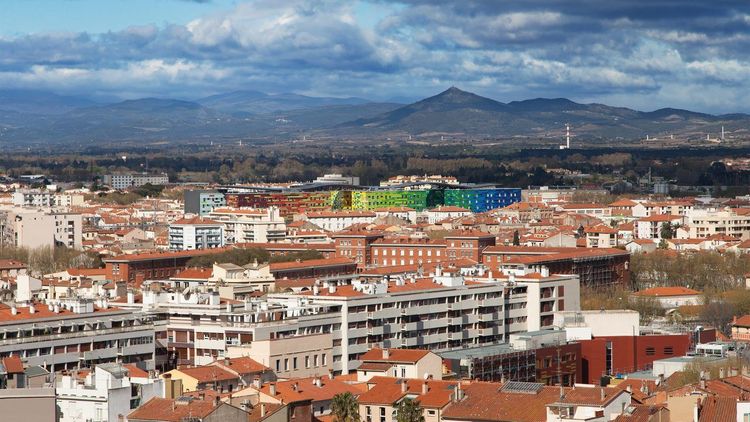
In the north of the city, Nouveau Logis, Champ de Mars and the neighboring areas form what locals call the Hauts de Perpignan. They concentrate the large housing estates built between 1960 and 1975 and the bulk of the national urban policy funding.
Champ de Mars, Nouveau Logis and Mailloles
These areas account for a large share of the city's social housing. The original tower blocks are gradually giving way to lower-rise buildings designed to break away from the slab-block effect. Sports facilities, renovated school complexes and ground-floor retail are accompanying this transformation, with the stated aim of retaining families who might otherwise leave as soon as the opportunity arises.
The City Contract and What the Official Geography Says
The 2024–2030 city contract signed between the municipality, the state and the social landlords lists nine priority neighborhoods in Perpignan: Centre Ancien, Gare, Saint-Assiscle, Nouveau Logis, Champ de Mars, Rois de Majorque, Bas-Vernet ancien, Bas-Vernet nouveau and Diagonale du Haut et Moyen-Vernet. In total, approximately 29,900 residents live there, representing 25.3% of the city's population—one of the highest proportions in France for a city of this size.
This classification is based on residents' income levels, not on crime rates: confusing it with a ranking of dangerousness is the most widespread mistake in discussions about Perpignan's neighborhoods. In practice, it unlocks dedicated funding, enhanced educational programs and tax exemptions for businesses that set up there.
Where to Go Out at Night, Neighborhood by Neighborhood
For nightlife, the historic center and its surroundings—place de la Loge, rue de la Fusterie, place Arago and rue des Augustins—concentrate the majority of bars and restaurants open late. This is where the student and young professional crowd gathers, especially Thursday to Saturday, with a density of terraces that ramps up even further in summer.
Slightly off the beaten track, the banks of the Basse and the area around the théâtre de l'Archipel offer a quieter alternative, with a few addresses open after performances. Moulin à Vent, Las Cobas or the streets around parc Sant Vicens, on the other hand, go to sleep early: two or three neighborhood brasseries, nothing more. This contrast explains a large part of the trade-offs made by newcomers, between families seeking silence and thirtysomethings who want to walk home after midnight.
Price per Square Meter: the Real Ranking of Perpignan's Neighborhoods
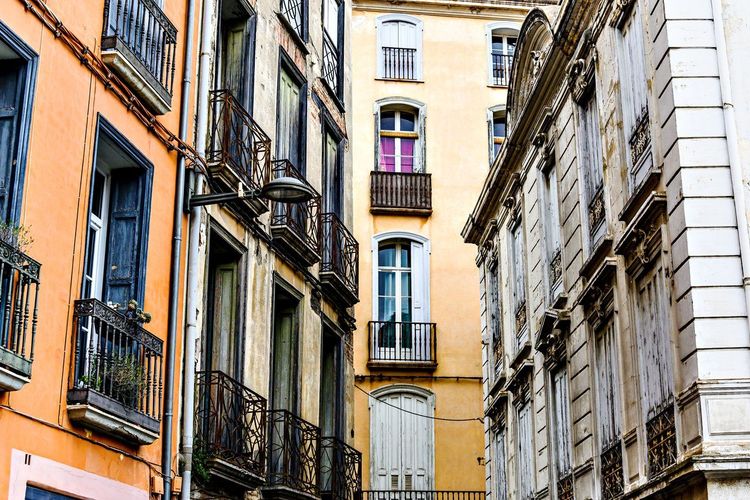
Perpignan's neighborhoods rank among the most affordable on the Mediterranean coast, at around 1,700 euros per square meter across all property types in mid-2026 at city level. Behind this average, the gaps are considerable.
At the top, Moulin à Vent and Porte d'Espagne exceed 2,300 euros per square meter, driven by houses with gardens. The historic center sits at around 1,600 euros, with enormous variation depending on the condition of the building. The Saint-Jacques and lower-city areas fall below 1,400 euros per square meter for apartments, sometimes much lower for lots requiring complete renovation.
A figure often cited—2,168 euros per square meter—still circulates in several comparison tools: it corresponds to the price of detached houses, not the overall average. Always check whether the estimate you are consulting covers apartments, houses or the market as a whole; otherwise the reading gap can easily reach 30%.
Neighborhoods to Avoid and Choosing Accommodation: the Practical Breakdown
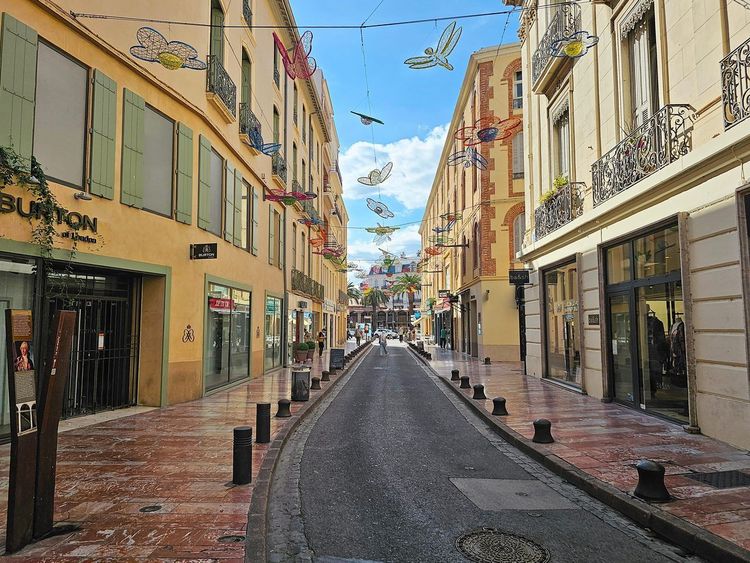
Talking about neighborhoods to avoid in Perpignan requires nuance. Some blocks in Saint-Jacques and Bas-Vernet combine deteriorated buildings, low incomes and visible drug trafficking, regularly documented by the local press and targeted by renovation programs. Avoiding a blind rental search there is common sense; concluding that these neighborhoods are defined entirely by this ignores their cultural identity and the ongoing construction work.
Choosing According to Your Profile
If you're visiting for a few days, stay in the historic center or just north of the Basse: everything is walkable and you're ten minutes from the train station. For a family move, Moulin à Vent, Las Cobas and the eastern part of the city around parc Sant Vicens offer the best compromise between schools, tranquility and budget. For a buy-to-let investment, the Station and Saint-Assiscle areas offer the highest yields, with the more demanding management that this implies.
In every case, make the commute to work during rush hour before signing anything, and walk the street again on a Friday evening. Two simple tests that tell you more than any online ranking.
To round out your exploration beyond the neighborhoods themselves, our Ryo app offers a complete audio-guided tour of the city center, and this Ryo article on the best things to do around Perpignan lists more ideas for days out, from the beaches of the Côte Vermeille to the villages of the Canigou.

FAQ
Which is the best neighborhood to stay in Perpignan?
It depends on the lifestyle you're looking for. The historic center suits those who want everything within walking distance and a lively social scene; Moulin à Vent, Las Cobas and the eastern part of the city are better suited to families seeking peace and space. For a short tourist stay, the center remains the most practical choice thanks to its proximity to the train station and the monuments.
Which neighborhoods should you avoid in Perpignan?
Some blocks in Saint-Jacques and Bas-Vernet combine severely deteriorated buildings with social difficulties, and are the subject of urban renewal programs. The priority neighborhood classification, which covers nine areas of the city, measures residents' income levels rather than crime rates: it is better to visit street by street before any purchase or rental rather than relying on an overall reputation.
Where is the Saint-Jacques neighborhood in Perpignan?
Saint-Jacques is located just to the southeast of the historic center, a few minutes' walk from Saint-Jean Cathedral, around place Cassanyes and its daily market. The neighborhood occupies the hillside between the church of Saint-Jacques and the old ramparts.
What is the average price per square meter by neighborhood in Perpignan?
The city-wide average is around 1,700 euros per square meter in mid-2026, across all property types. Moulin à Vent and Porte d'Espagne exceed 2,300 euros, the historic center sits at around 1,600 euros, and apartments in the Saint-Jacques area fall below 1,400 euros per square meter.
Which neighborhood is best for going out at night in Perpignan?
The historic center, particularly around place de la Loge, place Arago and rue de la Fusterie, concentrates the majority of bars and restaurants open in the evening. Residential neighborhoods such as Moulin à Vent or Las Cobas are considerably quieter after 9 p.m.
Where is the flea market in Perpignan?
The flea market is held on avenue du Palais des Expositions, on Sunday mornings from 7:30 a.m. to 1 p.m. Not to be confused with the place Cassanyes market, open Tuesday to Sunday from 7:30 a.m. to 1 p.m., which brings together up to 140 stalls selling food, clothing and cosmetics.
How do you find your local district town hall in Perpignan?
The city has five district town halls: Centre historique (12 rue Jeanne d'Arc), Nord (210 avenue du Languedoc), Sud (5 bis place de la Sardane), Est (1 rue des Calanques) and Ouest (16 avenue de Belfort). They handle civil registry matters, school enrollment and local reports without going through the main town hall.
Choosing a neighborhood in Perpignan ultimately comes down to choosing a way of life as much as an address: the buzz of the historic center has little in common with the quiet suburban feel of Moulin à Vent, or with the proudly working-class identity of Saint-Jacques. Rankings of the best neighborhoods in Perpignan vary from one website to another, and for good reason: none of these areas is objectively better than another—each corresponds to different priorities in terms of budget, peace and quiet, and social life.
To get a first impression before making up your mind, nothing beats a walk on the ground. The Ryo audio guide for Perpignan remains a great starting point for discovering the historic center and its monuments in an hour's walk, before widening your exploration to the more outlying areas at your own pace.
À lire également