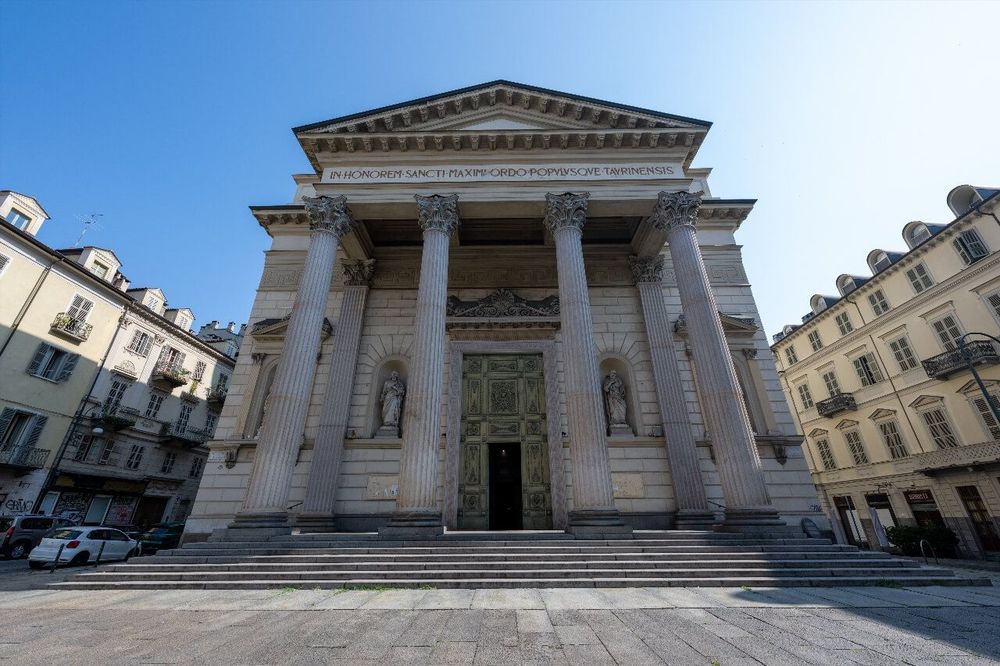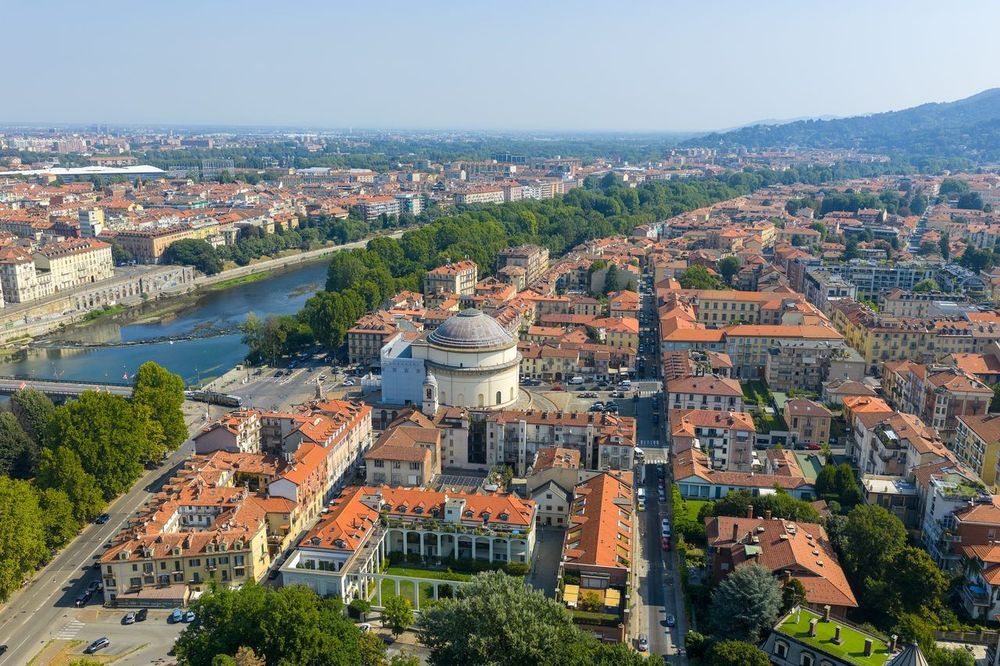
© Shutterstock
 Votre guide Ryo
Turin for Couples: The Complete Guide for a Romantic Weekend in 2026
Turin doesn't pretend to be romantic — it simply is, almost by accident, between the baroque arcades that shelter two visitors huddled close on a rainy day and the cafés where you still order a bicerin without any rush. Visiting Turin as a couple means discovering a city that has long lived in the shadow of Rome, Florence and Milan, and has retained an almost intimate discretion because of it — a pace that leaves room for the couple rather than the crowd. The Ryo audio-guided tour of Turin traces a first thread through this city of a thousand corners, from royal squares to working-class neighbourhoods, without ever needing to look up from a paper map.
In three days or over a weekend, you can combine the ascent to the top of the Mole Antonelliana, a stop at a two-century-old institution for the famous bicerin, a descent into the underground galleries dug beneath the city in the 18th century, and an evening along the Po as the light falls over the Borgo Medievale. This guide details the essential monuments of the House of Savoy, the neighbourhoods to explore hand in hand, the unusual addresses that standard guidebooks often overlook, the 2026 festival calendar and a complete itinerary for planning a trip for two without wasting time on reconnaissance.
Iconic Monuments to Discover as a Couple
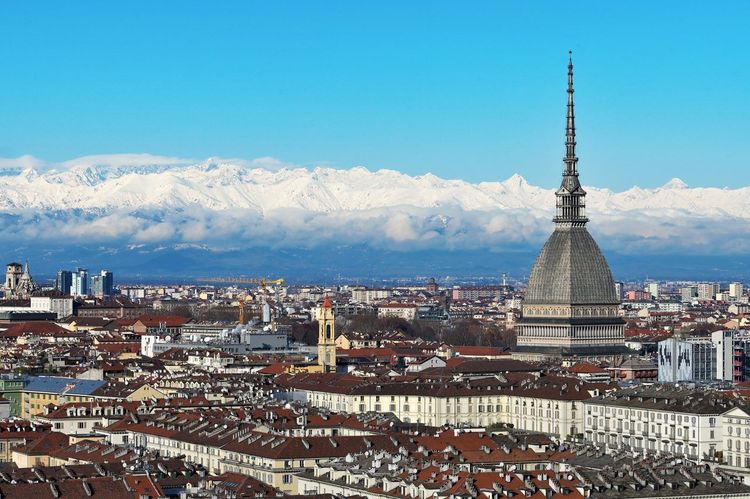
Turin concentrates most of its royal and religious heritage within a radius of just a few hundred metres, making it an ideal city to explore on foot without any complicated battle plan. Three focal points structure a first day of discovery: the silhouette of the Mole, the political heart of Piazza Castello, and one of the largest Egyptian collections in the world.
The Mole Antonelliana and the National Museum of Cinema
You can't miss the Mole Antonelliana: at 167.5 metres, it is one of the tallest masonry buildings in Europe. Originally designed as a synagogue in the 19th century, it changed purpose before it was even completed, first becoming a civic monument and then, since 2000, home to the National Museum of Cinema.
The museum interior is worth a good hour: themed rooms, original posters, and 19th-century optical machines that foreshadowed cinema. But what draws visitors most is the all-glass panoramic lift that climbs to the top in about a minute, suspended in the void of the dome. At 85 metres up, the terrace offers a 360° view over the city, ochre rooftops, and — on clear days — the Alpine chain in the background. Book your lift slot online: on-site queues can exceed 45 minutes in high season.
Piazza Castello, Palazzo Madama and Turin Cathedral
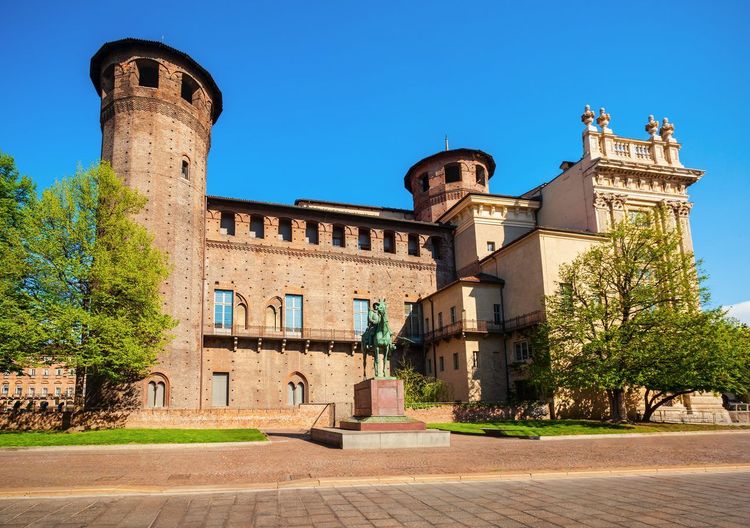
The Piazza Castello is Turin's ground zero, the point around which the entire historic centre is organised.
At its centre stands the Palazzo Madama, a hybrid building that blends a baroque façade designed by Filippo Juvarra with a medieval core, remnant of a former castle. Inside, the Museo Civico d'Arte Antica houses a collection of painting and decorative arts that can be visited in about an hour.
Just next door, the Real Chiesa di San Lorenzo conceals an interior dome of impressive geometric complexity, designed by Guarino Guarini, the architect of the Chapel of the Holy Shroud. Nearby, Turin Cathedral houses the Holy Shroud, the linen cloth that tradition associates with the burial of Christ. The relic is only displayed during exceptional ostensions. However, Guarini's chapel, devastated by fire in 1997, reopened in 2018 after twenty years of restoration: it can be visited with a Musei Reali ticket — and be sure to look up at its black marble dome.
Museo Egizio, Turin's Egyptian Museum
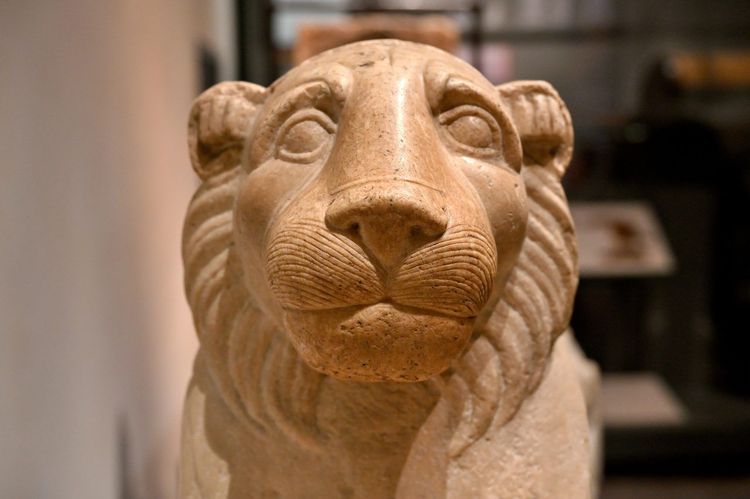
Few visitors expect to find, in Turin, the most important Egyptian collection in the world outside Cairo. The Museo Egizio (Via Accademia delle Scienze 6, 10123 Torino, rated 4.7/5 on Google across 68,687 reviews) brings together more than 40,000 pieces across four floors, including the intact tomb of Kha and Merit, a complete funerary ensemble discovered in 1906 by Ernesto Schiaparelli and left sealed for over 3,000 years. Allow a good two hours for the visit, booking a timed ticket if possible: it is one of the most visited museums in Italy year-round.
For these three stops, the Ryo audio guide pauses at the foot of the Mole Antonelliana, on Piazza Castello and in front of Palazzo Madama: you listen to their history on the spot, without searching for an explanatory plaque or booking a traditional guided tour.
The Royal Palace and the Residences of the House of Savoy
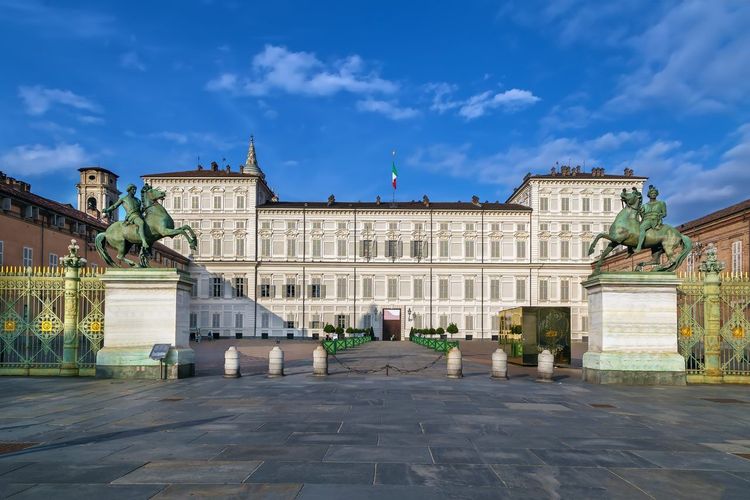
Turin was the first capital of unified Italy in 1861, but this history began much earlier, with nearly nine centuries of rule by the House of Savoy. The city's architectural heritage bears a spectacular imprint of this, both in the centre and on its outskirts.
A Brief History of the House of Savoy
The dynasty was born in the 11th century in the Alps, on the Savoy side, with Humbert the White-Handed. In 1563, Duke Emmanuel Philibert moved his capital from Chambéry to Turin, which he had redesigned as a princely city. The Treaty of Utrecht in 1713 gave the royal crown to Victor Amadeus II, King of Sicily and then of Sardinia from 1720. In the 19th century, the Savoy family led the Risorgimento: Victor Emmanuel II became in 1861 the first King of Italy, with Turin as capital until 1865. Keeping these few landmarks in mind makes visiting the palaces all the more meaningful.
Palazzo Reale: Royal Palace, Galleria Sabauda and Armeria Reale
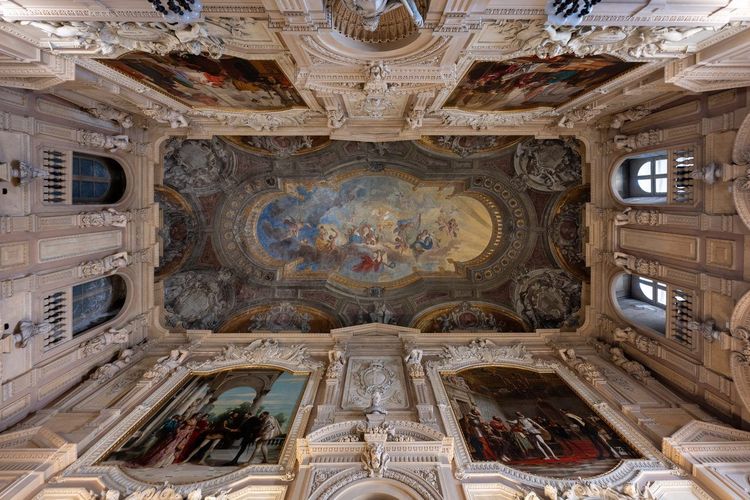
The Palazzo Reale (Royal Palace) was the main residence of the Dukes of Savoy and then the Kings of Sardinia for just over two centuries, until the court departed for Florence. The royal apartments, inscribed on the UNESCO World Heritage List in 1997 along with the other Savoy residences, can be visited along a route that passes through the Throne Room, the reception halls and the Scala delle Forbici (Scissors Staircase) designed by Juvarra.
The same complex houses the Galleria Sabauda, a picture gallery that brings together works by Van Dyck, Rembrandt and Mantegna assembled by the royal family over several generations, and the Armeria Reale, one of the most important collections of ancient weapons in Europe: chiselled armour, ceremonial swords and a complete cavalry arsenal. A combined ticket (Musei Reali) gives access to everything in a single visit; allow half a day to see it all at a leisurely pace.
Venaria Reale, Stupinigi and Villa della Regina
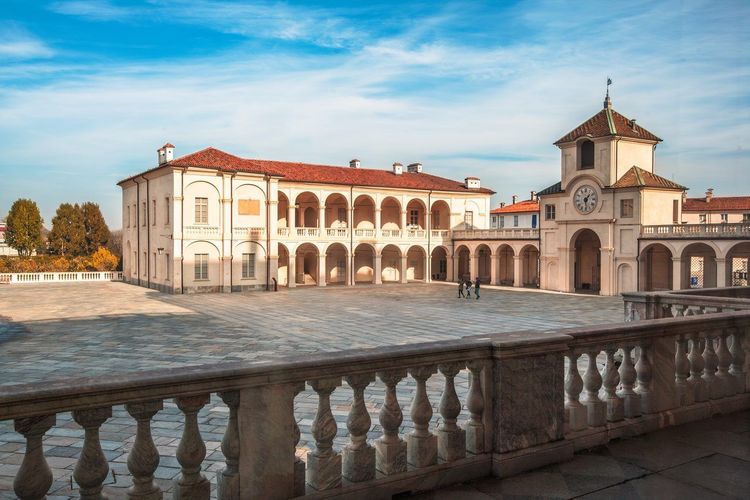
Three outlying residences complete the picture, each at a different distance from the centre. Venaria Reale, about forty minutes by bus from the city centre, is the most spectacular: restored between 1999 and 2007, it boasts gardens voted Italy's most beautiful public park in 2019 and an 80-metre-long Galleria di Diana that rivals the Hall of Mirrors. Allow a full day if you also want to stroll through the gardens.
The Palazzina di Caccia di Stupinigi, a former hunting lodge designed by Juvarra in the shape of a St Andrew's cross, lies to the south-west of the city and can be visited in two hours. Closer in, Villa della Regina (Strada Comunale Santa Margherita 79, 10131 Torino, rated 4.4/5 on Google across 6,440 reviews), perched on the heights of the Turin hills, offers one of the finest views over the city from its terraced gardens and vineyards — a good compromise if you don't have a full day to devote to excursions.
In front of the façades of the Royal Palace, the Ryo audio-guided tour tells the story of the House of Savoy right where it unfolded, without a paper guide or a fixed-time visit.
The Most Beautiful Views and Squares in Turin
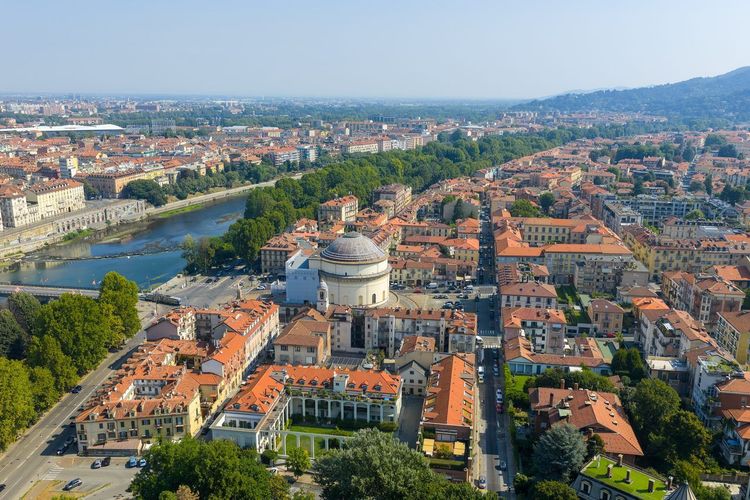
Turin is a city of hills and long straight perspectives, a natural playground for anyone seeking the perfect viewpoint to share.
Monte dei Cappuccini and the Best Viewpoints
The Monte dei Cappuccini, a wooded hill on the right bank of the Po, is one of Turin couples' favourite spots. The terrace overlooking the Capuchin church offers a sweeping panorama of the city, with the Mole in the foreground and the Alps as a backdrop on clear days. At sunset, the benches fill with pairs who come to share a kiss facing the city.
You can walk up from the Ponte Vittorio Emanuele I in about fifteen minutes. The best time remains late afternoon, when the raking light colours the facades of the historic centre. For an even higher vantage point, the Basilica di Superga, at the summit of a hill at 670 metres, can be reached by a small rack railway from Sassi.
Piazza San Carlo and the Iconic Squares of the City Centre
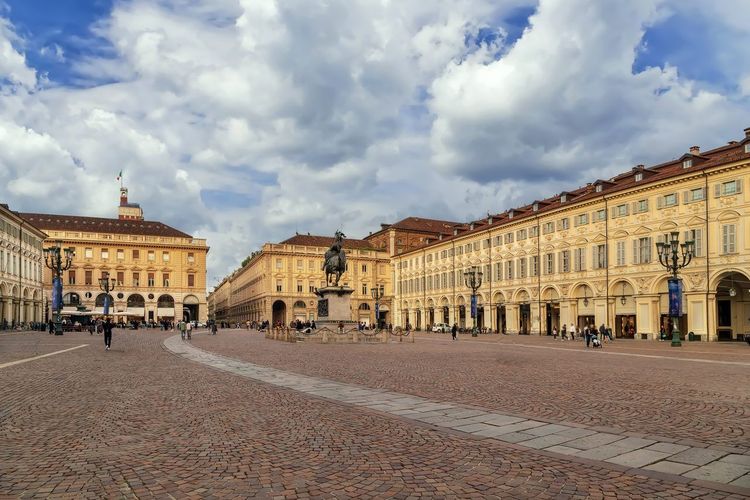
While Monte dei Cappuccini offers the panoramic view, Piazza San Carlo (Piazza San Carlo, 10121 Torino, rated 4.7/5 on Google across 15K reviews) provides the atmosphere. Nicknamed 'Turin's drawing room', this baroque square lined with symmetrical arcades features twin churches at its southern entrance and serves as the backdrop for long evening strolls when the café terraces come alive.
Further north, Piazza Castello and its continuous arcades allow you to walk under cover for several hundred metres — a detail that matters in a city where summer storms are frequent. In total, Turin boasts nearly 18 kilometres of porticoes, enough to stroll hand in hand whatever the weather.
Parco del Valentino and Walks Along the Po
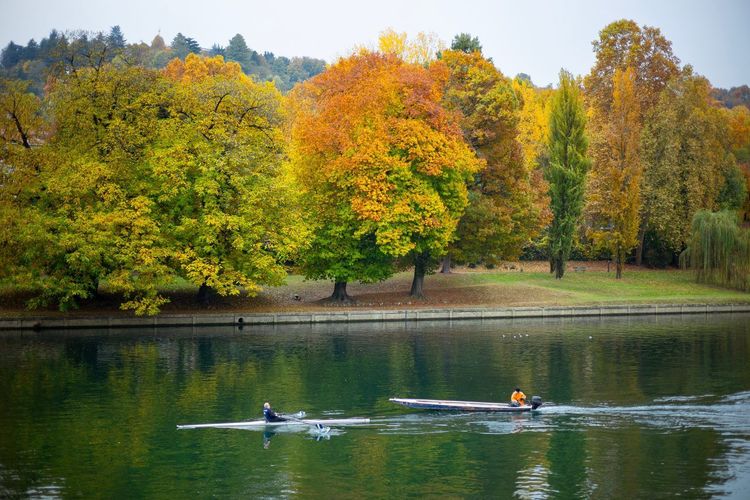
Parco del Valentino and the Borgo Medievale
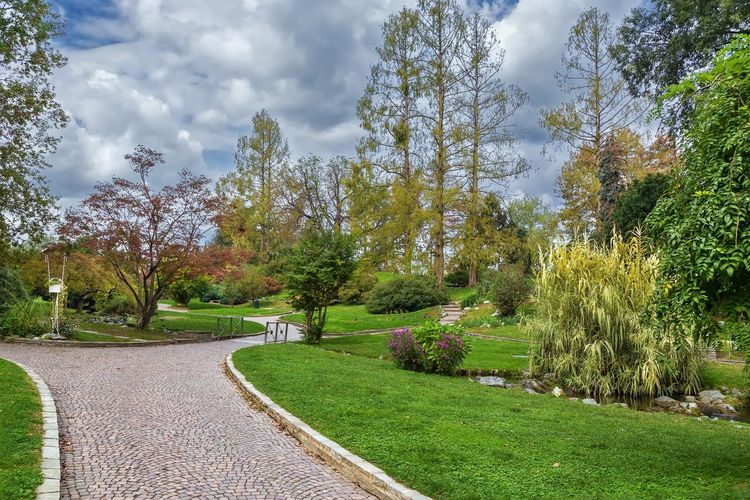
The Parco del Valentino stretches over more than 40 hectares along the Po, just south of the city centre. It is Turin's green lung, frequented by morning joggers and visitors who come for a spring picnic alike. At its heart, the Borgo Medievale (Viale Virgilio 107, 10126 Torino, rated 4.5/5 on Google across 12,001 reviews) reconstructs a Piedmontese village and a 15th-century fortified castle, built for the Italian General Exhibition of 1884 under the direction of Alfredo d'Andrade.
The fortress visit is paid but brief; wandering for free through the reconstructed village lanes is more than enough to soak up the atmosphere, especially towards the end of the day when the crowds thin out.
Borgo Po: a Green, Art Nouveau Neighbourhood by the River
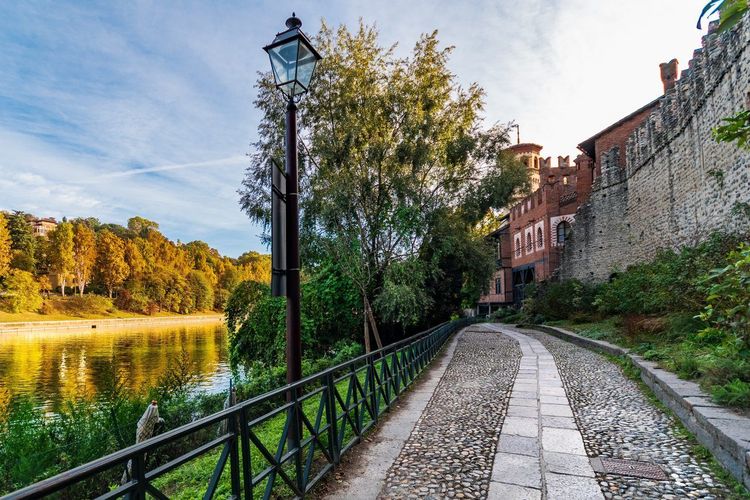
On the other side of the river, Borgo Po lines up Art Nouveau buildings constructed at the turn of the 20th century for Turin's bourgeoisie of the time. You wander without a fixed itinerary, between ornate façades and quiet little squares, before making your way to the Po riverbanks on foot. In the evening, the Murazzi — former quay arcades converted into bars — offer a drink right at water level, a simple option for rounding off a stroll without any reservation needed.
The Ryo tour's audio stop along the Po tells you the history of the park and the Borgo Medievale as you walk: a simple after-dinner stroll turns into a commentary-led visit before you even realise it.
Unusual Museums for Off-the-Beaten-Path Discoveries
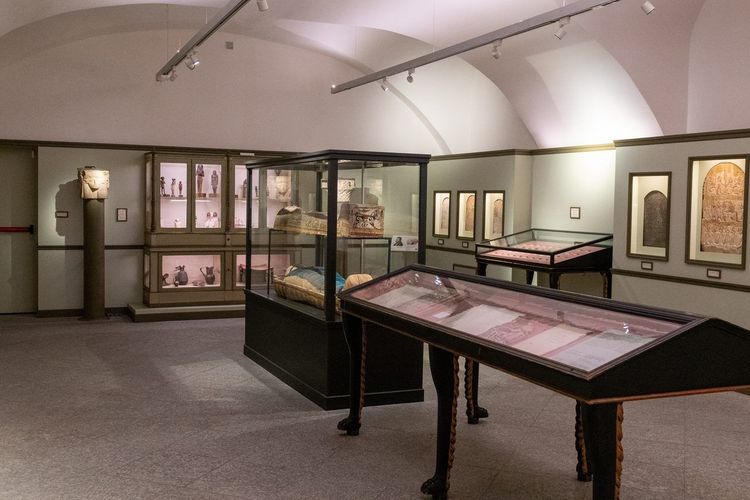
Beyond the big names, Turin nurtures a surprisingly varied museum scene, driven by its industrial past and private collections transformed into public institutions.
MAUTO, the National Automobile Museum
The MAUTO traces the history of the automobile through nearly 200 vehicles, from the first steam-powered cars to racing machines, in a building redesigned in 2011 that blends immersive scenography with collection pieces. Turin was the industrial birthplace of Fiat, and this museum tells the story of the city as much as the story of engineering.
GAM and MAO: Modern Art and Oriental Art
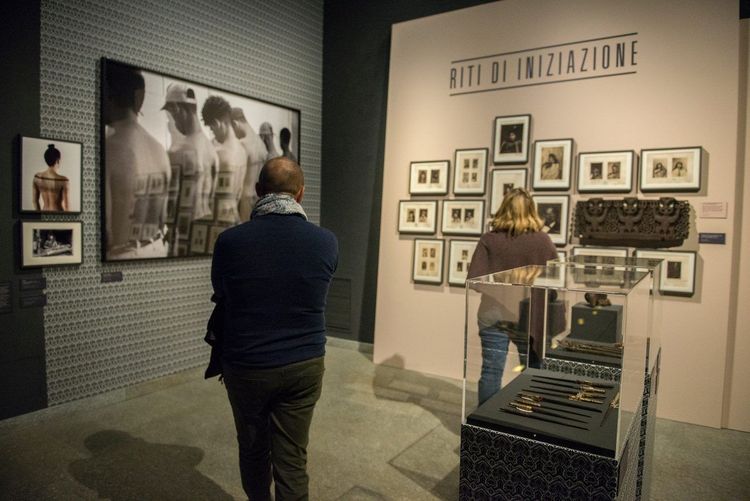
The GAM (Civic Gallery of Modern and Contemporary Art) holds works by Modigliani, Klee and several generations of 20th-century Italian artists, in a bright setting that is rarely crowded. At the other end of the aesthetic spectrum, the MAO (Museo d'Arte Orientale) displays its Chinese, Japanese, Indian and South-East Asian collections around interior zen gardens, a place that lends itself particularly well to a slow visit.
Gallerie d'Italia and the Lombroso Museum
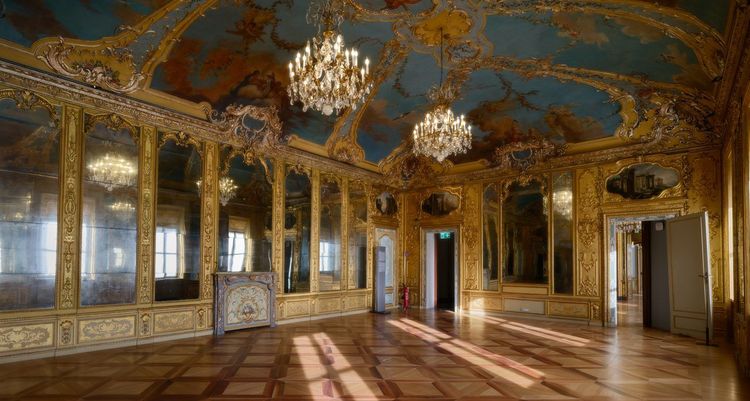
On Piazza San Carlo, the Gallerie d'Italia occupy Palazzo Turinetti, the historic headquarters of Intesa Sanpaolo bank, and display part of its art collections alongside major photography exhibitions in underground rooms. More unexpected, the Museo Lombroso (museum of criminal anthropology) preserves the instruments and theories — now largely contested — of criminologist Cesare Lombroso, a detour that always surprises curious minds. Also worth noting is the Museo Nazionale della Montagna (Piazzale Monte dei Cappuccini 7, 10131 Torino, rated 4.4/5 on Google across 739 reviews), dedicated to mountaineering and Alpine landscapes, located at the top of Monte dei Cappuccini.
Museum Passes and 2-for-1 Offers
Before planning your visits, do the maths. The Torino+Piemonte Card, sold for one to five days, gives free or reduced access to most major museums (Museo Egizio, Musei Reali, Mole, Venaria) and discounts on the panoramic lift or the Superga rack railway. Some museums also periodically run '2-for-1' promotions — two entries for the price of one — ideal when travelling as a couple. If you plan to visit three or four collections, the card is almost always worth it.
Neighbourhoods to Explore Hand in Hand
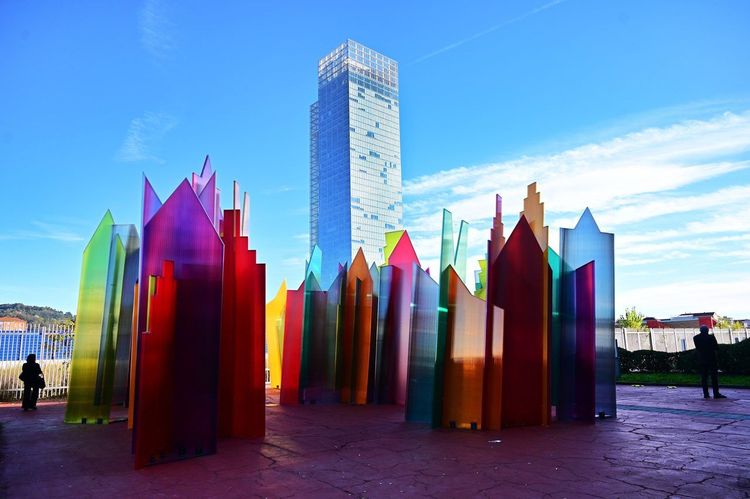
Turin is also best discovered away from its monuments, in neighbourhoods with very distinct atmospheres depending on whether you find yourself north or south of the historic centre.
San Salvario: Nightlife and a Park to the South
South of Porta Nuova station, San Salvario has become, within a decade, one of the city's most lively neighbourhoods. Its streets are packed with cocktail bars, small international restaurants and colourful storefronts, with an atmosphere that really picks up after 8pm. It is also from this neighbourhood that you can most easily access Parco del Valentino, just a short walk away.
Crocetta: the Upscale Southern Neighbourhood
At the opposite end of the atmosphere spectrum, Crocetta lines up wide avenues flanked by Liberty-style buildings, a quiet residential neighbourhood where Turin's well-to-do settled at the beginning of the 20th century. You come here for the architecture rather than the buzz — a calm counterpoint after an evening in San Salvario.
Aurora: a Multicultural, Working-Class Neighbourhood to the North
To the north, Aurora tells a different Turin story — more working-class and multicultural, shaped by decades of internal and then international migration. Around the Porta Palazzo market, often described as the largest open-air market in Europe, stalls mix spices, fish and vintage clothing in an atmosphere that has nothing to do with the polished city centre. For those who like stepping off the tourist trail, this is a rawer, less staged Turin.
The Ryo audio-guided tour route lets you move through several of these neighbourhoods on foot without getting lost, headphones on and map in pocket.
Mysterious and Esoteric Turin: Secret Places for Curious Couples
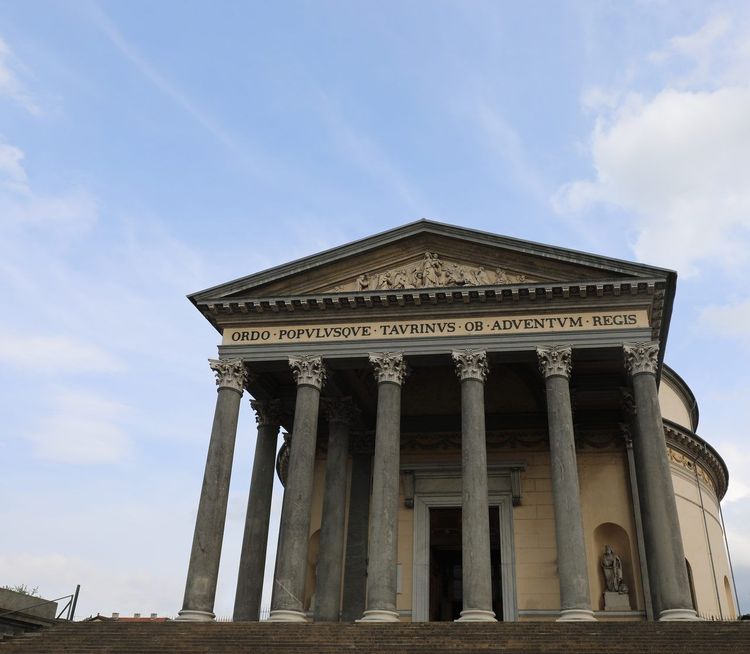
Turin has a particular reputation in Italy: it is said to be, along with Lyon and Prague, one of the points of a white magic triangle, and along with London and San Francisco, one of a black magic triangle. True or false, this legend has inspired an entire strand of alternative tourism in the city, ideal if you are looking for something beyond a list of museums.
The Underground Tunnels and the Pietro Micca Museum
Beneath the city lies a network of counter-mine galleries dug in the 17th and 18th centuries to defend the citadel. The Museo Pietro Micca, named after the soldier who reportedly sacrificed his life in 1706 by blowing up a gallery to save Turin from the French siege, allows visitors to walk through part of these tunnels on a guided tour. The temperature remains cool year-round, making it a welcome refuge on hot Turin summer afternoons.
Turin, a Magical City: Legends and Esoteric Itineraries
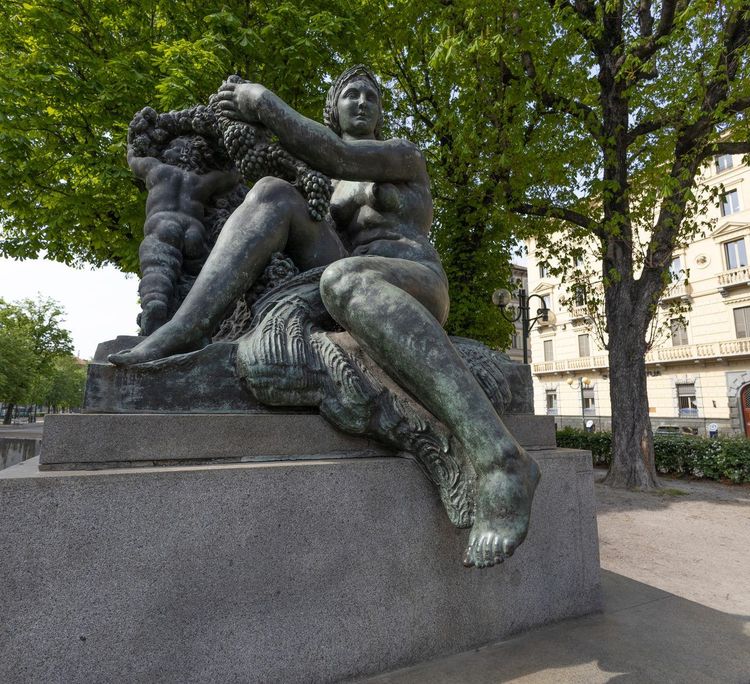
Legend attributes to Turin a point of balance between white and black magic, the latter associated with places such as the Fréjus fountain on Piazza Statuto, considered malevolent by some local guides. Several walking routes, often offered as night guided tours, trace these legends of witchcraft, alchemy and freemasonry that run through the city's history. Even if you don't believe in them, the exercise gives a good excuse to walk at night, alert to the details that daylight conceals.
The Balon Flea Market
Every Saturday, the Borgo Dora neighbourhood hosts the Balon (Via Borgo Dora, 10152 Torino, rated 3.8/5 on Google across 203 reviews), a historic flea market where antique furniture, vinyl records and bric-a-brac are haggled over in the shade of archways. On the second Sunday of the month, its extended version, the Gran Balon, takes over several additional streets. It is one of Turin residents' own favourite spots, largely ignored by guides devoted solely to royal monuments.
Hidden Gems and Little-Known Places
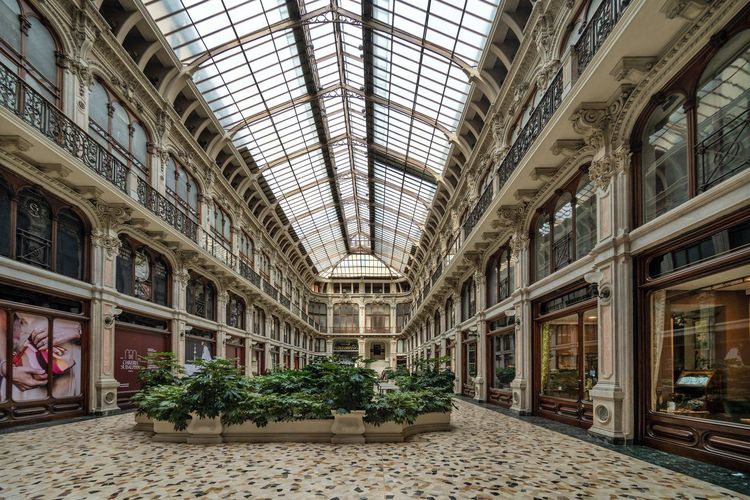
A few gems still escape the flow of visitors. The Galleria Subalpina, a glass-and-iron covered arcade inaugurated in 1874 between Piazza Castello and Piazza Carlo Alberto, houses an art-house cinema and antiquarian bookshops. More discreet still, the courtyard of the Palazzo Carignano, where the first Italian Parliament sat, can be crossed freely and reveals an undulating brick façade designed by Guarini. And if you enjoy places steeped in history, make your way to the Consolata sanctuary, whose walls are covered with naive ex-votos painted by the faithful.
Itinerary: What to Do in Turin in 2 or 3 Days
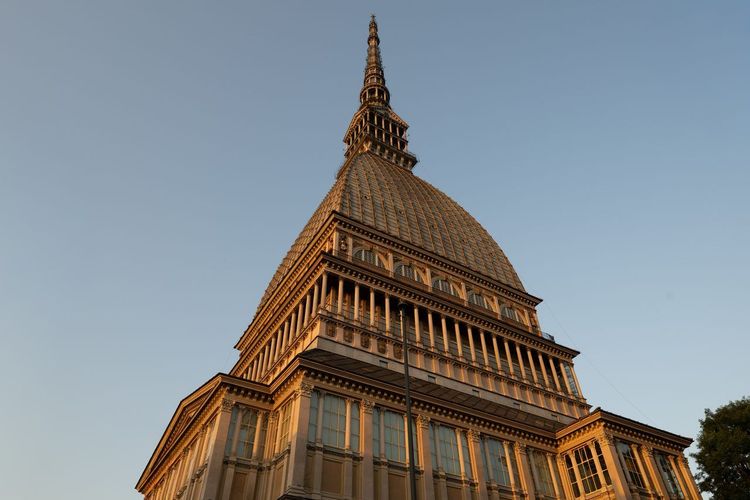
Day 1: Historic Centre and Panoramic Views
Devote the first day to the historic centre: Piazza Castello and Palazzo Madama in the morning, the cathedral and the Chapel of the Holy Shroud late morning, a light lunch before climbing the Mole Antonelliana to make the most of the afternoon light from the panoramic terrace. End the day with a walk up to Monte dei Cappuccini for the sunset, before coming back down to dinner around Piazza San Carlo.
Day 2: Neighbourhoods, Museums and Sweet Treats
The second day lends itself to a more leisurely pace: morning at the Museo Egizio or Palazzo Reale depending on your preference, lunch in the San Salvario neighbourhood, an afternoon at an unusual museum (MAUTO or GAM as the mood dictates), then a bicerin stop at a historic café before an evening stroll through Parco del Valentino. If you still have energy, a themed esoteric night tour makes for a fitting end to the evening.
Day 3 (Optional): a Royal Excursion or Nature
With a third day, two options are open to you: devote the day to Venaria Reale, or explore less touristy neighbourhoods like Aurora and the Porta Palazzo market before heading home. Those who prefer nature can also combine Villa della Regina, Superga and a walk in the hills overlooking the city.
A Tailor-Made Weekend at Your Own Pace
Only have a day and a half? Keep the Mole, Piazza Castello, a bicerin and Monte dei Cappuccini, and skip the museums in favour of a long walk under the arcades. To make the most of a half-day without improvising, the short version of the Ryo audio-guided tour, the Heart of the House of Savoy features fewer audio stops, designed for a couple in a hurry who want to see the essentials. Our dedicated article on visiting Turin in 2 days also sets out an hour-by-hour schedule if you prefer an even more concrete format.
Food, Drink and Sweet Treats to Enjoy as a Couple
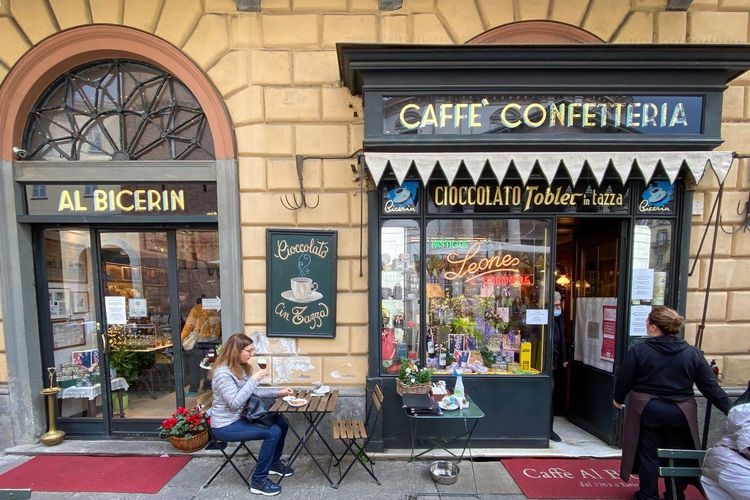
The Bicerin and Historic Cafés (Caffè Mulassano)
You simply cannot visit Turin without stopping for a bicerin, the traditional drink that layers coffee, hot chocolate and milk cream in a small transparent glass, all without mixing them before the first sip. Born in the 18th century, it is still enjoyed in the city centre's historic cafés. The most famous, Caffè Al Bicerin, open since 1763 opposite the Consolata sanctuary, has only a handful of marble tables: arrive early.
The Caffè Mulassano (Piazza Castello 15, 10121 Torino, rated 4.2/5 on Google across 2,432 reviews), a tiny Art Nouveau salon on Piazza Castello, claims to have invented the tramezzino and serves one of the most renowned bicerins in the city. Plan to spend twenty minutes there, no more: tables are scarce and the counter is perfectly suited to a quick break between two visits.
Chocolate, Gianduja and Wine Tasting
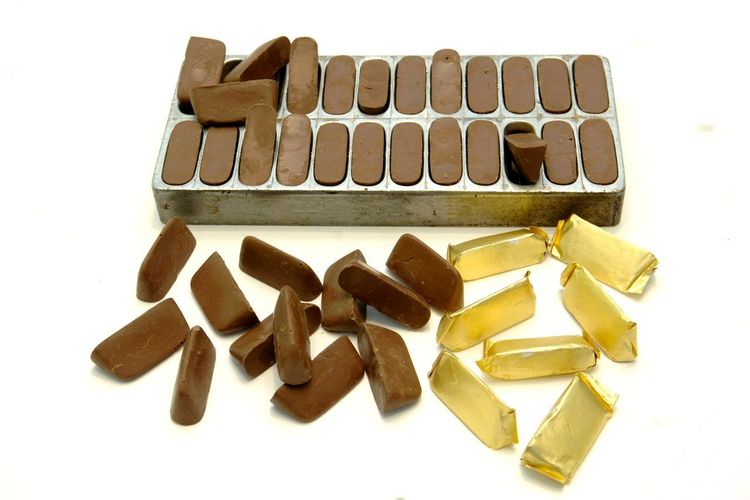
Turin is also the historic capital of Italian chocolate, the birthplace of gianduja — that paste of Piedmontese hazelnuts and cocoa developed in the 19th century to stretch a cacao that had become scarce and expensive. Its ingot-shaped derivative, the gianduiotto, is sold at all the historic chocolatiers in the centre, several of which offer guided tastings. Round off the experience with Piedmontese wines — Barolo and Barbera leading the way — at one of the many wine bars around Piazza Vittorio Veneto, at the sacred hour of the Turin aperitivo.
A Culinary Tour of Turin
A guided culinary tour, in a small group or just the two of you, remains the simplest way to taste everything without having to choose between ten different addresses in a single day. You'll generally sample agnolotti, vitello tonnato and chocolates, moving between the market and historic cafés.
Turin After Dark: Night Visits and Unusual Experiences
Night Tours and Themed Guided Visits
After sundown, Turin takes on a different face. Several local operators offer themed night tours, from the most classic (the illuminated squares of the centre) to the more original, such as 'Torino Magica' routes that turn the city's esoteric legends into a two-hour guided walk. Book in advance in high season, especially at weekends.
The Royal Palace Illuminated at Night
The Palazzo Reale and its classical façade take on a different dimension once lit up, particularly when viewed from Piazza Castello where you can admire the entire royal complex free of charge. Certain special evenings, organised at various points throughout the year, even allow visitors to explore the royal gardens or state rooms after dark: keep an eye on the Musei Reali website if your stay falls at the right time.
Day Trips from Turin
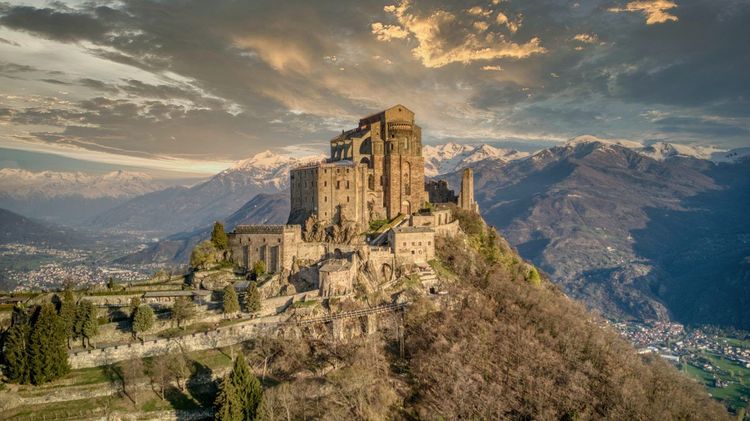
Piedmont offers several half-day escapes for those who want to leave the city without going far. The hills of Monferrato and the Langhe, just over an hour by road, are lined with vineyards, castles and hilltop villages perfect for a Barolo tasting. Closer in, Lake Avigliana, at the foot of the Alps, makes for a pleasant lakeside walk with views of the Sacra di San Michele, a medieval abbey perched on a rocky spur said to have inspired the novel The Name of the Rose.
Between October and November, the international white truffle fair in Alba draws food lovers, with markets and tastings that are worth the trip even for first-time visitors. In winter, the ski resorts from the 2006 Winter Olympics, such as Sestriere, about an hour and a half away by road, allow for a day in the snow before returning to the comfort of a Turin hotel the same evening.
For those short on time, a simple regional train trip to Chieri or Moncalieri, two small towns less than thirty minutes from Turin, is enough to change the scenery without sacrificing a full day of sightseeing in the city.
Where to Stay in Turin as a Couple
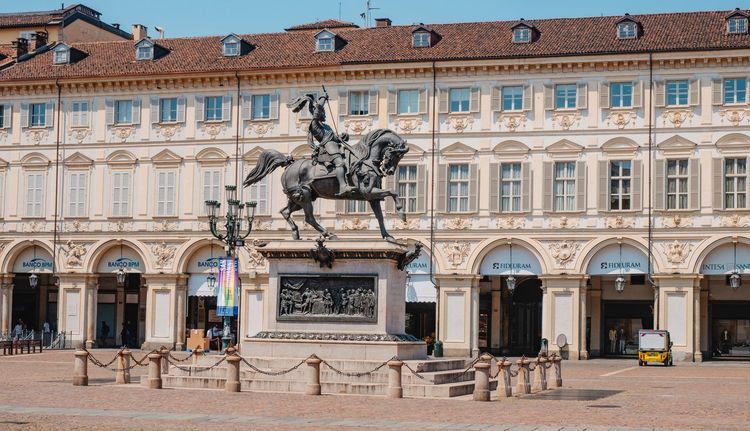
The choice of neighbourhood often matters more than the choice of hotel itself. The historic centre, around Piazza Castello and Piazza San Carlo, puts all the major monuments within walking distance, at the cost of higher hotel rates and an atmosphere that can be noisy at weekends.
San Salvario, further south, offers a good compromise: ten to fifteen minutes' walk from the centre, a lively nightlife scene on the doorstep, and noticeably gentler prices, particularly in the small charming addresses housed in former bourgeois buildings. The Crocetta neighbourhood, quieter and more residential, is a better fit if you want to rest rather than go out, without straying far from the centre.
For a more original stay, a handful of bed and breakfasts housed in historic palaces in the city centre let you sleep literally inside a piece of Savoy history — an option to book several weeks in advance given how limited the supply is. Whatever neighbourhood you choose, check for easy access to public transport: Turin is very walkable, but a nearby metro or tram stop makes getting to the outlying royal residences much easier.
When to Go, Getting Around and Practical Information
When to Go for a Romantic Trip
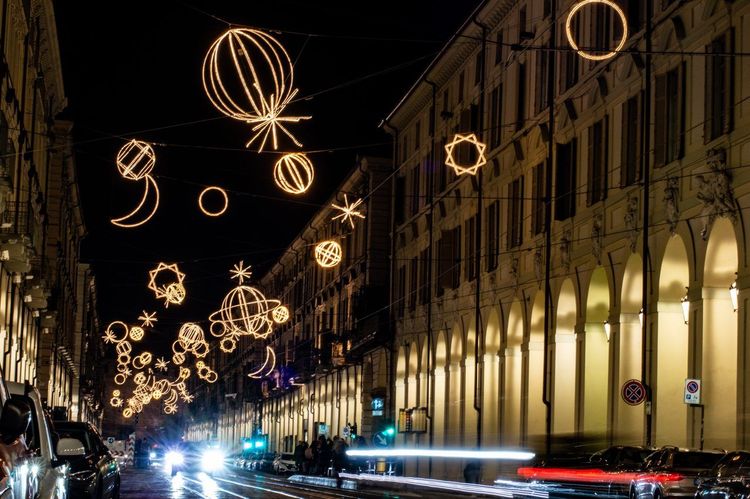
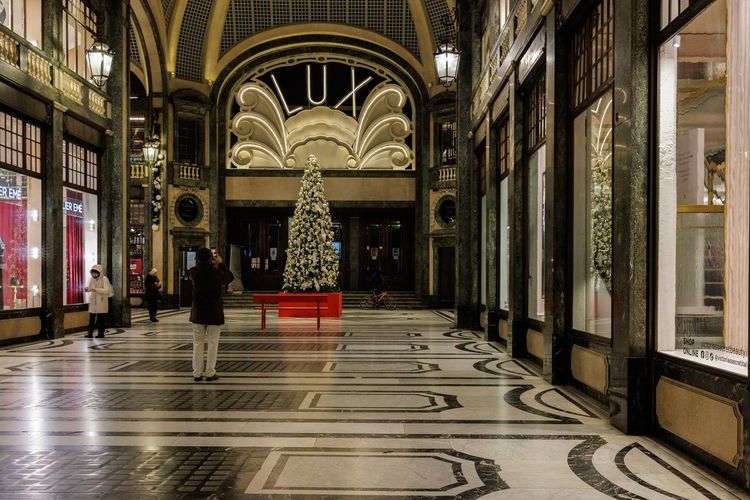
Spring (April to June) and early autumn (September–October) offer the best balance between mild weather and manageable crowds. The Turin summer can become stifling, with peaks above 33°C in July and August, while winter — cold but dry — has its own charm around Christmas, when the illuminations transform the city-centre arcades. Valentine's Day remains a popular time in Turin, with themed dinners and special offers at several historic cafés and restaurants throughout the city.
2026 Festival and Events Calendar
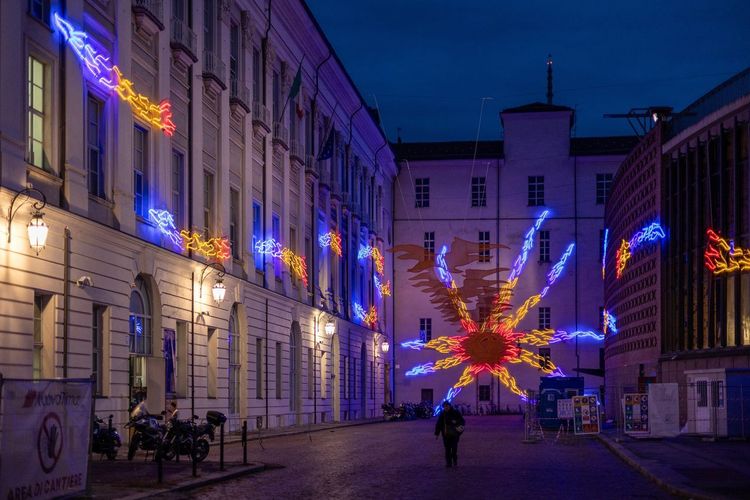
Several key events mark the year and can guide your choice of dates. In May, the Salone Internazionale del Libro takes over the Lingotto. On 24 June, the feast of Saint John, the city's patron, ends with a fireworks display over the Po. In July, the Kappa FuturFestival animates Parco Dora. In autumn, Terra Madre Salone del Gusto, which returns in even-numbered years, draws gastronomy enthusiasts, while the Torino Film Festival fills cinemas in November. From late October to January, the Luci d'Artista — light installations by contemporary artists — dress the city-centre streets, making for a perfect evening stroll. For all these periods, book accommodation and restaurants several weeks in advance.
Getting Around Turin Without a Car
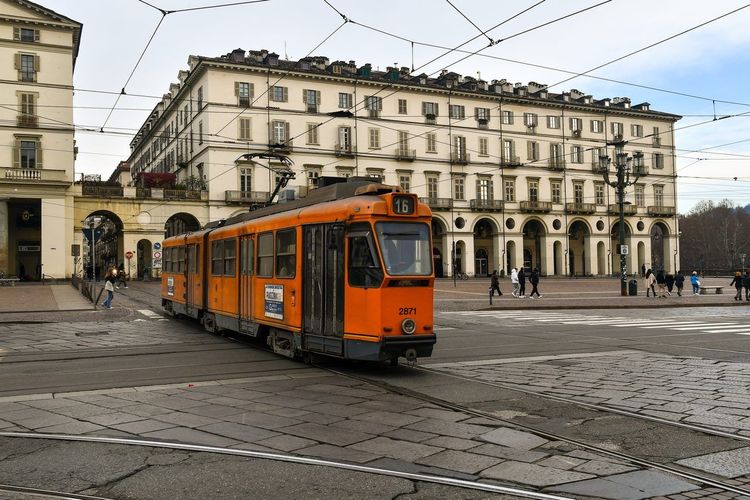
Turin is very easy to visit without a car. The historic centre is entirely walkable, and the GTT metro (a single line, but an efficient one), tram and bus network covers longer journeys, including to Parco del Valentino and outlying neighbourhoods. A day ticket becomes worthwhile from three or four trips onwards. For royal residences outside the city, such as Venaria Reale or Stupinigi, bus lines depart from the city centre — a simpler solution than a car rental for a two- or three-day stay.



FAQ
Is Turin worth visiting?
Yes, and it's precisely because it remains less crowded than Rome or Florence that Turin wins over couples seeking authenticity. Between royal heritage, world-class museums like the Museo Egizio, and a gastronomic scene driven by chocolate and Piedmontese wine, the city offers more than enough to fill a weekend without ever feeling swallowed by the crowds.
How many days should you plan to visit Turin as a couple?
Two days are enough to see the main highlights of the historic centre and climb the Mole Antonelliana. Three days allow you to add a trip to Venaria Reale or Stupinigi, or to explore neighbourhoods outside the centre like Aurora or San Salvario at a more leisurely pace.
What is the best time for a romantic weekend in Turin?
Spring and early autumn offer the best balance between pleasant weather and moderate crowds. From late October to January, the Luci d'Artista light up the city centre, and Valentine's Day in February comes with many special offers at cafés and restaurants.
Where should couples stay in Turin?
The historic centre, around Piazza Castello and Piazza San Carlo, puts everything within walking distance. San Salvario offers a good compromise between price and atmosphere, while Crocetta suits a quieter stay.
How do you get around Turin without a car?
The city centre is entirely walkable. For longer journeys or the royal residences on the outskirts, the GTT metro, tram and bus network covers most of the city and its nearby surroundings.
Is Turin an expensive city for a romantic weekend?
Turin is generally more affordable than Milan, both for accommodation and dining. The Torino+Piemonte Card and occasional '2-for-1' offers also help keep sightseeing costs down without compromising on content.
What are the most romantic activities to do in Turin?
Climbing Monte dei Cappuccini for the sunset, stopping for a bicerin at Caffè Mulassano, and strolling along the Po to the Borgo Medievale are among the moments most often mentioned by travellers who return from Turin.
Conclusion
Turin doesn't need to try hard to win over two travellers: the compact size of its historic centre, the density of its century-old cafés and the ease with which you can walk through it are more than enough. Whether you stay for two days or push further with an excursion to the royal residences, the city suits both a packed programme and a slower pace, punctuated by bicerin breaks.
To organise your days without any fuss, open the Ryo app: with the Ryo audio-guided tour of Turin in your ears, you move from one monument to the next at your own pace, with no booking required and no fixed schedule.