



Walk
The City in the Sky
La Paz, Bolivie
Walk
The City in the Sky
La Paz, Bolivie
Distance
2.7 kmDurée
1h15Audios
16Parcours
Loop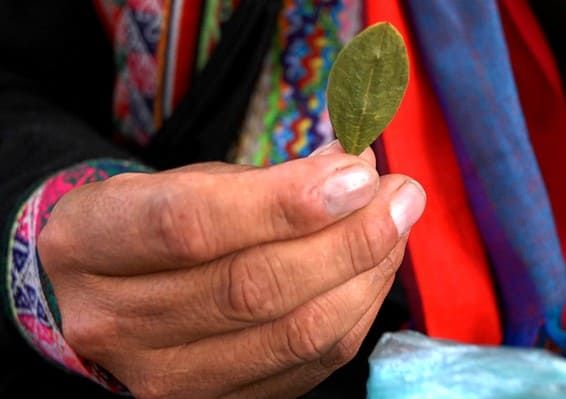
©Marcello Casal Jr.ABr, CC BY 3.0 BR httpscreativecommons.orglicensesby3.0brdeed.en, via Wikimedia Commons
Look up: above your heads, a colorful canopy of suspended umbrellas stretches across the street. Don't worry, the altitude isn't making you hallucinate — you really are on Calle de los Paraguas. This contemporary installation is a riot of color. Continue to number 906 on this same street, Calle Linares. This is where you'll find the Museo de la Coca, a museum entirely dedicated to a sacred leaf that is too often misunderstood or dismissed simply because people don't know much about it. If there's one thing to understand from the start, it's this: coca leaf is not cocaine. Cocaine is a highly concentrated chemical derivative extracted from the plant through a chemical process developed by European chemists. In Bolivia, coca has been cultivated for more than 1,500 years and is a natural plant rich in minerals and vitamins. In Andean culture, coca is a true social, medicinal, and spiritual cornerstone. It's used to relieve fatigue, the effects of altitude, hunger, and cold, and you really should give it a try. You haven't truly experienced Bolivia until you've chewed a leaf or two. Chewing coca is also a gesture of politeness: offering someone a few leaves is a traditional way to build a relationship or start a conversation. The plant also plays a central spiritual role. During ceremonies, people often use Coca Kintu, a small arrangement of three carefully selected, perfect leaves. After gently blowing on them to convey their intention, they offer them to Pachamama. Yatiris also read the energies from the way the discarded leaves fall onto a cloth — not to predict the future like fortune tellers, but to help understand a difficulty, restore harmony, and find the right path. So, are you ready to give it a try?
Aucun avis pour le moment
