Walk
Whispers of the Past
Quebec, Canada
Walk
Whispers of the Past
Quebec, Canada
4.5 km
Distance
1h45
Durée
25
Audios
Loop
Parcours
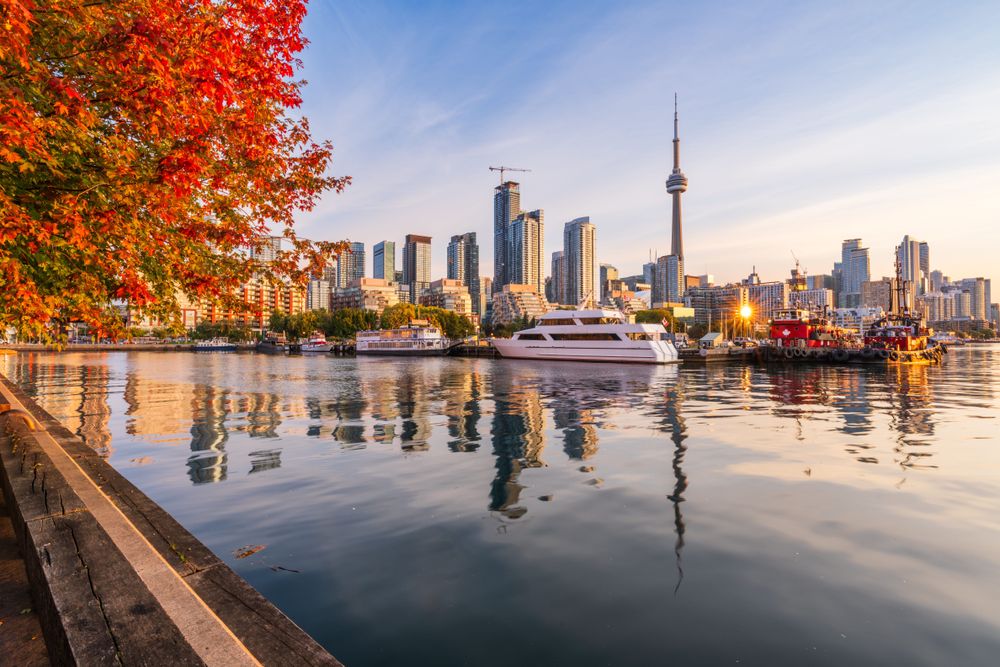
Canada stretches far beyond what the eye can take in: maple forests ablaze in autumn, snow-capped peaks plunging toward the ocean, cities where dozens of languages and cultures intersect. Visiting Canada means accepting to be surprised at every turn, across landscapes that shift in character as swiftly as one province gives way to the next. To explore its great cities at your own pace, Ryo offers audio-guided tours in the heart of Montreal, Quebec City, Ottawa, Toronto, and Vancouver — each one an invitation to listen to the living story of a country in perpetual conversation with itself. Get your headphones ready: Canada has a lot to tell you.
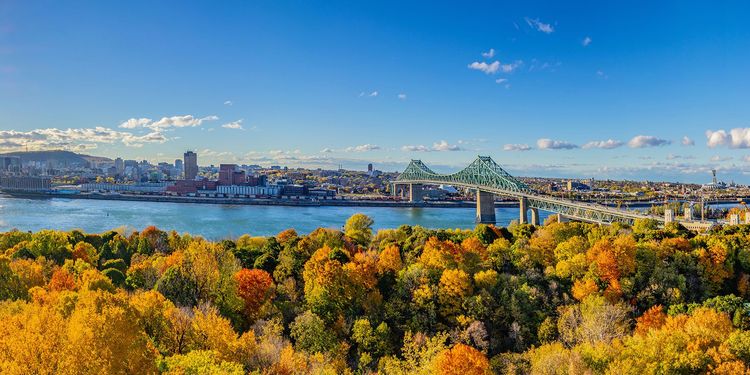
Montreal carries a unique energy, half-European, half-North American. Along the laneways of the Plateau-Mont-Royal, the lively terraces of the Old Port, or the murals of Saint-Denis Street, the city reveals an overflowing creativity. Its Francophone soul resonates in every café, every festival, every spontaneous conversation between strangers.
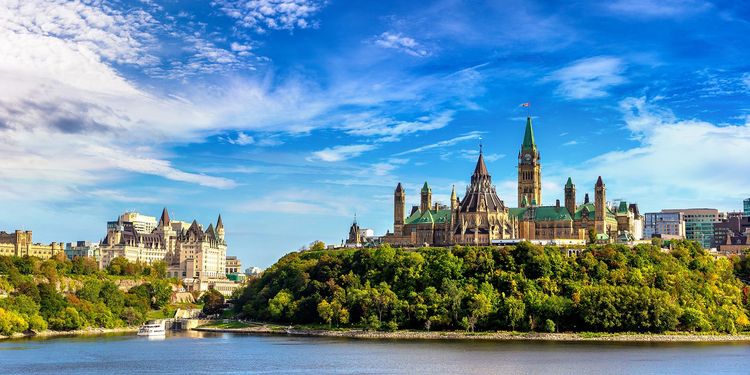
Often overshadowed by its more flamboyant neighbours, Ottawa holds wonderful surprises for the curious traveller. Parliament stands watch over the hill, the national museums line the Rideau Canal, and the country's history is written at every street corner, in a delicate balance between Francophone heritage and British tradition.
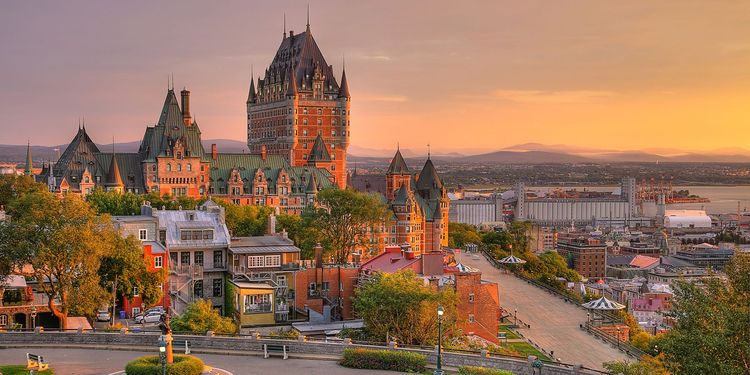
Nowhere else in North America does one feel as close to Europe as in the heart of Old Quebec. Its listed fortifications, winding staircases, and the Château Frontenac towering over the St. Lawrence River compose a setting that tells centuries of living memory. Every stone seems to whisper a story that the Ryo audio-guided tour takes great pleasure in bringing to life.
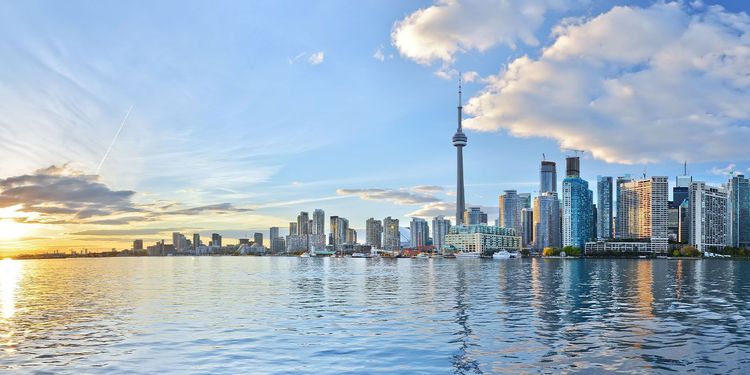
A cosmopolitan metropolis and proud of it, Toronto packs an incredible diversity of neighbourhoods, from Chinatown to Little Italy, from Kensington Market to the shores of Lake Ontario. The CN Tower dominates the skyline, but it is at street level, in its markets and galleries, that Toronto reveals its full richness.
Vancouver occupies an almost unreal geographical position, wedged between the Pacific and the snow-capped peaks of British Columbia. The city blends wild nature and urban lifestyle with disarming ease, inviting travellers to alternate between forest hikes and exploring the neighbourhoods of Gastown or Granville Island.
Beyond the major cities, Canada unfolds panoramas of rare scale. Banff National Park, in Alberta, offers breathtaking mountain scenery, valleys, and lakes in stunning shades of turquoise. Niagara Falls, on the border between Ontario and New York State, ranks among the most awe-inspiring natural spectacles on the continent. Further east, the Atlantic provinces unfold their coastal charm, with colourful fishing villages and wind-swept cliffs. Canada thus invites you to craft your own itinerary according to your interests — a road trip through the Rockies, an immersion in Quebec's Francophone heritage, or a journey into First Nations cultures.
Canada can be visited year-round, but each season colours the experience differently. Summer, generally from June to August, is ideal for enjoying cities, national parks, and wide-open spaces under a clear sky. Autumn transforms the forests of eastern Canada into a spectacular blaze of reds and oranges, particularly in Quebec and Ontario. Winter offers exceptional conditions for snow sports enthusiasts and lovers of wintry landscapes, while cities maintain their vibrant cultural scene. Spring sees nature gradually come back to life, depending on the region, bringing a welcome gentleness before the full season begins.
Given its enormous size, Canada requires a degree of planning when moving from one region to another. Flying remains the fastest way to connect the provinces. The train crosses certain iconic corridors and is a travel experience in its own right, particularly on routes that cross the plains or run alongside the Rockies. A car is essential for exploring national parks and rural areas at your own pace. In major cities such as Montreal, Toronto, or Vancouver, public transport is generally efficient and makes it possible to get around without a personal vehicle.
The best time depends above all on what you want to experience. Summer offers the most accessible conditions for exploring cities and nature. Autumn captivates with its blazing colours, particularly in the Francophone provinces. Winter suits those who love snow and mountain sports. Every season has its strengths, and Canada deserves to be visited in different lights.
A first trip of one to two weeks generally allows you to explore one or two regions in a satisfying way — for example, Quebec and Ontario, or the Pacific Coast. To take in several provinces and soak up the country's diversity, a longer stay is recommended. Canada rewards the traveller who takes time to linger rather than skim the surface.
Flying is the fastest option for connecting distant cities such as Vancouver and Montreal. For medium-distance journeys, such as Montreal–Toronto or Montreal–Quebec City, the train or long-distance bus offers a comfortable alternative. Renting a car remains essential for exploring national parks and regions less well served by public transport.
Canada is home to a remarkably diverse range of wonders: Old Quebec and its listed heritage, Banff National Park with its postcard-perfect scenery, Niagara Falls and its spectacular power, and the vibrant neighbourhoods of Montreal and Toronto. To discover these last two in depth and at your own pace, Ryo's audio-guided tours offer an ideal gateway into the soul of each city.
Canadian cuisine is a direct reflection of the country's cultural diversity. In Quebec, poutine, tourtières, and maple products embody a deeply rooted Francophone way of life. In major cities like Toronto or Vancouver, the gastronomic scene is shaped by influences from around the world, from Chinese restaurants to South Asian cuisines, alongside the culinary traditions of First Nations. Each region has its own distinct flavours, often tied to its natural resources, such as British Columbia salmon or Atlantic provinces lobster.
Absolutely. Canada is particularly well suited to independent travel, with solid tourism infrastructure, clear signage, and a generally welcoming, multilingual population. In major cities, tools such as Ryo's audio-guided tours allow you to explore at your own pace, free from group constraints or fixed schedules, simply following your curiosity through the streets and the stories.