
Créé par Emilie, le 4 oct. 2026
Votre guide Ryo
Toronto, Canada
Exploring Eastern Canada
Parcours audioguidé pour visiter Toronto en 1 jour
This tour of Toronto’s heart invites you to dive into the energy of Canada’s largest city, featuring soaring skyscrapers, historic markets, and vibrant creative districts. Throughout the route, discover the heritage of the early pioneers, the splendor of iconic landmarks, and the spots where cultures from around the world meet to shape the identity of a bold city. A simple and immersive way to explore the dynamism of Toronto at your own pace.
Quand partir à Toronto ?
Jan.
-5°
15
Feb.
-4°
12
March
1°
12
April
8°
12
May
14°
12
June
19°
11
July
19°
11
Aug.
22°
10
Sept.
18°
11
Oct.
11°
12
Nov.
5°
13
Dec.
-1°
15
Throughout the year, Toronto’s average temperature hovers around 9°C, and the city experiences very cold winters and pleasant summers. From January to March, temperatures hit their lowest, with minimums around -5°C. The warmest months are July and August, when highs reach approximately 26°C. The rainiest months are typically from May to August, though Toronto experiences significant rainfall all year-round—so unexpected rain is always possible. To make the most of your visit, the best time for your trip is between May and September.
Départ conseillé
No need to worry about where to begin! Our tours are designed as a loop, so you can jump in wherever you are. The navigation system and audioguide will automatically adjust to your location. However, if you happen to be nearby, we do have a preferred starting point : Toronto Union Station.
Parking à proximité
GO PARK parking : 315 Front St W
Like many North American metropoles, Toronto is immense. Exploring it on foot takes both determination and stamina. And while the distances from point A to point B might feel endless, relying on a car isn't exactly easy. Traffic is heavy, and, above all, parking is incredibly expensive. For instance, half an hour of parking can cost around €2.50 on average. Yes, it adds up quickly—but let’s not forget, we are talking about the capital of Ontario. Fortunately, there’s a great plan B: the city’s excellent public transportation system. Subways, trams and buses crisscross Toronto in every direction at affordable prices, all while giving you the added bonus of feeling like a local. A win-win!
À savoir
During our visit, you’ll have the opportunity to explore the Distillery District. To avoid any last-minute surprises, keep in mind that there are strict opening and closing hours. Be sure to check the schedule before coming!
Like any top tourist destination, Toronto offers a range of benefits and discounts on transportation and attractions through the Toronto City Pass. It’s a great option to explore the city at your own pace while making the most of special deals.
Découvrez 24 lieux d'intérêt pour visiter Toronto







Le plein d'inspirations
Explorez le monde en totale liberté, à pied au cœur des villes ou au fil des routes. Nos guides audios transforment chaque destination en une découverte culturelle immersive et unique.








FAQ for visiting Toronto
When is the best time to visit Toronto?
The best time to visit Toronto generally runs from May to September, when temperatures are at their mildest and the city is in full swing. Summer offers warm days around 26°C, ideal for enjoying terraces, festivals and outdoor activities. Bear in mind, however, that these months can also be rainier. Spring and autumn remain excellent alternatives, with fewer tourists and pleasant temperatures. Winter, though cold with sub-zero temperatures, has its own charm with the illuminations and ice rinks, but be sure to pack very warm clothing.
How many days do you need to visit Toronto?
To discover the essentials of Toronto, ideally allow between three and five days. Two full days will let you explore the downtown core, its iconic skyscrapers, the historic markets and a few creative neighbourhoods. With an extra day, you can delve deeper into the museums or venture into more far-flung areas such as the Toronto Islands. If you have five days or more, you'll have time to add an excursion to Niagara Falls and truly soak up the rhythm of the city. The Ryo audioguide is there to help you make the most of your itinerary according to the time you have.
How do you get around Toronto?
Toronto boasts an excellent public transport network with the subway, streetcars and buses of the TTC. The subway has four main lines that efficiently serve the downtown core and the outlying neighbourhoods. The streetcars run along the main thoroughfares and offer a picturesque way to discover the city. For more flexibility, the bike-sharing scheme is handy during the warmer months. Taxis and ride-hailing services remain easy to find. The downtown is very walkable, letting you appreciate the architecture and atmosphere of the different neighbourhoods. A daily or weekly transit pass is often the best value option.
Where should you stay in Toronto?
Your choice of accommodation in Toronto will depend on your priorities and your budget. Downtown remains the most convenient option for visitors, with easy access to the main attractions and to transport. Neighbourhoods such as the Entertainment District or the Financial District offer plenty of hotels but can be pricier. For a more local feel and often more affordable rates, consider Queen West, The Annex or Yorkville. The Kensington Market and Little Italy neighbourhoods appeal with their bohemian character. Options range from youth hostels to luxury hotels, along with many apartment rentals that can be worthwhile for longer stays.
What can you see for free in Toronto?
Toronto offers plenty of free activities that will delight budget-conscious visitors. Markets such as Kensington Market and St. Lawrence Market can be visited freely and offer an immersion in local life. Many museums offer free or reduced-price slots on certain evenings. Neighbourhoods such as Chinatown, Little Italy or Greektown can be discovered for free simply by strolling through their lively streets. Public parks, notably Toronto Islands Park, reached by a paid ferry but free once you're there, offer superb views of the skyline. The Ryo audioguide lets you explore these neighbourhoods with enriching commentary at no extra cost after download.
How do you get to Niagara Falls from Toronto?
Niagara Falls lies about two hours from Toronto, and you have several options for getting there. Driving remains the most flexible, taking the Queen Elizabeth Way that runs along Lake Ontario. Tour buses offer day trips departing from Toronto, often including several stops along the way such as Niagara-on-the-Lake. Public transport is possible but more complex, generally combining the GO train to Burlington and then a bus to Niagara Falls. In summer, boat services also allow you to cross the lake. Allow a full day for this excursion, setting off early in the morning to make the most of the site and avoid the afternoon crowds.
What is the view like from the CN Tower?
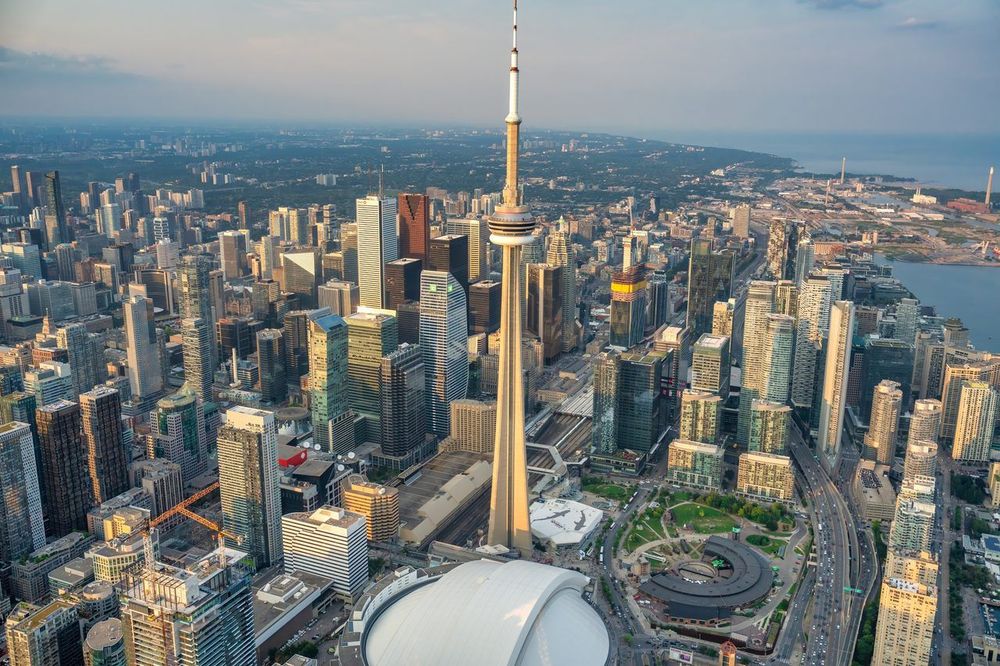
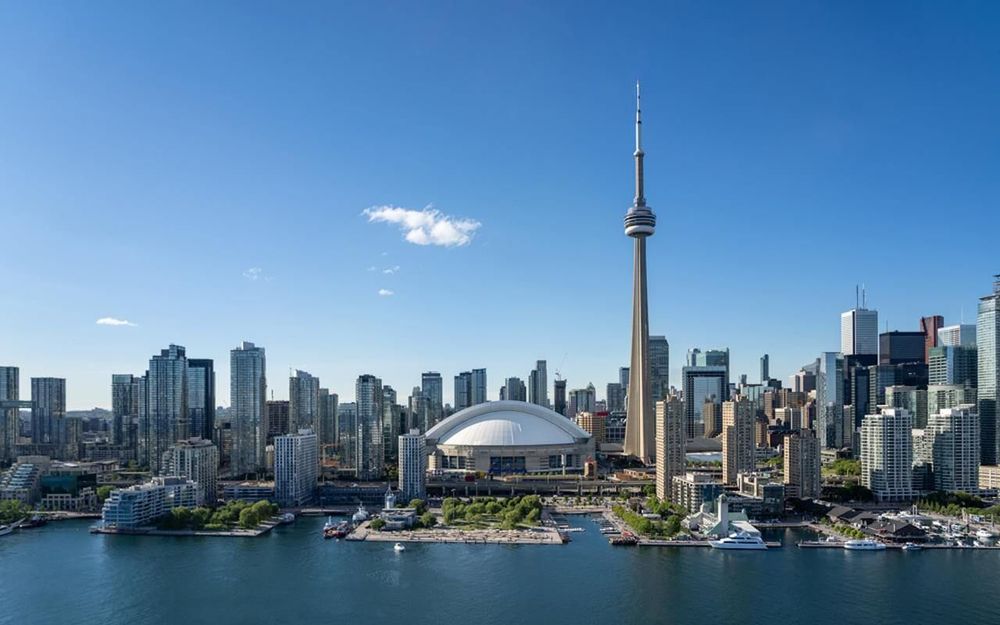
From the CN Tower, you enjoy a spectacular 360-degree view over Toronto and its surroundings. On a clear day, the panorama stretches as far as Niagara Falls and even into New York State. You look out over Toronto's impressive skyline with the skyscrapers of the Financial District, the vast Lake Ontario stretching as far as the eye can see, and the Toronto Islands forming a verdant archipelago. To the north, the city spreads out with its residential neighbourhoods dotted with green spaces. The various observation levels, notably the famous glass floor and the EdgeWalk for the more adventurous, offer varied perspectives on this dynamic metropolis. Sunset remains a particularly magical moment for this visit.
Which neighbourhoods should you explore in Toronto?
The city reveals itself neighbourhood by neighbourhood, as each one has its own character. The Distillery District, a former red-brick distillery complex now entirely pedestrian, lines up galleries, studios and cafés beneath cast-iron walkways. Kensington Market, a short walk from Chinatown, mixes vintage shops, grocers from all over the world and Victorian houses repainted in bright colours.
Queen Street West gathers designer boutiques, murals and music venues, while Yorkville plays a more elegant hand with its galleries and terraces. Each of these areas is easy to cover on foot, with the streetcar linking them together. The Ryo audio guide offers a dedicated Toronto route that connects these atmospheres and tells their story.
Which museums are worth visiting in Toronto?
The Royal Ontario Museum is the largest in the country: dinosaurs, Asian collections, minerals and galleries devoted to the First Nations sit side by side in a historic building extended by a crystal-shaped glass wing. The Art Gallery of Ontario, reworked by Frank Gehry, holds a major Canadian collection, including the Group of Seven, alongside contemporary art.
For a change of register, Casa Loma, a neo-Gothic mansion built by a financier in the early twentieth century, can be visited with its turrets, its stables and its underground passages. The shoe museum and the Aga Khan museum round off the offering in very different styles. Check the closing days, often at the start of the week, and allow half a day for each major museum.
How do you reach the Toronto Islands and what can you do there?
The islands are reached by ferry from the terminal on the lakeshore, a few minutes' walk from downtown, with a short crossing. Frequency depends on the season and the wait can stretch out on fine summer weekends, so it is better to set off early in the day.
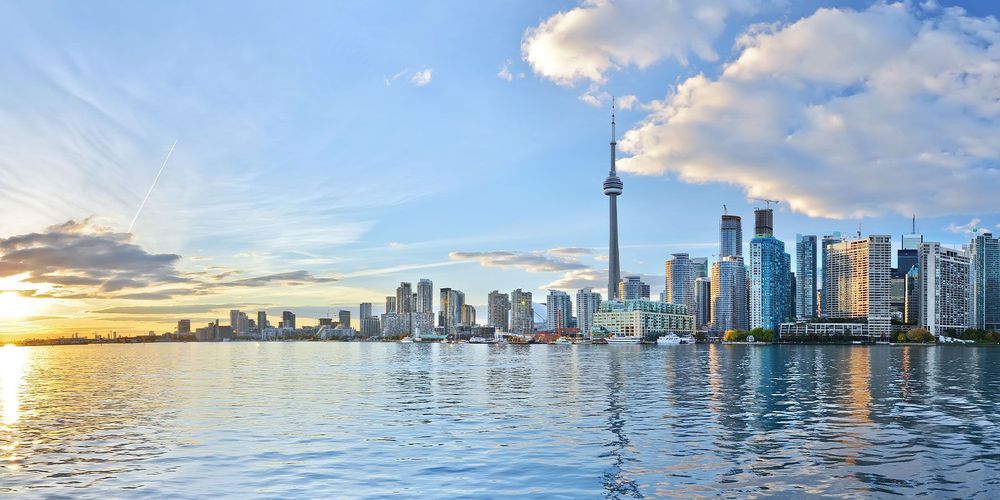
Once there, you get around on foot or by bicycle only, between beaches, coves, tree-lined paths and small bridges. Centre Island draws families around an old-fashioned amusement park, Ward's Island keeps its wooden cottages and village feel, and the western point remains the quietest. The great reward of the trip is the view over the skyline, at its most beautiful late in the day.
Vos commentaires, idées et suggestions
Aucun avis pour le moment