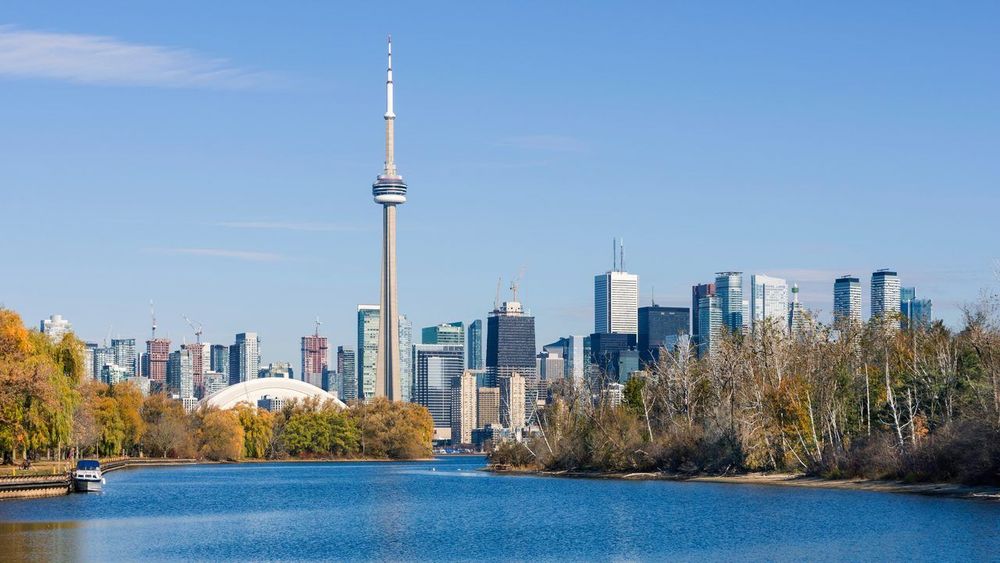
© Shutterstock
 Votre guide Ryo
Things to Do in Toronto in 2026: 15 Must-Do Experiences, from Downtown to Niagara Falls
Toronto remains the big North American city that French-speaking travelers rush through too quickly between Montréal and Niagara Falls, and that is a mistake: the tallest tower in North America sits alongside a Victorian market ranked the world's best food market by National Geographic, and an entire alley covered in legal murals for decades. Asking what to do in Toronto in 2026 means first accepting that a single day will never be enough to see everything. To link these places without wasting time finding your way, the Ryo audio-guided tour of Toronto draws a thread between downtown and the waterfront, headphones on, at your own pace.
In the pages that follow, we climb 553 meters to the top of the CN Tower, take a seven-minute ferry ride to beaches where the skyline is reflected in Lake Ontario, and walk down an alley where a cult film was shot amid graffiti renewed every week. We also come across a castle built by an eccentric financier ruined by his own delusions of grandeur, a free ice rink in the middle of winter in front of city hall, and falls that roar less than an hour and a half away by road. Whether you have a day, a weekend or a full week, on a tight budget or not, this selection helps you sort out the essentials.
1. The CN Tower, Icon of the Toronto Skyline
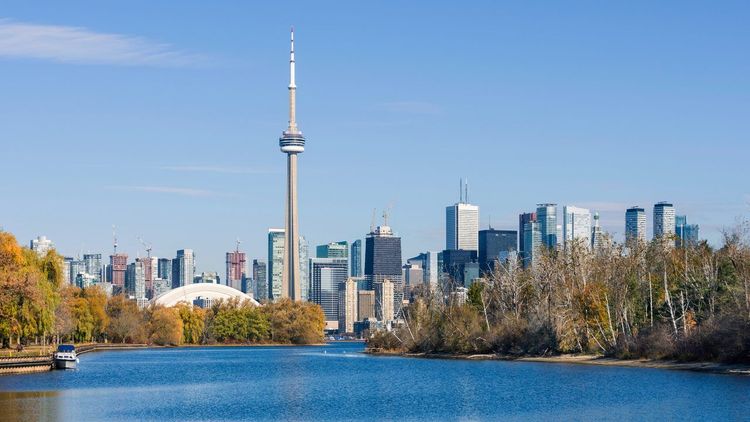
The CN Tower (290 Bremner Blvd, Toronto, ON M5V 3L9, rated 4.6/5 on Google from 89,817 reviews) has dominated Toronto since 1976 and remains the tallest freestanding structure in North America at 553 meters. For thirty-two years, until the Burj Khalifa, then under construction in Dubai, surpassed it in 2007, it even held the world record. The elevator climbs to the LookOut Level, at 346 meters, in under a minute; on a clear day, the view extends up to 160 kilometers, far enough to make out the mist of Niagara Falls on the horizon.
Construction employed more than 1,500 workers between 1973 and 1976, and the last sections of the antenna had to be placed by helicopter, piece by piece, since no crane could reach that high. This project remains one of the country's most-cited engineering feats in architecture textbooks to this day.
Three experiences are layered in the same tower. The glass floor, set 342 meters above the void, gives vertigo even to those who aren't afraid of heights. Above it, the SkyPod climbs even higher to 447 meters, making the CN Tower one of the few observation points in the world accessible on two distinct levels. And for the most daring, the EdgeWalk lets you walk, harnessed but hands-free, on an outdoor ledge 1.5 meters wide at a height of 356 meters, with nothing beneath your feet and no glass to hold on to.
Book your slot online at least the day before: queues easily exceed an hour in high season, especially on weekends between 11am and 4pm. Instead, aim to arrive in the late afternoon, an hour before sunset, to watch the city shift from golden light to the lights of the skyline without paying a night-time surcharge.
The tower owes its name to its original owner, the Canadian National Railway, which had it built as a telecommunications tower before the tourist attraction became its main purpose. The 360 panoramic restaurant, which makes a complete rotation every 72 minutes, still serves tasting menus upstairs today, and its elevator gives priority access, making it a smart option to skip the main line if your budget allows.
You can combine the visit with Ripley's Aquarium, right at its foot, for a full morning without any travel: both ticket offices offer combo passes that cost less than two separate admissions bought on the same day.
2. The Toronto Islands and the Harbourfront Waterfront
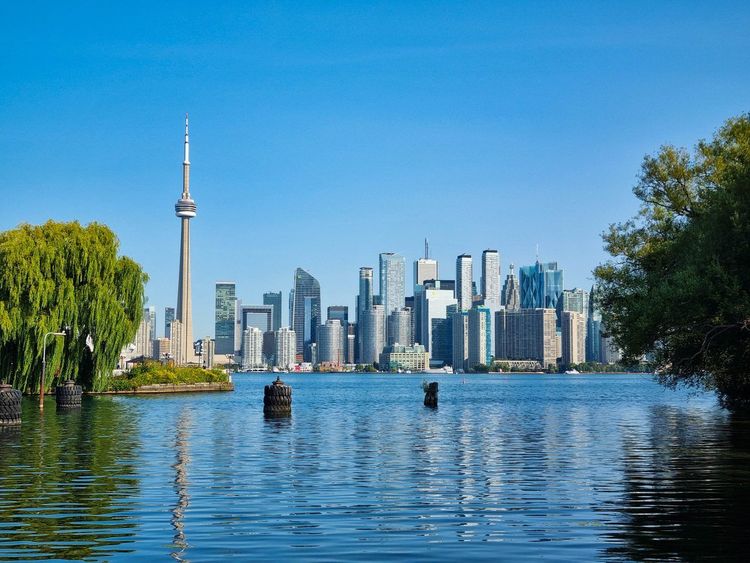
The Toronto Islands, Beaches and Skyline Views
The Toronto Islands form an archipelago of fifteen islets linked by footbridges, entirely closed to cars. The ferry leaves from the Jack Layton Ferry Terminal (9 Queens Quay W, Toronto) and takes between six and thirteen minutes depending on the destination, for a round trip at around 10 Canadian dollars. Centre Island concentrates most of the activity with its family amusement park, Centreville, open since 1967 with its Ferris wheel and little steam train.
For the most photographed view of Toronto, walk to the western tip of Centre Island: the entire skyline, CN Tower included, is reflected in Lake Ontario without a single building to cut the frame. Hanlan's Point, farther west, hides a clothing-optional beach with a singular past: a municipal bylaw already authorized nude bathing there in 1894, making it one of the oldest known legal naturist beaches, before a repeal in 1930 and then an official return between 1999 and 2002. A more family-friendly beach waits right next door for those who prefer to keep their swimsuit on.
The archipelago still houses Billy Bishop airport at its western tip, and once had entire residential neighborhoods, largely demolished from the 1950s onward to expand green spaces. Only Ward's Island and Algonquin Island keep a few hundred houses, where about 600 residents live in one of Canada's most unusual communities, car-free and seven minutes by ferry from the financial center.
Allow at least half a day if you want to rent a bike or a kayak on site. Avoid the return ferry between 5pm and 7pm in summer: it is the busiest slot of the day, with sometimes more than an hour's wait at the terminal.
Harbourfront and the Harbour Cruise
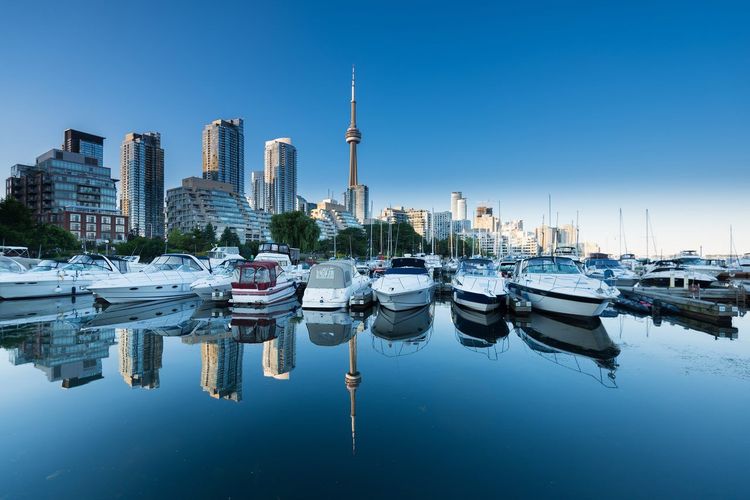
The Harbourfront district, along Queens Quay, has replaced the old industrial docks with a continuous promenade of more than three kilometers, lined with galleries, outdoor ice rinks in winter and free performance stages in summer. The Harbourfront Centre (235 Queens Quay W, Toronto, rated 4.6/5 on Google from 24,055 reviews) hosts festivals, artisan exhibitions and an art market on weekends all year round.
Toronto's port was long a closed industrial zone off-limits to the public, before a redevelopment begun in the 1970s that turned grain silos and warehouses into cultural spaces. Today, the promenade ends at the Music Garden, a garden designed by cellist Yo-Yo Ma where each plot represents a movement of a Bach suite, open and free all year round.
It is precisely on this waterfront that the Ryo audio-guided tour of Toronto makes a commented stop before the ferry crossing: the app tells the industrial history of the port while you wait to board, rather than aimlessly scrolling your phone. Cruises by the Mariposa company leave from the same dock for a one-hour tour of the harbor, with a view of Billy Bishop airport where planes land directly on the water.
3. Alternative and Bohemian Neighborhoods to Explore on Foot
Kensington Market, Queen Street West and Graffiti Alley
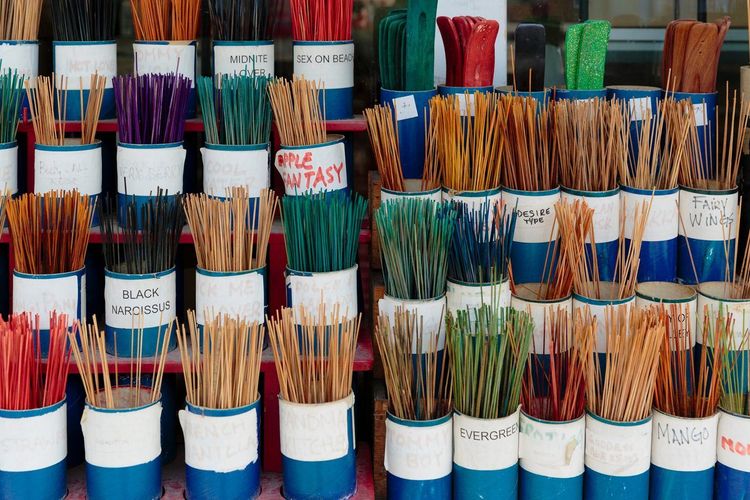
Kensington Market is the most colorful neighborhood in the city: vintage shops stacked over several floors, Caribbean, Portuguese and Vietnamese groceries side by side, and a smell of Jamaican patties that wafts as soon as you step off the Spadina Avenue streetcar. The neighborhood was built through successive waves of immigration since the early 20th century, first Jewish, then Portuguese and Caribbean, which explains a mix that no other part of Toronto has truly reproduced.
On weekends, some streets become pedestrian-only to make room for improvised flea markets and street musicians' stands. You'll meet students hunting for a rare vinyl as well as families who came from the other side of the city for groceries impossible to find elsewhere.
Heading south for a few hundred meters, Queen Street West completely changes register: contemporary art galleries, independent designer boutiques and cocktail bars in narrow storefronts. The legendary Rivoli, a stand-up and concert venue since 1982, has seen comedians now world-famous pass through before their breakthrough.
Just behind Queen Street West, running parallel to the main artery, Rush Lane is home to Graffiti Alley (Rush Lane, Toronto, rated 4.5/5 on Google from 3K reviews). This alley of several hundred meters accumulates legal murals constantly renewed, to the point that some walls change from one visit to the next. The cult film Scott Pilgrim, shot in Toronto in 2009, filmed several scenes there, which definitively put the place on the map for visitors in search of photos.
Chinatown and the Bloor & Bathurst Area
Chinatown stretches along Spadina Avenue, just south of Kensington Market, with its dim sum restaurants open late and its grocery stores spilling onto the sidewalk. You'll find some of the city's best hand-pulled noodle spots there, often in unpretentious storefronts that don't pay for their decor.
Farther north, the Bloor & Bathurst intersection blends Koreatown, with its Korean barbecue restaurants and karaoke lounges open until dawn, and Mirvish Village, a former antique dealers' district converted into an open-air dining space. The atmosphere there is markedly more student-oriented, driven by the proximity of the University of Toronto, and prices remain noticeably gentler than in the touristy downtown.
The Beaches, Toronto's Seaside Side
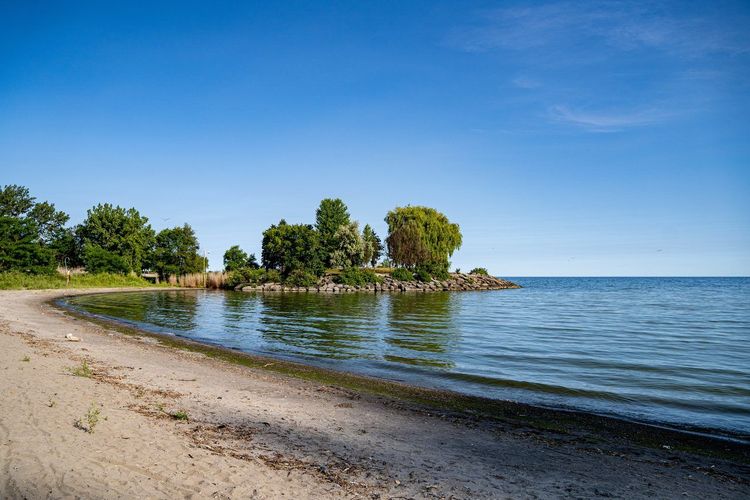
At the geographic opposite of downtown, The Beaches is an entire neighborhood built around a boardwalk of more than three kilometers along Lake Ontario. The Victorian houses lining the streets perpendicular to the beach give the area the feel of a small seaside town, fifteen minutes by streetcar from the center.
You can rent a bike to ride the whole boardwalk to Kew Gardens, where a farmers' market sets up on Saturday mornings in summer. This kind of street, where each block tells a different story, is precisely what the Ryo audio-guided tour of Toronto walks through in its downtown version, with an anecdote that triggers automatically at each change of street rather than a simple static map.
4. The Distillery District and the Saint-Lawrence Market
Distillery Historic District, Galleries and Craft Breweries
The Distillery District (55 Mill St, Toronto, rated 4.6/5 on Google from 20K reviews) occupies the former buildings of the Gooderham & Worts distillery, founded in 1832 and long considered the largest whisky distillery in the British Empire. The roughly five hectares of red brick and Victorian cobblestones now form the largest preserved 19th-century industrial architectural ensemble in North America, entirely closed to car traffic.
The former warehouses now house art galleries, glassblowers' workshops and several craft breweries, including the Mill Street Brewery set up directly in one of the original buildings. Between November and January, the district turns into a Christmas market draped in garlands since 2010, with a giant tree and wooden chalets that attract more than a million visitors each season.
The district has also served as a backdrop for numerous film and TV shoots, thanks to its period cobblestones that no other area of the city has kept intact. Come on a weekday during the day if you want to photograph the lanes without crowds: on weekends, especially in December, the place becomes one of the densest spots in the city.
Saint-Lawrence Market, Temple of Local Gastronomy
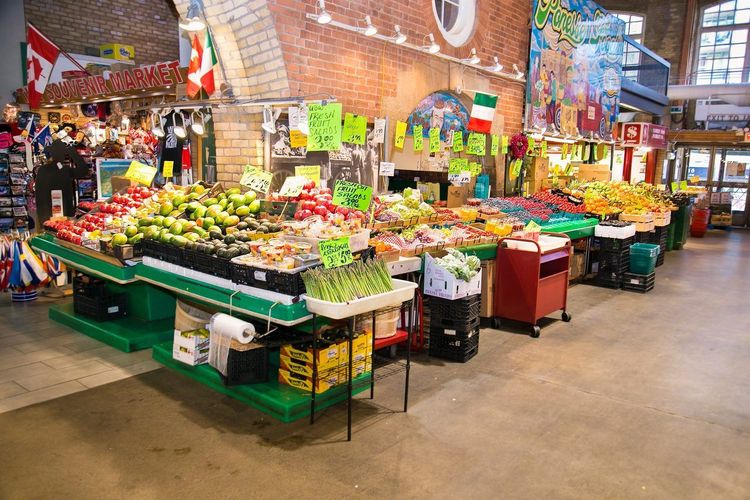
Fifteen minutes on foot away, the Saint-Lawrence Market (93 Front St E, Toronto) occupies a building whose origins date back to 1803, making it one of the oldest covered markets in the country still in operation. National Geographic ranked it the world's best food market in 2012, ahead of far better-known European institutions.
The essential local specialty is the peameal bacon sandwich, loin bacon coated in cornmeal served hot between two slices of bread, and Carousel Bakery has been selling them since the 1970s. The farmers' market, set up in the north building only on Saturdays, completes the picture with local producers you won't find on weekdays. More than 120 vendors share the stalls, from cheesemongers to fishmongers, in an atmosphere that is more reminiscent of a European market than a North American supermarket.
If Toronto's food scene interests you beyond this market, our Ryo article on the top 10 culinary specialties in Toronto details other addresses not to miss in the city. And to link the Distillery District to the market without wasting time in the adjacent streets, the Ryo audio guide of Toronto comments precisely on the neighborhood's Victorian cobblestones and the history of the centuries-old market at the very spot where you're looking at them.
5. Museums and Culture: ROM, AGO and Beyond
Royal Ontario Museum, Between Dinosaurs and World Civilizations
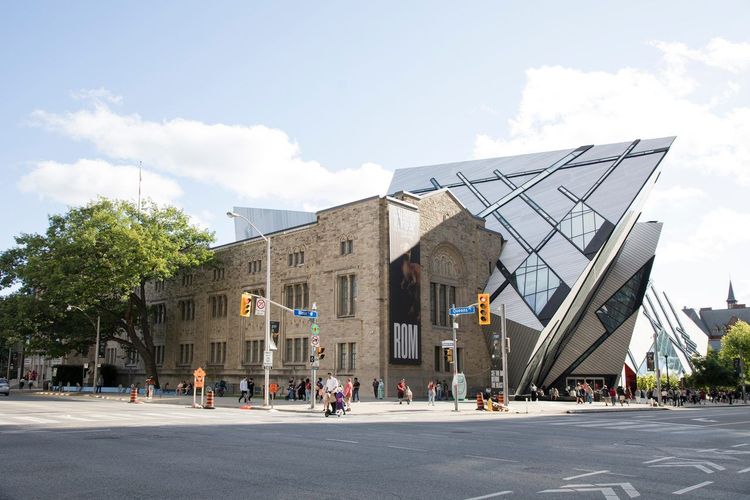
The Royal Ontario Museum, generally abbreviated to ROM, holds more than 13 million objects, making it the largest museum of natural history and world cultures in Canada. Its dinosaur gallery, dominated by Gordo, a barosaurus skeleton nearly 27 meters long, remains one of the most visited in the country by families.
The glass and aluminum extension stretching above the original entrance, nicknamed the Crystal, was designed by architect Daniel Libeskind and opened in 2007. Its angular design, which deliberately contrasts with the stone facade of the 1914 historic building, continues to divide Torontonians nearly twenty years after its opening: some see a bold architectural gesture, others a glass wart on a listed monument.
Allow at least three hours if you want to see the dinosaur collections, the Egyptian mummies and the First Nations cultures gallery. On Friday evenings, some temporary exhibitions stay open later, with fewer people than during the day.
Art Gallery of Ontario (AGO)
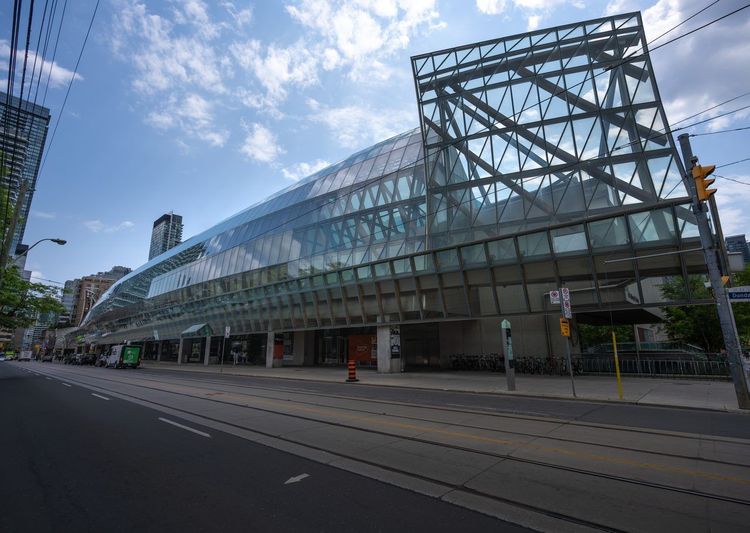
The AGO, the Art Gallery of Ontario (317 Dundas St W, Toronto), was redesigned in 2008 by Canadian architect Frank Gehry, a Toronto native, who signed one of his only works in his hometown there. The collection brings together more than 120,000 works, including one of the largest gatherings of paintings by the Group of Seven, the landscape painters who forged the imagery of wild Canada in the early 20th century.
Admission is free for everyone on Wednesday evenings, from 6pm to 9pm, and those under 25 can get a free annual pass, a detail few guides mention and one that completely changes the budget of a visit with family or friends. The undulating wooden facade imagined by Gehry, visible from Dundas Street, has established itself within a few years as one of the most photographed silhouettes in the neighborhood.
Hockey Hall of Fame and the Legislative Assembly of Ontario
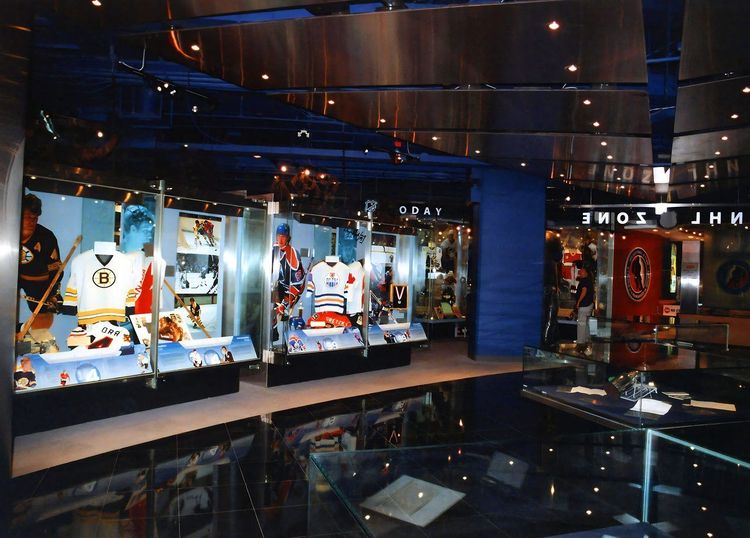
The Hockey Hall of Fame (30 Yonge St, Toronto, rated 4.7/5 on Google from 8,007 reviews) occupies the former headquarters of the Bank of Montreal, an 1885 bank building whose main hall, with its columns and vaulted ceiling, now serves as a showcase for the real Stanley Cup, on display outside the periods when it belongs to a team.
Sports fans, even casual ones, will easily spend a good hour and a half there among the display cases of historic jerseys, the interactive kiosks and the reconstruction of a professional locker room.
At the other end of downtown, the Legislative Assembly of Ontario (111 Wellesley St W, Toronto), in Queen's Park, can be visited for free by reservation on weekdays. The pink sandstone building, completed in 1893, still hosts the province's parliamentary debates, and the guided tours cover the architecture as well as the laws voted there.
6. Casa Loma and Fort York, a Dive into Toronto's History
Casa Loma, the Neo-Gothic Castle
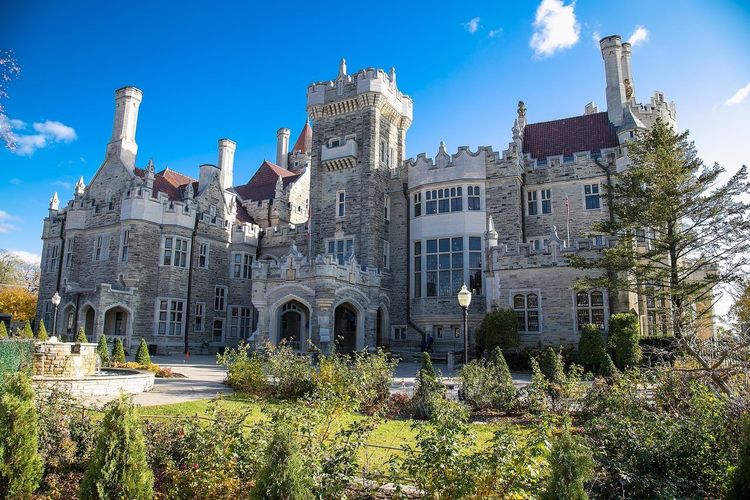
Casa Loma is Toronto's only true castle, built between 1911 and 1914 by Sir Henry Pellatt, a financier who made his fortune in electricity before losing almost all of it building his own home. Its 98 rooms include a ballroom able to hold 300 guests and stables decorated with more care than some living quarters of the era.
The detail almost nobody knows before visiting: a tunnel of nearly 250 meters directly links the castle's basement to the stables, so that Pellatt could reach his horses without going out in bad weather. Ruined by the nationalization of electricity in Ontario and the postwar downturn, he had to abandon the castle barely ten years after its completion, unable to pay its municipal taxes.
The city seized the estate in 1924 for unpaid taxes, then the Kiwanis Club opened it to the public in 1937. Today, the gardens can also be visited in spring when the tulip and peony beds bloom, a detail that many visitors hurrying to the main tower end up missing.
The Ryo audio-guided tour of Toronto stops in front of the entrance gate and devotes an entire stage to this story of grandeur and ruin, told at the exact moment you look at the facade rather than in a paper guide leafed through in advance.
Fort York, National Historic Site
Fort York (250 Fort York Blvd, Toronto, rated 4.5/5 on Google from 2,705 reviews) marks the exact spot where the city of Toronto, then called York, was founded in 1793. The site was also the scene of a major battle of the War of 1812, when British and American troops clashed there before the British blew up the powder magazine to prevent its capture.
Historical reenactments in period costume liven up the site several weekends a year, with musket-firing and garrison cooking demonstrations. Allow an hour and a half for its original buildings, which form the best-preserved War of 1812 fortification complex in the country, now surrounded by the glass towers of the rapidly expanding neighborhood.
7. Shopping and Urban Life: Eaton Centre and Sankofa Square
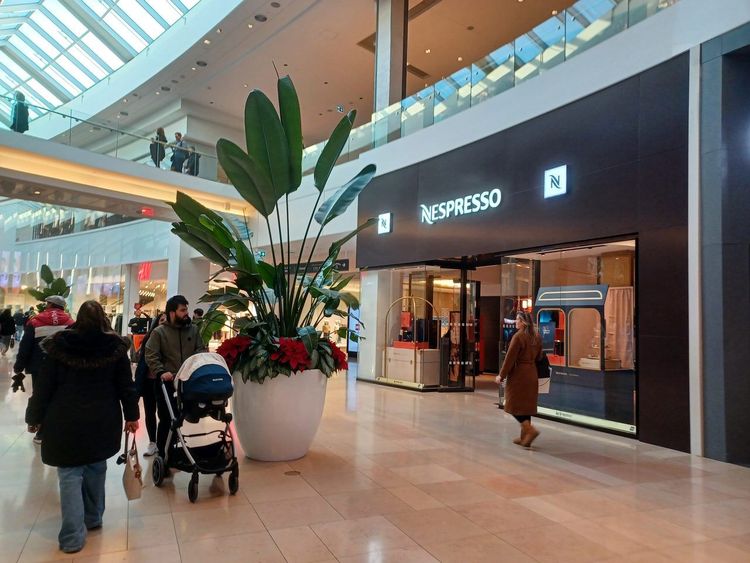
The CF Toronto Eaton Centre gathers more than 230 shops under a glass roof several hundred meters long, impressive enough to justify a visit even without any intention to shop. The mall is also linked to the PATH network, a system of air-conditioned underground passages that extends nearly 30 kilometers beneath downtown, handy for escaping the winter cold without going back out into the open air.
Exiting through the south entrance, you land directly on Sankofa Square (1 Dundas St E, Toronto, rated 4.4/5 on Google from 21,730 reviews), the former Yonge-Dundas Square renamed in late 2023 and inaugurated under its new name in 2025, Toronto's version of Times Square with its giant advertising screens and free concerts in summer. The contrast between the two places, one covered and hushed, the other open-air and noisy, sums up the energy of this corner of downtown rather well, especially on Saturday evenings when the two crowds cross paths on the same sidewalk.
8. Aquarium, Zoo and Thrills
Ripley's Aquarium of Canada
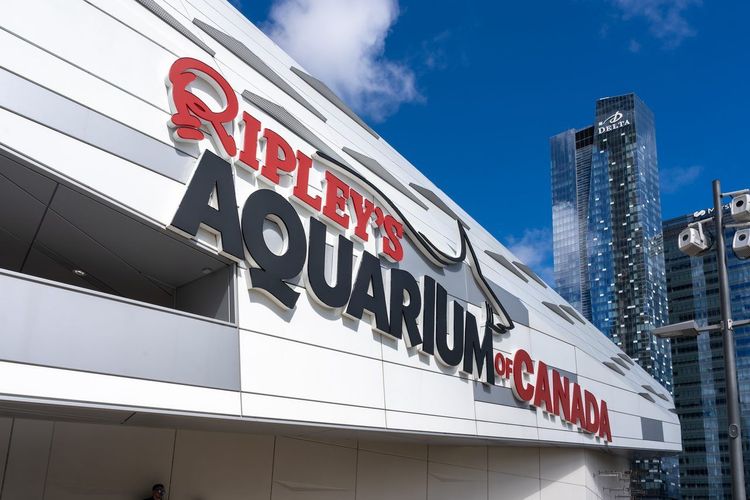
Ripley's Aquarium of Canada, set at the foot of the CN Tower, holds more than 5.7 million liters of water spread over sixteen themed zones. The Dangerous Lagoon tunnel, equipped with a moving walkway, carries visitors directly beneath sand tiger sharks and giant rays, separated by only a few centimeters of transparent acrylic.
In total, the aquarium is home to more than 20,000 marine and freshwater animals, including a collection of jellyfish lit in changing colors that attracts amateur photographers as much as children. Book a time slot online: the venue limits the number of entries per slot to avoid crowding, which makes the experience far more pleasant than a simple ticket bought on site in the peak tourist season.
Toronto Zoo and the Terra Lumina Night Show

The Toronto Zoo (2000 Meadowvale Rd, Toronto, rated 4.4/5 on Google from 38,541 reviews) spans more than 280 hectares, making it the largest zoo in Canada, and brings together several hundred species grouped by continent of origin. The giant pandas loaned by China were long the main attraction, until their departure in 2018, replaced since then by other endangered species highlighted through breeding programs.
In autumn and winter, the zoo extends its evenings with Terra Lumina, a night trail of about 1.5 kilometers studded with lanterns and giant light installations inspired by the wildlife you see during the day. The experience, separate from regular zoo admission, requires a separate reservation and attracts families as much as couples looking for a different outing. The stroller-accessible paths cross the African pavilions as well as the section devoted to Canadian wildlife, with lynx and polar bears visible even in the middle of the night.
Flying over Toronto by Helicopter
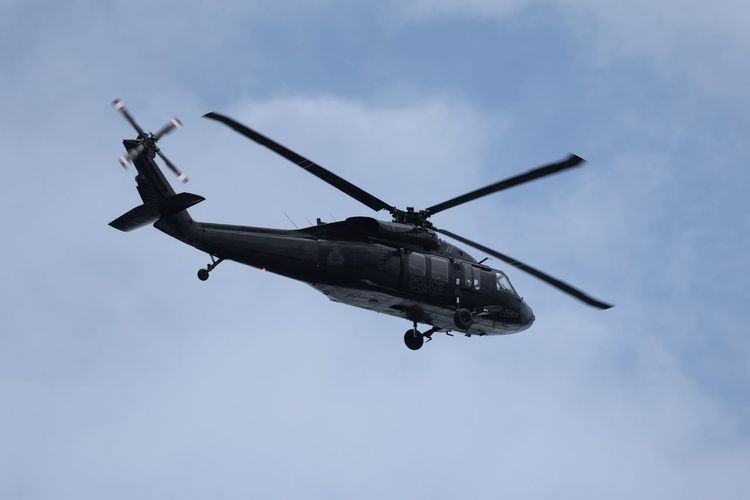
For a view even the CN Tower can't offer, several companies based at Billy Bishop airport or Buttonville offer helicopter flights of twelve to twenty minutes over downtown and Lake Ontario. The flight, a few hundred meters up, lets you take in the skyline, the islands and the layout of the port at a glance, an angle impossible to reproduce from the ground.
These flights cost noticeably more than a museum admission, but remain a good compromise for visitors who have only half a day for Toronto and still want to leave with an overview of the city. Some companies even offer a combined flight all the way to Niagara Falls, for those who prefer the air to highway traffic jams.
9. Day Trip to Niagara Falls from Toronto
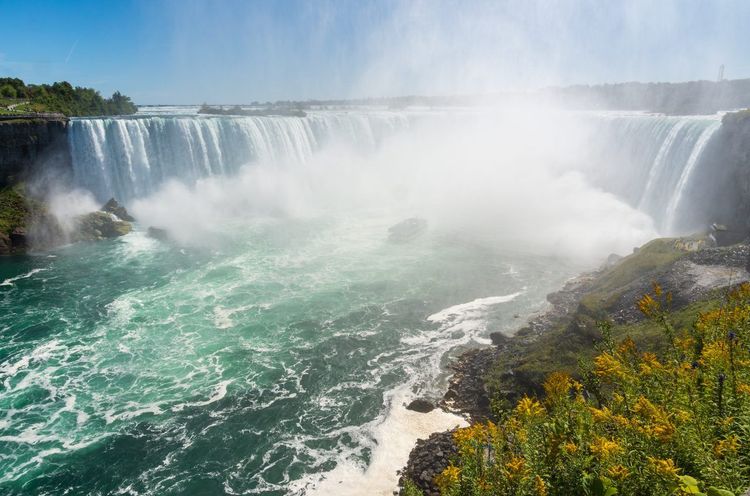
The Niagara Falls are about 130 kilometers south of Toronto, or between one hour twenty and one hour forty by road depending on traffic on the Queen Elizabeth Way. It is the most requested day trip from the city, and for good reason: the combined flow of the three falls, Horseshoe Falls, American Falls and Bridal Veil Falls, exceeds 2,800 cubic meters of water per second during the day in summer.
On the Canadian side, Horseshoe Falls offers the most spectacular viewpoint, visible directly from the promenade without paying an entrance fee. To get as close as possible, the Niagara City Cruises boat, which replaced the Maid of the Mist on the Canadian side in 2014, takes visitors in ponchos right to the foot of the curtain of water, where the noise becomes deafening and the spray replaces the rain.
The Journey Behind the Falls attraction lets you ride an elevator down to tunnels carved into the rock behind the falls themselves, for a reversed perspective impossible to get any other way. In the evening, colored spotlights illuminate the falls until 10pm or 11pm depending on the season, a free show visible from the promenade.
If you have a full day, push on to Niagara-on-the-Lake, twenty minutes by car, for a detour to one of Canada's main wine regions and its ice wines typical of the area. Rather, allow two days if you want to add Clifton Hill, the district of attractions and offbeat museums located just above the falls on the Canadian side.
Many coach operators offer day trips departing from downtown Toronto, with pickup in front of the major hotels from 7:30am and return in the late evening. It is the simplest option if you don't want to rent a car just for this outing, even though it leaves less freedom than a trip in your own car. Remember to bring your passport if you plan to cross to the American side to compare the two viewpoints: the border is crossed directly on the Rainbow Bridge, on foot or by car.
10. Free Things to Do in Toronto
Toronto has the reputation, not always wrong, of being an expensive city. Yet a good share of the most memorable experiences on this list cost nothing. Graffiti Alley can be visited freely at any hour, without a ticket or reservation, and remains one of the best free photo spots in the city.
The beaches of the Toronto Islands are also free once the ferry is paid for, for just a few dollars. On the mainland, High Park, the city's largest park, attracts thousands of visitors every spring for its paths lined with blossoming cherry trees, originally planted in 1959 and gifted by the Japanese ambassador to Canada.
The Trinity Bellwoods Park, in the west of downtown, serves as the locals' outdoor living room from the first sunny days, with its improvised picnics and games of volleyball on the grass. Farther east, the Scarborough Bluffs cliffs offer an almost unreal landscape of white walls overlooking Lake Ontario, with no admission fee, as long as you bring good shoes to walk down to the beach.
Also think of the AGO, free every Wednesday after 6pm for those under 25, and the Toronto Music Garden, this garden designed by Yo-Yo Ma on the waterfront, where each plot corresponds to a musical movement by Bach. The Distillery District also costs nothing to visit as long as you don't enter the shops: strolling among the brick buildings is plenty to enjoy the atmosphere, camera in hand.
11. What to Do in Toronto in 1, 2 or 3 Days
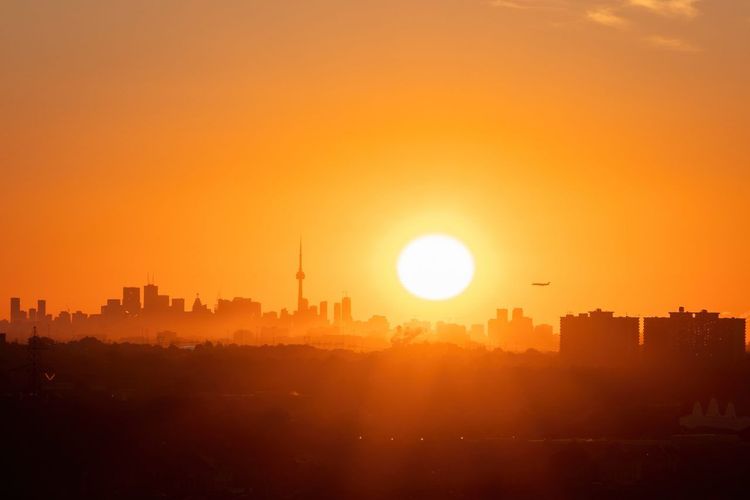
In one day, focus on downtown: the CN Tower in the morning before the crowds, then Ripley's Aquarium right next door, the Distillery District in the afternoon and the Saint-Lawrence Market for dinner. It is the most common format for visitors on a stopover or in transit to Niagara Falls.
With two days, add the Toronto Islands on the morning of the second day, to enjoy the light before the ferry fills with tourists, then Casa Loma and Kensington Market at the end of the day. This pace also leaves time to linger on Queen Street West without rushing from one place to another.
Over three days, reserve a full day for the Niagara Falls trip, and spread the museums, ROM and AGO, over the other two days depending on your artistic or scientific preferences. It is also the format that allows you to push on to The Beaches, often sacrificed on a shorter stay for lack of time.
To plan this kind of itinerary without spending an evening on it in advance, the Ryo audio-guided tour of Toronto offers a full downtown version and the Ryo audio-guided sub-tour Conquering Eastern Canada, designed for visitors who combine Toronto with other stops in the east of the country. The app breaks the visit into geolocated stages, which saves you from building an itinerary by hand between two neighborhoods, paper map in hand in the rain.
12. What to Do in Toronto in Winter
Toronto winters regularly drop to between -5°C and -10°C from December to February, with colder spells driven by the wind off Lake Ontario. That doesn't stop the city from staying fully active: Nathan Phillips Square, in front of city hall, sets up a free outdoor ice rink from November, skate rental included for a modest sum.
The Distillery District turns into a Christmas market draped in garlands and decorated trees, with wooden chalets and mulled wine, a tradition established since 2010 that attracts more than a million visitors each season. The Cavalcade of Lights, in November, traditionally marks the official launch of the city's illuminations with fireworks above Nathan Phillips Square.
The underground PATH network, already mentioned for the Eaton Centre, becomes a precious ally in winter: you can link several downtown attractions without putting a coat back on, along nearly 30 kilometers of heated, shop-lined galleries, an asset few visitors anticipate before their first Canadian winter.
The Toronto Islands, for their part, empty almost entirely of tourists from November, making them a surprisingly peaceful spot for a winter walk on a frozen beach, as long as you dress warmly against the wind that crosses the lake with no obstacle.
13. Festivals and Events Not to Miss in Toronto
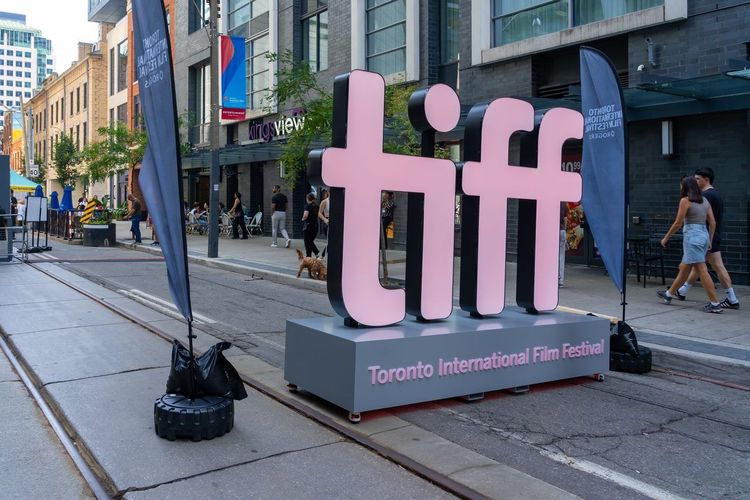
The Toronto International Film Festival (TIFF), every September, turns the entertainment district into the epicenter of world cinema for ten days, with premieres and surprise appearances by stars who come to champion their film before its theatrical release.
Caribana, officially the Toronto Caribbean Carnival, takes place in early August and remains the largest Caribbean carnival in North America, with a parade of flamboyant costumes stretching several kilometers that has attracted more than a million spectators each year since its creation in 1967.
The Canadian National Exhibition (CNE), in late August, mixes rides, agricultural competitions and stands of improbable food at the Exhibition Place site, in the atmosphere of a giant fairground that traditionally marks the end of summer for Toronto families.
The Pride Toronto, in late June, ranks among the largest pride marches on the continent, with a parade that crosses downtown over several hours. And from November, the Distillery District Christmas market takes over until January to close the year in lights.
14. How Much Does a Trip to Toronto Cost?
Toronto ranks among the most expensive cities in Canada, on a par with Vancouver. For a traveler watching their budget, allow between 35 and 45 Canadian dollars per night in a hostel dorm, versus 150 to 220 dollars for a decent hotel room downtown.
As for meals, a dish at a simple restaurant runs around 15 to 25 Canadian dollars, taxes and a 15 to 18% tip not included, which noticeably raises the final bill compared to the price shown on the menu. A peameal bacon sandwich at the Saint-Lawrence Market, by comparison, costs barely more than 8 dollars.
For attractions, a combo pass such as Go City, which often includes the CN Tower, Ripley's Aquarium and Casa Loma, costs around 95 to 120 Canadian dollars depending on the duration chosen, and pays off once you visit three attractions during your stay.
Overall, plan for a daily budget of about 80 Canadian dollars when traveling on a tight budget (hostel, public transit, simple meals), versus 200 dollars and more for a comfortable stay with a central hotel and a few paid attractions each day.
15. Toronto in Practice: When to Go, How to Get There, Where to Stay, Getting Around
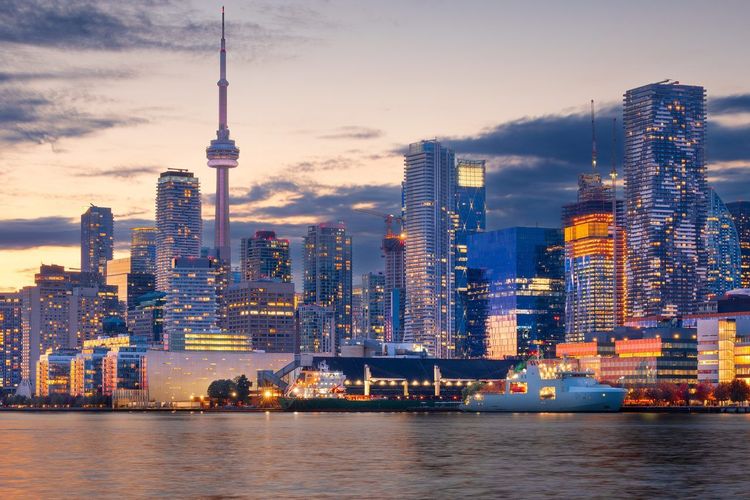
When to Visit Toronto?
The best period runs from May to September, when temperatures range between 20°C and 28°C and most outdoor festivals are in full swing. July and August remain the busiest months, with sometimes heavy humidity near Lake Ontario.
September and early October offer a good compromise: still pleasant temperatures, thinner crowds than in the height of summer, and autumn colors beginning to transform High Park. Winter, between December and February, mostly appeals to travelers drawn by Christmas markets and outdoor ice rinks.
How to Get to and Around Toronto?
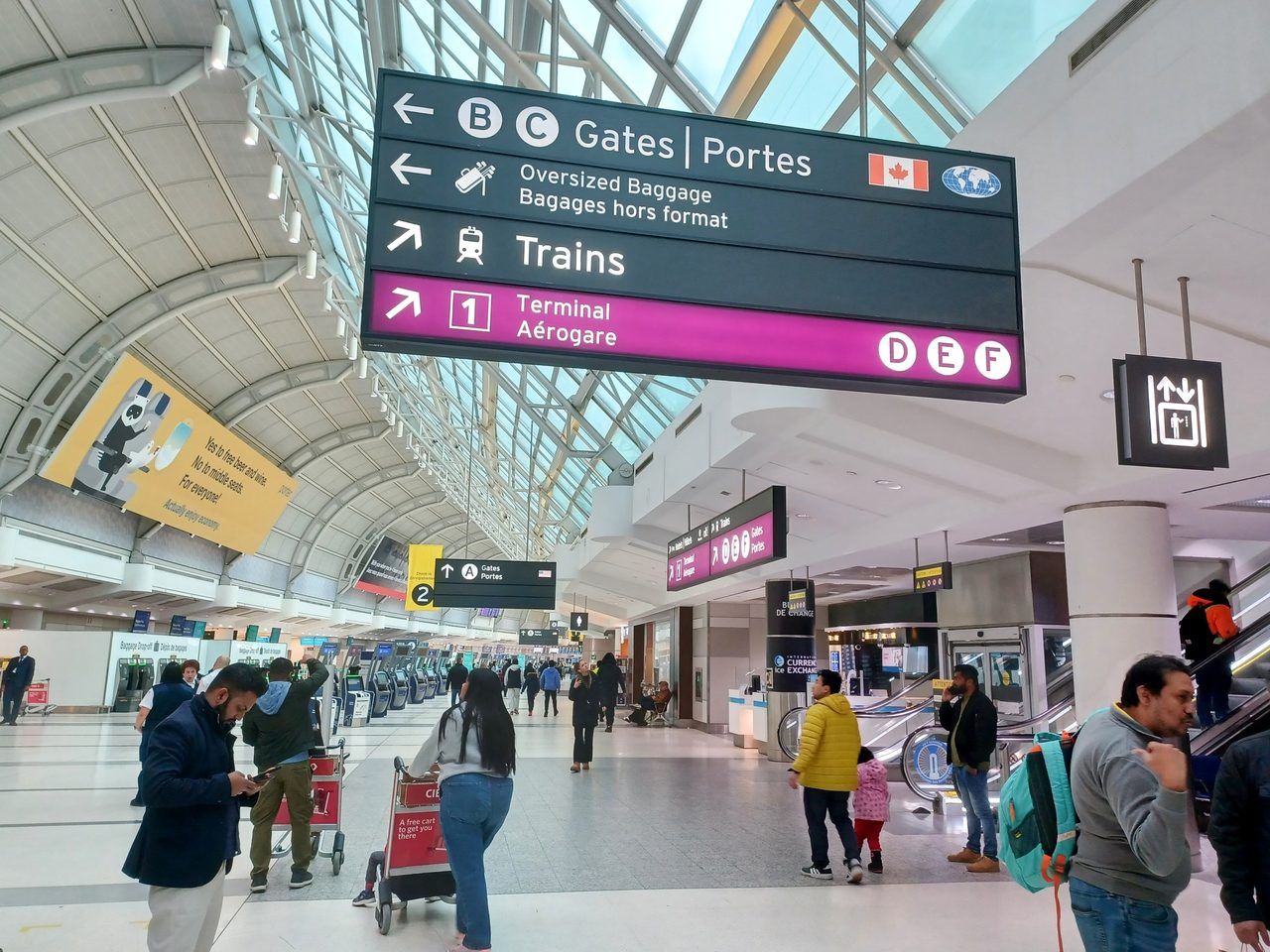
The Pearson (YYZ) airport remains the main point of entry, about 25 kilometers from downtown. The UP Express train links the airport to Union Station in 25 minutes, much faster and more reliable than a taxi at rush hour on Highway 401.
Once in the city, the TTC network (subway, streetcars, buses) covers most travel with a single ticket usable on all modes, and a day pass at around 13.50 Canadian dollars pays off from three trips. Driving a car in Toronto, on the other hand, often proves frustrating: traffic on the Gardiner Expressway at rush hour can turn a twenty-minute trip into more than an hour, and downtown parking regularly exceeds 20 dollars an hour.
Where to Stay in Toronto?
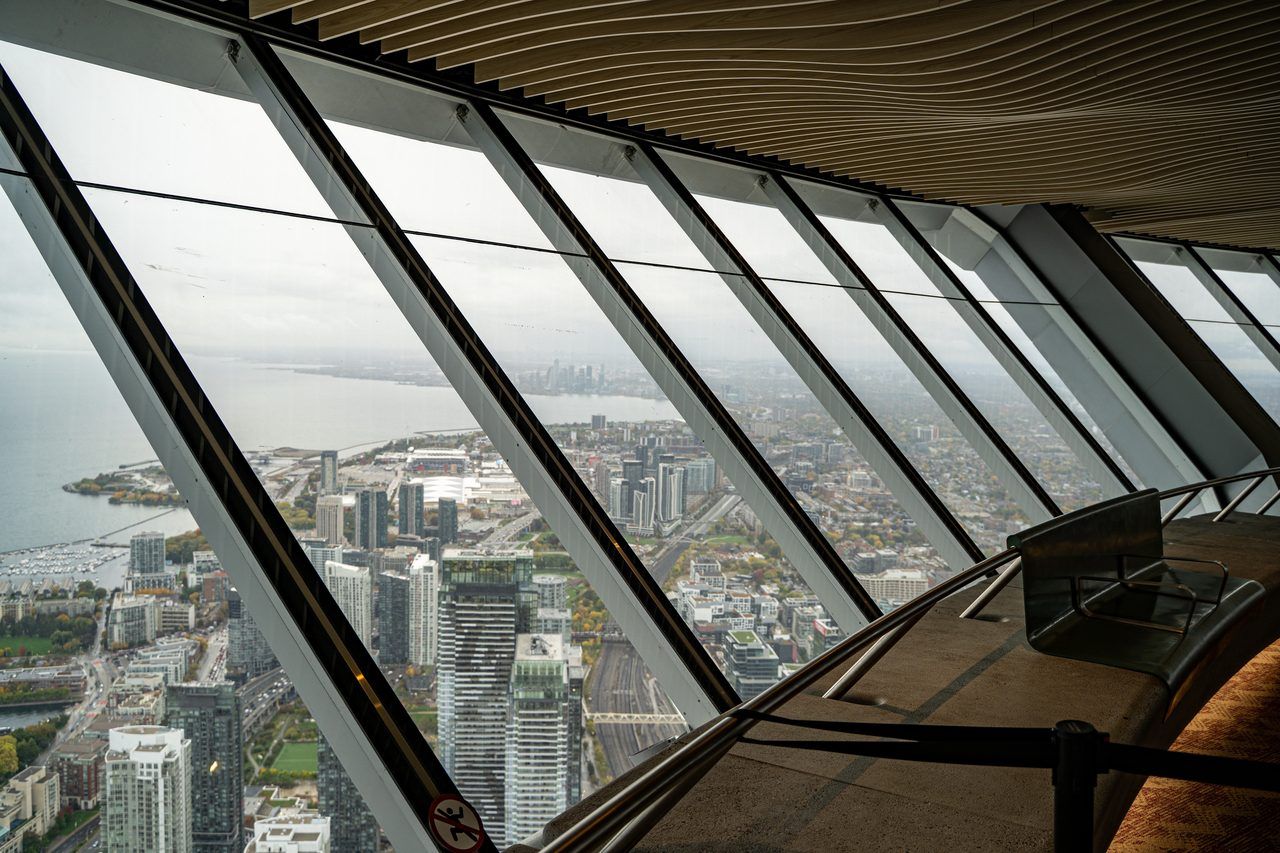
The Downtown/Entertainment District area, around the CN Tower and Front Street, puts everything within walking distance but prices its hotels accordingly. The Distillery District and its surroundings offer a more intimate atmosphere, slightly off-center but still accessible on foot from the main downtown attractions.
For a more affordable stay without going too far, the King West area combines budget options and lively nightlife, a few streetcar stops from the tourist heart, with addresses often 20 to 30% cheaper than in the Entertainment District for comparable quality.
Do You Need an Attractions Pass?
Passes like Go City or CityPASS become worthwhile once you plan to visit three or more paid attractions during your stay, with the CN Tower, ROM, Ripley's Aquarium and Casa Loma being the most common combinations. Below that threshold, buying tickets separately is often cheaper despite the apparent complexity of the calculation.
FAQ
How long does it take to visit Toronto?
Allow a minimum of two full days to see the downtown highlights, and three days if you want to add a trip to Niagara Falls. A week lets you explore the outlying neighborhoods too and take your time in the museums without rushing from one place to the next.
What is the best time to visit Toronto?
May to September offers the most pleasant conditions, with temperatures between 20°C and 28°C and most outdoor festivals. September remains the best compromise between mild weather and crowds that are more manageable than in the heart of summer.
How do you get around Toronto without a car?
The TTC network (subway, streetcar, bus) efficiently covers downtown and the outlying neighborhoods with a single ticket valid on all modes. A day pass at around 13.50 Canadian dollars is enough for a day of intensive sightseeing without ever reaching for your wallet again.
Is an attractions pass really worth it in Toronto?
Only if you plan to visit at least three paid attractions, such as the CN Tower, the ROM and Ripley's Aquarium. Below that threshold, buying individual tickets is generally cheaper than the combo pass.
Do you need to rent a car to visit Toronto?
No, downtown is very easy to explore on foot and by public transit, and the traffic and parking discourage even locals from driving there every day. A car is only useful for the trip to Niagara Falls if you don't take an organized coach.
Can you visit Niagara Falls in a day from Toronto?
Yes, the trip takes between one hour twenty and one hour forty by car or coach, which leaves plenty of time to see the falls, take the cruise to the foot of the falls and return the same evening without undue rush.
What is there to do in Toronto when it rains?
Museums like the ROM and the AGO, the underground PATH network connected to the Eaton Centre, and Ripley's Aquarium easily fill an entire day without going out in the rain, simply moving from one building to the next through the covered galleries.
Toronto, a City Best Discovered on Foot
Between the CN Tower overlooking Lake Ontario, the colorful lanes of Kensington Market and a day trip to Niagara Falls, Toronto suits a quick weekend as well as a full week without ever repeating the same neighborhood atmosphere twice. The city mostly rewards those who take the time to walk rather than tick off a list of attractions in a hurry.
On site, the Ryo audio-guided tour of Toronto remains the simplest way to combine several of these experiences in a single outing, at your own pace and without booking a guide. Just open the app on site and every street rediscovers its history.