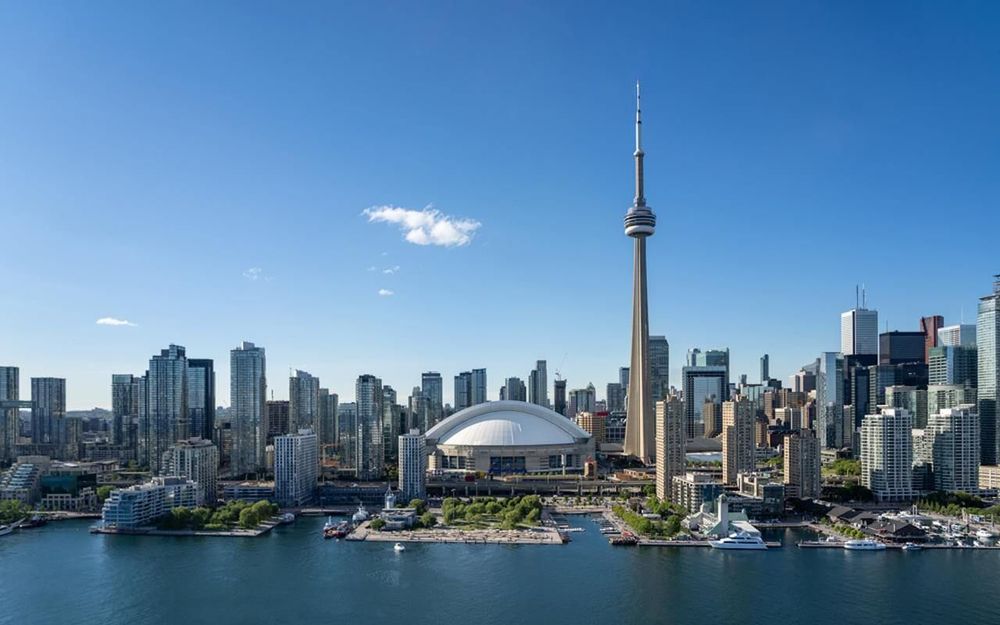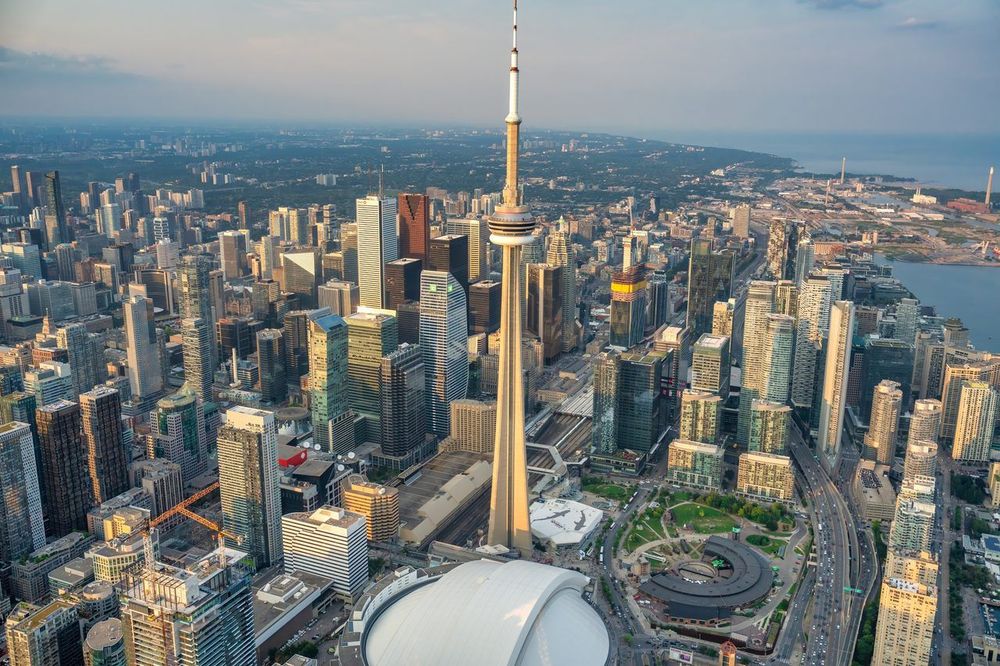
© Shutterstock
 Votre guide Ryo
A Weekend in Toronto: The Full Two-Day Itinerary for 2026
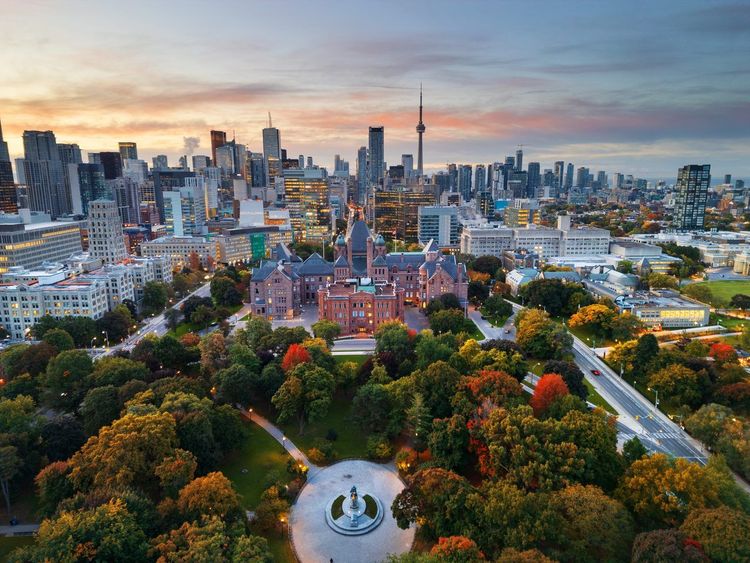
Forty-eight hours rarely feels like enough for a city this size, yet a weekend in Toronto works because most of what matters sits inside one walkable core: the CN Tower's needle over the skyline, a market hall that smells of peameal bacon before nine in the morning, and three or four neighborhoods you can stitch together on foot or with a single TTC fare of about CAD 3.30. The audio-guided walking tour of Toronto by Ryo starts a few blocks from Union Station, roughly where most first mornings in this city begin anyway.
Two days here means climbing into open sky at the 553-meter CN Tower, then dropping back to street level for a sandwich at St. Lawrence Market's Carousel Bakery, discovering that Graffiti Alley runs the length of several blocks rather than the single wall most photos suggest, and learning that a ferry ticket to the Toronto Islands costs less than a movie downtown. Kensington Market trades in secondhand denim and Jamaican patties, Chinatown next door deals in bubble tea and calligraphy brushes, and by Sunday night you will have eaten more poutine than you planned to. None of it requires renting a car, and most of it does not require much of a budget either. Further down, you will also find where to sleep, how to get in from the airport, what a realistic budget looks like and how to adapt the plan for kids, a couple or a group of friends.
Day 1 Morning: The CN Tower and St. Lawrence Market
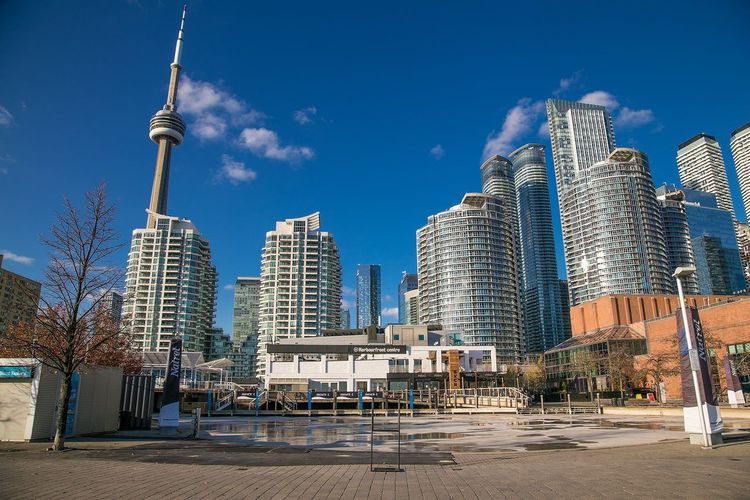
Most weekend visitors start where the skyline starts, at the base of the CN Tower), a ten-minute walk from Union Station whether you arrive by GO Train, VIA Rail or the UP Express from the airport. Nine in the morning is the right hour to be here, before the elevator line doubles and before the market further east fills with the brunch crowd. Ryo's Toronto audio guide opens its narration on this exact stretch, threading the tower district toward St. Lawrence Market (93 Front St E, Toronto, ON M5E 1C3, rated 4.7/5 on Google (22K reviews)) with stories about how a sprawl of rail yards became the city's front door.
The CN Tower, EdgeWalk and the Skyline
The CN Tower held the title of world's tallest freestanding structure for over three decades after it opened in 1976, and at 553 meters it still dwarfs everything else in the frame. The glass-fronted elevator ride to the main observation level takes under a minute and delivers a floor built with reinforced glass panels you can stand on, not recommended for anyone with a fear of heights or a full stomach. A timed general admission ticket costs CAD 47 for an adult; adding The Top, the highest platform, brings it to CAD 59, worth it on a clear day when the view reaches across Lake Ontario toward Niagara.
If heights do not bother you and your knees can take a harness, EdgeWalk is the more memorable version of the same view: a hands-free loop around an exterior ledge 356 meters up, clipped to an overhead rail with nothing between you and the street below except air. It runs seasonally, books out days in advance during July and August, and starts at CAD 199. Book the earliest slot you can find. Winds pick up through the afternoon, and the operator cancels walks once gusts cross a safety threshold, which happens more often than the marketing photos suggest.
St. Lawrence Market and Carousel Bakery
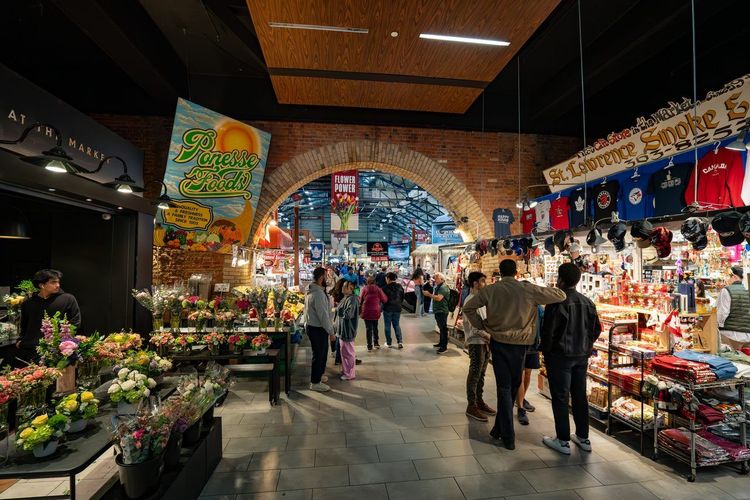
About twenty minutes east on foot along Front Street, St. Lawrence Market has operated in this spot since 1803, older than the country built up around it. National Geographic once named it the world's best food market, a line every vendor inside now repeats back to browsing tourists, but the density of cheese counters, spice stalls, fishmongers and bakeries under one roof still earns the compliment on a busy Saturday morning. The South Market opens Tuesday to Sunday (Sunday from 10am to 5pm) and closes on Mondays, while the farmers' market fills the North Market on Saturdays from dawn, so Saturday remains the liveliest morning to come.
Head for Carousel Bakery and order the peameal bacon sandwich: a cured, cornmeal-crusted pork loin grilled to order and stacked into a soft kaiser bun. It is the market's signature dish for a reason, the line moves fast even at peak hours, and a coffee from one of the neighboring stalls rounds out a breakfast that costs less than most sit-down brunches nearby. Grab it to go and eat on the benches outside if the inside counters are packed.
Before moving on, note that Union Station sits between these two stops and works as a natural meeting point if your group splits up, a fact worth remembering once you reach the transit section further down this guide.
Day 1 Afternoon: Waterfront, Toronto Islands and the Distillery District
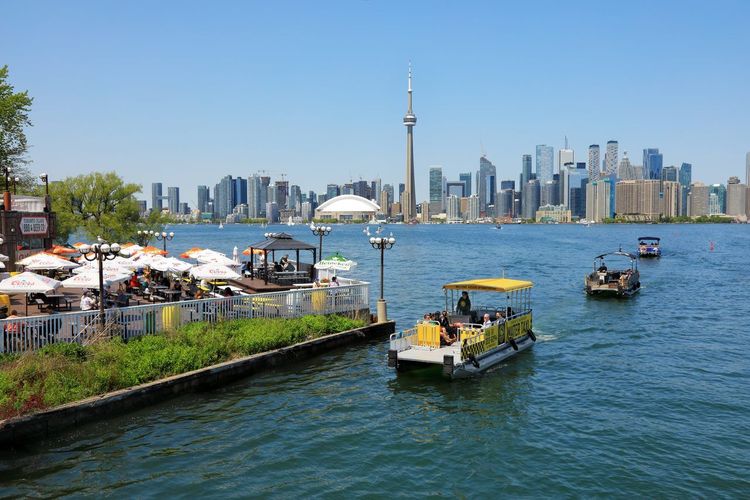
By early afternoon, the itinerary shifts south toward the lake, where three distinct experiences sit close to each other: a waterfront promenade, a ferry to a set of islands, and a cobblestone district that once distilled more spirits than anywhere else in the British Empire. This stretch of the city carries some of the oldest industrial history in Toronto, tracing back to the Gooderham and Worts operation that once shipped barrels across the harbor. If you prefer to walk it with context, the Ryo audio parcours covers the lakefront and old industrial quarters with short narrated stops you can play on your phone as you go.
A Stroll Along the Waterfront and Harbourfront Centre
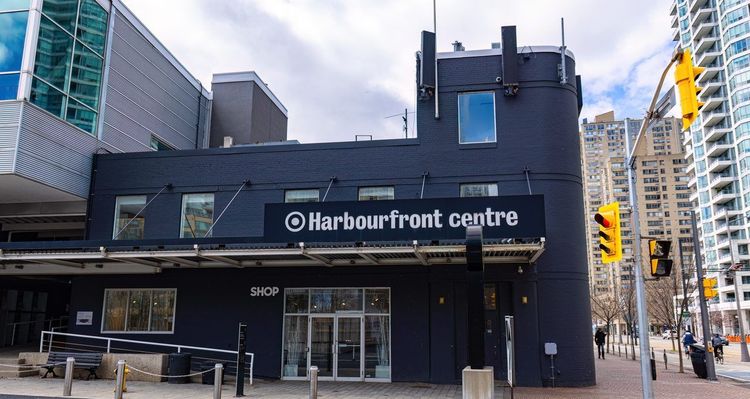
The path along Harbourfront Centre) runs for several kilometers along Lake Ontario, past marinas, public art installations and patios that fill quickly on any warm Saturday. Harbourfront Centre itself programs a packed calendar of free festivals through spring and summer, from craft fairs to outdoor concerts, and checking its schedule before you arrive can turn an ordinary stroll into something with a specific reason to linger.
For a different angle on the same stretch of water, a sunset cruise on the Tall Ship Kajama, a three-masted schooner built in 1930 and refitted for passengers, sails out on summer evenings and turns the skyline you photographed that morning into a proper backdrop. Sailings sell out on fine weekends, so reserving a day ahead beats walking up to the dock and hoping for space.
Ferry to the Toronto Islands
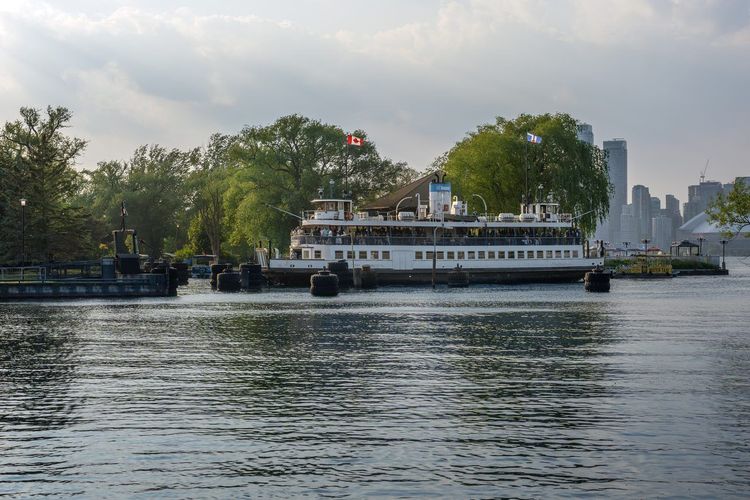
A short walk from the harbourfront path, the Jack Layton Ferry Terminal) sends boats out to the Toronto Islands frequently in peak season, and the short crossing alone is worth the ticket price. Centre Island gets the crowds and the Centreville amusement park; Ward's Island keeps a residential, almost sleepy character with cottages and a beach that never quite fills up the way the mainland ones do. Round-trip fares sit around CAD 10 for an adult, and buying tickets online ahead of a summer weekend saves real time in the ferry line.
Bring a bike, since the islands' car-free lanes make for some of the easiest cycling in the city, and pack a picnic. Food options on the islands are limited and priced accordingly, so most locals arrive with their own lunch rather than counting on the snack bar.
The Historic Distillery District and Old Toronto
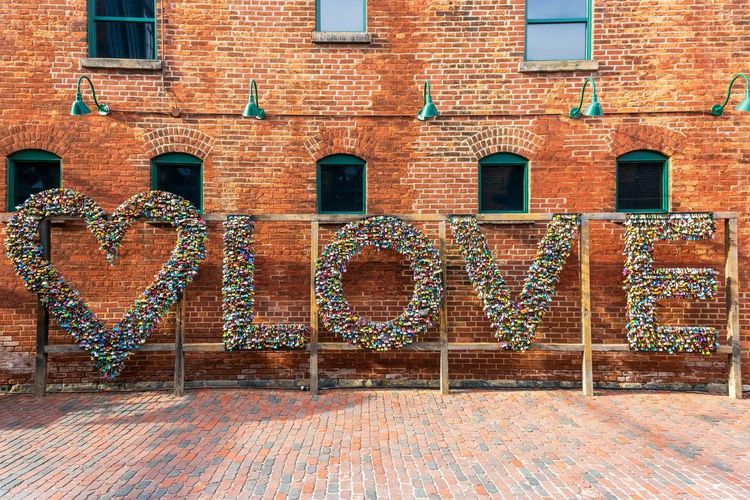
Back on the mainland and east of downtown, the Distillery District (55 Mill St, Toronto, ON M5A 3C4, rated 4.7/5 on Google (18K reviews)) occupies the former Gooderham and Worts complex, once the largest distillery in the British Empire and now a pedestrian-only grid of Victorian industrial buildings converted into galleries, cafes and boutique shops. The cobblestone lanes and red-brick warehouses have doubled for dozens of film sets over the years, and the architecture here reads as a rare surviving pocket of Old Toronto, the 19th-century industrial city that most of downtown has otherwise built over. In November and December, the Distillery Winter Village fills these lanes with lights and stalls.
Want the classic postcard shot? The illuminated Toronto sign stands on Nathan Phillips Square outside City Hall, an easy detour on the way back west: block letters, the reflecting pool in front, and a line of visitors waiting their turn.
Day 1 Evening: Dinner and Late-Night Drinks
Toronto's Entertainment District, a short cab or streetcar ride from the Distillery, holds most of the city's late-night energy on a Friday or Saturday, and three spots consistently show up on locals' short lists for a first weekend visit.
For dinner, PAI Northern Thai Kitchen) serves the food of northern Thailand rather than the more familiar Bangkok-style menu found elsewhere in the city, with a khao soi curry noodle bowl that regulars order on repeat. Reservations help on weekends; the wait without one can be long.
If cocktails matter more to your evening than a sit-down meal, BarChef) built its reputation on drinks that arrive with smoke domes, edible garnishes and menus that read more like tasting notes than a standard bar list. It is a slower, more theatrical kind of drinking, better suited to a couple or a small group than a large one.
Staying east? El Catrin (18 Tank House Ln, Toronto, ON M5A 3C4, rated 4.2/5 on Google (9 614 avis)) in the Distillery District pairs a Mexican menu with one of the area's biggest patios, making it a natural bridge between dinner and whatever comes after.
Day 2 Morning: Kensington Market and Chinatown
Sunday, or whichever your second day happens to be, starts west of downtown in two neighborhoods that sit close enough to walk between without noticing the border. Ryo's narrated Toronto parcours is a good companion here, since the immigrant history that shaped both blocks is invisible unless someone tells it to you, from Jewish garment shops to the Cantonese and Vietnamese businesses that followed decades later.
Browsing the Stalls of Kensington Market
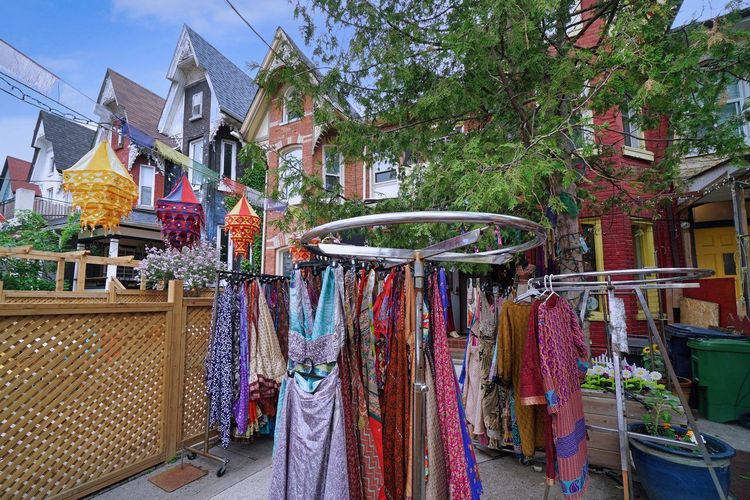
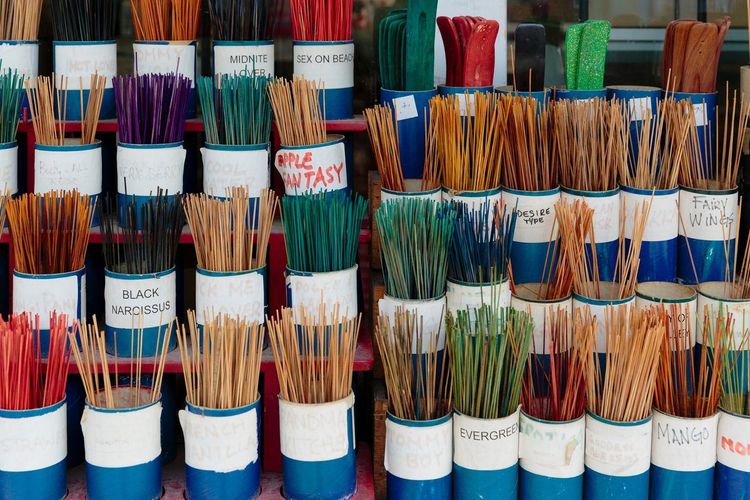
Kensington Market) has cycled through waves of Jewish, Portuguese, Caribbean and Latin American immigration since the early 1900s, and the layered result is what makes it interesting: vintage clothing racks next to a spice shop next to a taco counter, all inside converted Victorian houses painted in colors no city planning department would ever approve. Weekend mornings bring the heaviest foot traffic, and on the last Sunday of the month from May to October, Pedestrian Sundays close the streets to cars and fill them with musicians.
Spend an hour just exploring the lanes rather than shopping with a plan. Some of the best finds here are the ones you were not looking for: a used bookstore wedged between two cheese shops, or a courtyard cafe with three tables and no sign. Lunch works well here too; the food stalls skew toward empanadas, jerk chicken and fresh-pressed juice, all inexpensive and eaten standing on the sidewalk.
Chinatown's Food Stalls and Souvenirs
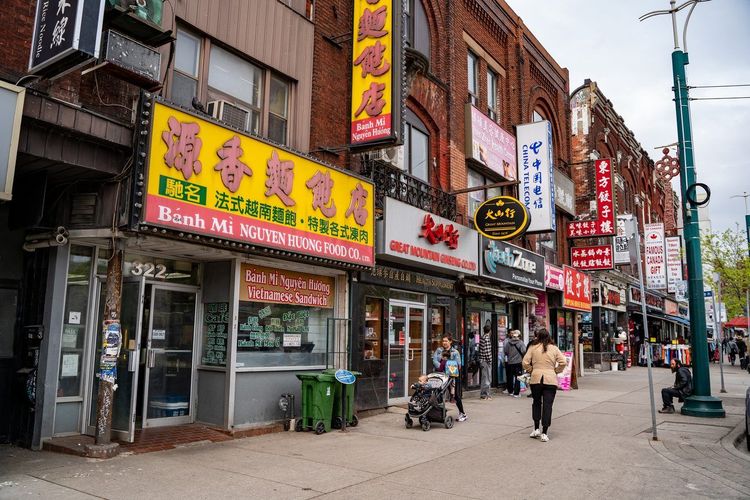
Immediately east along Spadina Avenue, Chinatown (Spadina Ave, Toronto, ON M5T 2C2, rated 4.4/5 on Google (5K reviews)) trades Kensington's bohemian sprawl for dense storefronts stacked with barbecue ducks hanging in windows, herbal medicine shops and grocery stores selling produce you will not find in a regular supermarket. It is one of the largest Chinatowns in North America, and it still functions primarily as a neighborhood for the people who live there rather than as a tourist attraction dressed up for visitors.
If souvenirs are on your list, this is a better source than any downtown gift shop: paper lanterns, ceramics, calligraphy brushes and tea sets at prices that undercut anything sold closer to the CN Tower.
Day 2 Midday: Queen Street West and Graffiti Alley
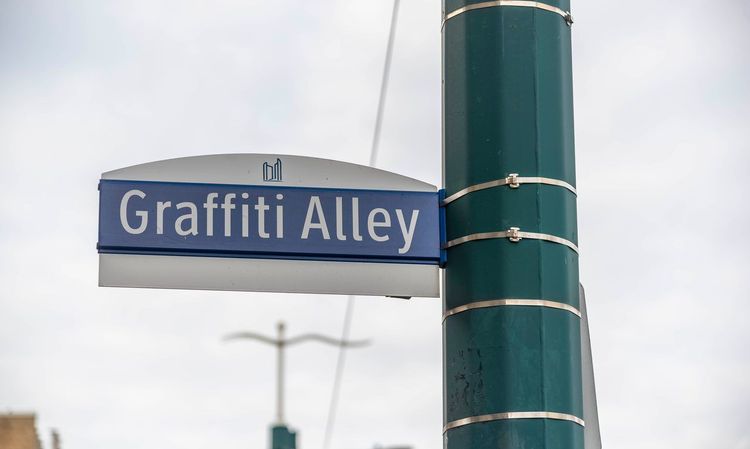
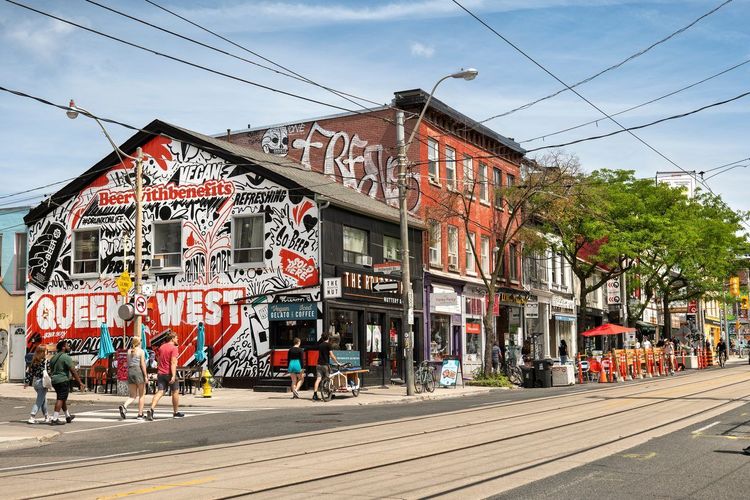
Queen Street West runs for several kilometers, and the stretch worth walking sits between Spadina and Gladstone, threading through the city's most concentrated pocket of street art along the way.
Street Art on Graffiti Alley
Graffiti Alley) runs behind Queen Street West along Rush Lane, a laneway covered nearly floor to ceiling in murals, tags and full-scale pieces that the city largely tolerates and occasionally commissions outright. Joining a street art tour down the alley gets you context you would miss walking through alone; guided walks explain which pieces are sanctioned public art, which are protest work, and which simply outlasted the cleaning crews.
Boutiques and Cafes of Queen Street West
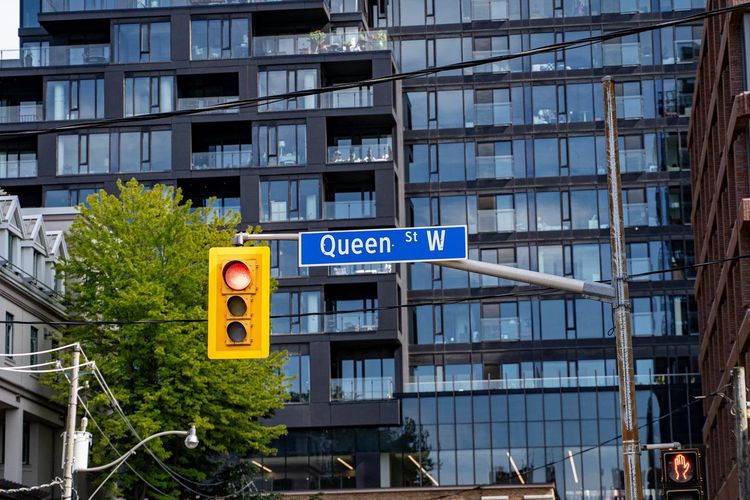
Further west, the strip known locally as West Queen West leans hard into a self-aware hipster identity, and it works: vintage shops and independent boutiques fill the storefronts along a stretch that gentrified earlier and more thoroughly than most of the surrounding neighborhoods. Architectural salvage dealers such as Smash sell reclaimed furniture and fittings pulled from demolished buildings, worth a window-shop even if a vintage armoire is not making it home in your luggage. Trinity Bellwoods Park, right on this stretch, is where half the neighborhood spends a sunny afternoon.
Break up the walk with coffee and pastry at French Made (662 Queen St W, Toronto, ON M6J 1E5, rated 4.5/5 on Google (315 avis)), a small bakery turning out croissants that hold their own against anything downtown, and one of the better people-watching perches on this part of the street.
Day 2 Afternoon: Museums, U of T Campus and Yorkville
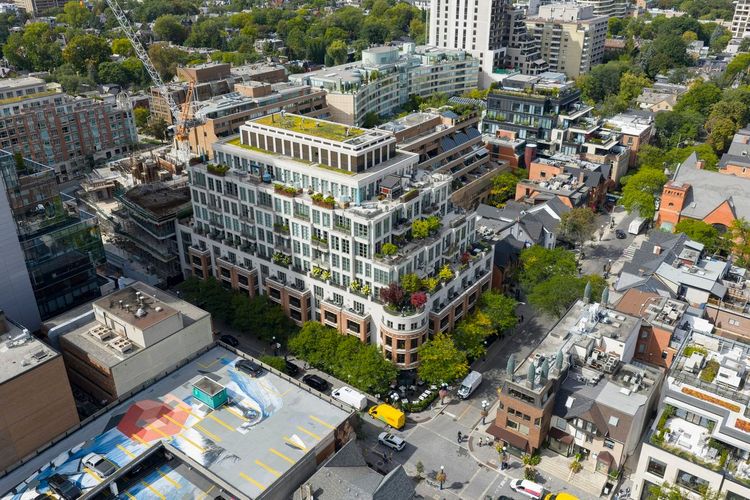
The afternoon shifts north into the museum district, where two very different collections sit close together, followed by a walk through one of Canada's oldest university campuses and into the city's most expensive shopping strip.
Royal Ontario Museum and the Bata Shoe Museum
The Royal Ontario Museum), known locally as the ROM, holds one of the largest natural history and world culture collections in North America behind the jagged Michael Lee-Chin Crystal, an addition that still divides opinion among Torontonians nearly two decades after it opened in 2007. Guided highlight tours included with admission run several times daily and are worth timing your visit around, since a guide covering the dinosaur gallery or the Chinese art wing adds context that a solo wander does not.
A short walk west along Bloor, the Bata Shoe Museum) sounds like a novelty until you are inside it: a genuinely serious collection spanning 4,500 years of footwear, from ancient Egyptian sandals to Elton John's platform boots, housed in a building designed by Raymond Moriyama to evoke a shoebox. It takes under an hour to see properly and pairs well with the ROM as a shorter second stop.
University of Toronto Campus and a Stroll Around Yorkville
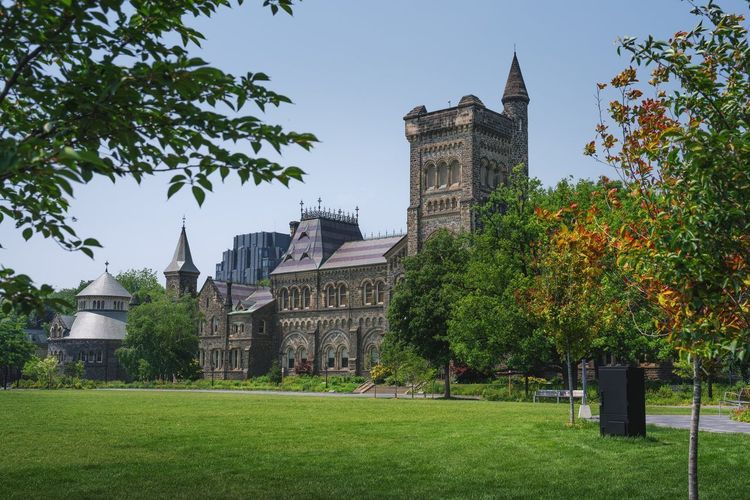
Walking south from the museums, the University of Toronto)'s St. George campus unfolds in collegiate-gothic stone buildings, quads and ivy that feel closer to Oxford than to anything else downtown, and the grounds stay open to anyone wandering through. The main Ryo audio guide for Toronto also passes through this campus, with commentary on why the university borrowed so heavily from English collegiate architecture. Further south, Grange Park, tucked behind the Art Gallery of Ontario), offers a quieter green space, and the AGO itself is worth the detour for its Group of Seven collection alone.
From the museums, Yorkville sits just east, a former bohemian enclave of the 1960s folk scene that has since turned into the city's highest-end shopping district, all boutique hotels, designer storefronts and patios where a coffee costs noticeably more than it did at breakfast. Film lovers should also look at the TIFF Bell Lightbox (350 King St W, Toronto, ON M5V 3X5, rated 4.7/5 on Google (4 908 avis)) downtown, which runs screenings year-round well beyond the September festival itself.
Where to Eat: Best Restaurants, Cafes and Bars in Toronto
Toronto's food scene runs on immigrant cooking traditions layered over decades, and a weekend visit barely scratches the surface, but a short list covering brunch, coffee and a proper dinner covers the essentials, and doubles as a solid answer for things to do in Toronto for young adults looking for a good night out.
Casual Eats and Brunch Spots
Start a morning at Hello Darling) for a brunch with a relaxed, bistro feel, or head out to the Junction neighborhood for lunch at The Good Neighbour), a smaller, quieter alternative to downtown's brunch lines. Pizzaiola) deserves a mention for its vegan pizza, good enough that regular pizza eaters order it without noticing the substitution. And no visit is complete without poutine at least once: fries, cheese curds and gravy, ideally from a late-night takeout window after the bars.
Coffee Shops and People-Watching Cafes
Dark Horse Espresso Bar), with several locations including one on Spadina near Kensington Market, pulls a strong enough shot to justify the crowd of laptops most mornings. Inside Kensington Market itself, I Deal Coffee), roasting in the neighborhood since 1999, offers a quieter perch with better people-watching over the market's chaotic foot traffic.
Fine Dining and Cocktail Bars
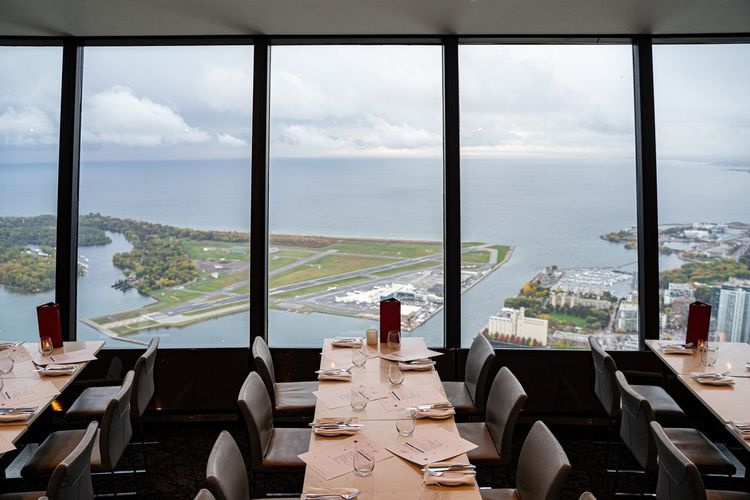
For one slower, more deliberate dinner, Canoe (66 Wellington St W, Toronto, ON M5K 1H6, rated 4.4/5 on Google (3 942 avis)) serves modern Canadian cooking on the 54th floor of the TD Bank Tower, with a view over the same skyline you climbed into on Saturday morning. Book well ahead for a Friday or Saturday table, and treat it as the weekend's big meal rather than one of several. For a fuller sense of the city's dining range beyond these picks, Ryo's guide to Toronto's top culinary specialties rounds out the dishes worth tracking down city-wide.
Where to Stay: Best Neighborhoods and Hotels for a Weekend Trip
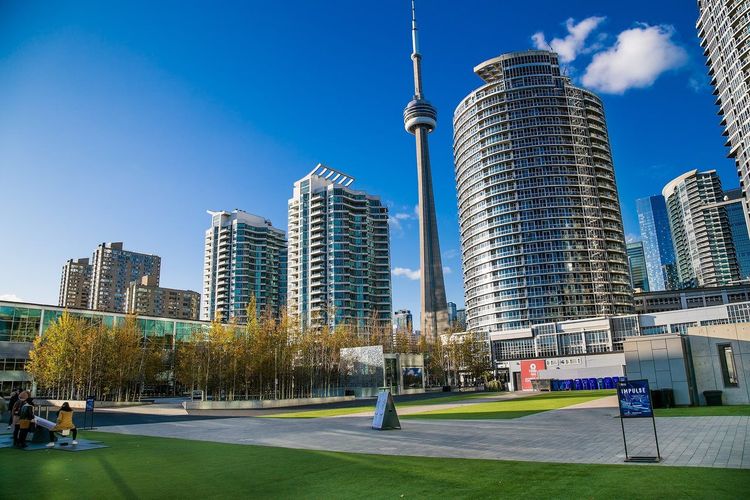
Downtown, close to Union Station and the CN Tower, keeps everything within walking distance and suits a first weekend trip better than any outer neighborhood, even if room rates run higher there than elsewhere in the city. The walkable core this guide has followed all weekend is really the whole argument for staying central rather than commuting in.
Which neighborhood fits you? The Financial District and Harbourfront suit a short first visit, with the tower, the ferry and Union Station on your doorstep. King West puts you among restaurants and bars, which matters if your evenings run late. Yorkville trades nightlife for calm streets and upscale hotels, a good match for couples.
1 Hotel Toronto (550 Wellington St W, Toronto, ON M5V 2V4, rated 4.5/5 on Google (769 avis)), the former Thompson, sits on Wellington Street West in King West and leans into a plant-filled, sustainability-forward design that suits travelers who want a boutique feel without sacrificing a central location.
For a cheaper and more local angle, staying with locals through a short-term rental in Kensington Market, Leslieville or the Junction puts you inside a residential neighborhood rather than a hotel district, at the cost of some of downtown's walkability. The choice comes down to whether convenience or character matters more for this particular trip.
Getting to Toronto and Getting Around
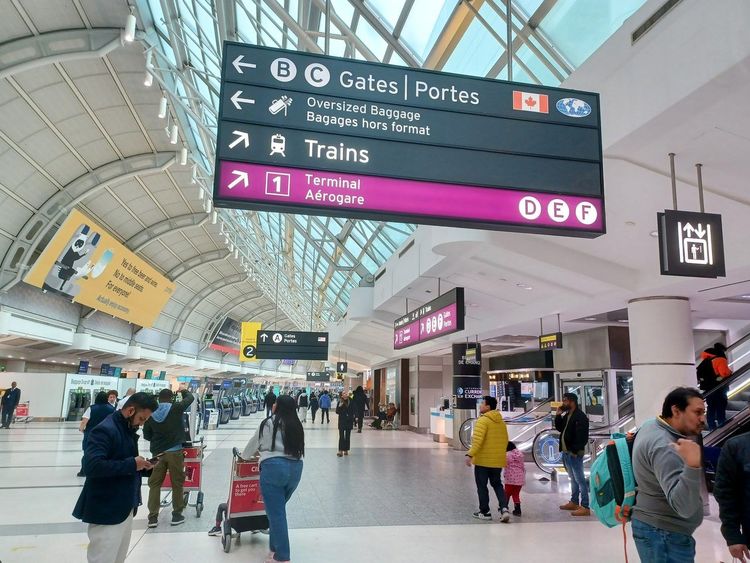
Most weekend visitors arrive through Toronto Pearson International Airport, and the fastest way downtown from there is the UP Express train, a twenty-five-minute nonstop ride into Union Station that runs every fifteen minutes through most of the day. It costs more than a regular transit fare but considerably less than a taxi, and it removes any risk of getting stuck in highway traffic. Flying into Billy Bishop, the small island airport, puts you even closer: a short tunnel walk lands you at the foot of Bathurst Street.
Once downtown, public transit covers the rest of the weekend well enough that renting a car adds cost without adding convenience. The subway's two main lines cross at Bloor-Yonge and reach most of the neighborhoods in this guide, streetcars fill in the gaps along Queen and King, and a single fare paid with PRESTO or a contactless card covers transfers within a two-hour window. Riding the 501 Queen streetcar end to end doubles as a decent introduction to the city's range of neighborhoods if you are short on time.
On a nice day, Bike Share Toronto stations make cycling an easy add-on: ride west along the Martin Goodman Trail by the lake, or head up Lansdowne Avenue toward the Junction to cover ground a walking itinerary cannot.
Practical Tips: Budget, Best Time to Visit and Extra Day Ideas
A few adjustments make a short trip run smoother, and they start with money.
What a Weekend in Toronto Costs
Toronto is not a cheap city, but a weekend here can be managed. Count roughly CAD 200 to 350 per night for a central mid-range hotel in high season, CAD 47 to 59 for the CN Tower, around CAD 10 for the island ferry and CAD 25 to 60 per meal depending on how you eat. A TTC day pass (about CAD 13.50) pays for itself after four or five rides. Markets, Graffiti Alley, the university campus, the waterfront and most festivals cost nothing, which balances out the tower and a nice dinner.
Best Time to Visit and Festivals
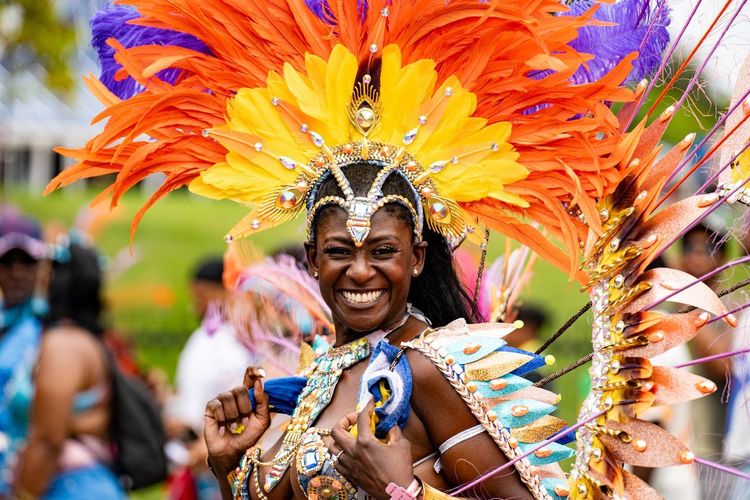
Late spring through early fall brings the best weather and the fullest calendar, along with the highest hotel rates. July and August are warm and busy, while January and February bring real cold, often below minus 10 degrees. May, June and September split the difference well. Toronto rarely has an empty weekend in summer: Pride Toronto in June, the Toronto Caribbean Carnival (formerly Caribana) in late July and early August, the Toronto International Film Festival in early September and Nuit Blanche, the all-night art event in early October, are the big ones to plan around, or to avoid if you hate crowds and peak hotel prices.
Adapting the Plan: Families, Couples and Friends
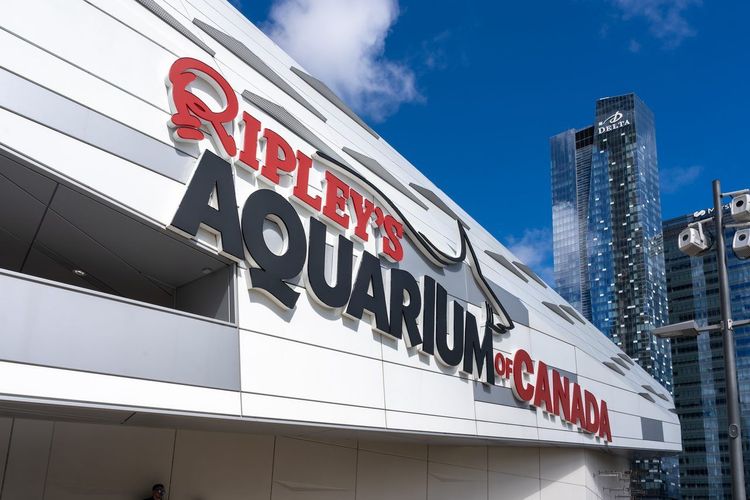
Traveling with kids? Swap EdgeWalk for Ripley's Aquarium of Canada at the foot of the CN Tower, give the Toronto Islands a whole afternoon for Centreville and the beaches, and keep the ROM's dinosaur gallery as your rainy-day backup. For couples, the Distillery District at dusk, a Kajama sailing and a table at Canoe make a romantic weekend without much effort. A guys weekend in Toronto usually centers on sport and nightlife: a Blue Jays game at Rogers Centre in season or a Leafs or Raptors game in winter, then King West and the Entertainment District afterward.
If You Have More Than 48 Hours
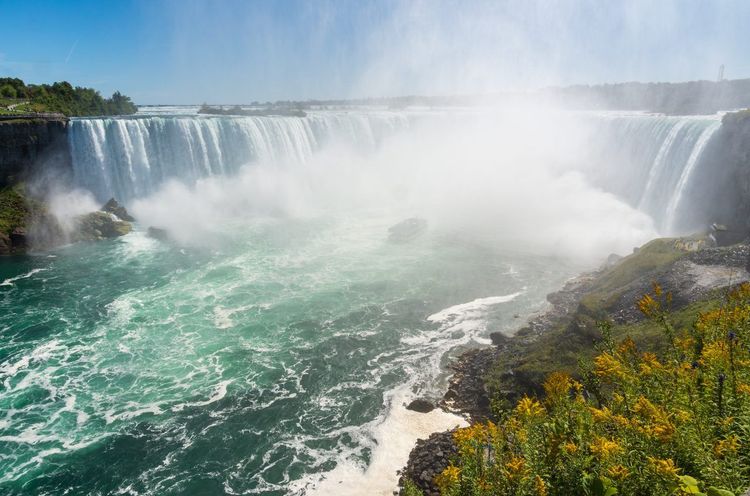
With a third day, spend it on one thing done properly rather than rushing a sixth neighborhood: a full afternoon on the islands, a proper shopping run, or a day trip out to Niagara Falls, roughly ninety minutes by car or bus. For couples, Niagara-on-the-Lake and its wineries or Prince Edward County further east make easy weekend getaways from Toronto. Shopping itself deserves a mention beyond Yorkville and West Queen West; the Eaton Centre downtown covers mainstream retail in one climate-controlled building if the weather turns. For more ideas, the list of things to do in Toronto covers plenty beyond this itinerary.



FAQ
How many days do you really need for a weekend in Toronto?
Two full days cover the essentials in this guide comfortably, including the CN Tower, St. Lawrence Market, the waterfront and islands, and the western neighborhoods. A third day lets you slow down or add a trip to Niagara Falls.
What's the best neighborhood to stay in for a first weekend trip to Toronto?
Downtown, within walking distance of Union Station and the CN Tower, works best for a first visit since it keeps every stop in this itinerary reachable on foot or a short transit ride. King West suits nightlife, Yorkville suits a quieter stay.
Is Toronto walkable, or do you need a car to get around?
Toronto is walkable within neighborhoods and well connected between them by subway, streetcar and bus. A car adds parking costs and traffic without saving meaningful time for a weekend visitor.
What are the best things to do in Toronto for young adults?
Kensington Market, West Queen West and the Entertainment District's late-night bars cover most of what draws a younger crowd, alongside street art tours down Graffiti Alley and cocktail spots like BarChef.
Is Toronto a good weekend destination for a family with kids?
Yes. The CN Tower, Ripley's Aquarium, the Toronto Islands with Centreville and the ROM all suit families well, and the ferry ride gives kids space to run around that a dense downtown itinerary otherwise lacks.
Are there festivals happening in Toronto this weekend worth planning around?
Between June and early October there is almost always something on: Pride in June, the Caribbean Carnival in summer, TIFF in September, plus near-continuous programming at Harbourfront Centre. Check the calendar before booking.
What's a good weekend getaway itinerary from Toronto for couples or a guys' trip?
Couples tend to gravitate toward Yorkville, the Distillery District and Niagara-on-the-Lake, while a guys' trip fits around a Blue Jays or Leafs game, the King West bars and a late-night poutine run.
Making the Most of Your Weekend in Toronto
A weekend in Toronto ends the way most good city trips do, with a list of things you did not get to rather than regret over what you did. Two days covers the CN Tower, the market, the islands, two very different immigrant neighborhoods and enough restaurants to eat well the entire time, leaving the rest for whenever you come back. If you would rather walk it with a guide in your ear than a printed itinerary in your hand, Ryo's audio-guided tour of Toronto lets you cover the same ground at your own pace, narrated stop by stop.