





Créé par Emilie, le 4 oct. 2026
Votre guide Ryo
Vancouver, Canada
Where mountains meet ocean
Parcours audioguidé pour visiter Vancouver en 1 jour
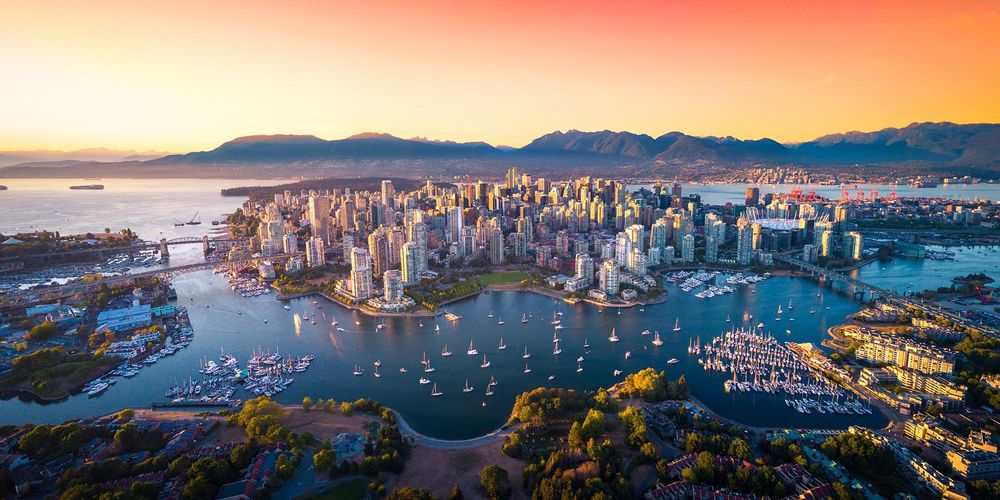
Between ocean and mountains, Vancouver captivates with its spectacular natural setting and renowned quality of life. A dynamic and cosmopolitan city, it blends nature, culture, and urban energy in a unique balance.
Quand partir à Vancouver ?
Jan.
5°
19
Feb.
6°
15
March
8°
18
April
11°
15
May
14°
12
June
17°
10
July
19°
6
Aug.
19°
6
Sept.
16°
8
Oct.
12°
15
Nov.
8°
20
Dec.
5°
19
You’ve probably heard the ironic nickname given to the city. If people call it “Raincouver,” you can guess that rain is a frequent guest! The best time to visit Vancouver is either summer or winter, depending on the theme of your trip, but avoid spring at all costs—it rains constantly. June, July, and August offer pleasant temperatures around 25°C, and winter, contrary to what you might think, is not that cold, with temperatures rarely dropping below 0°C. Snow and cold are reserved for the mountains, while the valley enjoys a typical oceanic climate. In fact, Vancouver is the only city in Canada that doesn’t experience a freezing winter. So, unless you’re coming for winter sports, the best time to visit is from May to September.
Départ conseillé
No need to worry about where to begin! Our tours are designed as a loop, so you can jump in wherever you are. The navigation system and audioguide will automatically adjust to your location. However, if you happen to be nearby, we do have a preferred starting point : Waterfront subway station : 601 West Cordova Street
Parking à proximité
Go Park, 320 Granville Street
Parking in the city center is not recommended. It's better to rent a car after your stay in Vancouver, and if you have a vehicle, try to leave it at your accommodation. If none of this is possible, you can park on the street, but be mindful of the parking zones.
Parking meters operate from 9:00 AM to 10:00 PM, 7 days a week. You can pay via the PayByPhone app. Remember your license plate number, as you’ll often need it! Not only at the parking meter but also in restaurants inside shopping malls that offer parking for their visitors. You will be asked for it when paying for your meal, and the parking fee will be automatically calculated and deducted from your bill.
À savoir
The airport is located 30 minutes south of the city, in Richmond. If you don’t want to take a taxi, you can reach downtown using the SkyTrain (around 9 CAD in 2023), Vancouver’s metro system. Operating from approximately 5 AM to midnight, it is clean and efficient. The best option is to get a "Compass Card" and top it up. You can also take the Aquabus (not part of the SkyTrain system), which is particularly useful for reaching Granville Island.
The city of Vancouver, like the rest of Canada, uses the Canadian dollar. You can exchange some money before you leave to cover your initial expenses or exchange your euros upon arrival. Be aware that exchange rates are often less favorable at airports, so it's best to wait until you're in the city center. However, you don’t necessarily need to exchange money—you can withdraw cash directly from ATMs, though fees apply (exchange rate + bank fees from the ATM provider, usually $2 to $3). Another option is to pay directly with your credit card. Each transaction will be subject to the exchange rate and your bank’s international fees. Check your bank’s fees for foreign transactions before choosing the most cost-effective option. In any case, make sure to inform your bank about your trip to avoid any unpleasant surprises.
Be aware that tipping is not optional! A good tip is considered to be between 15% and 20% if you were satisfied with the service, but a minimum of 10% is expected. Also, keep in mind that in Canada, prices are displayed before taxes, as different provinces apply different tax rates. These taxes are added separately at checkout. Expect to pay around 12-13% more than the displayed price, and on top of that, don’t forget to add the tip!
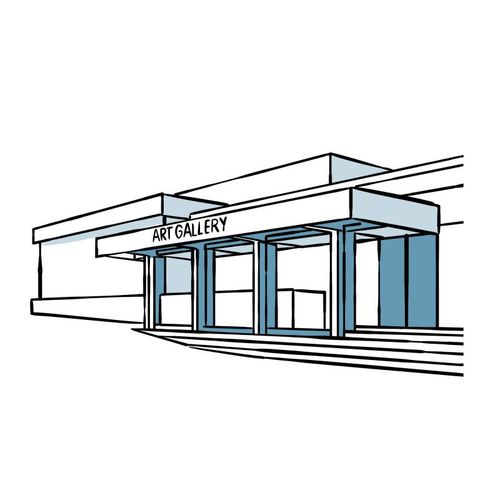
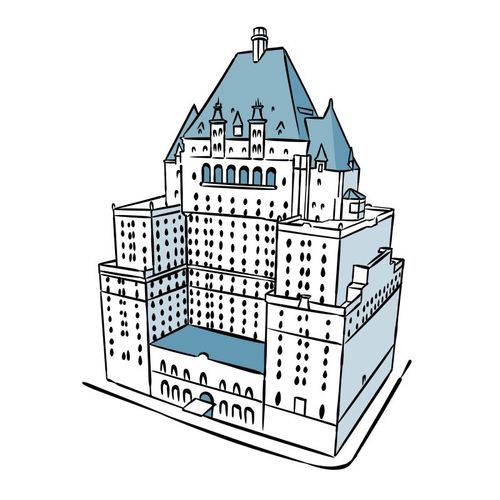
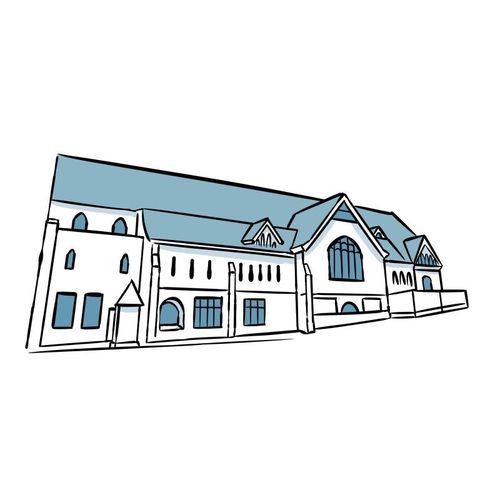
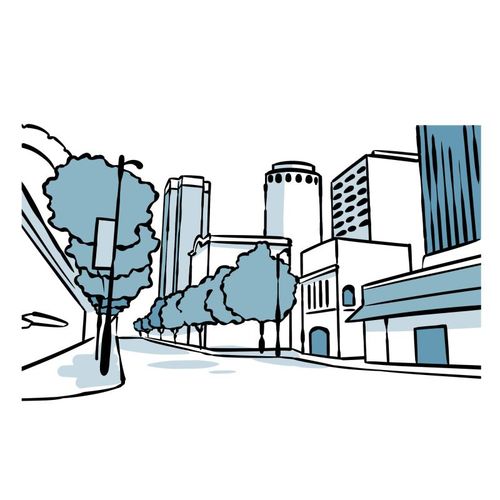
Découvrez 21 lieux d'intérêt pour visiter Vancouver


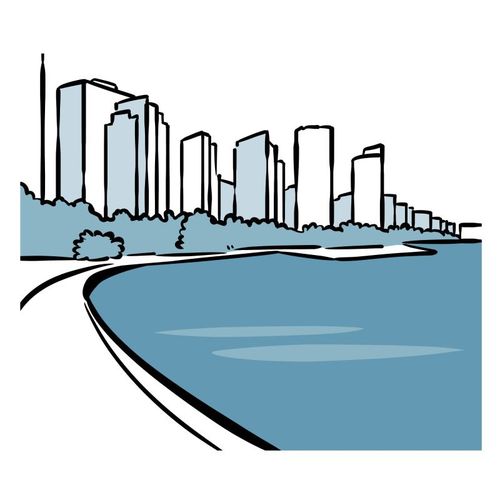
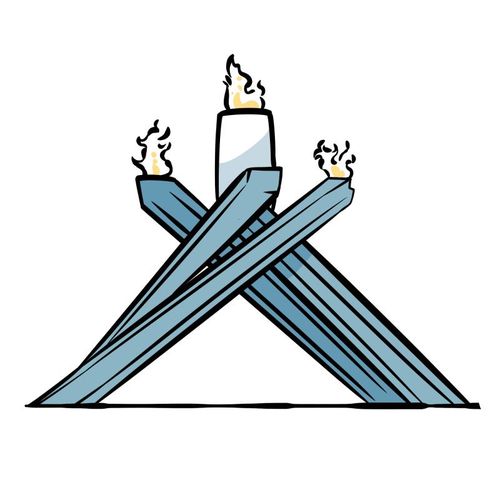
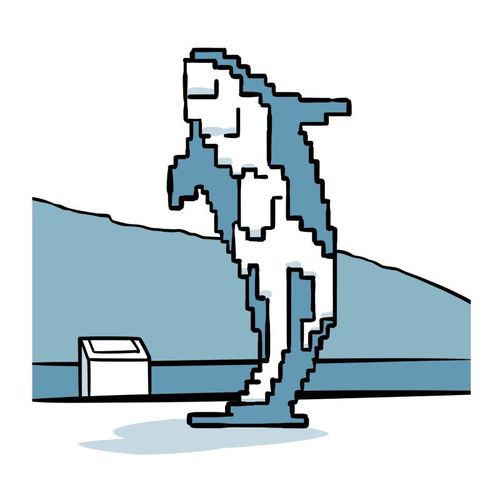
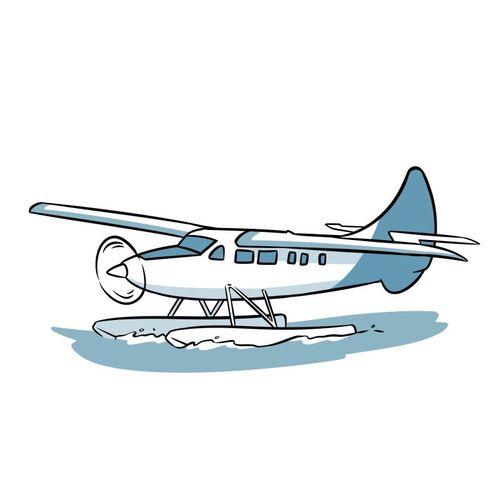



Le plein d'inspirations
Explorez le monde en totale liberté, à pied au cœur des villes ou au fil des routes. Nos guides audios transforment chaque destination en une découverte culturelle immersive et unique.



FAQ for visiting Vancouver
When is the best time to visit Vancouver?
The best time to visit Vancouver depends on your preferences. Summer, from June to August, is ideal, with pleasant temperatures around 25°C and little rain. It is perfect for enjoying outdoor activities and exploring the city on foot. Winter stays mild, with temperatures rarely dropping below zero in the city, but the snow in the mountains makes winter sports possible. Absolutely avoid spring, when rain is ever-present, which explains the nickname Raincouver. Autumn can be pleasant but wetter. For a trip combining city and nature, favour the period from May to September.
How many days do you need to visit Vancouver?
To discover Vancouver comfortably, plan for at least three to four days. This will let you explore the iconic neighbourhoods, enjoy the urban parks, and appreciate the city's cultural diversity. If you want to add excursions to the surrounding area, such as Whistler or Vancouver Island, allow a full week instead. Two days are enough to see the downtown must-sees, but you risk missing the unique atmosphere of this metropolis between ocean and mountains. The Ryo audioguide helps you make the most of your time with well-designed routes that cover the essentials in a single day of walking.
How do you get around Vancouver?
Vancouver has an excellent public transport network with the SkyTrain, buses, and the SeaBus that links downtown to North Vancouver. The system is efficient and covers the metropolitan area well. Cycling is also very popular thanks to the many safe cycle paths. For short distances, walking remains the best way to soak up the atmosphere of the different neighbourhoods. A car is not necessary in the city but can be useful for exploring the surroundings. Taxis and ride-hailing services are readily available. A rechargeable transit card will make getting around easier and save you money compared with individual tickets.
What can you do in Vancouver when it rains?
Vancouver offers plenty of indoor activities for rainy days. Museums such as the Museum of Anthropology or the Vancouver Art Gallery deserve an in-depth visit. The covered market on Granville Island stays lively in any weather with its artisans, restaurants, and performances. The downtown shopping centres are connected by underground passages. You can also enjoy the city's welcoming cafés, explore the independent bookshops, or relax at a spa. Science World and the Aquarium are perfect if you are travelling with children. Remember that with a good raincoat, many outdoor activities remain enjoyable even in the rain.
Where should you stay in Vancouver?
Your choice of accommodation depends on your priorities. Downtown is ideal for being at the heart of the action, with many hotels, restaurants, and attractions within walking distance. Gastown offers historic charm with its cobblestones and Victorian architecture. Kitsilano suits travellers looking for a more laid-back atmosphere near the beaches. Commercial Drive appeals with its bohemian, multicultural feel. On a tight budget, look towards Mount Pleasant or East Vancouver. The West End and Coal Harbour neighbourhoods combine proximity to the centre with access to nature. Book ahead, especially in summer, as prices can be high during the peak season.
How do you get from the airport to downtown Vancouver?
The trip between the international airport and downtown is simple and quick. The SkyTrain Canada Line is the most convenient and economical option, linking the airport to downtown in about twenty-five minutes. Trains run regularly throughout the day. Taxis are available but more expensive, and usually take between thirty and forty minutes depending on traffic. Shared shuttle services offer a middle-ground option. Ride-hailing apps also work. If you rent a car, the airport is located on Sea Island, easily reached via well-signposted bridges. Buy your SkyTrain ticket at the vending machines in the arrivals area.
Which neighbourhoods should you avoid in Vancouver?
Vancouver is generally a safe city for tourists. The most problematic area remains the Downtown Eastside, particularly around East Hastings Street, known for its social and drug-related problems. Avoid walking there alone at night, though it stays relatively safe during the day if you remain alert. Some parts of East Vancouver can feel less welcoming after dark. As in any big city, keep an eye on your belongings on public transport and in crowded tourist areas. Residential and tourist neighbourhoods such as Kitsilano, West End, or Gastown are very safe. Use your common sense and everything will be fine.
Which neighbourhoods should you explore in Vancouver?
Gastown, the cradle of the city, lines up cobbled streets, brick façades and a steam clock that has become the visitors' meeting point. Right beside it, Chinatown, one of the oldest in North America, mixes herbalists, restaurants and a classical Chinese garden of surprising calm. Yaletown, a former railway warehouse district, has traded its loading docks for terraces and shops.
Across the bridge, Granville Island gathers a food-lover's public market, artists' studios and small ferries that cross the inlet in a few minutes. Further west, Kitsilano keeps a relaxed seaside feel, with beaches and cafés to the fore. The Ryo audio guide offers a dedicated Vancouver route that links these neighbourhoods and tells their story.
What is there to do in Stanley Park?
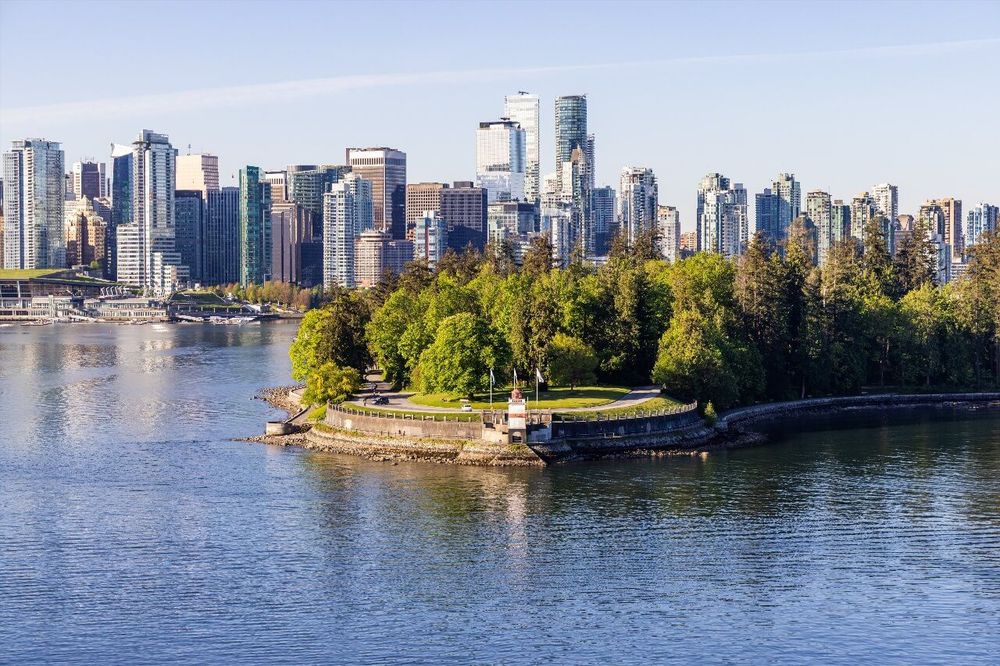
This vast wooded peninsula begins at the edge of downtown and is best experienced first from the Seawall, the waterside path that runs right around it, on foot or by bike, with successive views of the harbour, the great suspension bridge and the mountains of the north shore.
Inside, trails plunge beneath giant conifers and lead easily to the totem poles carved by First Nations artists, one of the most photographed sights in the city. The park also holds an aquarium, gardens, a small lake and several beaches where people settle in for the sunset. Allow at least half a day and bring a layer, as the sea breeze stays cool even in summer.
How can you explore the mountains and forest around Vancouver?
The north shore, reachable by public transport from downtown, is where the escapes into nature are concentrated. The Capilano Suspension Bridge park takes you across a wooded canyon on a walkway that sways above the river, complemented by paths clinging to the cliff and a treetop circuit. A few minutes away, another canyon offers a comparable experience, wilder and with no ticket office.
For a wider view, a cable car climbs Grouse Mountain, from where the eye takes in the city, the strait and the islands; the fittest visitors prefer to walk up the famously demanding trail that follows the slope. In winter these summits are covered in snow and turn into ski areas within immediate reach of the city.
Vos commentaires, idées et suggestions
Aucun avis pour le moment