







Créé par Emilie, le 4 oct. 2026
Votre guide Ryo
Quebec, Canada
Whispers of the Past
Parcours audioguidé pour visiter Quebec en 1 jour
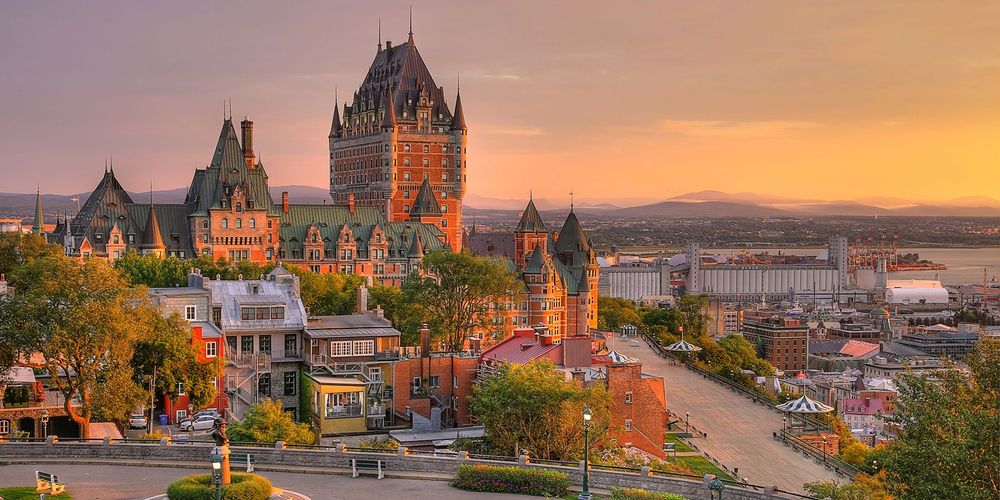
On the banks of the St. Lawrence River, Quebec City captivates with its UNESCO-listed historic center and its uniquely European charm in North America. With its cobbled streets, fortifications, and iconic landmarks, the city immerses visitors in the history of New France.
Quand partir à Quebec ?
Jan.
-12°
7
Feb.
-10°
6
March
-4°
8
April
5°
10
May
13°
11
June
18°
11
July
21°
11
Aug.
20°
11
Sept.
15°
10
Oct.
9°
10
Nov.
2°
11
Dec.
-8°
10
Quebec experiences a wide range of weather—from heavy snowfalls and sub-zero temperatures in winter to warm, sunny days in summer. Visiting Canada in the winter is a fabulous idea, and there’s plenty of outdoor activities to enjoy this magical season! In January, temperatures in nearby Montréal can dip to -15°C at night, with daytime highs around -5°C. Autumn brings pleasantly mild temperatures—this is what’s known as Indian summer. Although it happens regularly, it remains a meteorological phenomenon and is unpredictable. September’s temperatures are close to those of August, and November can see highs of up to 14°C. Spring is also a transitional season, with temperatures ranging between 7°C and 20°C. In summer, it’s warm, with comfortable highs of around 27°C in July. As for rain, precipitation levels are relatively steady throughout the year, with a peak of 104 mm in July and a low of 60 mm in February.
Départ conseillé
No need to worry about where to begin! Our tours are designed as a loop, so you can jump in wherever you are. The navigation system and audioguide will automatically adjust to your location. However, if you happen to be nearby, we do have a preferred starting point: The Parliament Building
Parking à proximité
George VI Ave Parking / Ave George-VI, Québec City, Québec G1R 3R2, Canada / The cheapest 12-hour parking in the city
We don't recommend parking in Quebec, as most spots come with restrictions. Always check the signs carefully—some areas are reserved for residents with parking permits. These zones are marked by a red square in the bottom right corner of the sign, showing the permit zone number. Pay attention to the hours indicated. Some zones have limited parking durations, while others display dates and times for street cleaning or snow removal, depending on the season. During those times, you must move your vehicle—or risk having it towed. If you’re lucky enough to find a spot, keep in mind that (unless stated otherwise), street parking is free from 9 p.m. to 9 a.m.—and until 10 a.m. on Sundays. Perfect for a lie-in!
In Quebec, it's illegal to park facing the opposite direction of traffic. If you're parking on a slope, you need to turn your wheels towards the curb. The local police are very strict about these rules—violations will certainly result in a fine.
If you want to park outside the city centre, look for the Parc-O-Bus—free park-and-ride car parks with free shuttle buses! One small drawback: most of these close at 6 p.m. More info: https://www.rtcquebec.ca/parc-o-bus
À savoir
Quebec uses the Canadian dollar. You can exchange some money before you leave to cover initial expenses, or wait until you arrive to exchange your money. Be aware that exchange rates are often less favourable at airports, so it's better to wait until you're in the city centre. That said, you don’t necessarily need to exchange money - you can withdraw Canadian dollars directly from ATMs. Just note that fees usually apply (exchange rate + ATM operator fees, typically $2 to $3). Another option is to pay directly by credit card. Each transaction will be subject to the exchange rate and any fees charged by your bank. Before deciding which option is best for you, check your bank's charges for foreign transactions. Don’t forget to notify your bank of your travel plans to avoid any unexpected issues with your card abroad.
Tipping in Canada is part of the service culture. A good tip is usually between 15% and 20% if you were satisfied with the service, but a minimum of 10% is expected in most cases. Also, in Canada, prices are listed before tax. Since taxes vary by province, they are added at checkout. In Quebec, you can expect around 12 to 13% in taxes on top of the listed price. So, when planning your budget, make sure to account for both the tax and the tip!
Découvrez 25 lieux d'intérêt pour visiter Quebec









Le plein d'inspirations
Explorez le monde en totale liberté, à pied au cœur des villes ou au fil des routes. Nos guides audios transforment chaque destination en une découverte culturelle immersive et unique.
FAQ for visiting Quebec
When is the best time to visit Quebec?
Quebec can be visited all year round, each season offering its own unique charm. Summer remains the most popular period, with pleasant temperatures around 27°C in July, ideal for exploring the city on foot. Autumn will amaze you with the Indian summer and its blazing colours, even if this phenomenon remains unpredictable. Winter transforms the city into a real postcard with its snowfalls, but be prepared for temperatures that can drop as low as -15°C. Spring offers a gradual rebirth with mild temperatures between 7°C and 20°C. Rainfall stays relatively constant throughout the year, with a slight summer peak.
How many days do you need to visit Quebec?
To discover the essentials of Quebec, plan for at least two to three full days. This will allow you to explore Old Quebec, a UNESCO World Heritage site, to wander through its cobbled lanes and to admire the historic fortifications. If you wish to delve deeper into your discovery and explore the surroundings, four to five days would be ideal. You'll then have time to appreciate the city's unique European atmosphere, discover its different neighbourhoods and perhaps take an excursion to the natural attractions nearby. The Ryo audioguide accompanies you on this discovery with commented routes tailored to your pace, helping you make the most of your time depending on the length of your stay.
How do you get around Quebec and its surroundings?
Quebec's historic centre is best explored on foot, as its cobbled lanes and human scale make walking very pleasant. For longer journeys, the RTC public transport network efficiently serves the city with its buses. Taxis and ride-sharing services are also available. To explore the surroundings such as the Côte-de-Beaupré or the Île d'Orléans, renting a car becomes practical, especially if you're travelling as a family. In summer, cycling is an excellent option with its many bike paths. In winter, opt for covered transport due to the cold and snow. The funicular also links the Upper Town to the Lower Town in a picturesque way.
Which neighbourhoods are must-sees in Quebec?
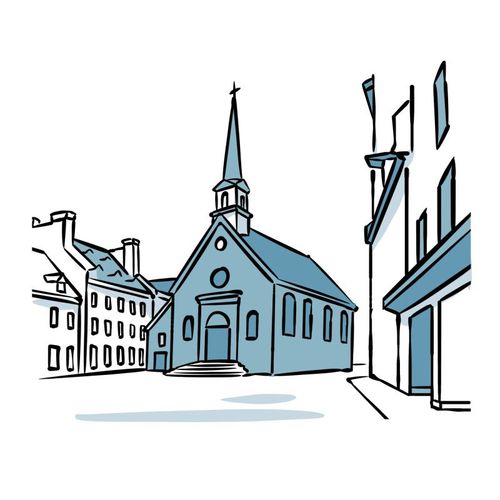
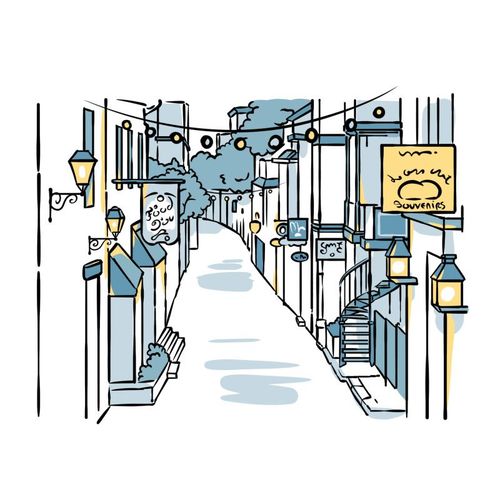
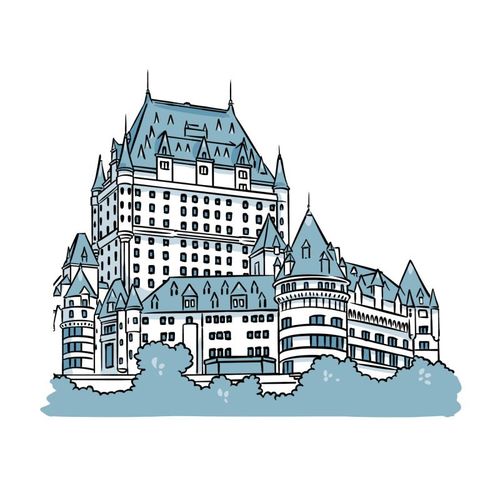
Old Quebec, divided between the Upper Town and the Lower Town, forms the essential historic heart with its fortifications, the Château Frontenac and Place Royale. Petit-Champlain, often cited as one of the most beautiful streets in North America, will charm you with its shops and restaurants tucked into old houses. The Saint-Jean-Baptiste district appeals with its bohemian atmosphere, its trendy cafés and its local shops. Saint-Roch, a former industrial neighbourhood now reinvented, draws visitors with its dynamic art scene. The Ryo audioguide guides you through these different neighbourhoods, revealing their stories and secrets, from the era of New France to the present day.
What can you do for free in Quebec?
Quebec offers many free activities for all budgets. Strolling through Old Quebec and admiring the historic architecture costs nothing and remains one of the finest experiences. The Plains of Abraham, a vast urban park, invite you to walk, picnic or take part in sports depending on the season. Watching the St Lawrence River from the Dufferin Terrace offers spectacular panoramas. Many festivals liven up the streets for free, particularly in summer. Historic churches can usually be visited at no charge and reveal magnificent interiors. In winter, enjoy the pleasures of the snow in the public parks. The Old Port market lets you discover the local atmosphere without any obligation to buy.
Which culinary specialities are an absolute must to try?
Quebec cuisine holds tasty discoveries in store for you. Poutine, the iconic dish of fries, cheese curds and brown gravy, comes in countless variations. Tourtière, a meat pie traditionally served during the holidays, is worth a taste. In spring, the sugar shacks offer hearty meals drizzled with fresh maple syrup. Cretons, a kind of Quebec-style pork spread, go perfectly with a local breakfast. Don't miss the beaver tail, a popular sweet pastry, or the ice cider, a unique alcoholic speciality. Quebec cheeses, particularly those from the Île d'Orléans, will delight enthusiasts. In summer, savour the region's wild blueberries.
How can you visit Quebec as a family with children?
Quebec proves perfectly suited to families with its many fun and educational attractions. The fortifications and ramparts turn the city into an adventure playground for the youngest. The Aquarium du Québec fascinates with its thousands of marine species, while the Museum of Civilisation offers captivating interactive exhibitions. In winter, the slides of the Dufferin Terrace guarantee moments of joy. The Village Vacances Valcartier offers water or winter activities depending on the season. The Plains of Abraham make up an immense natural playground. The Ryo audioguide offers family-friendly routes, with anecdotes and stories that will captivate young and old during your walks through Old Quebec.
Where can you watch whales near Quebec?
Whale watching is an unforgettable experience accessible from Quebec. The Tadoussac region, located about three hours' drive away, is one of the best sites in the world for this activity. There, the St Lawrence River meets the Saguenay Fjord, creating a rich ecosystem that attracts belugas, rorquals and other cetaceans. Excursions generally depart from Tadoussac, Baie-Sainte-Catherine or Les Escoumins. The best period runs from May to October, with a peak of sightings in September. Plan a full day for this excursion, including travel. Whale-watching cruises also depart from Rivière-du-Loup. Dress warmly even in summer, as it's always cool on the water.
Why is Old Quebec a World Heritage site?
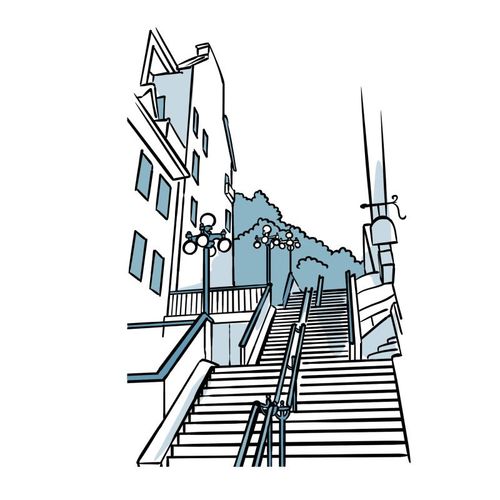
Quebec is the only city in North America to have kept its fortifications, a set of ramparts, gates and bastions that still encircle the upper town. Founded in the early seventeenth century at the foot of Cap Diamant, it has preserved its narrow street pattern, its stone houses with steep roofs and its division into upper and lower town, linked by a steep staircase and a funicular. The star-shaped citadel, the Dufferin terrace hanging above the river and Place Royale, the cradle of the city, tell a story that was French and then British, summed up by the Quebec motto Je me souviens. The Ryo audio guide offers a dedicated Quebec route that follows this thread, from the ramparts down to the Petit Champlain quarter.
What day trips can you take from Quebec?
The surroundings lend themselves very well to day trips. Montmorency Falls, higher than Niagara, are only minutes from the city and can be seen from a footbridge suspended above the drop, a long staircase or a cable car. Île d'Orléans, reached by bridge, unrolls its villages, farms, sugar shacks and river views, with a full loop possible by car or by bike. For nature, Jacques-Cartier national park opens up a spectacular glacial valley, superb in autumn colours and turned into snowshoeing country in winter. Finally, Wendake, a Huron-Wendat community on the edge of the city, offers a way into Indigenous history through its museum, its longhouse and its cooking.
Vos commentaires, idées et suggestions
Aucun avis pour le moment
