





Walk
Short Tour - From Celtic charm to dynamic streets
Dublin, Irlande
Walk
Short Tour - From Celtic charm to dynamic streets
Dublin, Irlande
4.2 km
Distance
1h40
Durée
17
Audios
Loop
Parcours
Shutterstock
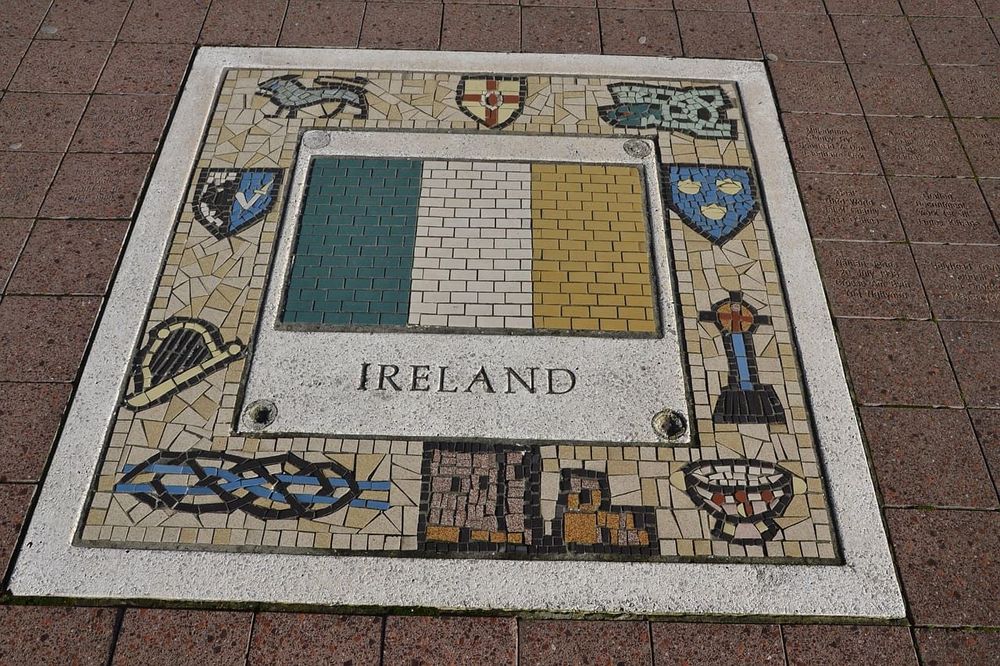
While you’re here in this park, go ahead and find a bench to sit on, as we’ll be telling you all about Ireland’s history. We won’t go too much in depth about Ireland’s conflicts, but we’ll give you a general timeline of some events. Although human presence here traces back to the Ice Age, Ireland’s history began with the Celts, who arrived on the island around 2,500 years ago.
These people shaped the country’s cultural identity, with traditions that are still alive today. Gaelic, the language of the Celts, is where modern Irish derives from, and is also the country’s first official language. As you’ve already noticed, English is spoken here, but you’ll realise that all signs are written in Gaelic first.
In the 5th century, Saint Patrick arrived. He converted the Irish to Christianity and turned the island into an important place of spirituality. In the 9th century, like in the rest of Europe, Scandinavia was a massive threat due to its frightening Viking raids.
The Vikings attacked the coasts, established settlements—in Dublin too—and mingled with locals, contributing to the island’s demographic growth. In the 12th century, the Normans, descendants of Vikings who had settled in France, invaded Ireland. This marked the era of Norman lords who controlled various regions of the island.
But this was only the beginning... England soon intervened, extending its control over Ireland and causing a major religious conflict. England had become Anglican and gradually imposed its faith on the Irish, who were predominantly Catholic, leading to numerous conflicts.
Centuries and centuries of rebellions and wars followed, all in the pursuit of independence, which was finally achieved in 1922. Ireland became the Irish Free State it had always wished to be. However, Northern Ireland, which had a Protestant majority, remained part of the United Kingdom, leading to tremendous tensions throughout the 20th century.
Since Brexit, these tensions have resurfaced, as the border between the two territories has been at the centre of debate. A turbulent history, deeply marked by conflicts, but also by reconciliation and hopes for peace.
Aucun avis pour le moment
