






Walk
The town that watches over Saint Nicholas
Bari, Italy
Walk
The town that watches over Saint Nicholas
Bari, Italy
3.5 km
Distance
1h30
Durée
20
Audios
Loop
Parcours
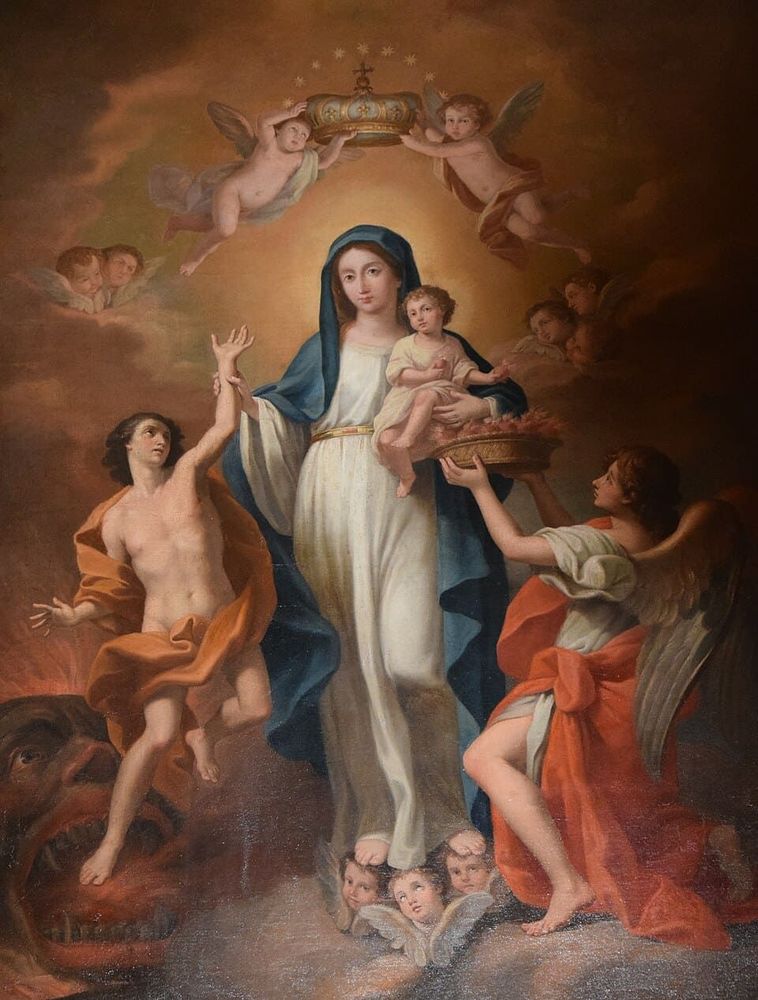
©Daniele Pugliesi, CC BY-SA 4.0. <https://creativecommons.org/licenses/by-sa/4.0/deed.fr>via Wikipedia Commons
The Madonna del Lume is an eighteenth-century shrine, nestled in one of the main lanes of Bari Vecchia. The Bari audio-guided tour stops here, with respect, to evoke this testimony of the Marian devotion of the old town.
The Madonna del Lume is an eighteenth-century shrine located in one of the main streets of Bari Vecchia. Richly decorated, it depicts the Virgin, whom cherubs at the top are preparing to crown. A witness of the Marian devotion deeply rooted in the old town, this tabernacle illustrates the art and the popular fervour of Bari, along its lanes.
You admire the decorated shrine of the Madonna del Lume, with the Virgin and the cherubs crowning her, in a lane of Bari Vecchia. The place testifies to the Marian devotion of the old town. It is a stop for lovers of sacred art and popular traditions, to be discovered with respect.
The Madonna del Lume lies in one of the main streets of Bari Vecchia, reachable on foot. It is a shrine that you admire from the lane, freely and on the level. The place is discovered during a walk in the old town, with respect for its sacred character.
It is a decorated eighteenth-century shrine, dedicated to the Virgin, located in a main street of Bari Vecchia.
In one of the main streets of Bari Vecchia, the old town of Bari.
Aucun avis pour le moment
