






RyoCity
Where Wisdom Keeps You Young
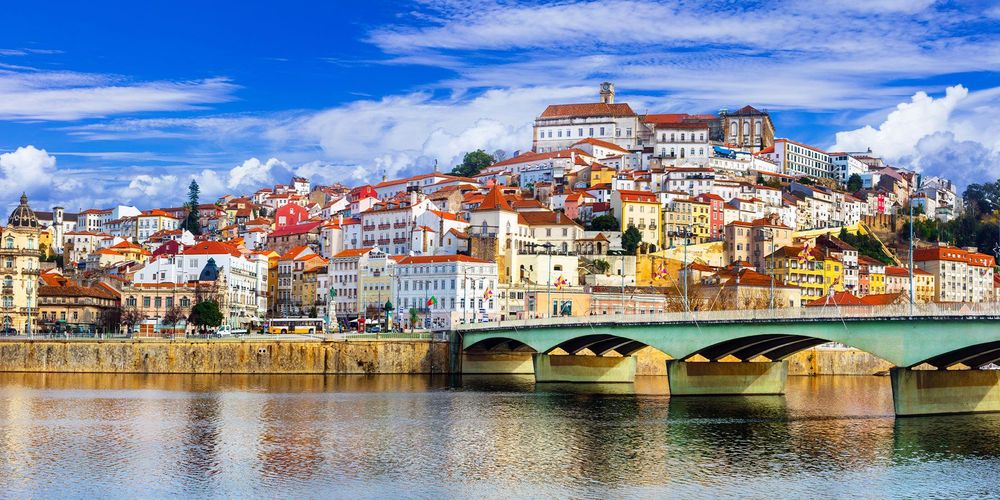
Coimbra, Portugal
RyoCity
Where Wisdom Keeps You Young
Coimbra, Portugal
6 km
Distance
2h25
Durée
26
Audios
Boucle
Parcours

Let’s take a quick break to tell you about some other points of interest that couldn’t be included in the itinerary. Let’s start with the Casa-Museu Bissaya Barreto. This beautifully designed house and ornamental garden was home to Fernando Bissaya Barreto for over 50 years. A former surgeon, philanthropist, and university professor, he was a pioneer in social medicine and public welfare in Portugal. A passionate art collector, he turned his home into a museum filled with historical artworks, travel-inspired furniture, contemporary paintings, and traditional azulejos. Remember how we said that Alta de Coimbra brings together architecture from different eras? Here’s another example. Just up from the Botanical Garden, you’ll find the Seminário Maior da Sagrada Família. With more than 250 years of history, it’s considered one of the finest examples of Italian architecture in Portugal. Inside, you’ll find prayer spaces, a museum, and even a hidden swing with a breathtaking view of the Rio Mondego. Now, let’s cross the river to one of Coimbra’s most romantic hidden gems, Quinta das Lágrimas. This 18-hectare estate surrounds an 18th-century palace and is steeped in legend. It’s said to be the setting for the tragic love story between Prince Pedro I and Inês de Castro. Whether fact or folklore, their story lingers in the gardens, especially near the Fonte das Lágrimas, or “Fountain of Tears,” where the lovers are believed to have met in secret. In Coimbra, where there’s love, there are serenades, and where there are serenades, there’s Fado! You don’t need to speak Portuguese to feel its power. Whether you prefer the soulful tradition of Lisbon or the poetic style of Coimbra, Fado sweeps listeners into a world of deep emotion. For a truly moving experience, catch a live performance at Fado ao Centro or aCapella, two cultural centers renowned for keeping this tradition alive. Be sure to book ahead! We’ve taken you along the Rio Mondego, and across it, but how about on it? Between Coimbra and Penacova, you can enjoy a refreshing canoe or kayak ride along the longest river entirely within Portugal. It’s an ideal way to cool off on a summer day, especially when Coimbra’s stone streets start to heat up. Speaking of nature, we have to mention one of central Portugal’s most stunning natural areas, the Serra da Lousã. Part of the Natura 2000 network, this mountain range forms the southwestern tip of the larger Serra da Estrela and Serra do Açor system. Its forested slopes, rugged terrain, and quartzite ridges make it a haven for outdoor sports and hiking. You can even walk from one of its 12 schist villages to another, some of which are home to delightful river beaches. If you’re staying a little longer, consider adding a few more destinations to your list. History buffs will love Montemor-o-Velho, with its impressive hilltop castle, and Conímbriga, one of the best-preserved Roman cities in Portugal. For beach lovers, the seaside resorts of Figueira da Foz and Aveiro are both excellent choices for soaking up Portugal’s coastal charm. With all that, you’ve got plenty to do if you stay in the region for a little longer.
