
Walk
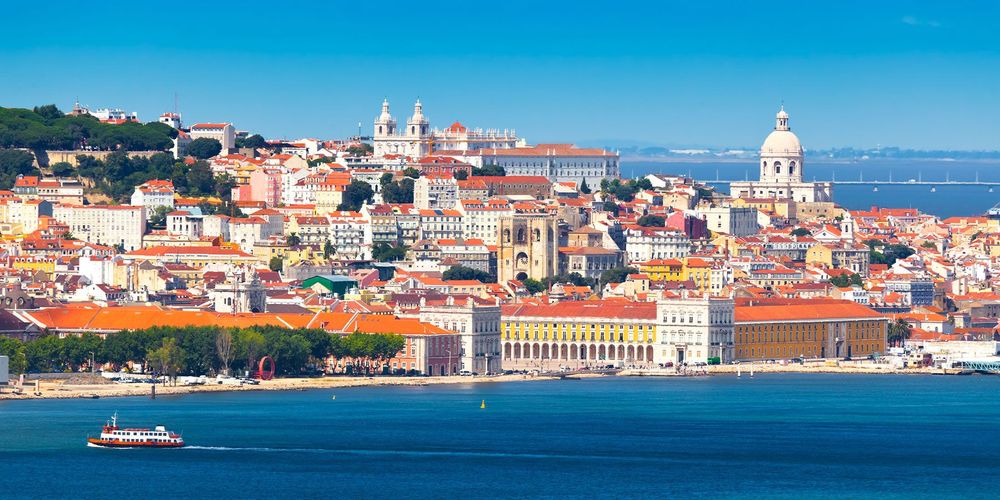
The City of Seven Hills
Lisbon, Portugal
Walk
The City of Seven Hills
Lisbon, Portugal
Distance
6.3 kmDurée
2h30Audios
31Parcours
Loop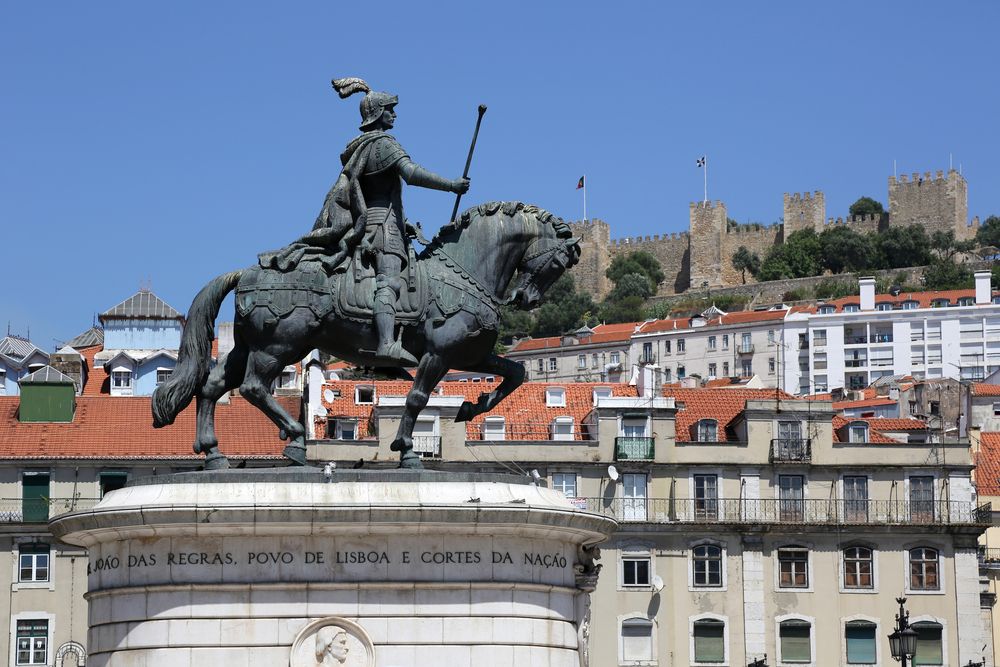
You've now arrived at Praça da Figueira. Today, it's a vast open square, but for centuries, it looked very different. Much of this space was once occupied by one of Lisbon's main hospitals. After the earthquake of 1755, the site was transformed into a large market selling fruit, vegetables and poultry. The square's name, Figueira, meaning "fig tree", is actually said to come from a tree that once grew near the market's well. In 1885, an enormous covered iron market was inaugurated here, with three aisles and four dome-topped towers. It soon became one of the city's main trading centres. The market was eventually demolished in 1949, giving the square the open appearance you see today. At its centre stands an equestrian statue of King João I. This monarch founded the House of Aviz, the royal dynasty that would lead Portugal into the great Age of Maritime Discovery. The statue was moved during construction work in the 1990s, which also revealed the foundations of the old hospital beneath the car park. Today, it faces one of Lisbon's most legendary establishments: Confeitaria Nacional. Founded in 1829, it's the oldest confectionery shop in the capital still operating from its original location. It was this very establishment that popularised the famous Bolo Rei, a traditional Portuguese Christmas cake inspired by the French king cake, introduced to Portugal in the 19th century. And its beautifully preserved interior, with carved wooden details and gilded mirrors, is worth a visit in its own right.
Aucun avis pour le moment