


Walk
Where Water Weaves a Thousand Stories
Aveiro, Portugal
Walk
Where Water Weaves a Thousand Stories
Aveiro, Portugal
3.3 km
Distance
1h20
Durée
19
Audios
Loop
Parcours

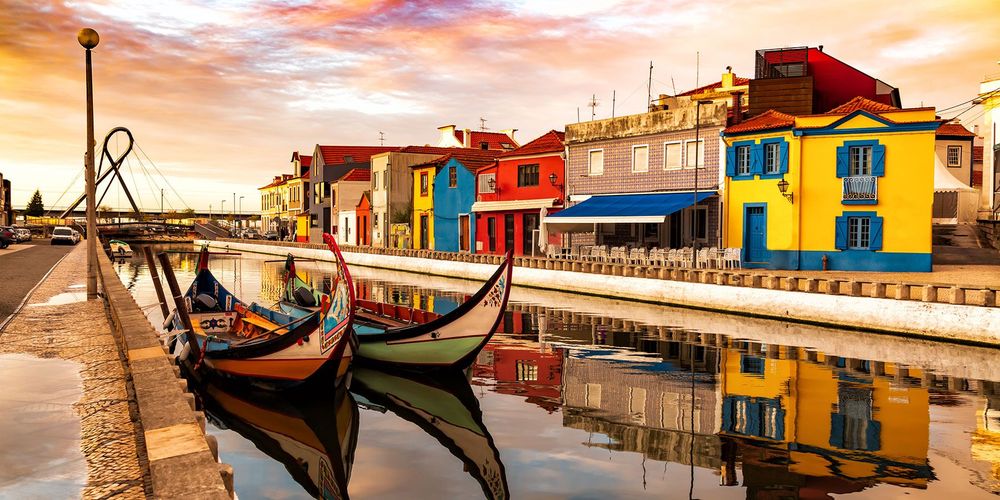
Salt marshes, moliceiro boats and canals, these are the images most people picture when they think of Aveiro. All of them exist thanks to one thing, the Ria.. Without this charming lagoon, the Portuguese city would never have had the same appearance, the same traditions, or the same history.
The story begins with a former fishing port, repeatedly hit by storms and rough weather, which went on to become the second largest city in Portugal’s Central Region, after Coimbra. Aveiro first appears in historical records in the year 959, but it wasn’t officially recognised as a town until the 13th century. To survive, the locals relied on activities tied to water, such as fishing, salt production, and maritime trade.
In 1575, this thriving economy came crashing down. As the coastline around the Ria became increasingly unstable, a powerful storm hit the region. The sea’s connection to the lagoon was cut off, and a sandbar formed, sealing Aveiro inland.
Aveiro was left surrounded by stagnant water and unsanitary conditions, driving many of its inhabitants to flee. The Marquis of Pombal, minister to King Joseph I, attempted to restore the city's fortunes, but even his ambitious plans failed. It wasn’t until 1808 that a permanent channel was built between the Ria and the ocean, reopening Aveiro to the sea.
From that moment on, the city began to thrive once again. Salt and seaweed harvesting, eel fishing, and the rise of ceramics and porcelain industries, especially the now-famous Vista Alegre brand, brought economic revival. Meanwhile, the growing reputation of Aveiro’s sculpture school turned the city into a creative hub as well.
From natural setbacks to economic success, Aveiro has earned a special place in the hearts of the Portuguese and visitors from around the world.
Aucun avis pour le moment