





Walk
The Land of the Morning Calm
Seoul, South Korea
Walk
The Land of the Morning Calm
Seoul, South Korea
7.2 km
Distance
3h00
Durée
20
Audios
Loop
Parcours
We’re now stepping into Seoul’s traditional district, the perfect moment to share the story of this capital, which has grown into one of the most visited cities in the world. The first traces of settlement here date back over 4,000 years, to around 2000 BC, when the city was called Wiryeseong and was already the capital of one of the three kingdoms that once ruled the Korean peninsula. In the 10th century, these kingdoms were unified under the Goryeo dynasty, which reigned for four centuries, advancing art, trade, and Buddhism, which flourished during this period.
At that time, Seoul was no longer the capital. After years of devastating Mongol invasions, a new era began with the Joseon dynasty, arguably the most significant in Korean history. They expelled the Mongols, put an end to repeated Japanese raids, and in 1394 declared the city, then known as Hanseong, the capital.
Chosen for its strategic position for trade and its harmony with the surrounding landscape, it was the perfect royal seat, encircled by four guardian mountains and fed by two rivers. The main royal palace was built at the foot of sacred Mount Bukhansan, believed to protect the city. For the next five centuries, Joseon Korea remained closed to the outside world, surrounded by defensive walls to guard against Mongol, Chinese, and Japanese attacks.
It wasn’t until the 19th century that Korea was forced to open up, particularly to Japan, which demanded access to its ports. This was long before the towering skyscrapers we see today, but the transformation was swift, especially during Japanese occupation from 1910 to 1945, when many historic structures were demolished and replaced. Renamed Kyongsong under Japanese rule, Seoul became the first city in Southeast Asia to have running water, electricity, trams, and telephones.
Freed from Japanese control in 1945, it suffered again just five years later during the Korean War, which raged for three years and ended with the division of the peninsula, making Seoul the capital of the US-aligned Republic of Korea. Reconstruction began in the late 1950s, and by the 1980s, the skyline was rising rapidly thanks to explosive economic and population growth. Open to the world, Seoul went on to host the 1988 Summer Olympics and the 2002 FIFA World Cup.
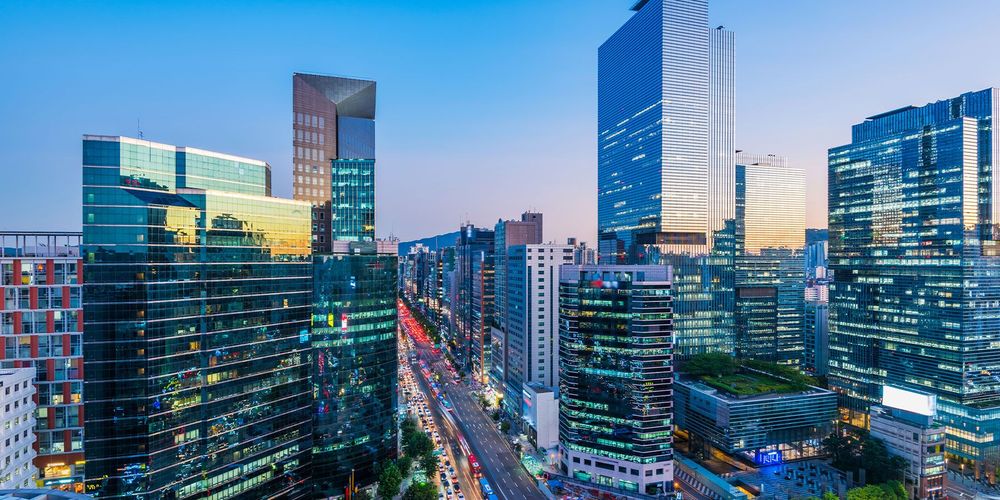
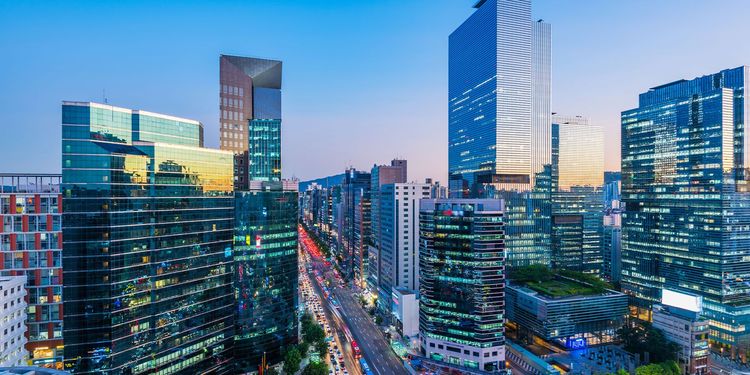
Today, it’s a vibrant, modern metropolis that has managed to preserve pockets of its authentic past, drawing visitors from across the globe.
Aucun avis pour le moment
