





Walk
The birth of a nation
Philadelphia, United States
Walk
The birth of a nation
Philadelphia, United States
4.7 km
Distance
2h00
Durée
24
Audios
Loop
Parcours
Shutterstock
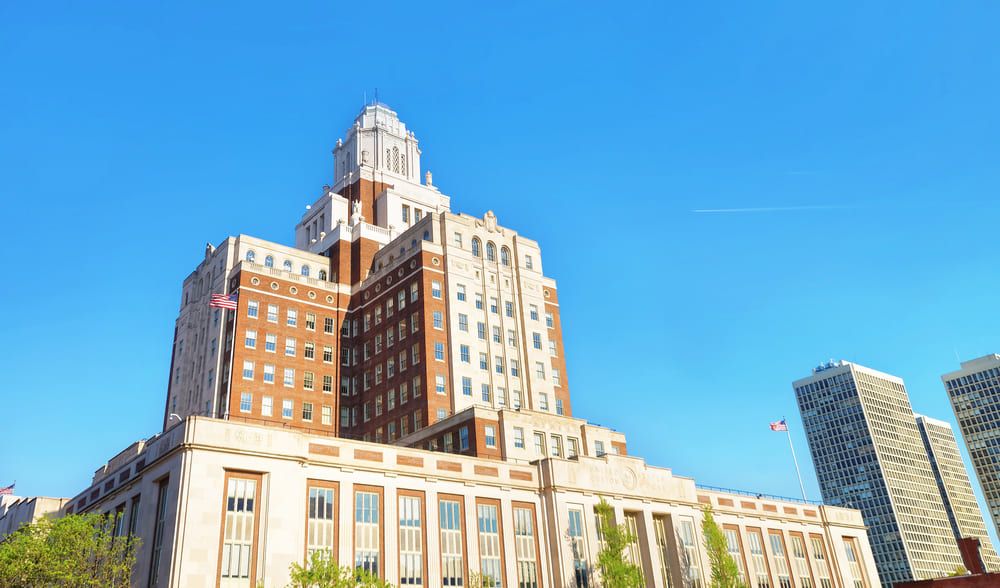
This imposing federal building is the United States Custom House, built in the 1930s. A Custom House is simply a place where goods entering the country are inspected, where duties are collected, and where trade is monitored. That role is still active today, with U.S.
Customs and Border Protection operating inside the building. More broadly, this site is a reminder of how important Philadelphia once was as a major port. For a long time, a large share of goods passed through here, requiring a strong administrative presence to manage these flows.
The building itself was constructed between 1932 and 1934, during the Great Depression. This was a period of severe economic crisis, triggered by the 1929 stock market crash, which led to falling production, widespread bankruptcies, and very high unemployment across the United States. In response, large public projects like this one were launched to help stimulate the economy and create jobs.
This place is also connected to the early days of American literature. Not far from here, Charles Brockden Brown was born, one of the first major American novelists. Born in 1771 into a Quaker family, he is often seen as a pioneer of the American novel, at a time when the country’s literature was still taking shape.
His best-known work, Wieland, blends mystery, psychology, and religious tension in a setting inspired by this region. He was also one of the first American writers to try to make a living from his work, and his writing went on to influence authors like Edgar Allan Poe and Nathaniel Hawthorne. Here, the story of global trade meets the early development of American literature.
Aucun avis pour le moment
