





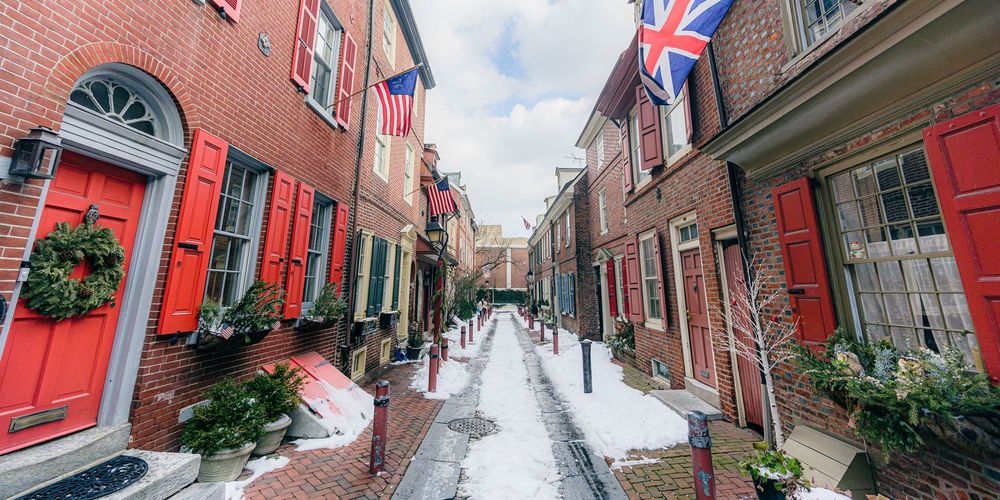
Walk
The birth of a nation
Philadelphia, United States
Walk
The birth of a nation
Philadelphia, United States
4.7 km
Distance
2h00
Durée
24
Audios
Loop
Parcours
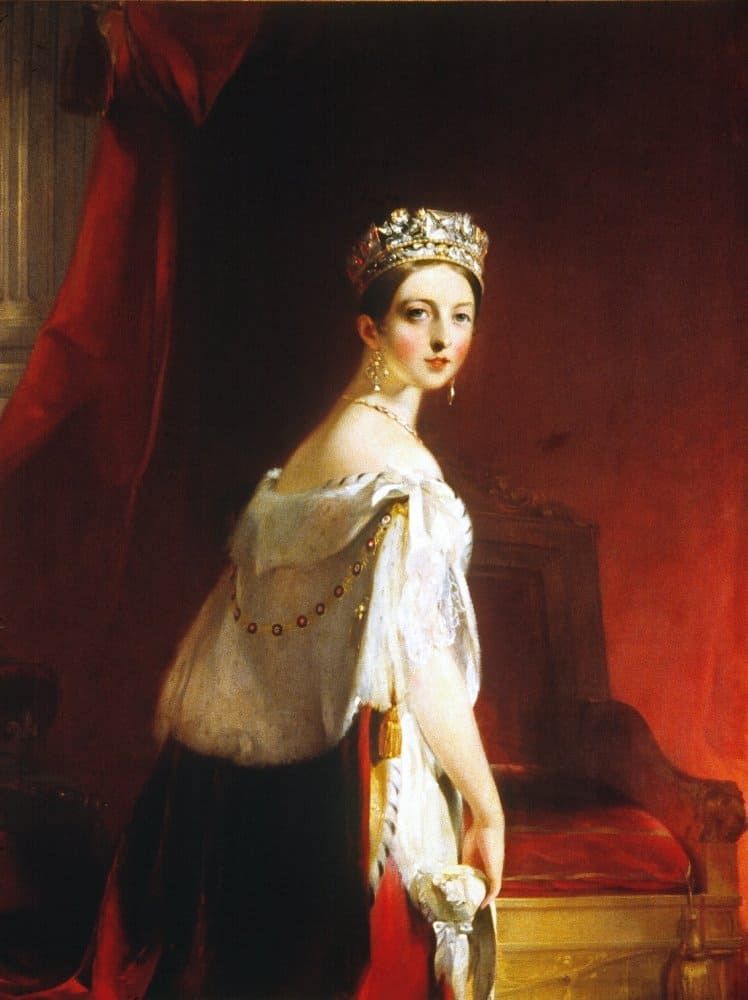
©Thomas Sully, Public domain
You’re standing near Holy Trinity Church, a former Catholic church founded in the late 18th century for Philadelphia’s German-speaking community. Built in 1789, it became closely linked to a major event in the city’s history: the yellow fever epidemics of the 1790s. The most severe outbreak came in 1793, when Philadelphia was still the nation’s capital.
In just a few months, around 5,000 people died, nearly 10 percent of the population. The disease caused high fevers, yellowing of the skin, and in its most severe forms, internal bleeding. At the time, its origin was unknown, which only increased fear and confusion.
The city was partially abandoned, institutions struggled to function, and accounts describe streets marked by death and neglect. In this context, many children were left without families. To respond to the crisis, the church established in 1797 what is considered the first Catholic orphanage in the United States, specifically for children who had lost their parents during the epidemic.
Now, turn around. Across the street, at number 530, lived Thomas Sully. Born in 1783, he arrived in the United States just a few years later, right in the middle of these epidemics.
He belonged to a generation shaped by these events, and more broadly to the last generation of portrait painters before the arrival of photography. His work, which includes thousands of portraits, helped give a face to 19th-century America. He painted figures such as Andrew Jackson, Thomas Jefferson, Marquis de Lafayette, and even Queen Victoria.
He represents a time when the image of well-known figures was still shaped through painting, just before photography would completely change how people were portrayed.
Aucun avis pour le moment
