© Shutterstock
 Votre guide Ryo
Visiting Namur Solo: The Complete Guide for a Free-Spirited Stay (2026)
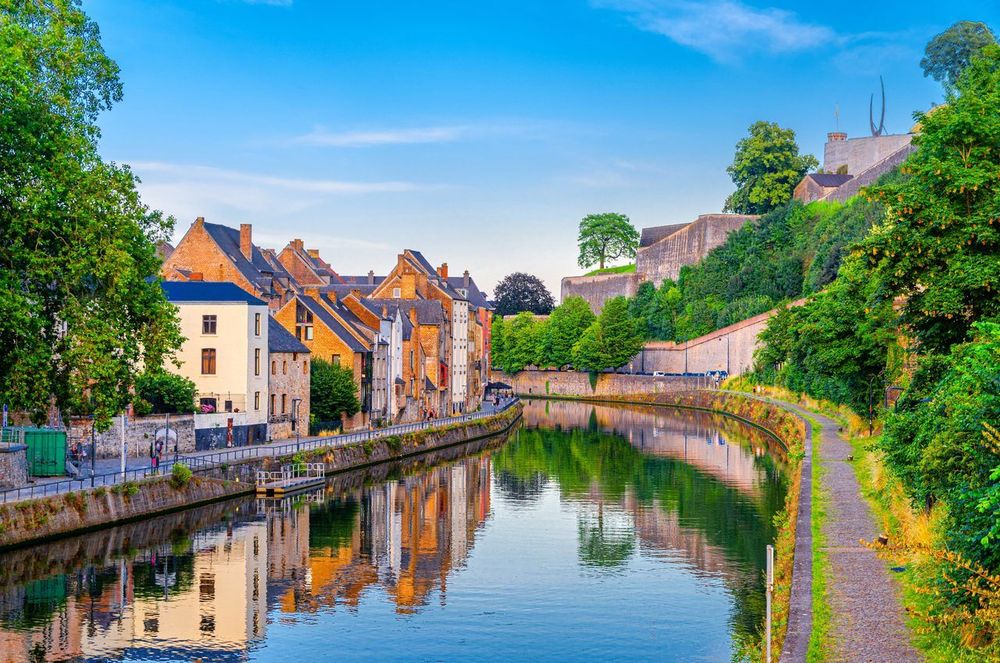
Namur doesn't bill itself as THE most glamorous destination in Belgium — and that's exactly what makes it so enjoyable when you choose to visit Namur solo. From the Gifar car park, the entire city fits in a single glance: the citadel planted on its rocky spur, the confluence of the Sambre and the Meuse glittering below, the tightly packed rooftops of the Vieux Namur. No need to schedule every minute of an itinerary or follow a group: you go at your own pace, between a cable car that climbs in seven minutes to the fortifications remodelled by Vauban and Coehoorn, underground tunnels stretching for several kilometres beneath the citadel, a steel-and-wood footbridge thrown across the Meuse, and a soft caramel that Namur's confectioners have been selling since 1954 — the biétrumé. The Ryo audio guide tour of Namur is designed to connect all these places without having to rethink your day every hour. Here, neighbourhood by neighbourhood, is everything you need to know before setting off alone to discover this human-scale Walloon capital.
Why Visit Namur Solo?
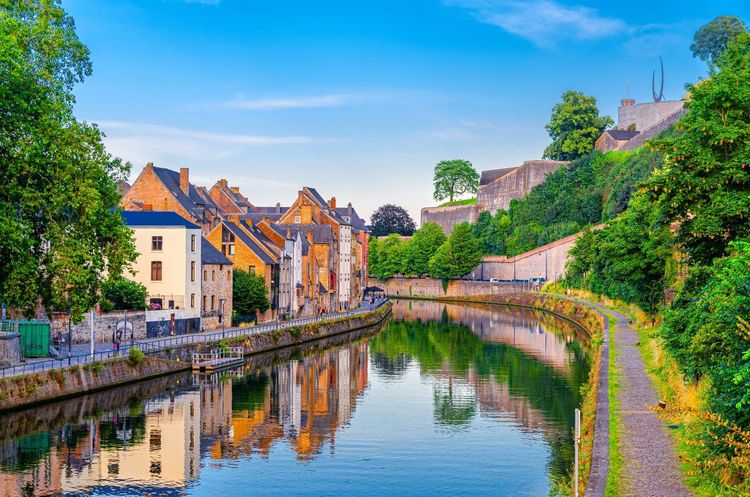
Namur ticks almost every box for a successful solo trip. The city is small: the historic centre can be explored on foot in half a day, with no need for public transport or complicated logistics. You find your bearings quickly — the citadel dominates the skyline, the Sambre cuts the city in two, and the pedestrian streets in the centre almost always lead back to the same spot.
It's also a city where you never feel lonely without being alone. The terraces in the centre are full of students, families and solo travellers who sit down without a second thought, cafés are perfectly happy for you to settle in with a book, and the tourist office staff are used to individual visitors. Add to that a city size that keeps safety concerns to a minimum, and Namur becomes an ideal Belgian destination for a first solo city break — without Bruges's crowds or Brussels's accommodation prices.
How Much Time Do You Need to Visit Namur?
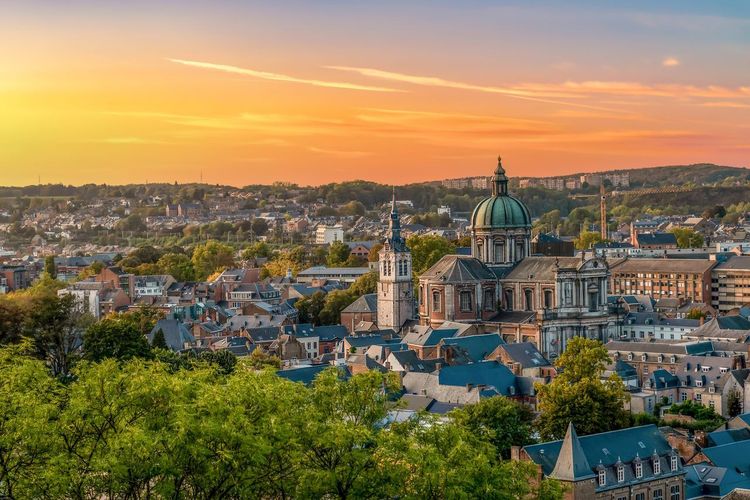
Half a day is enough to tick off the essentials: the citadel, the Vieux Namur and a meal by the water. But allowing a full day — or even two — gives you time to stroll at leisure, visit a museum and venture as far as Dinant or the Meuse valley.
When travelling solo, two days strikes a good balance: the first devoted to the citadel and the city centre, the second to museums, the riverbanks and a day trip. It's also the duration that lets you vary the pace — an active morning walk followed by a long afternoon on a terrace — without rushing to keep up with a group's schedule.
The Citadelle de Namur: Cable Car, Underground Tunnels and Panoramic Views
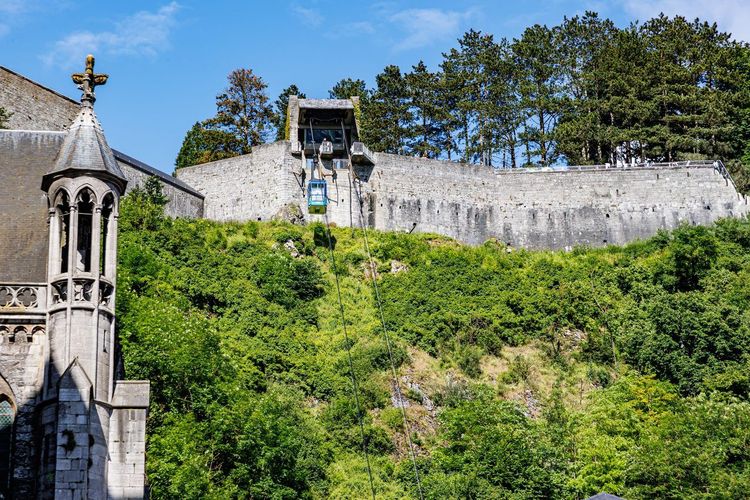
The Citadelle de Namur is the place to start, and for good reason: this fortress perched on the rocky spur between the Sambre and the Meuse was remodelled over centuries — most notably by military engineers Vauban and Coehoorn — until it became one of the largest fortified complexes in Europe.
To get up there, you have two options. The cable car, back in service since 2021, departs from Place Maurice Servais in the heart of the city and reaches the esplanade in about seven minutes, with a bird's-eye view over the rooftops and the confluence along the way. On foot, allow 20 to 30 minutes via the Route Merveilleuse, a winding path that climbs in switchbacks with several viewpoints to stop at. Outside the busiest summer weekends, neither option requires advance booking, which simplifies the solo visit considerably.
Once at the top, head for the citadel's underground tunnels — a network of vaulted galleries carved into the rock over several kilometres, once used to store food and ammunition and to move troops and equipment out of sight. The guided tour, offered at fixed times, lasts around 45 minutes: an experience that takes on a whole different flavour when you're alone and can linger without having to keep pace with a group.
On the esplanade, you can't miss the Searching for Utopia statue: a seven-metre gilded bronze giant tortoise ridden by a self-portrait of Flemish artist Jan Fabre. Installed in 2015 for the exhibition 'Facing Time Rops/Fabre', it was meant to be temporary; it stayed, and has since become one of the city's most photographed landmarks.
Don't leave without stopping at the Gifar car park (Route Merveilleuse, 5000 Namur, rated 2.4/5 on Google across 65 reviews) — a simple open-air car park that has become one of the best free viewpoints in the city. From there, the eye ranges across the Sambre-Meuse confluence, the rooftops of the Vieux Namur and, on a clear day, as far as the first ridges of the valley.
In terms of timing, allow around 2.5 to 3 hours to visit both the citadel and the tunnels at a relaxed pace — a little more if you stop at the site's panoramic restaurant. Solo, this is also the ideal spot for a break: benches and lawns are dotted throughout the site, so you can settle wherever you like.
To understand what lies beneath your feet, the Ryo audio guide tour of Namur climbs all the way to the citadel and walks you through Vauban and Coehoorn's fortifications step by step, with no physical guide or fixed timetable: 19 audio tracks and 1.5 hours of walking to grasp how this fortress shaped the entire city below.
The Vieux Namur: Wandering, Street Art and the Enjambée Footbridge
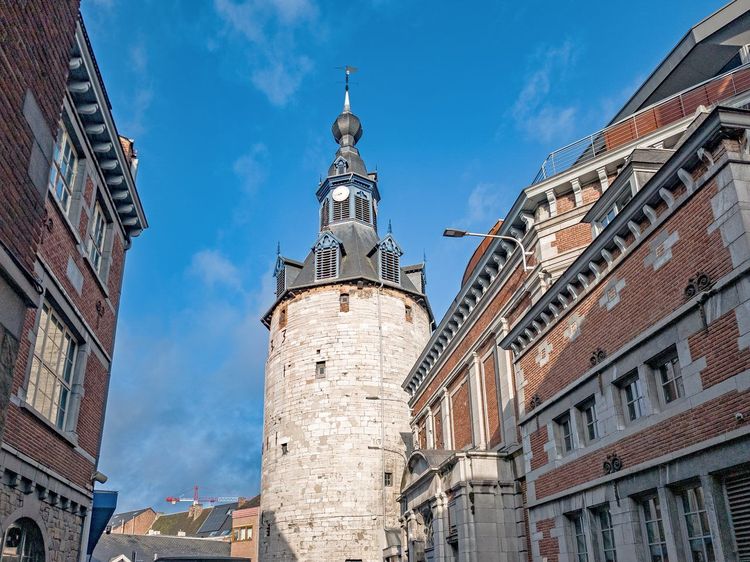
Back down from the citadel, the Vieux Namur is best discovered on foot and without a complicated map: the cobbled streets nearly all converge on Place d'Armes or Rue de Fer, the main shopping axis. This is the neighbourhood where wandering without a fixed itinerary works best — listed façades, independent shops and squares that open unexpectedly onto a church or a belfry.
The tourist office has mapped out a street art trail linking murals and artist interventions in the lanes and on the blank walls of the centre. It's a great way to explore the city solo without a rigid itinerary: you set the pace, stop wherever a mural catches your eye, and move on whenever you're ready.
Continuing towards the Grognon, at the tip of the confluence, the Enjambée footbridge crosses the Meuse to connect Namur with Jambes. Opened in 2020 and around a hundred metres long, this light steel structure with a wooden deck is reserved for pedestrians and cyclists; it offers one of the finest angles on the citadel, the Walloon Parliament and the Grognon.
If you like combining sightseeing with exercise, a sightseeing jog along the riverbanks and up to the citadel is a popular solo option: the banks of the Sambre and the Meuse are flat and open, and the climb to the citadel adds elevation for those who want a challenge. This route, more or less, is also the one followed by the Ryo audio guide: its 19 stops take you step by step through the lanes of the Vieux Namur, past listed façades and murals, so you don't miss a thing without needing a paper map.
Must-See Museums: Félicien Rops and the Treasures of Namur
Namur has several museums, but two deserve time even on a short visit. The Félicien Rops Museum (Rue Fumal 12, 5000 Namur, rated 4.5/5 on Google across 893 reviews) pays tribute to the city's most famous son, born in Namur in 1833 — a Symbolist draughtsman and engraver known for his provocative work and biting line. The permanent collection traces his career between Namur, Brussels and Paris, complemented by temporary exhibitions.
A few minutes' walk away, the TreM.a, Museum of Ancient Art of the Namur Region, occupies the Hôtel de Gaiffier d'Hestroy, an 18th-century mansion at 24 Rue de Fer. It brings together Mosan art from the 12th to the 16th century, with the Treasury of Oignies as its centrepiece — goldsmithery voted among the seven wonders of Belgium — alongside Meuse landscapes painted by Henri Bles. Solo, either museum can be visited in one to one and a half hours, which gives you time to choose based on your mood rather than rushing through both.
Between the two museums, the neighbourhood itself is worth lingering in: quiet lanes, blue stone façades, a few second-hand bookshops. The Ryo audio guide touches on the history of this area between two stops, making it easier to decide which museum to visit depending on how much time you have left.
On a practical note, both museums are generally closed on Mondays, and the Rops Museum takes part in the 'first Sunday of the month free' scheme — check the calendar if that date falls during your stay. Otherwise, expect a few euros per entry, a reasonable spend for a rainy morning or a break after the walk up to the citadel.
Namur by the Water: the Meuse, the Sambre and the Confluence
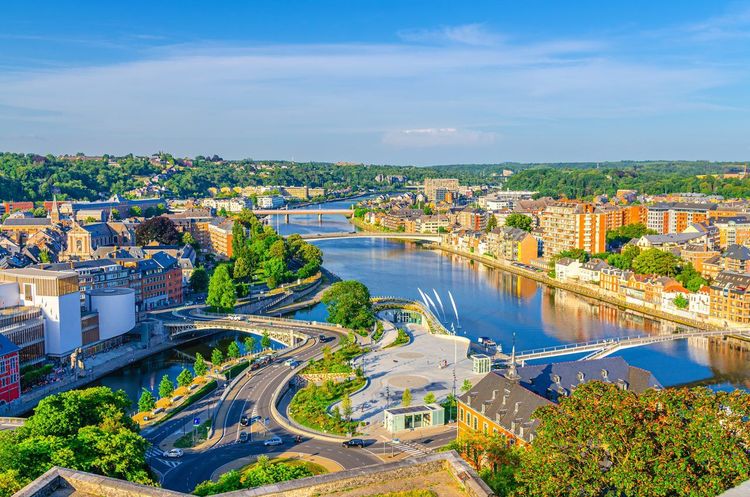
Namur wraps itself around two rivers — the Sambre and the Meuse — whose confluence gives the city its distinctive silhouette. The landscaped quays on both sides invite you to stroll, with benches facing the water and, in fine weather, paddleboards and small boats gliding under the bridges.
The Confluence area around the Grognon concentrates the recently redesigned public spaces: tiered seating facing the water, lawns and a few seasonal pop-up bars. This is where the people of Namur come to unwind at the end of the day, and a good spot to watch local life without needing company to feel at ease.
For a change of scenery, a cruise on the Sambre and the Meuse is offered in season from the quays, generally from spring to autumn. The most common option lasts 45 minutes to an hour and skirts the citadel from the water — a vantage point you won't find anywhere else. Check on the day: outside high season, departures aren't always guaranteed, and more than one visitor has been turned away on a windy day.
At sunset, the Pont de Jambes (5000 Namur, rated 4.3/5 on Google across 419 reviews), which links the centre to the right bank of the Meuse, offers an unobstructed view of the illuminated citadel and the confluence turning orange. It's a simple, free ritual — and particularly pleasant solo since it requires neither a booking nor a fixed timetable.
Between visits, settling on the quays with a notebook is one of the most restful things you can do in this city: no rush, no judgement, and the landscape shifts with the light. Part of the Ryo audio guide to Namur runs along these quays and the Sambre-Meuse confluence, with an anecdote about river navigation slipped in between two stops.
Cycling along the Meuse
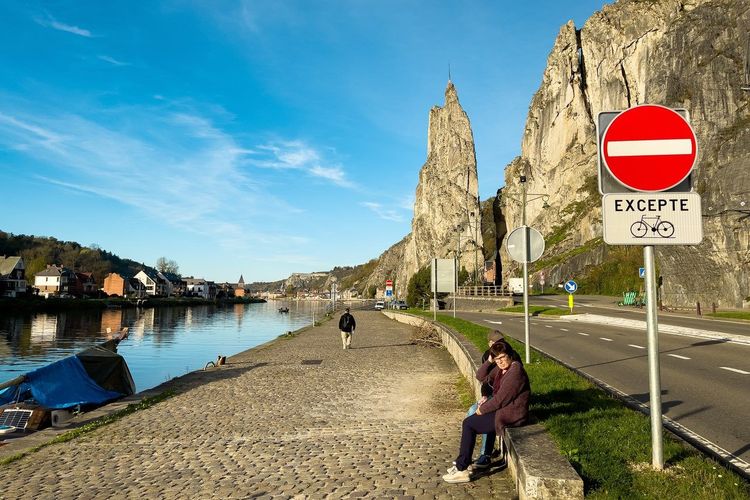
The Meuse lends itself well to a cycling outing, particularly heading south towards Dinant: a cycle path follows the river for most of the route, with very little elevation gain, making it accessible even without any particular training.
Several rental shops offering standard and electric bikes operate near the city centre and the quays, with half-day and full-day rates. Allow around two hours one way to Dinant at a leisurely pace, photo stops included; the train can take you back if your legs complain.
The route follows the RAVeL, Wallonia's network of greenways, separated from motor traffic for the vast majority of the journey — real comfort when cycling solo without having to watch the road the whole time.
Tasting Namur's Local Specialities
Namur has its own specialities, and the first one to try is the biétrumé — a soft caramel made with fresh cream and toasted hazelnuts, flavoured with butter or chocolate. Created in 1954 at the request of the city by a confectioner on Rue Haute-Marcelle, it takes its name from Jean-Biétrumé Picar, a legendary 18th-century Namur prankster. It's sold in small bags in sweet shops throughout the centre: an easy snack to slip into your pocket between visits, though it's quite the workout for your teeth.
Still on the sweet side, Namur's chocolatiers are plentiful: artisan pralines and chocolate bars can be enjoyed on the spot or taken home as gifts. Solo, a small box of pralines for the road remains the easiest and most indulgent souvenir to bring back.
On the savoury side, traditional Walloon cuisine features in several addresses in the centre: boulets à la liégeoise, carbonnade and chips as an almost universal accompaniment. It's generous, hearty cooking designed for long communal tables, but it goes down just as well alone at a brasserie counter, where you'll easily find regulars happy to strike up a conversation.
The deli shops and Saturday market are also worth a detour if you want to put together a picnic along the quays: regional cheeses, Ardennes charcuterie and local beers make a budget-friendly alternative to eating out every lunchtime when you're travelling on a tight budget.
Where to Have a Drink or a Coffee in Namur
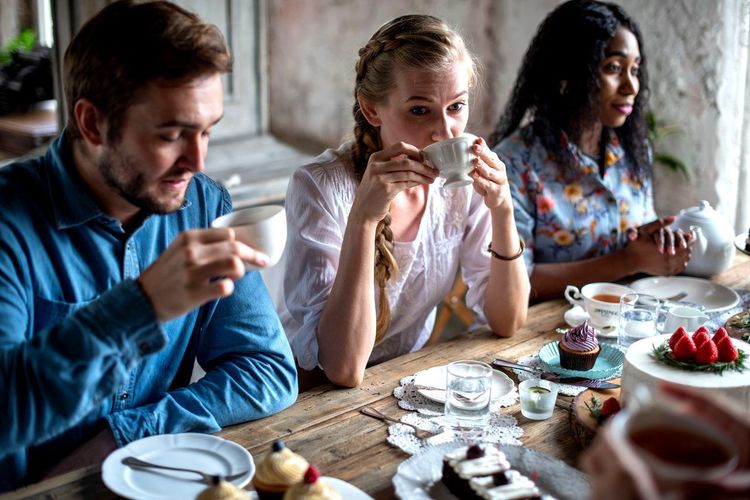
For a sweet break, Les Cup'Inn is a popular city-centre address, well regarded for its homemade cupcakes, cheesecakes and cookies and its cosy atmosphere — a small room where you can happily settle in alone with a book without feeling out of place.
In the evening, Barnabeer (Rue de Bruxelles 39, 5000 Namur, rated 4.6/5 on Google across 2,122 reviews) draws craft beer enthusiasts with an impressively long menu and a covered, heated terrace. The atmosphere is relaxed — the kind of place where striking up a conversation at the bar is perfectly natural — making it a good option if you're after a bit of human contact at the end of the day.
More broadly, the city centre and the quays concentrate most of the bars and cafés, with a clear preference for terrace seating the moment the weather allows. Choosing spots with a bar counter rather than tables-only often makes it easier to feel comfortable without a reservation or company.
For a quieter evening, move slightly away from the student streets — which can get noisy at weekends — and look instead around the small squares of the Vieux Namur, which are generally peaceful during the week.
Eating Well at Namur's Best Restaurants

For a good meal in Namur, the central addresses cover every budget. For traditional Belgian cuisine, several brasseries around Place d'Armes and the Marché aux Légumes serve boulets, carbonnade and moules-frites in an unpretentious setting, with lunchtime menus that are often much more affordable than the evening à la carte.
For a more gastronomic option, a handful of Namur restaurants offer seasonal cooking using Walloon produce, with a price-to-quality ratio that is generally better value than in Brussels. Solo, asking for a seat at the counter or in a smaller room rather than a large terrace often means you'll be better looked after.
For quicker bites, the pedestrian streets are full of sandwich shops, chip stands and small snack counters where you can grab something on the go between visits without losing an hour at a table.
Booking is generally only necessary at weekends or in high season; during the week, walking in works at most restaurants in the centre — a real comfort when you don't want to plan your meals in advance. Beer lovers will appreciate the places that focus on beer-and-food pairings, a proudly embraced tradition in Belgium.
Where to Stay in Namur as a Solo Traveller
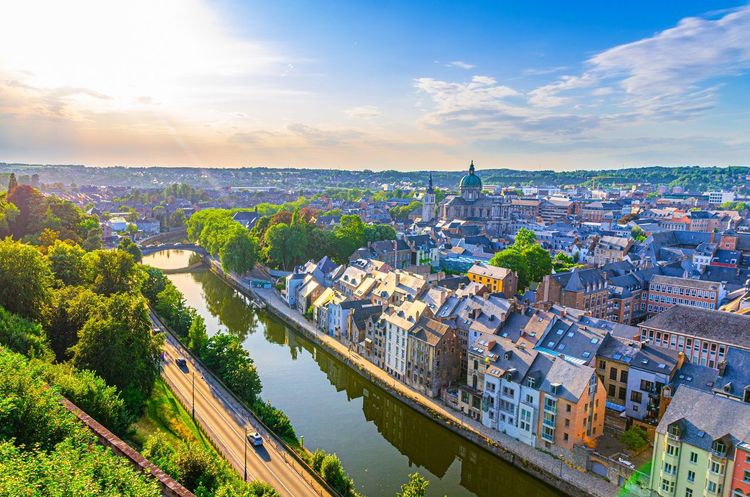
To explore Namur on foot, it's best to stay in the city centre or near the quays: the city is compact enough that everything is within ten to twenty minutes' walk from a well-located place to stay.
Central hotels cover a wide range of budgets, from functional two-star options to more comfortable addresses near the train station or the Meuse. For solo travellers, mid-sized hotels often offer the best compromise: staff on hand for advice, single rooms at reasonable prices, without the impersonal feel of large chains.
For a cosier stay, several bed and breakfasts in the historic centre put the emphasis on personal hospitality, often run by locals who are happy to share their favourite addresses. The exchange with the host fills in a little for the company you don't have on the road.
Those on a tighter budget will find more economical accommodation near the train station, a ten-minute walk from the historic centre — practical if you're arriving by train with luggage.
Book a few weeks ahead in summer and for the Fêtes de Wallonie in September, when rooms in the centre go quickly. Outside peak season, finding a decent room at the last minute is generally still possible — a real bonus if you're travelling on a whim.
Day Trips from Namur: Dinant and the Meuse Valley
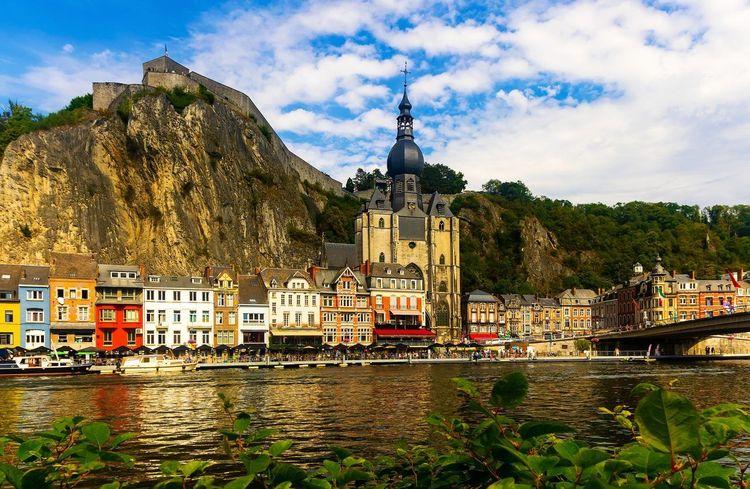
Namur also lends itself very well to day trips. The most obvious is Dinant, half an hour south by train, following the Meuse.
Dinant and its citadel are worth the detour for their picture-postcard silhouette: the Collegiate Church of Notre-Dame with its bulbous bell tower, dwarfed by the cliff and the citadel perched at the top — accessible via a staircase of more than 400 steps or by cable car. The city was the birthplace of Adolphe Sax, inventor of the saxophone, a fact commemorated by several statues and oversized saxophones scattered throughout the streets.
Between Namur and Dinant, the Annevoie Gardens offer a peaceful stroll through an 18th-century park where the water features run without a single pump, powered entirely by the natural slope of the land — an feat of engineering still visible today.
Further south, the Château de Freÿr (Rue de Freÿr 12, 5540 Hastière, rated 4.3/5 on Google across 1,443 reviews), on the banks of the Meuse, combines a Renaissance manor still inhabited by the same family with listed formal French gardens, set against the Freÿr rocks — a much-loved spot among climbers.
For a nature outing, the Furfooz Nature Reserve, a few kilometres from Dinant, offers short but varied trails through limestone cliffs, prehistoric caves and the meanders of the Lesse — a great way to breathe after several days of urban sightseeing.
Solo, these excursions are easily planned by train, and there's no obligation to do everything: better to take your time at one or two sites than to rush through an over-ambitious programme.
Getting to and around Namur
Namur is easy to reach from Brussels: around one hour by direct train, with frequent departures throughout the day. By car, allow about an hour via the E411, with several car parks near the centre and the train station.
Once there, the city can be explored entirely on foot: the train station is ten minutes from the historic centre, and the citadel is about twenty minutes' walk away — or seven minutes by cable car from Place Maurice Servais. No car or bus needed for a typical day in the city.
For day trips to Dinant or the Meuse valley, the train remains the simplest option from Namur station. A bike hired in the city also allows you to reach the closest sites, as mentioned earlier.
Arriving by train has a clear advantage when travelling solo: no parking to worry about, and the freedom to leave whenever you like.
Budget and Practical Tips for Visiting Namur Solo
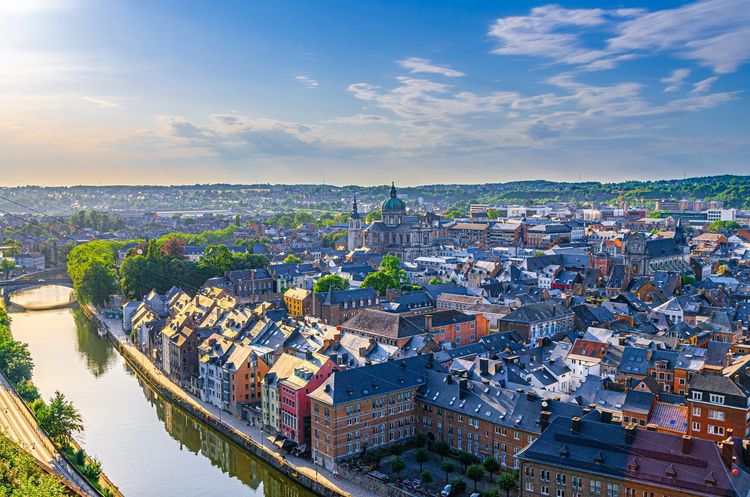
Travelling solo in Namur remains affordable by Belgian standards. Budget around 60 to 90 euros per day for a decent room, two meals and the main activities — a figure that drops noticeably with budget accommodation and simpler meals.
On the safety front, Namur is one of Belgium's most peaceful cities for solo travel: the centre stays lively into the evening, is well lit, and the modest size of the city keeps unpleasant surprises to a minimum. The usual caution applies near the train station late at night and on quieter stretches of the quays after midnight.
The best time to visit is spring and early autumn, when terraces and gardens are at their finest without the crowds of midsummer. The Fêtes de Wallonie in September transform the city into a large popular festival for several days — a unique experience if you enjoy a festive atmosphere, one to avoid if you're looking for peace and quiet.
One final reference point: Namur has around 110,000 inhabitants and is home to the Walloon Parliament and government, which means a genuinely local life beyond the tourist areas — on a far more human scale than a major European capital.
FAQ
Is Namur worth visiting?
Absolutely: for a mid-sized city, Namur packs in a spectacular citadel, a dense historic centre and two rivers that shape every walk, without the crowds or prices of its larger neighbours.
How many days do you need to visit Namur?
One full day is enough to cover the city centre essentials and the citadel. Allow two days to add museums, the riverbanks and a day trip to Dinant or the Meuse valley at a relaxed pace.
Is Namur an easy city to explore on foot, alone?
Yes: the entire historic centre is walkable, the train station is ten minutes from the city heart, and the citadel is a twenty-minute walk or a seven-minute cable car ride away.
Is Namur a safe city for solo travel?
Namur is one of Belgium's most peaceful cities, with a lively, well-lit city centre in the evenings. The usual caution applies near the train station and on quieter stretches of the riverbanks late at night.
What budget should you plan for a solo trip to Namur?
Budget between 60 and 90 euros per day for a decent place to stay, two meals and the main activities — a figure that can drop noticeably with budget accommodation and simpler meals.
Do you need to book the citadel cable car in advance?
Outside busy summer weekends and the Fêtes de Wallonie, advance booking is generally not necessary: the cabins run continuously and the wait stays short for most of the year.
Namur or Dinant: which is better for a single day?
Namur offers more to see in a day thanks to its citadel, historic centre and museums. Dinant works very well as a half-day trip, making it an ideal excursion from Namur rather than a standalone destination.
Conclusion
Visiting Namur solo is ultimately the chance to rediscover the pleasure of wandering without a fixed schedule: a citadel to climb at your own pace, a Vieux Namur to roam by following murals at random, and quays where you can linger for as long as you like. The city is compact enough that you'll never feel truly lost, and lively enough that you'll never feel truly alone.
To connect it all without a second thought, put in your earphones and start the Ryo audio guide tour of Namur: 19 audio tracks, 1.5 hours and 3.7 km from the citadel to the banks of the Meuse — just walk and let the city tell its own story.