© Shutterstock
 Votre guide Ryo
Croatia Beaches and Coves: 15 Breathtaking Spots in 2026
When talking about Croatia beaches and coves are counted by thousands. The country has 1,777 kilometers of coastline and 1,246 islands, islets and reefs. This figure is almost abstract until you find yourself aboard a ferry, watching limestone cliffs, pine forests and bays of a blue that exists nowhere else in the Mediterranean drift by. The problem isn't finding a beautiful beach in Croatia, it's giving up the others. To help you decide, the Ryo audio-guided tour of Split is an excellent starting point for those going up the Dalmatian coast: the city is the main ferry hub to the islands.
This guide to Croatia's beaches reviews 15 sites spread from Istria to the Dalmatian tip, with their access, swimming conditions and what truly sets them apart. You'll find addresses known worldwide, like Zlatni Rat on the island of Brač, whose pebble tip pivots according to currents. But also sites that deserve more visitors than they receive: Sakarun on Dugi Otok, with its quasi-Caribbean white sand, Stiniva cove on Vis, accessible through a rock passage barely a few meters wide, and the wild coves of Cap Kamenjak in Istria. Family beaches, hiking coves, kitesurfing spots and festive bays each have their entry.
Zlatni Rat, the Pebble Spit of Brač Island
Zlatni Rat (Zlatni Rat Beach, 21420 Bol, rated 4.4/5 on Google for 28,463 reviews) is Croatia's most photographed beach, and the phenomenon isn't due to marketing hype. This white pebble spit extends 500 meters into the sea from the southern shore of Brač island, two kilometers from the village of Bol. Its geological peculiarity is unique in the Mediterranean: the tip moves according to wind direction and current intensity, sometimes several meters in just a few days. You don't find exactly the same beach from one week to another.
The beach is bordered by a dense pine forest that provides natural shade along its entire length, a rare advantage on the Dalmatian coast. The water is shallow over a wide strip, which suits families. The bora and maestral winds, regular in Bol, however create conditions that have attracted kitesurfers and windsurfers for several decades, several schools offer lessons on site.
Access from Split is by ferry in 50 minutes to Supetar, then by bus to Bol (1 hour); or by direct catamaran in high season (50 minutes). From Makarska, a ferry connects to Sumartin in 1 hour. From Bol, the beach is a 20-minute walk along the promenade or 5 minutes by bike. In July and August, attendance can exceed 8,000 visitors per day: arrive before 9am or return in late afternoon to find the beach in a state close to its natural beauty. Parasols are available for rent from 10 EUR.
The underwater depths off Zlatni Rat are also worth it: rocks covered with seagrass, octopuses, sea urchins. A few buoys delimit swimming areas.
Stiniva, the Secret Cove of Vis Island
Two limestone cliffs close at the entrance to leave only a passage about 4 meters wide, barely enough for a small boat to slip through. Behind this natural gate opens a circus of white pebbles surrounded by walls rising about thirty meters above sea level. Stiniva, on the island of Vis, was voted Europe's most beautiful beach in 2016 by European Best Destinations readers, and the description remains modest compared to reality. Protected since 1967, the cove has seen its summer attendance quadruple since this consecration, to the point where motorboats are now banned.
Most visitors arrive on boat excursions from Vis or Komiža. On foot, count about 30 minutes descent from the nearest parking, on a rocky and steep path not recommended for young children. Plan good shoes, the climb back up under July sun is exhausting. Vis island itself is only accessible by ferry from Split (2h20) or by catamaran in high season (1h30). This double geographical filter preserves Stiniva from excessive attendance, even if boat excursions stop there midday. Ideal is to go there early morning or after 3pm.
The water inside the cove takes an emerald green color due to light reflected by the walls. The pebble beach is only about a hundred meters long, and no infrastructure is permanently installed: bring water, provisions, and plenty of sunscreen, the walls reflect heat.
Vis deserves at least two days. The village of Vis and Komiza bay, on the other side of the island, each have their own character. Rental boats allow exploring neighboring coves inaccessible on foot.
Hvar Beaches: Dubovica and the Pakleni Islands
Hvar is often associated with its lively evenings and vineyards, but the island hides beaches that hold comparison with any Dalmatian cove.
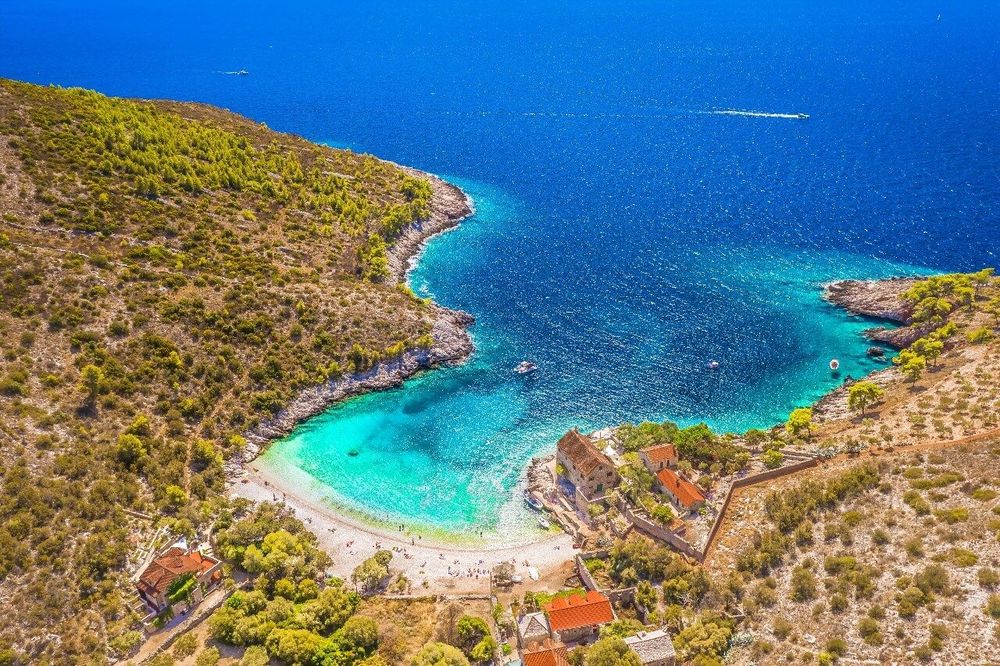
Dubovica first stands out for its botanical setting: centuries-old olive trees with twisted trunks descend to the rock, framing a cove of pebbles and flat slabs. An old stone fisherman's house dominates the bay, converted into a small drinks bar. The water is transparent up to 4 meters deep, with reflections that change from light turquoise on the surface to deep blue in depth.
From the city of Hvar, the drive takes 10 minutes eastward (direction Milna). Roadside parking leads to a short descent to the cove. By taxi-boat from Hvar, count 15 minutes. Attendance remains moderate compared to beaches near the center, and swimming is better after 4pm in high season.
The Pakleni Islands (Paklinski otoci) form an archipelago of about twelve islets west of Hvar town, accessible by taxi-boat in 10 to 20 minutes. Palmižana is the busiest, with its restaurants and sailboat moorings, while Stipanska houses the famous Carpe Diem Beach club and its festive atmosphere. For more calm, head to the naturist islet of Jerolim or the sheltered bays of Mlini and Ždrilca, with remarkably clear water. If you have a boat or kayak, plan half a day to follow the northern coves of the Pakleni, some don't have names on maps.
Sakarun, the White Sand of Dugi Otok Island
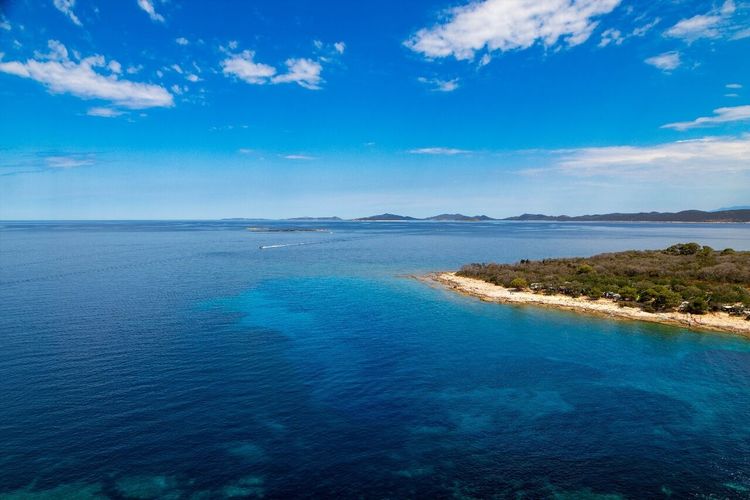
On a coast where pebbles rule, and where Croatia's most beautiful beaches are almost all mineral, Sakarun is an exception. The semi-enclosed bay of Dugi Otok island shelters one of Dalmatia's rare fine sand beaches, an almost white sand, which gives the shallow water a milky turquoise color that evokes the Caribbean more than the Adriatic.
Dugi Otok is accessible by ferry from Zadar in 1h30 to 2h depending on the line (Brbinj or Božava). From the pier, Sakarun is 20 to 30 minutes by car or bike through Mediterranean scrubland. Kiosks offer drinks and mattress rental in high season. About 800 meters long, its very gradual depth over a wide coastal strip makes it one of the most suitable beaches for families with young children.
Off season, Sakarun is almost deserted. Hikers crossing the natural park of Telašćica, neighboring the island, can integrate a stop at Sakarun in their coastal circuit. The contrast between the arid interior landscapes and the water color is part of what makes the place striking.
Lubenice, the Beach at the End of the Cliff, Cres Island
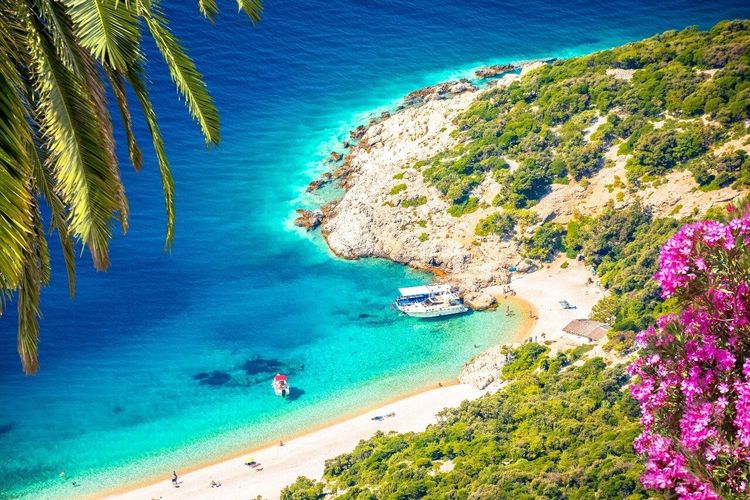
The medieval village of Lubenice hangs at 380 meters altitude on a rocky plateau of Cres island, overlooking a cove of almost formal beauty. To descend there, you must follow a path carved in the cliff: 45 minutes descent, one hour to climb back up under the sun. The elevation drop is real and the trail exposed. This natural filter maintains the beach in a state of relative accessibility, packed in summer during boat passages, almost empty the rest of the time.
The cove measures about 150 meters long, covered with white pebbles. The water is absolutely transparent, the limestone bottom visible up to 6 or 7 meters deep. No commerce on the beach, take everything you need, including enough drinking water for the climb.
Cres island is accessible by ferry from Brestova, in Istria (20 minutes), or from Valbiska on Krk island. Boat excursions from Cres and Lošinj also serve the cove, an alternative to hiking if you have young children or if the heat is too strong. Lubenice village itself deserves half an hour: its medieval alleys, dry stone houses and the view of the Adriatic from the northern viewpoint are among the most impressive panoramas of the Croatian coast.
Cap Kamenjak, the Wild Coves of Istria
Cap Kamenjak is a natural reserve at the southern tip of the Istrian peninsula, 10 km south of Pula. It's not a single beach, but a tangle of 4 kilometers of rocky coves, pebble inlets and cliffs diving directly into water of remarkable purity.
Reserve entry costs about 7 to 10 EUR per vehicle in high season, free for pedestrians and cyclists. Unpaved tracks allow reaching coves by bike or on foot. The Safari Bar cove, perched on the cliff with its trampolines and beach bar, is the best known. For more solitude, coastal paths toward the most advanced points reveal quasi-private natural pools, some barely referenced online.
The shallow and clear waters of the cape are ideal for snorkeling: groupers, cuttlefish and starfish are common from mid-season. The site is easily integrable into a stay in Pula, whose Roman amphitheater and historic center are also worth visiting.
Punta Rata and Nugal, the Makarska Riviera
The Makarska Riviera, between Omiš and Gradac, presents an alternation of white pebble beaches under pine forests and cliffs of the Biokovo massif. Two addresses stand out a few kilometers from each other.
Punta Rata, at Brela, has been repeatedly ranked among Europe's ten most beautiful beaches. The beach stretches in an arc under a pine forest whose roots plunge into the pebbles. The sea takes blue-green tones of unusual purity, with Biokovo as backdrop. Punta Rata's emblem is the Sleme rock, a 6-meter monolith emerging a few meters from shore, topped with a solitary pine. The scene has become iconic.
Brela is located 40 km north of Split, served by regular buses. The beach is a 10-minute walk from the village center. Bars and restaurants line the promenade just above the shore. If you stay on the Riviera, Brela's neighboring beaches, less known, less crowded, also deserve your stops.
Nugal contrasts with the polished image of riviera resorts. Accessible only on foot from Makarska (20 to 25 minutes on a rocky path) or by sea, this naturist beach is framed by cliffs and pines. It's about 200 meters long, covered with medium pebbles. The cliff protects the bay from northern winds, often keeping the surface smooth. Outside July and August, twenty people at most. No infrastructure: bring drinking water.
Split is the natural base for exploring this portion of coast. The Ryo audio guide of Split covers the city in 18 commented stages, from Diocletian's Palace to the waterfront, a good program for days when the sea is less welcoming.
Lopar, the 22 Beaches of Rab Island
The Lopar peninsula, at the northern tip of Rab island, concentrates 22 beaches on its own, including several with fine sand, a rarity when you know Croatia beaches pebbles first. The main one, Rajska Plaža (Lopar, 51281 Rab, rated 4.5/5 on Google for 6,359 reviews) (the "Paradise Beach"), extends over 1.8 km with very fine white sand bottom and gradual descent into water.
Rab island is accessible by ferry from Jablanac in 15 minutes or from Stinica. Lopar is 20 km from Rab town. Several of the peninsula's 22 beaches are naturist, Rab has a long tradition in this matter, dating back to the 1930s. The peninsula is particularly suitable for families with children and travelers who prefer sand to pebbles.
Zrće, the Adriatic Music Scene
Zrće, on Pag island, occupies a special place in this article. This pebble beach is known throughout Europe for its outdoor clubs: Papaya, Aquarius and Noa operate from sunset to dawn throughout summer, hosting international DJs and electronic festivals that attract tens of thousands of visitors under 35 each season. The atmosphere is that of Ibiza transposed to the Adriatic.
Atypical in the landscape of Croatia family beaches and quiet coves, Zrće offers clear water with gradual descent for swimming. Mornings, before nighttime programming resumes, are relatively peaceful. Novalja, the nearest town, is accessible from Zadar by road or by ferry from Prizna. If partying isn't your goal, Pag island coves a few kilometers from Zrće, notably Rucica beach, a natural amphitheater of white rock, offer a completely different face of the island.
Around Dubrovnik: Banje, Sveti Jakov and Sunj
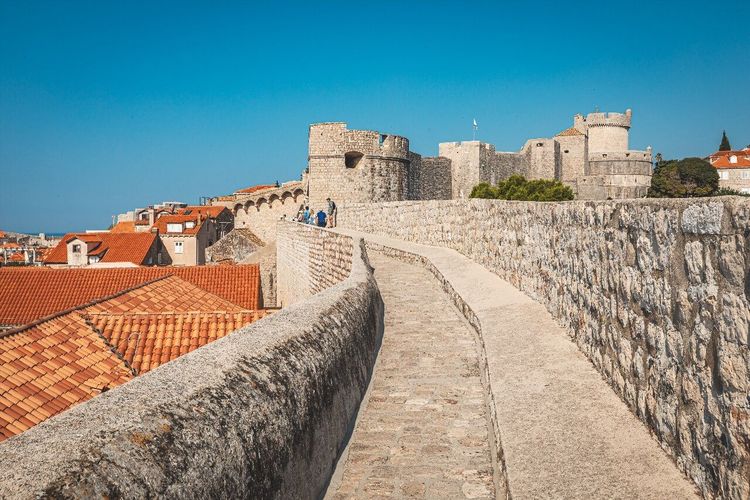
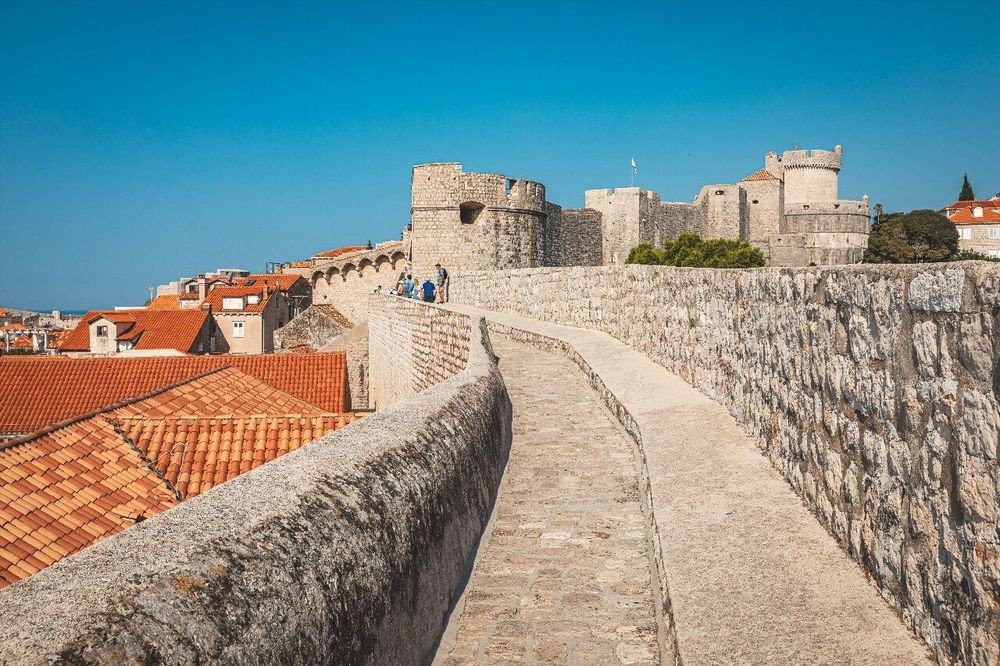
Dubrovnik alone concentrates several of the most emblematic beaches of the southern Dalmatian coast, with an advantage no other city can claim: the view of medieval ramparts from the water.
Banje Beach (Frana Supila 10, 20000 Dubrovnik, rated 4/5 on Google for 4,736 reviews) is a 10-minute walk from Ploče Gate. The fine pebble beach offers a frontal view of the walls in late afternoon, when golden light reflects in the sea. The public part is free; the private part offers deck chairs (15 to 25 EUR) with drink service. In high season, the club organizes DJ evenings from 9pm, the atmosphere shifts radically after sunset. Several renters offer kayaks and paddleboards by half-day: the view of the fortified city from water is striking.
Sveti Jakov is the locals' favorite. Accessible by a 200-step staircase from the coastal road above, or by taxi-boat from the old port, it escapes tour buses. The fine pebble beach is smaller than Banje, the water equally clean, attendance half as much. The view plunges onto nearby Lokrum island and the Elaphiti islands on the horizon.
Sunj, on Lopud island 30 minutes by ferry from Dubrovnik, is one of the rare fine sand beaches of the Dalmatian islands. It's on the other side of the island from the pier, accessible in 20 minutes on foot or by golf cart, cars are banned on Lopud. The beach is arc-shaped, shallow, sandy bottom. Restaurants and beach bars operate in season. The excursion from Dubrovnik is a pleasant way to escape the old town bustle.
The Dubrovnik audio-guided tour, The Pearl of the Adriatic offers 18 commented stages through ramparts, alleys and viewpoints of the city, one hour walk, a good way to split a day between beach and city.
Ninska Laguna, the Warm Waters of Nin
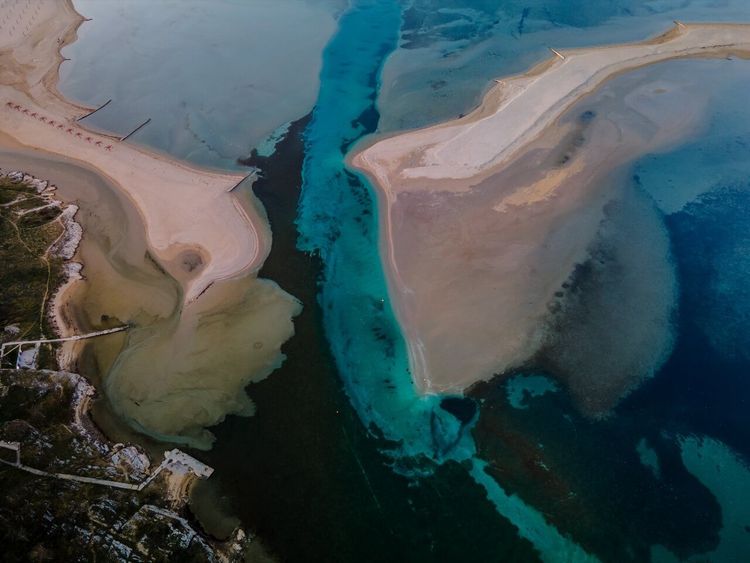
Ninska Laguna (Nin, 23232 Nin, rated 4.4/5 on Google for 1,804 reviews), at Nin, is the pleasant anomaly of this Croatia beaches selection. The shallow lagoon with exceptionally warm waters, 28 to 32°C in summer, is bordered by very fine sand and gray clay with therapeutic virtues renowned since Antiquity. The absence of waves and gradual depth make it one of the only Dalmatian beaches suitable for toddlers and beginning swimmers.
Nin is a small medieval town 15 km north of Zadar, accessible by bus or car. Gray clay is applied as poultice by many bathers, a practice locally documented for centuries. Water warms early in season (from May) and stays warm until October. It's one of the least mentioned beaches in general guides, yet one of the most appreciated by families who return each year.
Pebbles or Sand: How to Choose
In Croatia beaches and coves are mostly pebbles or polished limestone rock, and that's not a flaw. Pebbles keep water clear (no algae linked to sand stirring), dry quickly, and don't get embedded in belongings. Plan light swimming shoes to enter water comfortably.
Sandy beaches remain rare: Sunj (Lopud), Rajska Plaža (Lopar, Rab island), Ninska Laguna (Nin) and Sakarun (Dugi Otok) are the most accessible. If sand is a non-negotiable condition for your stay, these four addresses must be in your itinerary.
Rocky coves, Cap Kamenjak, Pakleni, Lubenice cliffs, offer a third type of experience: no beach properly speaking, but limestone slabs heated by sun, natural pools of clear water and solitude that large beaches can no longer guarantee in July.
Practical: Access, Period, Advice
When to Go?
To enjoy Croatia beaches included, June and September are ideal months: warm water (22 to 26°C), guaranteed sunshine, and attendance significantly lower than July-August. July and August are absolute high season, Zlatni Rat and Banje Beach can exceed 8,000 visitors per day. May is possible if you accept water at 18-20°C.
Getting Between Islands
To connect Croatia island beaches included, Split is the main hub for Dalmatian ferries. From Split, you reach Brač, Hvar, Vis, Šolta, Korčula. Zadar serves Dugi Otok, Rab and Pag. Dubrovnik provides access to Lopud and the Elaphiti islands. Book ferry tickets in advance in high season, cars and seats on popular lines fill quickly.
Budget
Swimming is free on almost all Croatian beaches. The only recurring costs: parasol and deck chair rental (10 to 25 EUR depending on site), entrance fees for natural reserves like Kamenjak (about 7 to 10 EUR/vehicle), and ferry tickets. Taxi-boats between Hvar coves cost 5 to 15 EUR per trip.
Essential Equipment
For Croatia beaches, plan light swimming shoes (pebbles), high protection sunscreen, sufficient water for coves without infrastructure (Stiniva, Lubenice, Nugal), mask and snorkel if you want to explore depths. Snorkel gear makes a difference in almost all sites in this article.
If Trogir is in your itinerary during your passage from Split, the Trogir audio walking tour, The Museum Town allows touring the UNESCO-listed medieval center with audio commentary, before hitting the road to southern beaches.
FAQ
What Is the Most Beautiful Beach in Croatia?
Among all the beaches in Croatia, Zlatni Rat, on the island of Brač, is the most famous, and regularly features in European rankings. Its white pebble tip that moves according to currents is a unique geological phenomenon in the Mediterranean. But the answer depends on what you're looking for: Stiniva (island of Vis) for the drama of an enclosed cove, Sakarun (Dugi Otok) for turquoise waters and white sand, Lubenice (Cres) for rewarded effort and solitude, Punta Rata (Brela) for the balance between accessibility and beauty.
Are There Sandy Beaches in Croatia?
Yes, but they are in the minority. The most accessible: Sunj on Lopud island (30 minutes by ferry from Dubrovnik), Rajska Plaža at Lopar on the island of Rab, Ninska Laguna in Nin (15 km north of Zadar) and Sakarun on Dugi Otok. In Croatia beaches of white pebbles and limestone rocks dominate, which maintains remarkably clear water.
Which Beach Is Most Suitable for Families with Young Children?
Ninska Laguna (Nin) is ideal for very young children: warm waters, gradual depth, no waves, fine sand. Sakarun (Dugi Otok) and Rajska Plaža (Lopar, island of Rab) are also excellent for families. Zlatni Rat is also suitable thanks to its shallow depth over a long distance, provided you arrive early to avoid crowds.
Are Croatian Beaches Accessible Without a Car?
Yes, most island beaches can be reached by ferry then on foot or by bike. Zlatni Rat (Brač), Stiniva (Vis), Dubovica (Hvar) and Sunj (Lopud) don't require a car. On the mainland, Punta Rata (Brela) and Banje Beach (Dubrovnik) are accessible by bus from Split and Dubrovnik. A car becomes useful for exploring Cap Kamenjak or the isolated coves of Pag.
What Period Is Best to Avoid Crowds?
June (from the 10th) and September are ideal months: sea at 23-25°C, guaranteed sunshine, and attendance two to three times lower than July-August. In September, some coves like Stiniva or Lubenice almost regain their off-season tranquility. October is still possible for those who accept cooler water and less frequent ferry crossings.
Are Croatia's Beaches Paid?
In Croatia beaches and coves are in their vast majority free and openly accessible. Paid areas with deck chairs and parasols exist at Banje Beach in Dubrovnik and on club beaches at Zrće (island of Pag). Entry to Cap Kamenjak involves an entrance fee per vehicle (about 7 to 10 EUR in high season), but swimming is free. Wild coves like Stiniva, Nugal or Lubenice are entirely free.
Should You Book Ferries in Advance?
Yes, absolutely if you travel with a car in July-August on main lines (Split-Brač, Split-Hvar, Zadar-Dugi Otok). Places for passengers without vehicles are rarely sold out, but the first morning crossings fill up quickly. Jadrolinija company publishes its schedules and allows online booking several months in advance.
Conclusion
On the Croatia side beaches with rare sand, enclosed coves, pebble spits and warm lagoons compose a coastline more diverse than one thinks from the mainland. Between Stiniva's geological cove and Ninska Laguna's warm waters, between Lubenice cliffs and Zrće evenings, there's enough to build several trips without ever repeating. The beaches of northern Istria, those of central Dalmatia around Split and Makarska, then the addresses of Dubrovnik's archipelago in the south, each area has its logic, its ferries, its local customs.
If Dubrovnik is in your itinerary, the Ryo audio guide, The Pearl of the Adriatic is the most efficient way to discover the old town in one hour: 18 commented stages, at your pace, before heading to the beach.