© Shutterstock
 Votre guide Ryo
Quito with Kids: A Family Guide to Ecuador's High-Altitude Capital (2026)
Looking for the best things to do in Quito with kids? Ecuador's capital packs a volcano cable car, an equator line you can straddle, a hands-on science museum in an old textile factory, church towers topped with iguana gargoyles and a city park with paddle boats into one surprisingly compact trip. This guide ranks fourteen family experiences, from Old Town plazas to day trips to Otavalo and the Mashpi cloud forest, with current fares and opening days, realistic timings for small legs, and the altitude, weather and safety advice parents actually need. You'll also find where to stay, where to eat when jet lag wins, and which outings suit toddlers versus teenagers. To ease into the Old Town on day one, the Ryo audio-guided tour of Quito threads the main plazas into a single narrated walk you can follow at a stroller's pace.
Why Visit Quito with Kids
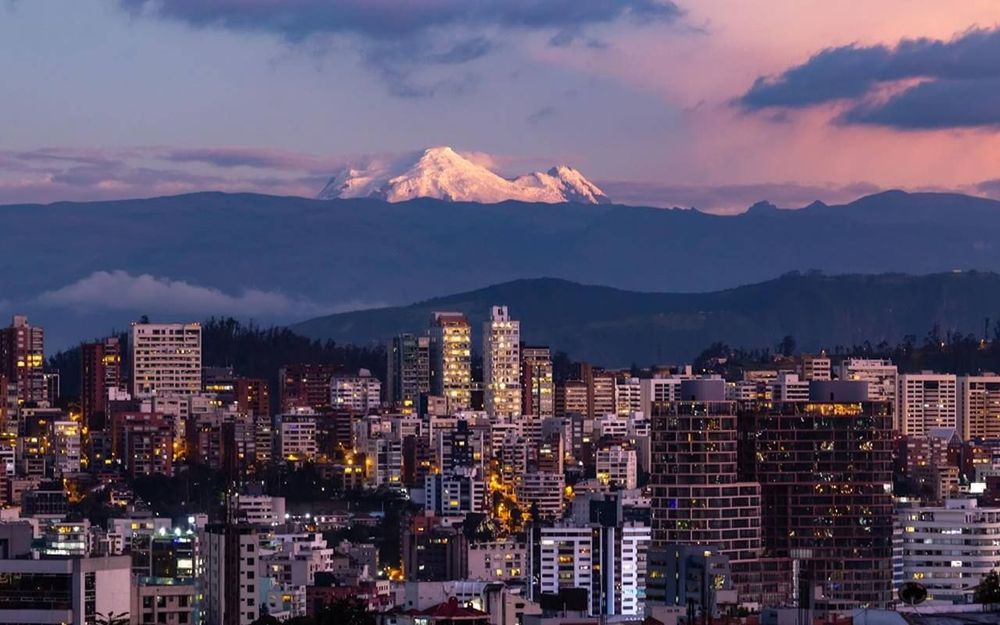
Quito sits at 9,350 feet, wedged into a valley between two rows of Andean volcanoes, and the first thing you'll notice with children in tow isn't the altitude, it's how compact and walkable the historic core actually is. Things to do in Quito with kids range from swinging over a colonial rooftop skyline in a cable car to standing with one foot in each hemisphere near the equator. UNESCO inscribed Quito's Old Town as a World Heritage Site in 1978, one of the first two cities ever listed alongside Kraków, and its cobbled plazas, gilded churches and pedestrian streets survive largely intact, so young kids can run through squares that seventeenth-century preachers stood in too. Add a science museum built for grubby hands, a city park with paddle boats, and cloud forest lodges a few hours out, and Quito turns into the kind of destination where a nine-year-old and a jet-lagged parent can both find a reason to say yes.
1. Ride the TelefériQo Cable Car up Pichincha Volcano
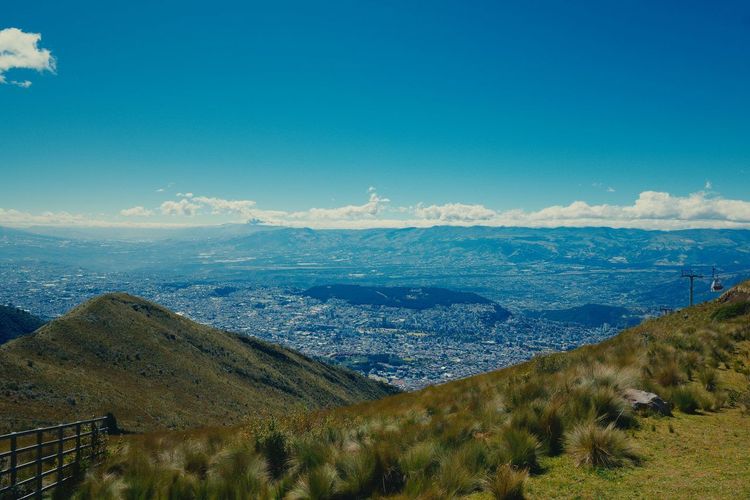
The TelefériQo) hauls you from the western edge of Quito up the flank of Pichincha Volcano in about ten minutes, gaining roughly 3,000 feet of elevation without a single step. Kids tend to treat the ride itself as the main event: gondola cabins swing gently over eucalyptus forest before the trees thin out and the whole city unrolls below, a grid of red rooftops pinned between two volcanic ridges. On a clear morning you can pick out Cotopaxi's snow cap on the southern horizon, usually the moment even bored teenagers put their phones down. Tickets cost $9 for adults and $7 for under-18s (children ride from 18 months), and the cable car runs daily: 10am to 7pm Monday to Thursday, 8am to 7pm Friday to Sunday, with the last ticket sold at 5:30pm. Storms occasionally suspend service, so check the official channels the morning you go.
Riding the gondola to Cruz Loma
The lower station sits on the slopes above Av. Occidental, a fifteen-minute taxi from most Old Town hotels, and lines rarely stretch past twenty minutes outside weekends and holidays. Cabins depart continuously rather than on a schedule, so there's no ticket time to plan around. The one thing worth telling kids beforehand: the base station already sits just above 3,000 meters, and Cruz Loma at the top reaches about 3,945 meters (12,943 feet), higher than most European ski resorts. That jump can bring on mild headaches or breathlessness in children who were fine at street level that morning, so plan the ride for a day after you've spent one or two nights acclimatizing in the city rather than straight off the plane. Bring a jacket even if Quito felt warm at lunchtime; wind at the summit runs a good 15 degrees Fahrenheit colder. Your child will probably want to press their face against the glass the whole way up, and that's fine.
Vulqano Park at the base and the viewpoints at Cruz Loma
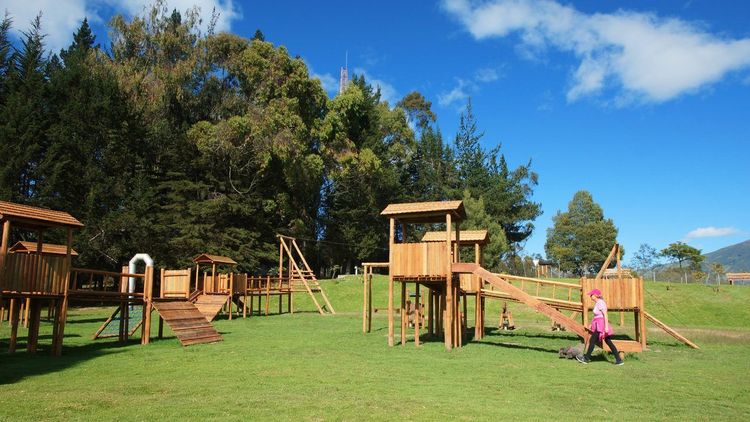
Right at the foot of the cable car, Vulqano Park (often spelled Vulcano Park (Cruz Loma, Quito, Ecuador, rated 4.2/5 on Google (11 716 avis))) is a small amusement park with fairground rides and games, run separately from the TelefériQo. Be aware that parts of it have looked run-down in recent years, so treat it as a bonus if your kids spot a ride they like rather than a reason to make the trip. The real payoff is at the top: wooden viewpoints over the city, a café serving hot chocolate and canelazo, horse rentals, and short trails that continue up toward Rucu Pichincha for older kids and fitter parents. You can stay twenty minutes or two hours, which keeps the outing flexible if energy runs out. If you want the story behind the view, the Lost in the Andes audio route narrates Pichincha's eruption history and the shift in vegetation you pass on the way up, so kids can listen through headphones during the gondola climb and you get the geology explained without reading a plaque at altitude.
2. Explore Old Town Quito's Plazas and Churches
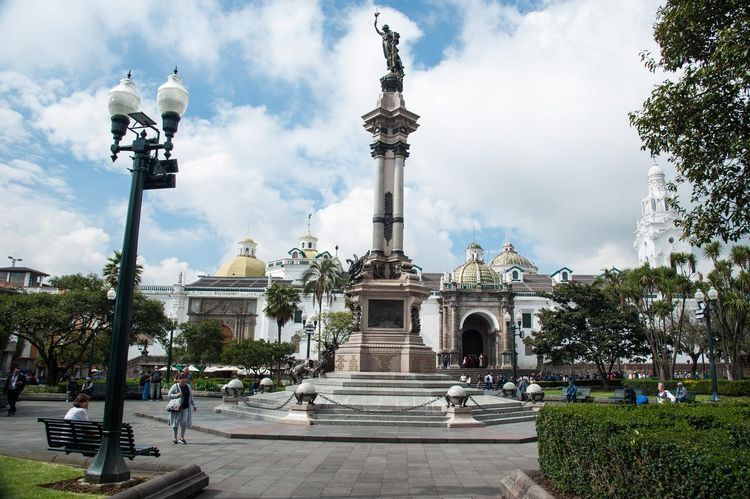
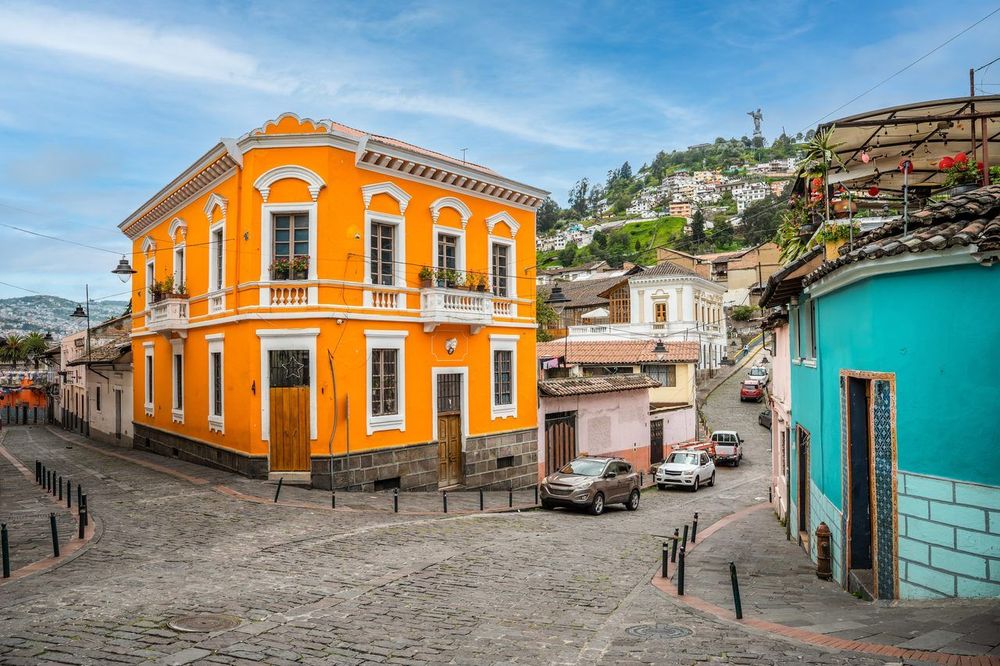
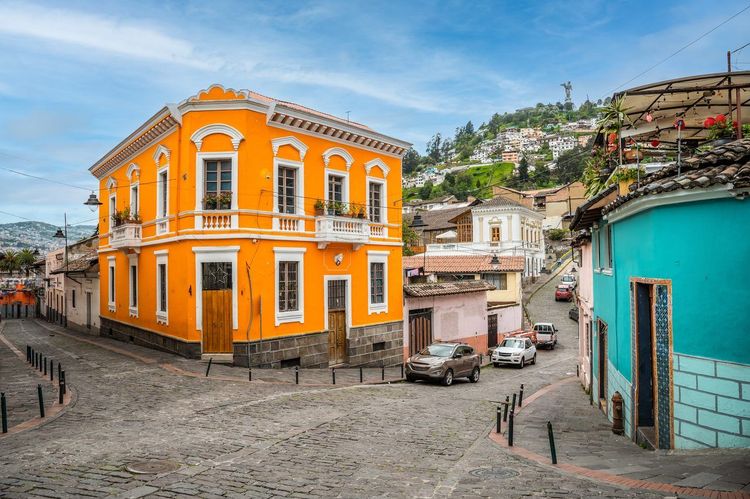
Quito's Old Town earned its 1978 UNESCO listing for staying almost entirely intact rather than for any single monument, and that matters for families: you can wander for two or three hours without planning around one specific site's opening times. The plazas, arcades and church facades are the attraction, and they're free to look at even when the doors are shut. Traffic is restricted in parts of the core, sidewalks are wide by South American standards, and most of what's worth seeing sits within a fifteen-minute walk of Plaza Grande, which makes this the easiest half-day on the list to pull off with a stroller.
Plaza de la Independencia, the Compañía de Jesús and San Francisco
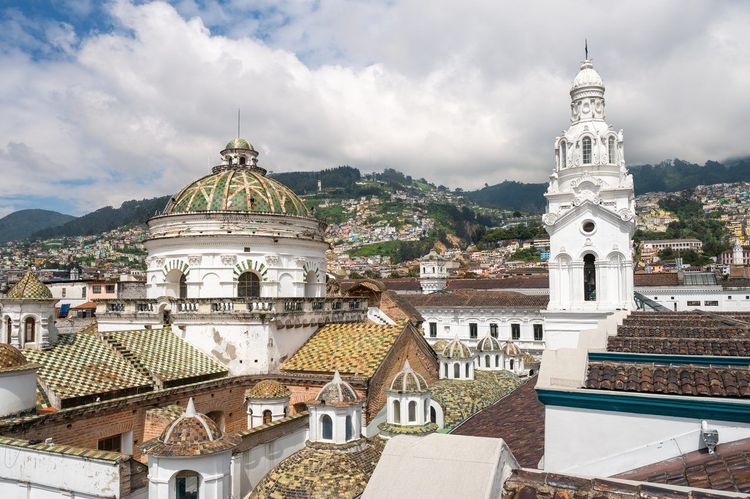
Plaza de la Independencia), known locally as Plaza Grande, anchors the neighborhood: the presidential palace (Palacio de Carondelet) takes up one side, the cathedral another, and pigeons outnumber tourists most weekday mornings, which kids generally rate as the highlight regardless of the architecture. A changing of the guard happens on Mondays at 11am outside the palace, brass band included, worth timing a visit around if your children love loud music and stomping boots.
A block away, the Iglesia de la Compañía de Jesús) hides one of the most gilded interiors in the Americas behind its carved stone facade, with roughly 52 kilos of gold leaf covering the altar, ceiling and columns. Photography isn't allowed inside, which briefly disappoints kids used to snapping everything, but the ban tends to make them actually look. Entry costs a few dollars and fifteen minutes is enough, short enough that a bored eight-year-old rarely has time to melt down.
Two blocks west, the vast cobbled square in front of the Church of San Francisco is where kids can finally run. Begun in the 1530s just after the Spanish founding of the city, it's one of the oldest churches in the Americas, and the plaza outside, backed by Pichincha's green slopes, gives children room to chase pigeons while you take in the whitewashed twin towers.
Basílica del Voto Nacional and the Virgin of El Panecillo
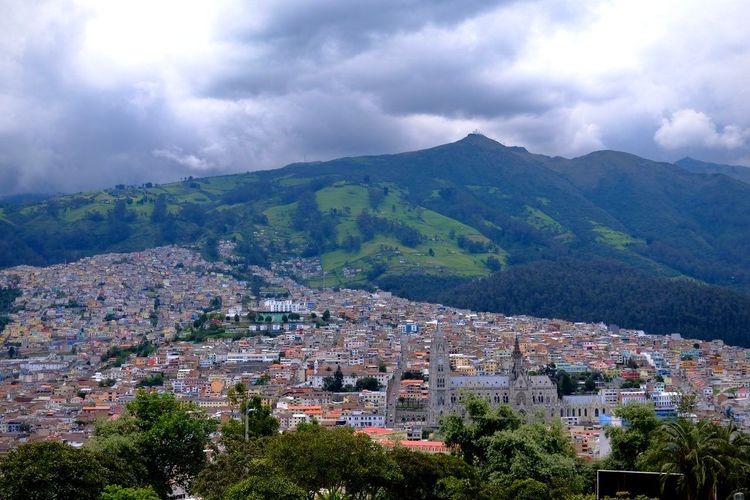
Ten minutes north, the neo-Gothic Basílica del Voto Nacional) is the one Old Town stop kids actively campaign for once they learn what's inside: you can climb the towers via narrow wooden ladders and steel walkways, then look out at gargoyles carved as Galápagos iguanas, armadillos and tortoises rather than the usual European demons. The climb is a little hair-raising in spots and not recommended for kids under about six or anyone nervous about heights, but for a ten-year-old it's often the most talked-about hour of the whole trip.
On the opposite side of downtown, the 135-foot aluminum Virgin of El Panecillo (Quito 170130, Ecuador, rated 4.7/5 on Google (19 985 avis)) stands on the hill her name comes from (Panecillo means « little bread loaf », a nod to the hill's shape), made in Spain from roughly 7,400 individual pieces before being assembled in Quito. The viewpoint around its base gives the clearest panorama of the Old Town's rooftops, though taxis rather than walking are the safer way up and down, even during the day.
An evening stroll down Calle La Ronda
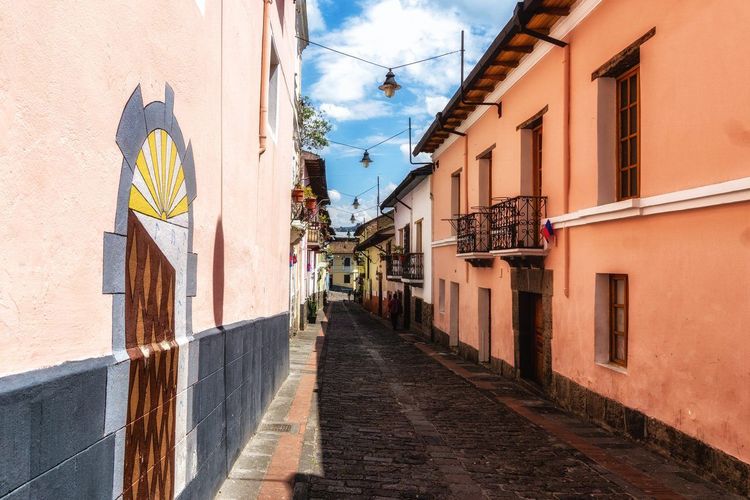
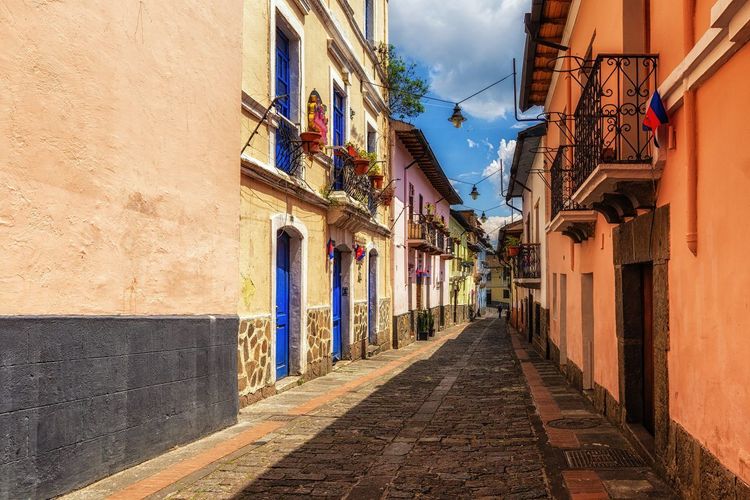
By late afternoon, head to Calle La Ronda), a cobbled pedestrian street lined with colonial houses converted into candy workshops, ceramic studios and small restaurants. Vendors sell canelazo (a hot cinnamon-and-sugarcane drink; ask for the alcohol to be left out for kids) and roasted plantains, and several artisan shops let kids watch sweets or chocolate being made by hand. It's compact enough to cover in thirty minutes or stretch into a dinner stop, and it feels more relaxed after dark than the rest of downtown, since it's pedestrian-only and well lit. If you'd rather not play tour guide yourself, the Ryo audio guide strings these plazas, churches and legends into roughly two hours of narrated walking, with stories pitched to keep kids listening between stops.
3. Get Hands-On at the Museo Interactivo de Ciencia (MIC)
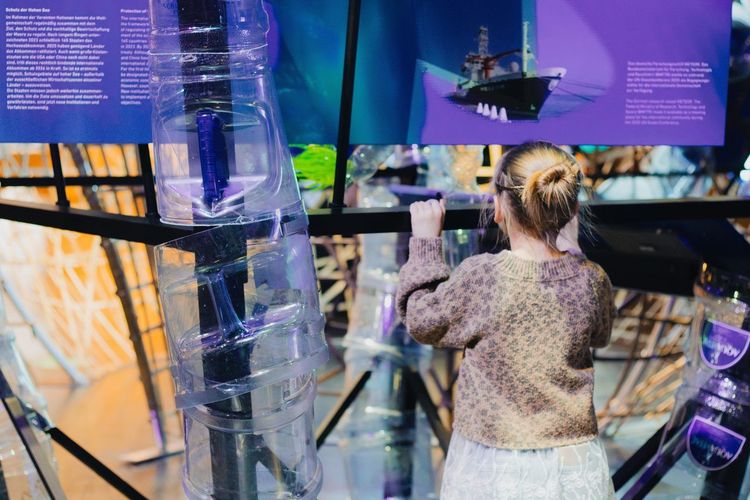
After a morning of churches, the Museo Interactivo de Ciencia (MIC) (Sincholagua y Av. Maldonado, Chimbacalle, Quito, Ecuador, rated 4.6/5 on Google (2 821 avis)) is where kids get to touch things instead of just looking at them, and it's usually the point in a Quito itinerary where energy levels visibly recover. It occupies the former La Industrial cotton mill, which ran from 1935 to 1999 in the working-class Chimbacalle neighborhood south of the Old Town, and the rooms are built around physics, biology, perception and mechanics, mostly hands-on exhibits rather than glass cases. A site museum keeps around a hundred of the factory's old looms on display, a surprisingly big hit with kids who've never seen how fabric is made.
Signage runs in Spanish, so non-Spanish-speaking families will lean on the physical exhibits more than the text, which suits younger kids fine since most stations explain themselves through trial and error. Staff on the floor tend to step in and demonstrate if they notice a child stuck on something, even without much shared language. Entry costs a couple of dollars, among the cheapest paid attractions on this whole list, and the historic Chimbacalle train station sits a few minutes away if you have a railway fan in the family.
Budget ninety minutes to two hours, longer if you have a curious eight-to-twelve-year-old who wants to repeat every experiment twice. The MIC is closed Mondays and Tuesdays, opening Wednesday to Friday from 8am (last entry 3pm) and weekends from 9am (last entry 4pm), and weekday mornings can fill with school groups, so weekends are often calmer. Strollers roll easily through most rooms, useful if you're timing this around a toddler's nap rather than an older kid's curiosity.
4. Play at Parque La Carolina and the Jardín Botánico Quito
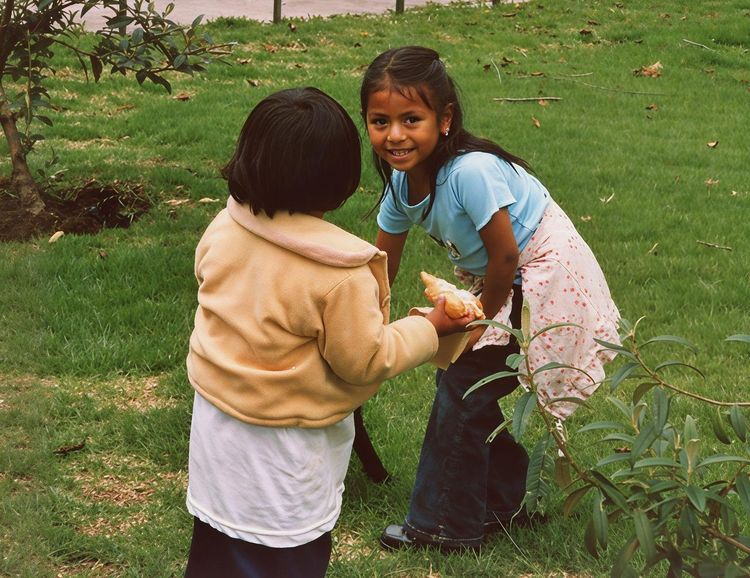
Parque La Carolina) is Quito's answer to Central Park, about 165 acres of green space wedged between the New Town's office towers, and on weekends it fills with local families in a way that instantly makes a visiting kid feel less out of place. Bike paths ring the perimeter, a small lake takes paddle boats, and playgrounds are scattered around the grounds, so there's rarely a reason to plan much beyond « go and see what your kids gravitate toward ». It's also close to several of the New Town hotels covered further down this guide.
Playgrounds, paddle boats and cycling at La Carolina
Paddle boats rent by the half hour from a dock on the lake, usually a few dollars, and they're one of the few things to do in Quito with kids where a five-year-old and a fourteen-year-old both want in. On Sundays, several main avenues close to cars for the Ciclopaseo, the city's open-streets ride, and bike rentals appear near the park. There's also a skate park and enough open lawn for a ball or a kite, which matters more than any single attraction once kids have been museum-and-church-hopping for a few days straight.
Weekday mornings are noticeably quieter than weekends, so if your child needs space to run rather than crowds to navigate, aim for midweek. Public restrooms near the lake are basic but functional, and food carts sell empanadas and fresh juice along most paths.
Greenhouses and butterfly garden at the Jardín Botánico
Tucked inside the park, the Jardín Botánico Quito (Parque La Carolina, Quito, Ecuador, rated 4.7/5 on Google (8 999 avis)) organizes its collection by Ecuador's altitude zones rather than by plant family, so a single walk takes you from cloud-forest orchids to páramo grasses in under an hour, an efficient geography lesson for kids who'll notice the temperature and humidity change between greenhouses. The orchid and carnivorous-plant houses usually win over a reluctant five-year-old who declared plants boring in the car, and the bonsai collection fascinates kids the way miniature things generally do.
Entry is charged separately from the park, a few dollars per adult with reduced rates for children, and the whole visit fits comfortably into an hour. Pair it with the playground and the paddle boats and you have an easy half-day that asks almost nothing of tired parents, with toilets, snacks and shade all within a few minutes' walk.
5. Stand on the Equator at Mitad del Mundo and the Intiñan Museum
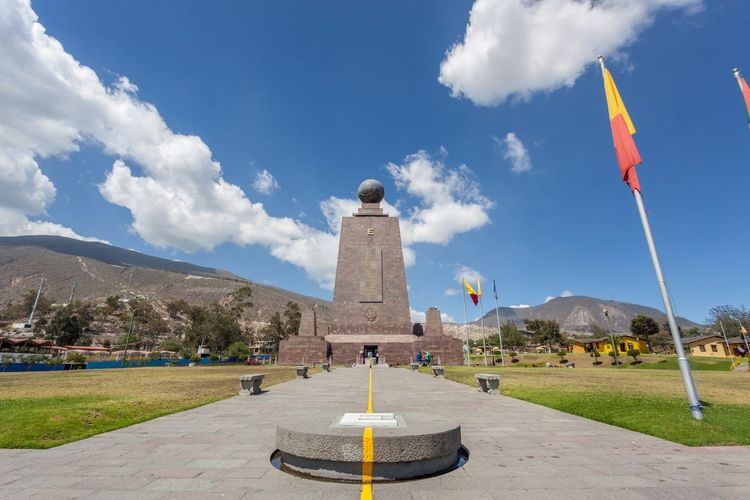
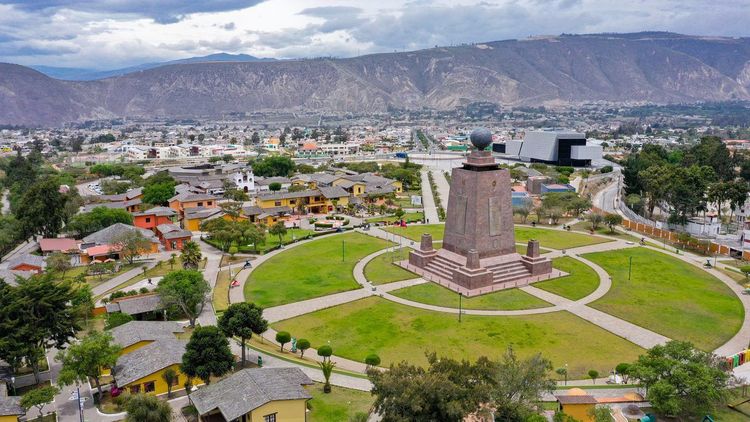
About 45 minutes north of downtown, a 30-meter monument marks latitude 0°, and Mitad del Mundo) (Spanish for Middle of the World) turns the abstraction of the equator into something kids can actually stand on: a painted yellow stripe runs through the plaza, and the whole complex is built around the idea of stepping from the northern to the southern hemisphere in one stride. The monument houses a small ethnographic museum with a viewing platform, and the surrounding plaza has restaurants, craft stalls and a scale-model colonial village that keeps younger kids busy while older ones pose for the obligatory straddling-the-line photo.
Here's the twist that catches most first-time visitors off guard: GPS measurements later showed the monument sits about 240 meters off the true equator. The neighboring Intiñan Museum (Calle Manuel Córdova Galarza, San Antonio de Pichincha, Quito, Ecuador, rated 4.7/5 on Google (4 233 avis)), a short walk away, claims the GPS-verified line, and this is where the trip gets fun rather than just photogenic. Guides run a series of hands-on experiments: balancing a raw egg on the head of a nail, watching water drain in different directions a few steps apart, and testing whether you feel weaker holding out your arms on 0 degrees latitude. None of it holds up to strict scientific scrutiny, but the demonstrations are entertaining, staff clearly enjoy running them for kids, and the grounds also include reconstructed indigenous dwellings and shrunken heads behind glass, either the best or worst part of the day depending on how squeamish your kids are.
Both sites charge separate admission, a few dollars each, and most families budget two to three hours between them plus the drive. Combine it with lunch at one of the plaza's restaurants and you have a full half-day. The Ryo audio guide folds the egg-balancing story into its stop-by-stop narration, and because you download it before leaving, it keeps playing even when phone signal drops out this far from downtown.
6. Meet Ecuador's Wildlife and Stars at Quito's Family Museums
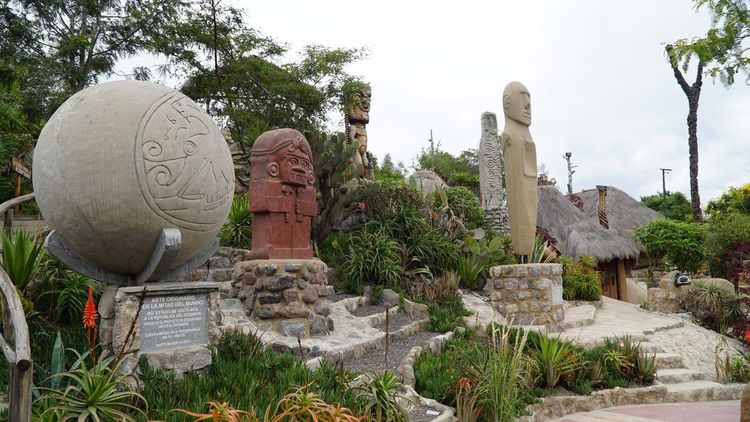
Rainy-day things to do in Quito with kids? Beyond the science museum and the churches, the city packs in three more museums that rarely top anyone's list but round out a family itinerary nicely on a rainy afternoon or a low-key day after an altitude-heavy morning. None needs more than an hour, and none draws the crowds of the equator monument or the cable car.
Museo Amazónico's Amazon rainforest exhibits
Run by Salesian missionaries, the Museo Amazónico) covers Ecuador's Amazon basin through taxidermied wildlife, indigenous artifacts and an unsettling shrunken-head display (a second one on this list, for kids keeping count), alongside animals such as jaguars, anacondas and macaws that preview what's out in the rainforest a short flight away. It's a useful stop if you won't make it to the Amazon on this trip but still want your kids to grasp that Ecuador is a country of four worlds, coast, Andes, Amazon and Galápagos. Labels are mostly in Spanish, entry costs a couple of dollars, and forty-five minutes covers it.
National Museum of Ecuador and the Astronomical Observatory
The National Museum of Ecuador) (MuNa), housed in the Casa de la Cultura Ecuatoriana, holds the country's largest collection of pre-Columbian gold and archaeological pieces, including Valdivia figurines up to around 5,000 years old, among the earliest human figures made anywhere in the Americas. Kids drawn to shiny things tend to move through the gold room slower than anywhere else on this list.
Over in Parque La Alameda, the Astronomical Observatory of Quito (Parque La Alameda, Quito, Ecuador, rated 4.4/5 on Google (2 514 avis)), founded in 1873 and among the oldest observatories in South America, opens for tours and, on select evenings, telescope sessions. Because Quito sits almost exactly on the equator, you can see constellations of both the northern and southern skies from here, a detail worth explaining to any kid who's ever asked why the stars look different on vacation.
7. Take in the View from Parque Itchimbía
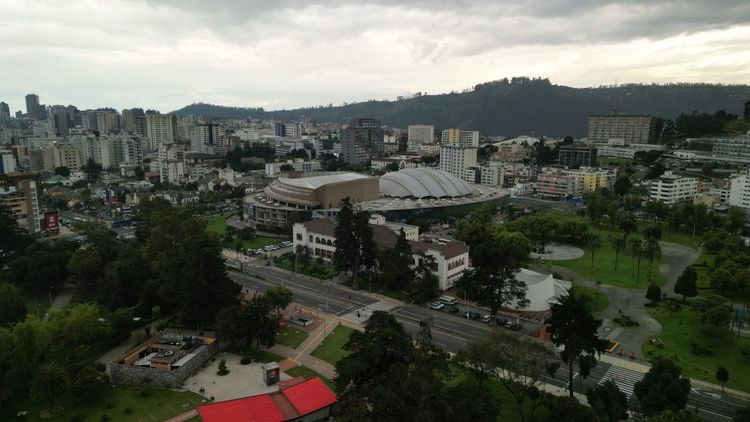
Perched on a hill just east of the Old Town, Parque Itchimbía (Antigua, Quito 170136, Ecuador, rated 4.6/5 on Google (9 356 avis)) trades museum crowds for open lawn and arguably the best free panorama of colonial Quito. Its centerpiece is the Itchimbía Cultural Center, a glass-and-iron « crystal palace » shipped from Europe in the late 1800s as a market hall and later reassembled on the hilltop, which now hosts rotating exhibitions and events.
Paths wind through grass and eucalyptus groves, with enough slope to make it interesting for kids who want to run rather than stroll. Unlike Parque La Carolina, Itchimbía rarely feels crowded even on weekends, a good choice if your kids need a real break from Quito's busier sights. Bring a picnic, take a taxi up rather than climbing the steep streets from the Old Town, and aim for late afternoon, when the light falls on the Basílica's towers below.
8. Browse the Markets: La Mariscal and Mercado Central
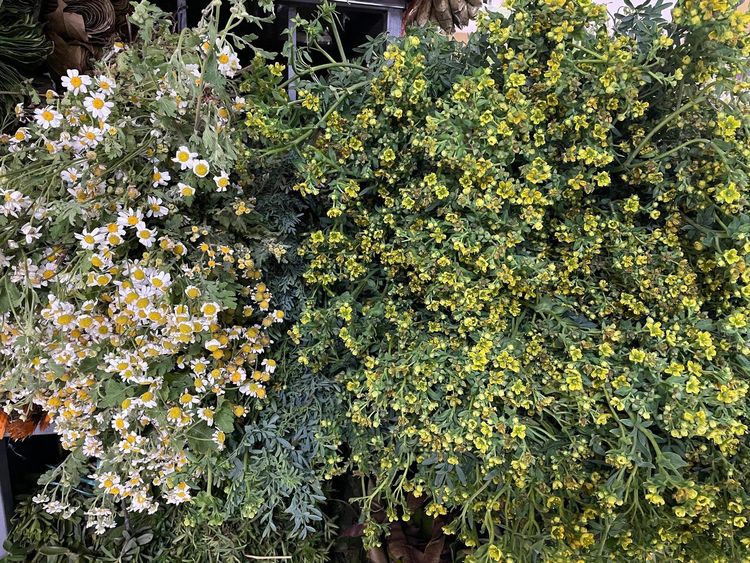
Among the cheapest things to do in Quito with kids, markets are where the city stops performing for tourists and just gets on with its day, and they're where kids find the souvenirs and snacks that stick in memory longer than another church interior. Two markets cover the range: one built for browsing and buying, the other for eating.
La Mariscal Artisan Market for crafts and souvenirs
In the New Town's Mariscal neighborhood, the La Mariscal Artisan Market) (also signposted as the Mariscal Craft Market) packs dozens of stalls selling alpaca sweaters, wall hangings, carved tagua-nut jewelry, leather goods and Panama hats (which, despite the name, originated in Ecuador) into a compact covered space. Prices aren't fixed, and light haggling is expected and good-natured, a small cultural lesson if you let kids negotiate their own souvenir. Vendors rarely push hard sells on kids picking through friendship bracelets or miniature pan flutes.
The surrounding Mariscal area, nicknamed Gringolandia for its hostels and bars, feels touristy by day but is best avoided after dark with young kids, once the nightlife picks up.
Mercado Central for local flavors and fresh juice
Downtown, closer to the Old Town, Mercado Central (Pichincha, Quito, Ecuador, rated 4.2/5 on Google (5 446 avis)) trades souvenirs for food: juice stands blend whatever fruit is in season (naranjilla and tree tomato are the two flavors kids most often ask for again), alongside stalls selling the hearty lunch plates locals actually eat, from locro de papa potato soup to fried fish with rice. It's louder and more chaotic than La Mariscal, thrilling for some kids and overwhelming for others, so gauge your children's tolerance for noise before committing to a full lunch rather than a quick juice stop.
Go hungry and go before noon, since the best stalls sell out of their signature dishes by early afternoon, and bring small bills.
9. Take a Day Trip to Otavalo Market and Hacienda Cusín
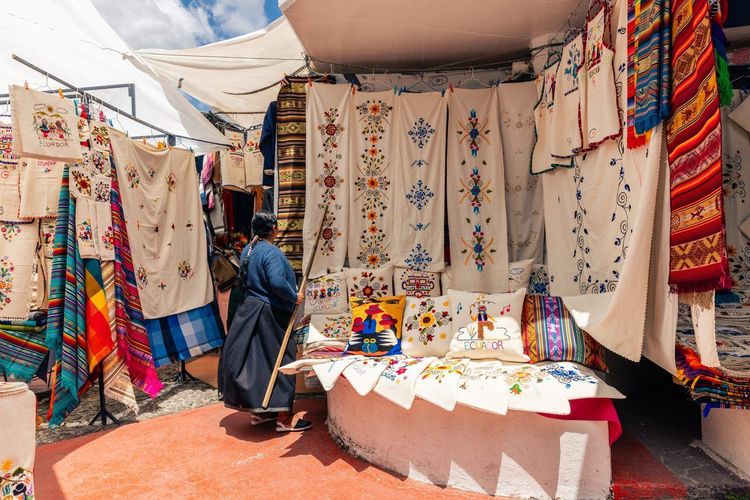
Two hours north of Quito by car, the town of Otavalo hosts one of South America's largest and best-known indigenous markets, and it's worth the drive even with young kids, especially if you build in a night at a hacienda rather than rushing back the same evening. Crater lakes and volcano views line the road, and they tend to hold kids' attention on their own.
Otavalo's Saturday market with kids
Smaller versions run daily, but the market swells to full size on Saturdays, when the Plaza de Ponchos and surrounding streets fill with stalls selling woven textiles, sweaters, hammocks, musical instruments and leather goods made by Kichwa Otavalo artisans. Kids tend to gravitate toward the animal market on the edge of town, held early Saturday morning, where farmers trade guinea pigs, sheep and the occasional llama, far more memorable for a seven-year-old than textile browsing.
Go early, ideally before 9am, to beat the tour buses and because the animal market wraps up by mid-morning. Haggling here is friendlier and less pressured than in the city, good practice if your kids want to try bargaining for the first time.
Hacienda Cusín: horses, gardens and a hacienda stay
A short drive from Otavalo, Hacienda Cusín (San Pablo del Lago, Otavalo, Ecuador, rated 4.5/5 on Google (538 avis)) occupies a restored 17th-century estate, with thick stone walls, courtyards and fireplaces built for the Andean chill. Family-friendly amenities include horseback riding through the surrounding farmland, mountain bikes and sprawling gardens that keep kids busy between meals. Rooms range from garden cottages to larger suites that sleep a family of four or five.
Staying one night rather than day-tripping turns Otavalo into a restful stretch of the trip instead of another long car ride, and it gives kids a taste of rural Andean life the city can't offer.
10. Spot Wildlife at Mashpi Lodge in the Cloud Forest
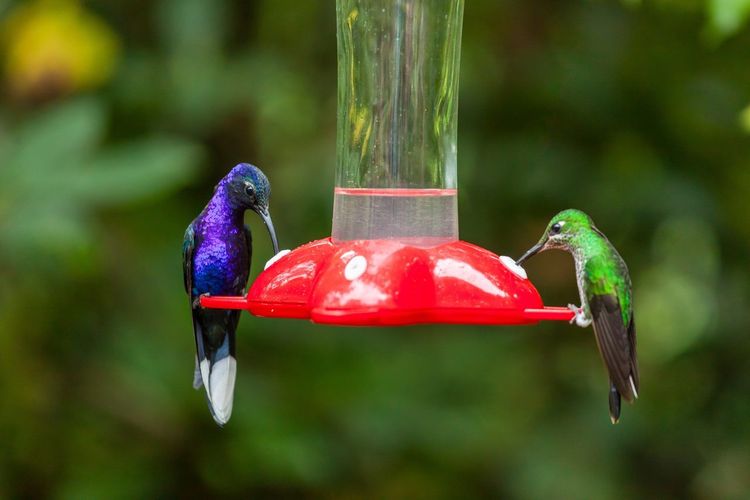
For families extending their Quito trip by a few days, Mashpi Lodge (Mashpi Reserve, Pacto, Ecuador, rated 4.8/5 on Google (739 avis)) sits roughly three hours northwest of the city in the Chocó cloud forest, one of the most biodiverse regions on the planet. The glass-walled lodge was designed to put wildlife within view of rooms and shared spaces, so even kids who tire quickly of hiking still get a steady stream of sightings.
Family activities: canopy walks and night walks
Mashpi's signature activity is the Dragonfly, an open gondola that glides over and through the forest canopy along a cable about 2 km (1.2 miles) long, a gentler alternative to a zipline that nervous kids usually handle fine. An observation tower rises above the canopy for those who want height without movement, and guided hikes are scaled to different ages, with naturalist guides who spot camouflaged frogs, hummingbirds and the occasional sloth that you'd walk straight past.
After dinner, guided night walks reveal glass frogs, walking sticks and nocturnal insects under flashlight beams, usually the activity kids talk about longest. Rubber boots and ponchos are provided, useful given how often the cloud forest lives up to its name.
Kid-friendly dining and wildlife spotting
Meals run in a dining room with big windows facing the forest, and the kitchen accommodates picky eaters without fuss, a relief after a week of unfamiliar food. Hummingbird feeders outside draw a rotating cast of species all day, and a running list of recent sightings, which kids enjoy checking each morning like a scoreboard, keeps the excitement going.
Rates run far higher than a typical Quito hotel and bundle meals and guided activities, so budget this as a splurge extension, best for families with at least three extra days outside the capital.
11. Café-Hop and Snack Your Way Through Quito
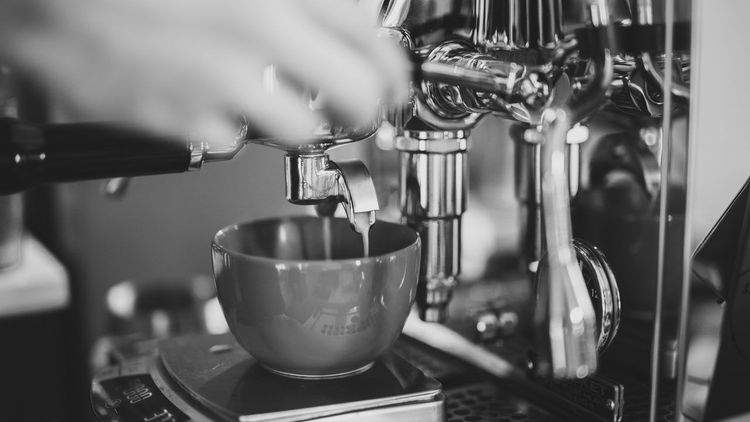
Between altitude, ambitious sightseeing and unfamiliar food, Quito trips run on coffee and hot chocolate, and the café scene in La Floresta and La Mariscal gives you an actual reason to sit down for twenty minutes while kids work through a pastry.
Nudo Street Art Café and La Floresta's cafés
In the arty La Floresta neighborhood, Nudo Street Art Café (La Floresta, Quito, Ecuador, rated 4.9/5 on Google (118 avis)) sits among some of Quito's most photographed murals, a good excuse to combine a coffee stop with a free open-air gallery walk that keeps restless kids moving. Nearby streets host several similar spots, most with outdoor seating, good hot chocolate and Ecuadorian treats like humitas and quimbolitos rather than the standard croissant.
Weekday mornings are quietest, before the co-working crowd fills the tables.
Easy, fast eats and family-friendly restaurants
For mornings when altitude and jet lag have caught up with everyone, Quito's malls, particularly Mall El Jardín and Quicentro, offer reliable food courts with familiar options alongside local chains. Bakeries (panaderías) on nearly every corner sell fresh bread and empanadas for under a dollar, a cheap, kid-approved way to start a walking day. For sit-down family meals, look for set lunches (almuerzos) of soup, a main and juice at a few dollars, served in most neighborhoods between noon and 3pm; they're fast, filling and a painless way to get kids trying Ecuadorian food. In the Old Town, the restaurants along Calle La Ronda and around Plaza San Francisco welcome families and often have high chairs.
12. Book a Family-Friendly Tour and Get Around Quito Easily
If you'd rather not drive Quito's steep, one-way streets, local operators run half- and full-day tours built around kids, typically combining the Old Town, the equator monument and the cable car, with shorter walking stretches and guides used to pacing a tour around a six-year-old's attention span. Private tours cost more than group ones but let you set your own pace, worth it if you have a toddler who needs unscheduled breaks or an older kid with a specific obsession (volcanoes, gold, shrunken heads).
Getting around independently is straightforward too. Taxis are cheap by North American or European standards, and ride-hailing apps work reliably, the safer, easier option over hailing cars on the street, especially with kids and luggage. One practical first stop on arrival: pick up a local SIM card at Mall El Jardín, where several carrier kiosks sit side by side and staff are used to setting up tourist phones. Working data from day one makes ride-hailing, translation and maps apps function properly, one less thing to troubleshoot mid-meltdown.
For the Old Town itself, walking remains the best way to move around; distances are short and sidewalks are wide. Our guide to the top activities in Quito adds a few more picks if you're planning a longer stay.
13. Where to Stay in Quito with Kids
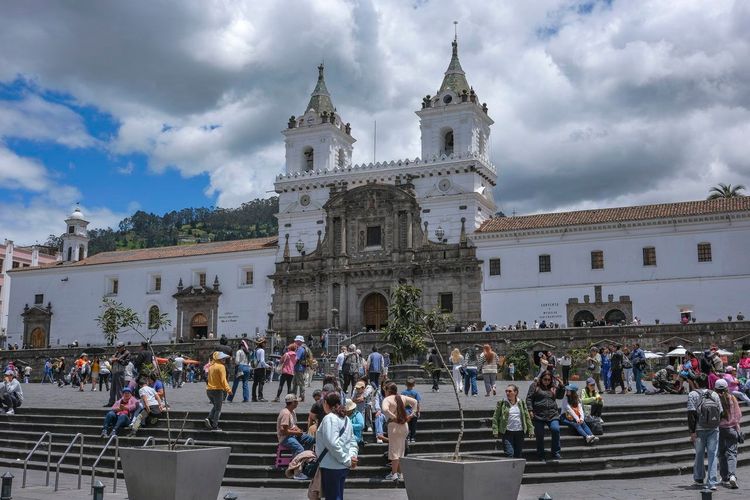
Where you base yourself matters more than in most cities, since the Old Town and New Town feel like different places to spend an evening with kids, one atmospheric and historic, the other practical and closer to parks, malls and the airport road. Most families choose based on how many Old Town sights are on the must-do list versus how much they value modern conveniences nearby.
Family-friendly hotels near La Mariscal and the New Town
The New Town, around La Mariscal and nearby González Suárez, clusters mid-range and business hotels with the amenities families actually use: elevators, reliable wifi, restaurants open past 9pm, and easy access to Parque La Carolina and the malls. Rooms tend to be larger than in the Old Town's converted colonial buildings, useful if you're traveling with a crib or need connecting rooms. It's also the more practical base for an early flight, since Mariscal Sucre airport lies about 40 to 60 minutes away depending on traffic.
Many properties offer family suites or two-bedroom configurations, worth requesting directly since listing sites don't always show them. Breakfast buffets here also lean toward familiar options (eggs, pancakes, fresh juice) that fussier eaters handle well.
Boutique stays in Old Town, from Casa Gangotena to smaller inns
If you want to wake up inside the UNESCO core, Old Town's boutique hotels occupy restored colonial and republican-era mansions, more atmospheric than New Town chains but often with narrower stairs and fewer elevators, worth checking if you're traveling with a stroller. The best known, Casa Gangotena (Bolívar Oe6-115, Quito 170401, Ecuador, rated 4.8/5 on Google (1 934 avis)), overlooks Plaza San Francisco from a restored early-20th-century mansion that was long the home of the Gangotena family, and its rooftop terrace offers one of the best sunset views over the Old Town and the volcanoes beyond. Its restaurant and afternoon tea, while aimed at adults, generally welcome well-behaved kids.
Smaller family-run inns in the same neighborhood offer similar colonial charm at a fraction of the price and are often more flexible about extra beds, so contact the property directly rather than relying on a listing site.
14. Quito Weather, Altitude Sickness and Safety Tips for Families
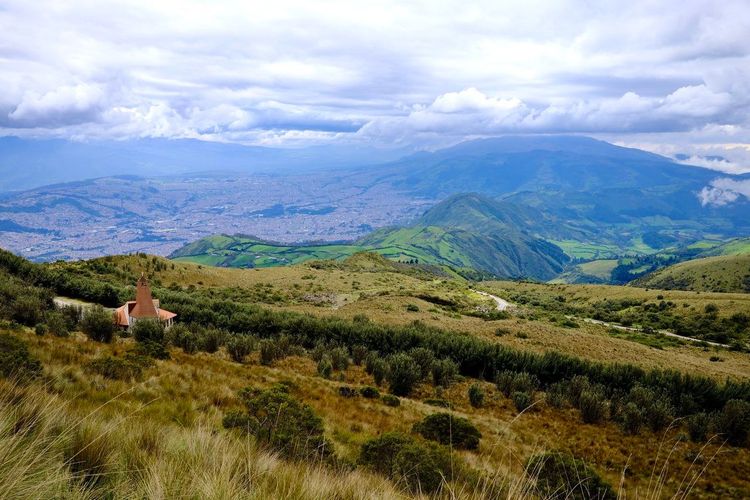
Quito's location, close to the equator but more than 9,000 feet up, produces a climate and a set of practical concerns that don't match typical tropical-destination planning, and getting these basics right matters more than any single attraction.
What to pack for Quito's climate
Thanks to the altitude, Quito stays springlike year-round: daytime highs typically sit in the 60s Fahrenheit whatever the season, with nights dropping into the 40s, especially in the drier months of June through September. Rain is possible any month, heaviest from October through May, and afternoon showers happen even in the dry season, so pack layers. A light rain jacket, a warm fleece for evenings and the cable car summit, and sunscreen despite the cool air (the equatorial sun at this altitude burns fast) cover most of what you need. Comfortable walking shoes matter more than anything stylish, given how much of this list happens on cobblestones.
Altitude sickness in kids: what to watch for
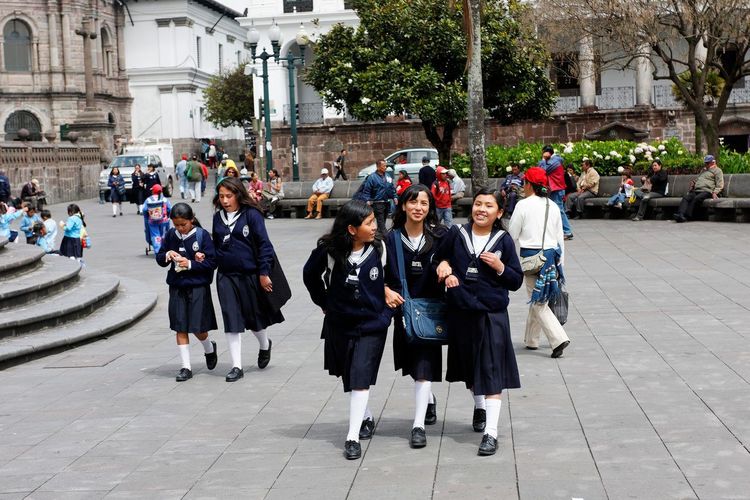
At 9,350 feet, mild altitude sickness (headache, fatigue, shortness of breath, occasional nausea) is common in the first 24 to 48 hours for visitors of any age, kids included, and it doesn't necessarily track with how fit a child normally is. Build in a quiet first day, skip the cable car and Mashpi on day one, keep everyone well hydrated, and go easy on heavy meals. In younger kids, symptoms sometimes show up as unusual crankiness or poor appetite rather than a clearly described headache. Most symptoms fade within a couple of days; severe symptoms (confusion, trouble breathing at rest, persistent vomiting) need medical attention, though this is rare.
Is Quito safe for families?
Quito is generally safe for families who take the precautions sensible in any large Latin American capital: stick to busy areas after dark, use ride-hailing apps rather than street taxis at night, keep valuables out of sight, and stay alert in crowded markets, where pickpocketing is the main risk. The Old Town and the main tourist areas of the New Town see heavy foot traffic and a visible police presence during the day, and most of the things to do in Quito with kids listed here sit in those zones. Tap water isn't generally recommended for drinking, so bottled or filtered water is the easier default, and street food is best introduced gradually rather than on day one.



FAQ
How many days do you need in Quito with kids?
Three full days covers the main things to do in Quito with kids: one for the Old Town and the cable car, one for the equator monument and a park or museum, and one flexible day for whatever the weather or your kids' energy allows. Add a fourth day if Otavalo is on the list, and budget two to three extra days if you're heading to Mashpi Lodge.
Is Quito safe for families with young children?
Yes, with the same common-sense precautions you'd take in any major Latin American city: stay in busy areas after dark, use ride-hailing apps rather than street taxis at night, and watch your belongings in crowded markets. The main tourist zones see heavy daytime foot traffic and visible police presence.
Does altitude sickness affect kids in Quito?
It can, though it's usually mild and short-lived: headaches, fatigue or a poor appetite in the first day or two as the body adjusts to 9,350 feet. A low-key first day, plenty of fluids, and holding off on the cable car or strenuous hikes until day two or three generally prevents the worst of it.
What is the best time of year to visit Quito with kids?
Quito's altitude keeps temperatures mild year-round, so the bigger variable is rain. June through September brings the driest, sunniest stretch and the clearest cable car and volcano views, the easiest season for a family trip. October through May sees more afternoon showers, though mornings are often clear enough for sightseeing.
Is Otavalo or Mitad del Mundo the better day trip with kids?
Mitad del Mundo wins for short attention spans or a single free morning: it's 30 to 45 minutes from downtown and pairs an easy photo-op with fun equator experiments at the neighboring Intiñan Museum. Otavalo suits families with more time and older kids interested in markets, animals and Andean scenery, but it's a full day (or better, an overnight).
What should I pack for Quito's weather with children?
Layers matter most: a light rain jacket, a warm fleece for chilly evenings and the cable car summit, comfortable closed shoes for cobblestones, and sunscreen despite the cool air. A reusable water bottle helps with the extra hydration altitude calls for.
Conclusion
Quito rewards families willing to slow down for the altitude and speed up for everything else: a cable car that turns a volcano into a morning outing, church towers with iguana gargoyles, an equator line you can straddle, and enough parks, markets and hands-on museums to fill a week without repeating an afternoon. Most of the best things to do in Quito with kids sit within a short taxi ride of each other, so budget one quiet first day, pack layers, and let the city do the rest.
If you're mapping out that first day, the Ryo audio-guided tour of Quito's Old Town is a good place to start: a narrated walk through the plazas and churches that does the historical explaining for you, leaving you free to watch your kids run across Plaza Grande instead of reading a guidebook over their heads.