






Créé par Emilie, le 4 oct. 2026
Votre guide Ryo
Quito, Ecuador
Lost in the Andes
Parcours audioguidé pour visiter Quito en 1 jour
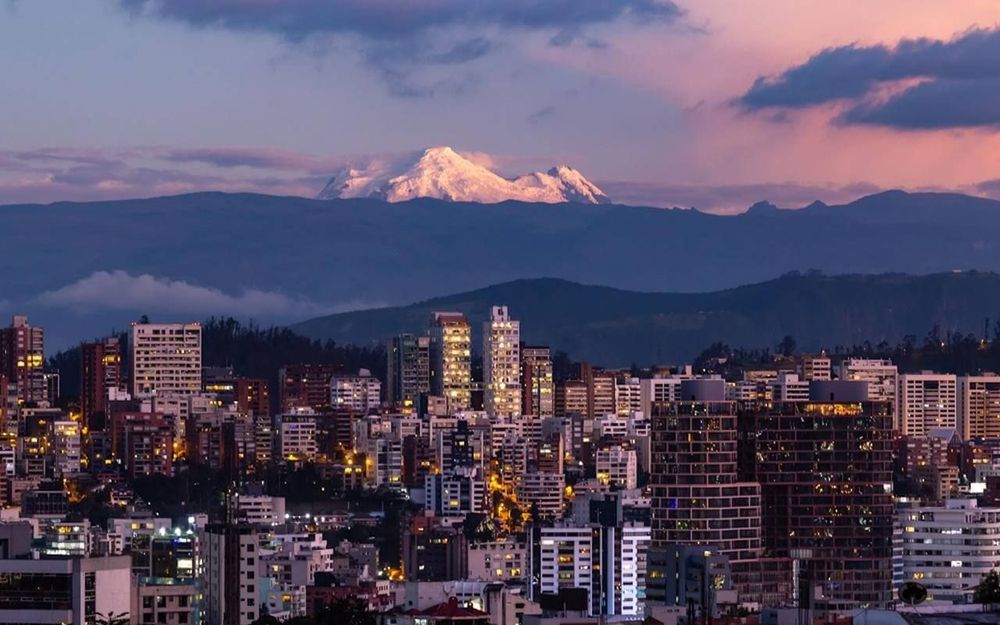
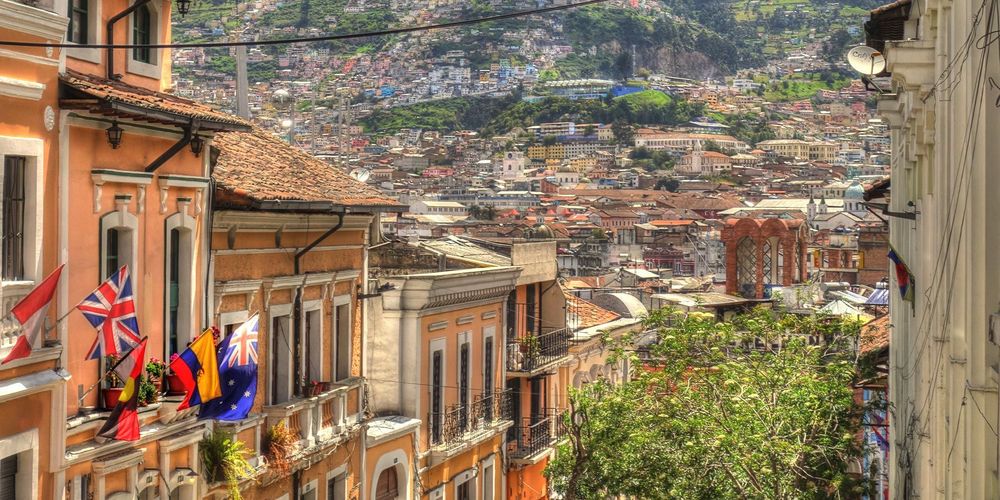
Perched at over 2,800 meters above sea level, Quito is home to one of the best-preserved historic centers in Latin America, listed as a UNESCO World Heritage Site. With its colonial architecture, Baroque art, and volcanic landscapes, the city blends heritage with spectacular natural surroundings.
Quand partir à Quito ?
Jan.
14°
15
Feb.
14°
16
March
14°
18
April
14°
20
May
14°
18
June
14°
10
July
14°
7
Aug.
15°
7
Sept.
15°
9
Oct.
15°
15
Nov.
15°
16
Dec.
14°
14
Quito, at an altitude of 2,850 meters, enjoys a temperate or subtropical mountain climate. So, while it’s on the Equator, it’s high up in the mountains. Temperatures are spring-like year-round, with a relatively short dry season from June to mid-September, and a rainy season the rest of the year. March is generally the wettest month. The ideal time to visit the country is during our summer, when you’ll find temperatures around 20°C and plenty of sunshine.
Départ conseillé
No need to worry about where to begin! Our tours are designed as a loop, so you can jump in wherever you are. The navigation system and audioguide will automatically adjust to your location. However, if you happen to be nearby, we do have a preferred starting point: Plaza de la Independencia
Parking à proximité
Dowtown Parking, rue Vicente Leon N7-41
It’s unlikely you’ll be driving in Ecuador. But for the few brave souls who do have a car, we recommend leaving it at your hotel if possible. Few accommodations have their own parking, but most hotels offer access to secure partner parking lots. Never leave valuables in your car!
À savoir
Contrary to what you might expect, Ecuador uses the US dollar (USD)! The country had its own currency until the year 2000—the sucre, named after General Sucre, the country’s liberator. But after the sucre collapsed, Ecuador adopted the US dollar to stabilize its economy. During your trip, you’ll mostly pay in cash. It’s best to use small bills, as large ones are often suspected of being counterfeit. You’ll also see sucre centavos still circulating alongside the dollar, with the same value to simplify small expenses. One sucre centavo equals one US cent. If you use your bank card, be aware that Ecuadorian banks charge a commission plus VAT when you withdraw cash. So, it’s ideal to bring your dollars from France to avoid poor exchange rates.
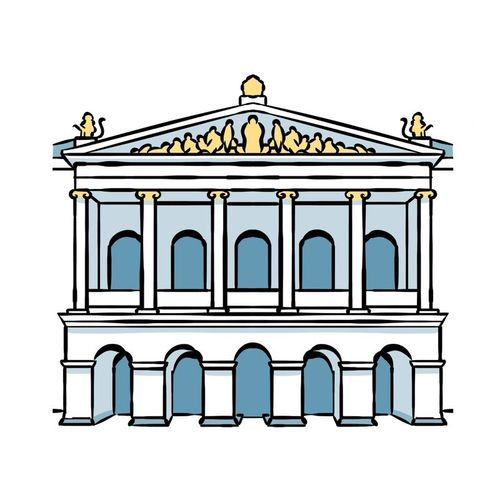
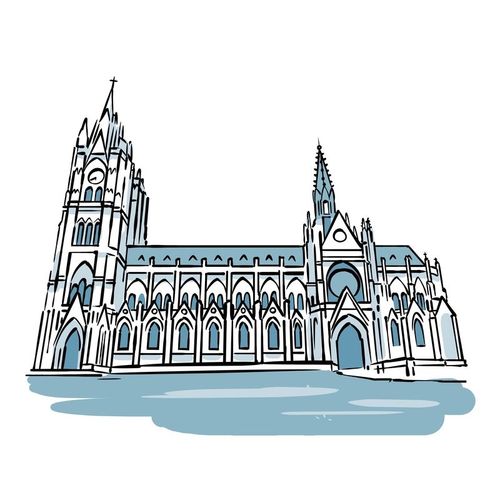
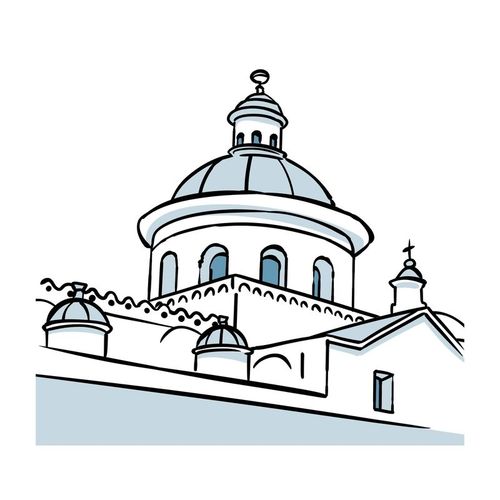
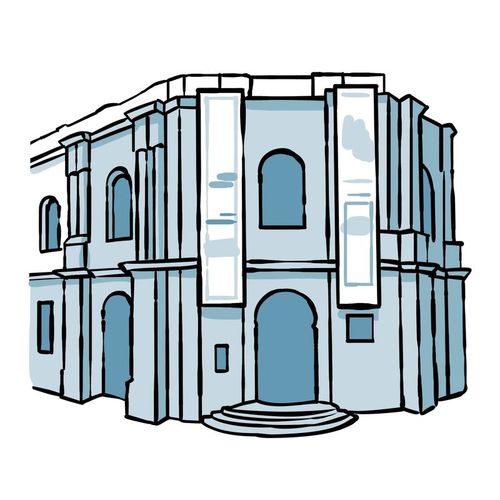
Découvrez 20 lieux d'intérêt pour visiter Quito



Le plein d'inspirations
Explorez le monde en totale liberté, à pied au cœur des villes ou au fil des routes. Nos guides audios transforment chaque destination en une découverte culturelle immersive et unique.
FAQ for visiting Quito
When is the best time to visit Quito?
The best time to visit Quito runs from June to mid-September, during the dry season. During these months, you'll enjoy sunny weather with pleasant temperatures around 20°C, ideal for exploring the city. The rest of the year corresponds to the rainy season, with March being the wettest month. Thanks to its altitude and its position on the equator, Quito enjoys a spring-like climate all year round, which makes the city pleasant even outside the dry season. Nevertheless, if you want to make the most of the panoramas over the surrounding volcanoes and the outdoor walks, opt for the European summer months.
How many days do you need to visit Quito?
To discover Quito properly, ideally plan on three to four days. Two days are enough to explore the essentials of the historic centre with its baroque churches, colonial squares and main museums. An extra day will let you visit the Mitad del Mundo or take the cable car to admire the city from above. With a fourth day, you can venture into the surroundings, such as the Pululahua crater or the artisan markets of Otavalo. This length of time also gives you the chance to acclimatise to the altitude and to stroll leisurely through the cobbled streets without rushing.
How do you get around Quito and which transport should you use?
Quito's historic centre is best explored on foot, as its narrow colonial streets are not always accessible by car. For longer journeys, the Ecovía bus system and the Trolebús are convenient and economical for crossing the city from north to south. Taxis are affordable and plentiful, but make sure they use the meter or negotiate the fare beforehand. Ride-hailing apps work well in Quito and offer a safe alternative. To reach sites such as the Mitad del Mundo or the cable car, you can opt for taxis or tourist buses. Avoid driving yourself in the city centre, as the traffic is heavy and parking complicated.
What are the absolute must-sees in Quito?
Quito's historic centre is full of wonders to discover. The Plaza Grande forms the colonial heart, with the cathedral and the presidential palace. The churches of La Compañía de Jesús and San Francisco dazzle with their gilded baroque architecture. El Panecillo offers an exceptional panoramic view over the entire city. Don't miss La Ronda street, authentic and lively in the evening. The Pichincha cable car takes you to over 4,000 metres for spectacular views. The Ryo audioguide accompanies you in discovering these treasures with commented routes that reveal the fascinating history of each place, anecdotes about the colonial era and the city's architectural secrets.
How do you cope with the 2,800 m altitude in Quito?
Quito's altitude can catch you off guard in the first few days. Plan for a gradual acclimatisation by avoiding intense exertion when you arrive. Drink plenty of water, even if you're not thirsty, and limit alcohol, which dehydrates. The classic symptoms include headaches, fatigue and shortness of breath, generally mild and temporary. Coca tea, a traditional local remedy, helps relieve these discomforts. Rest enough and eat light during the first few days. If you experience more severe symptoms such as persistent nausea or significant dizziness, consult a local pharmacy that can advise you. Most visitors adapt completely after two or three days.
Where should you stay in Quito and which neighbourhood should you choose?
The choice of neighbourhood depends on your priorities. The historic centre immerses you in the colonial atmosphere with its charming hotels in former mansions, ideal for cultural visits but quieter in the evening. La Mariscal, nicknamed Gringolandia, is packed with hostels, international restaurants and nightlife, perfect for travellers looking for a lively scene. La Carolina and González Suárez offer more modern and peaceful accommodation, with parks and shops nearby. For an authentic stay, consider San Marcos or La Floresta, residential neighbourhoods with bohemian cafés and art galleries. Prices vary considerably depending on the neighbourhood and the standard, but Quito remains generally affordable compared with European standards.
How can you visit the Mitad del Mundo from Quito?
The Mitad del Mundo site lies north of the city and can be reached by bus from the central terminals, by taxi or on a half-day excursion. There you will find a monument topped by a globe, a line painted on the ground marking the equator and a reconstructed village with craft workshops, a planetarium and small themed museums.
Right next door, the Intiñán museum offers playful experiments around the equatorial line as well as a presentation of Amazonian cultures; modern measurements have shown that the equator actually runs slightly beside the historic monument, which has become part of the local folklore. Allow half a day including travel, and bring a hat and sunscreen, as the sun is fierce at this latitude and altitude.
Which day trips can you take from Quito?
The Otavalo market, to the north, remains the most popular escape for its textiles and Andean atmosphere, often combined with the Cuicocha lagoon or the Peguche waterfall. To the south, Cotopaxi National Park unfolds its páramo landscapes at the foot of a volcano with an almost perfect cone, approached by vehicle and then on foot up to the refuge.
Further west, Mindo changes the scenery entirely with its cloud forest, countless birds and butterflies, only a few hours from the capital. The hot springs of Papallacta, on the road towards the Amazon, offer a restful pause between two stages. These outings can be done on an organised tour or by public bus, and the changeable Andean weather makes warm clothes worth packing even when Quito is sunny.
Is Quito a safe city for travellers?
Quito can be visited without particular difficulty, provided you take the usual precautions of any large Latin American city. Snatch theft and pickpocketing remain the main nuisance, especially on crowded transport, in markets and in the busiest parts of the historic centre. Keep your phone out of sight, avoid flashy jewellery and leave important documents at your accommodation.
In the evening, favour a taxi booked by your hotel or through an app rather than walking, even in lively districts, and avoid deserted streets once the shops have closed. Climbing alone up the hills that overlook the city is not advisable: choose busy times of day or go with a guide. Locals will readily tell you which areas to avoid depending on the time of day.
What food should you try in Quito?
Andean cooking is hearty and comforting. Try locro de papa, a potato soup with fresh cheese served with avocado, empanadas de viento, puffed up and dusted with sugar, or hornado, roast pork served with toasted corn and potato patties. Tropical fruits, many of them unknown to visitors, are best enjoyed as juices in the covered markets.
Those markets, such as San Francisco, are in fact the best place to eat simply and cheaply, while the districts of La Floresta and Guápulo bring together more creative cooking. In the evening, canelazo, a hot drink made with cinnamon and fruit juice, is a pleasant way to warm up when the temperature drops at nightfall.
Vos commentaires, idées et suggestions
Aucun avis pour le moment