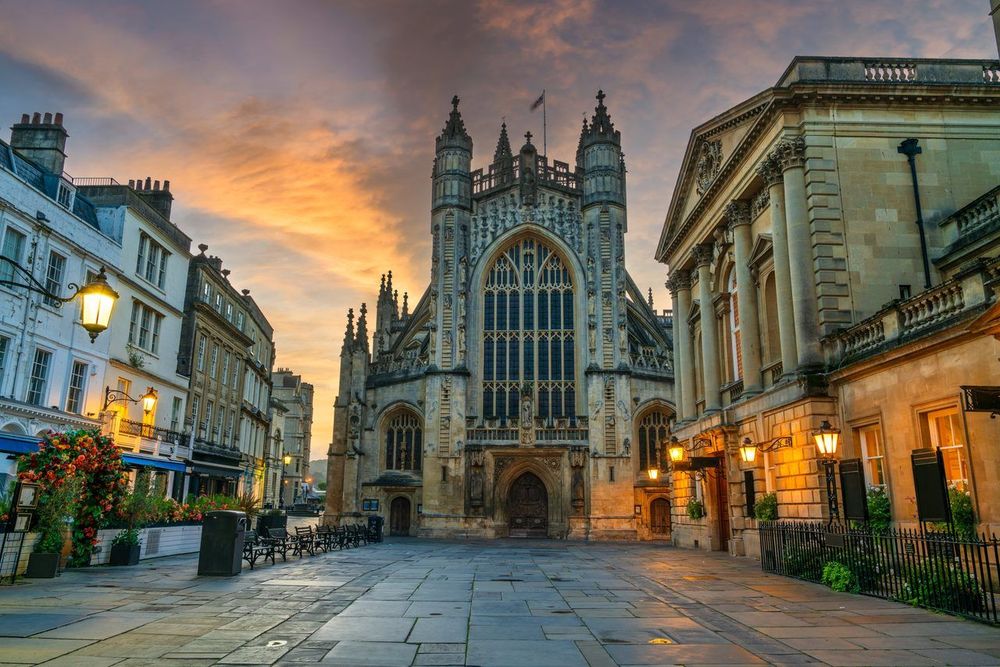
© Shutterstock
 Votre guide Ryo
Oxford for First-Time Visitors: The Complete 2026 Guide
Step off the train at Oxford station on a grey Tuesday morning and you'll see something odd: a city that looks like a film set but runs on bicycle bells and breakfast queues. That contrast is exactly what trips up most guides to Oxford for first time visitors, which tend to treat the city either as a museum you walk through in silence or as a box to tick off on a London day trip. Neither gets it right. In the pages below you'll find a library reading room used as a set for the Harry Potter films, a river where rental punt poles routinely end up stuck in the mud, a 900-year-old castle mound hiding behind a hotel car park, and a covered market where lunch costs less than a pub starter two streets over. If you only have a few hours, Ryo's audio-guided walking tour through Oxford's historic centre, with its 149 audio stops, lays out a route covering most of what's below without you needing to check a map every ten minutes. Whether you're coming up from London for the day or staying three nights, this guide to Oxford for first time visitors walks through what to see, how to get here, where to sleep, and what things actually cost in 2026.
What First-Time Visitors Should Know Before Visiting Oxford

Oxford isn't one attraction, it's thirty-nine of them. The university is made up of 39 constituent colleges, each with its own gate, chapel and dining hall, and not all of them are open to visitors on any given day. Christ Church sometimes closes its cathedral for services; New College's garden shuts earlier in winter; a handful close entirely during exam term. The city centre itself is small, though, which balances out the unpredictability: most of what matters sits inside a ten-minute walk of Radcliffe Square, so a closed gate rarely means a wasted trip, just a rearranged one.
How Much Time You Really Need
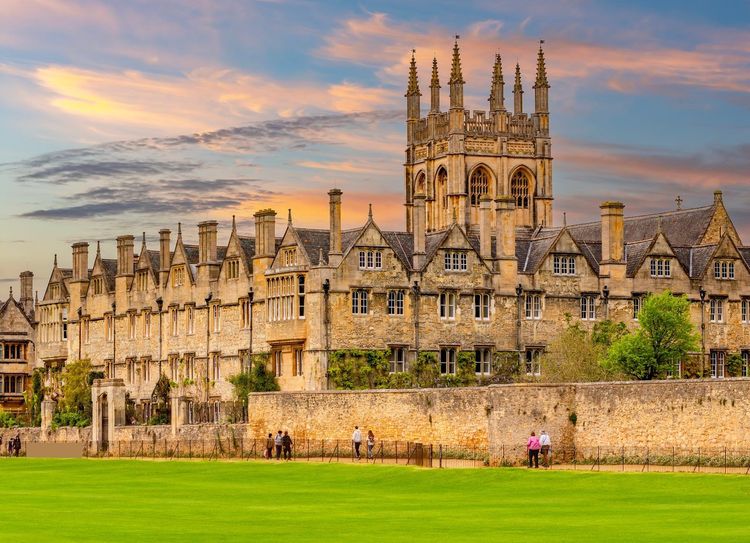
One day is enough to hit the highlights, and plenty of people treat Oxford as exactly that: a day trip from London. You'll have time for two or three colleges, one museum, a walk through the Covered Market, and maybe a punt if the queue isn't long. It's a satisfying day, not a rushed one. Two days lets you add the Ashmolean or Pitt Rivers properly, a slower lunch, and a morning that doesn't start with racing for the 8:15 train. Is Oxford worth visiting for a day trip, given the short runway? Yes; the centre is dense enough that a single afternoon here covers more ground than a full day in a more sprawling city would. Three days starts to feel generous rather than necessary, useful mainly if you want to add the Cotswolds or slow the pace right down.
Best Time of Year to Visit
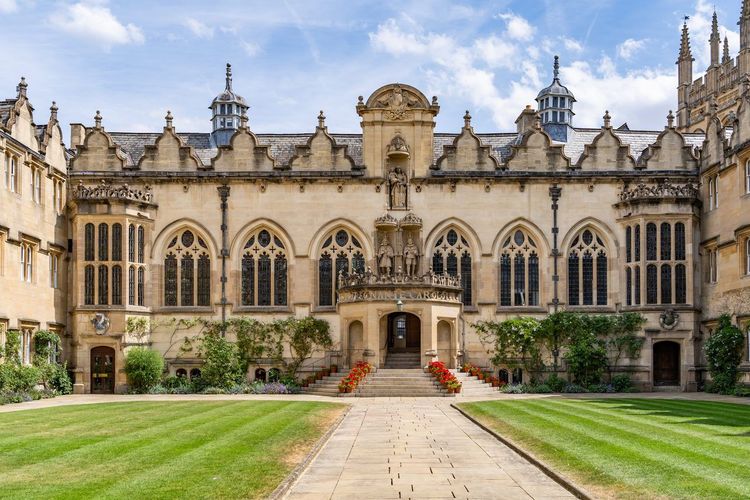
Term time (roughly October to June, with breaks) is when Oxford feels most like itself: students cycling between lectures, choir rehearsals drifting out of chapel doors, punts crowding the river on any dry afternoon. Weekdays outside exam season (May and June) tend to be calmer than you'd expect for a city this famous. Visiting Oxford in winter has its own quiet appeal: fewer queues at the Bodleian and Ashmolean, bare trees in Christ Church Meadow, and a hot chocolate at the Covered Market that finally makes sense given the weather. The trade-off is shorter opening hours, earlier sunsets, and some college gardens closing altogether between November and February. July and August bring the heaviest crowds and the best punting weather, but also tour groups stacked three deep outside Christ Church's gate by 10am. If you can choose, aim for a weekday in May, September or early October, when the colleges are open, the gardens are at their best, and the coach parties haven't quite arrived yet.
Getting to Oxford from London
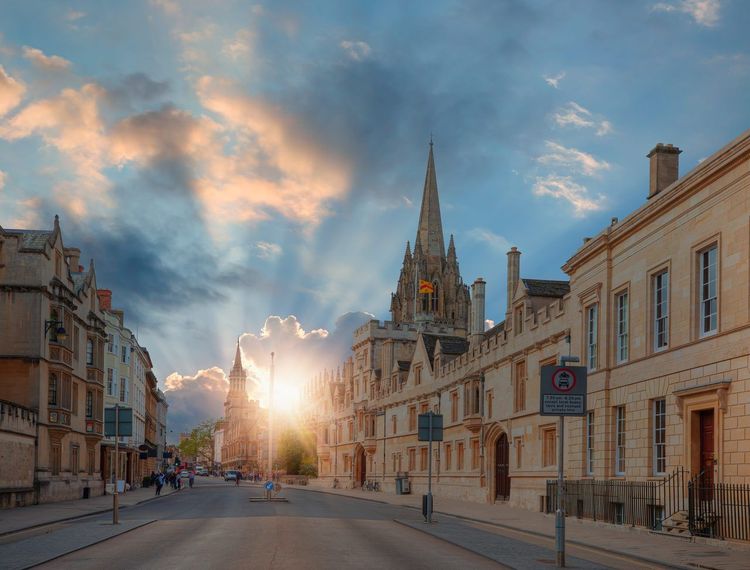
Oxford sits about 60 miles northwest of London, and getting here is rarely the hard part; deciding which station and which ticket is. Three options cover almost everyone: train, coach, or driving. Each carries a different trade-off in time, cost and hassle, which is exactly why travel from London shows up in nearly every search about visiting the city.
By Train: Paddington and Marylebone
Trains from London Paddington run roughly every 15 to 30 minutes on the Great Western Railway line and take as little as 55 minutes on the fastest services, landing you at Oxford station a ten-minute walk from the city centre. This is the route most first-time visitors default to, and for good reason: it's direct, frequent, and the station sits close enough to Christ Church and the colleges that you can be standing in Radcliffe Square within twenty minutes of stepping off the platform.
London Marylebone is the quieter alternative, served by Chiltern Railways, with journeys typically taking around an hour. It's less crowded at peak times and occasionally cheaper if booked well ahead, though the Marylebone service sometimes routes through Bicester rather than running straight in, adding a few minutes to the trip. If Paddington fares look steep closer to your travel date, since advance pricing on that route tightens fast, checking Marylebone is worth the extra two minutes of searching. Buy tickets ahead through Trainline or National Rail for the cheapest advance fares; walk-up tickets bought on the day can run two to three times the price of a booked one.
By Coach, Car and Parking in Oxford

The Oxford Tube and National Express coaches run from Victoria and other London stops directly into Gloucester Green bus station, right in the city centre, for less than half the price of a train ticket. The trade-off is a journey of 1.5 to 2 hours depending on traffic on the M40, and no guarantee of a seat on the busiest departures without booking ahead.
Driving is the option most locals will quietly discourage. Oxford's centre is largely pedestrianised or restricted to buses, taxis and cyclists, and parking inside the ring road is scarce, metered, and expensive even when you find it. The practical answer is one of the five Park and Ride sites on the city's outskirts (Thornhill, Seacourt, Redbridge, Water Eaton and Pear Tree): leave the car, hop on a frequent bus, and you're in the centre in ten to fifteen minutes for a few pounds return. If you're driving in from elsewhere, perhaps on your way to or from the Cotswolds, book a hotel with its own car park rather than hunting for street parking, which is short-stay only and watched closely by traffic wardens. For a short city visit, in other words, leave the car at the edge of town and let your feet or a bus do the rest.
Exploring Oxford on Foot: Walking Tours and Getting Around
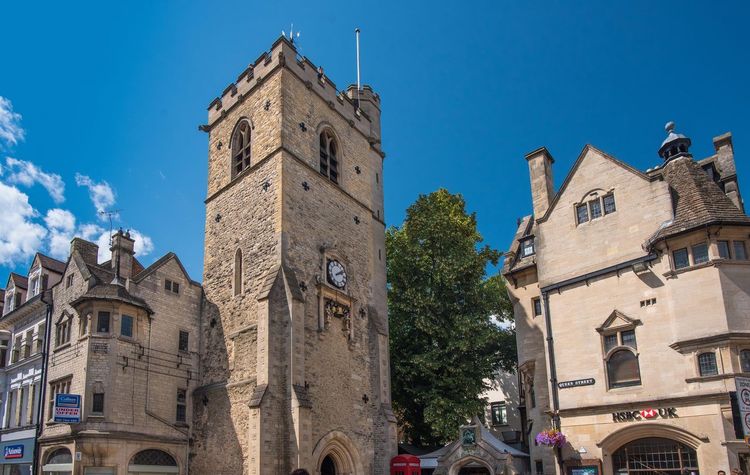
Oxford rewards walking more than almost any city its size. The centre is flat, compact, and built for it: most of what you'll want to see sits within a fifteen-minute radius of Carfax Tower, which turns the real question from « how do I get around » into « guided, or on my own. »
Guided Walking Tours vs Going It Alone
Several operators run guided walking tours of the colleges and historic centre, typically around two hours long, most of them departing from Broad Street. They're worth booking if you want a guide who can talk you past the porters into a college interior you couldn't otherwise reach, or if you're short on time and would rather hand the route-planning to someone else. The catch is fixed timing: you join a group at a set hour and move at the group's pace, past whichever three colleges happen to be open that particular day.
Going it alone costs nothing but a bit of planning, and Ryo's audio-guided tour through Oxford's historic centre splits the difference rather neatly: you get the same stop-by-stop storytelling a guided walk provides, but on your own schedule, free to linger at Radcliffe Square as long as you like instead of being waved along by a guide holding a flag. It's a guided walk in every sense except the one that locks you into someone else's pace, which matters more than it sounds once you've been standing in a drizzle waiting for seven other people to finish photographing the same gate.
Walking and Bicycles Around the City Centre
Walking and cycling are how Oxford actually moves day to day. Bike hire shops cluster near the train station and around Cowley Road, and a day's rental usually runs £15 to £20, handy if you're staying more than a day and want to reach Christ Church Meadow's riverside paths or venture out towards Iffley without relying on buses. Inside the historic centre itself, though, walking wins outright: cobbled lanes, pedestrian-only stretches around Radcliffe Square, and heavy tourist footfall make cycling more hassle than it's worth in the compact core.
Pavements can get crowded between colleges during peak afternoon hours, particularly along the High Street and Broad Street, and a bike adds very little once you're navigating that density on foot anyway. Build a little slack into your schedule rather than timing each stop to the minute, and you'll enjoy the walk considerably more than the stopwatch version of the same day.
The Best Colleges and Landmarks to Visit
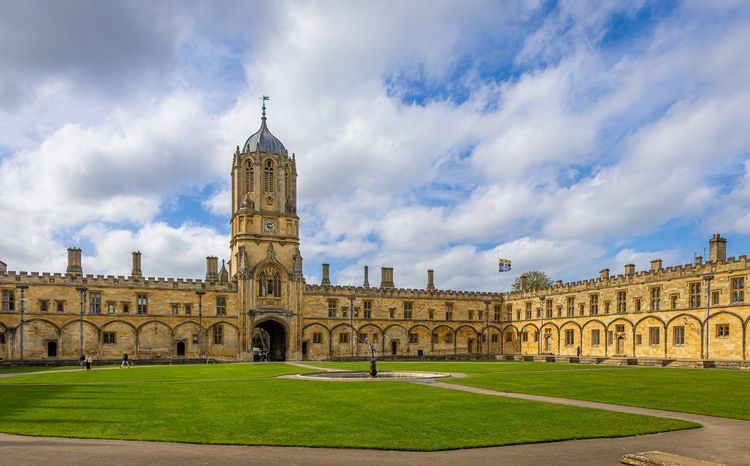
Oxford University is made up of 39 constituent colleges, and working out which Oxford colleges can you visit is really the first planning decision of your trip. Most charge a few pounds for entry and keep limited hours, and a handful close entirely during exam term, typically May and June. The four clusters below group the colleges and landmarks that reward a visit most, organised by how they actually sit on the map rather than by name alone.
Christ Church College and Christ Church Meadow
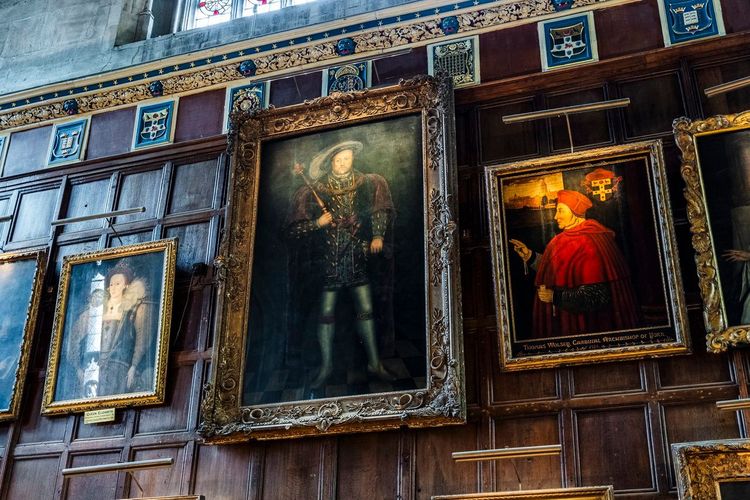
Christ Church) is the college every first-timer photographs, and for reasons beyond its Harry Potter fame: the Great Hall's hammerbeam roof and portrait gallery inspired the Hogwarts dining hall on screen, and Tom Quad, the largest quadrangle in Oxford, is the size films make you expect it to be. Entry runs a timed-ticket system in peak season, and the cathedral inside the grounds doubles as the college chapel, which means it can close to visitors for services with little notice. If you only see one college interior in Oxford, budget for this one and arrive close to opening to beat the coach-tour crowds that tend to land mid-morning.
Behind the college, Christ Church Meadow) opens out into the kind of green space that makes the density of the city centre feel like a trick of perspective. Longhorn cattle still graze here in some seasons, the Cherwell and the Thames (known locally as the Isis) both run along its edges, and the walk down to the river takes about ten minutes from Tom Gate. It's free to enter, rarely crowded even when the college itself is packed, and the obvious place to decompress between two dense sightseeing stops rather than pushing straight on to the next ticket desk.
Radcliffe Square, the Bodleian Library and Duke Humfrey's Library
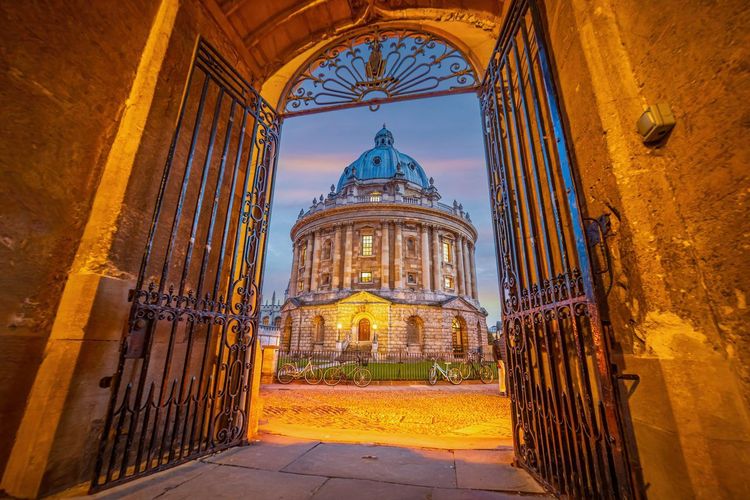
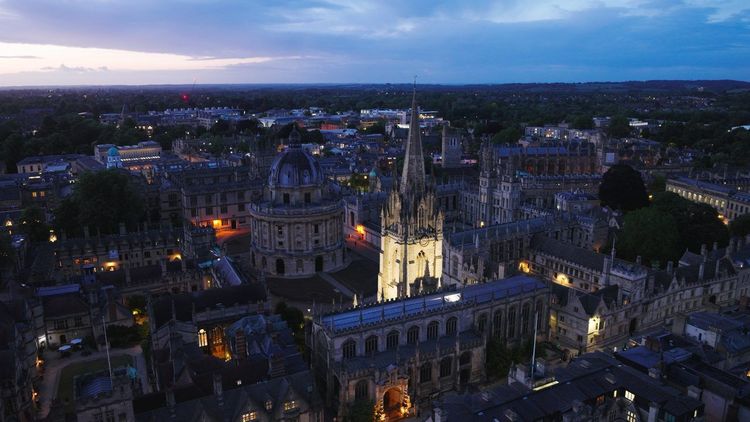
Radcliffe Square) is Oxford's most photographed intersection for a reason: the Radcliffe Camera's round, domed reading room sits across from the spires of All Souls College, with the University Church a few steps away. Nobody needs a ticket to stand in the square itself, which makes it a natural stop even on the tightest schedule.
The Bodleian Library) is the building most visitors actually want to go inside, and it's also where things get restrictive: certain reading rooms are for registered readers only, but the Divinity School and parts of the Old Bodleian are open on a paid tour or during limited public visiting hours. Inside the library's old quad sits Duke Humfrey's Library, the oldest reading room in the Bodleian system and instantly recognisable if you've seen the Harry Potter films, since its carved wooden ceiling and chained medieval books doubled as the Hogwarts library on screen. Access to Duke Humfrey's is by guided tour only, booked in advance; turning up without a ticket in peak season usually means missing it entirely.
For the fuller story behind both buildings, our guide to Oxford's Harry Potter filming locations walks through exactly which scenes were shot where, and which bits of the Bodleian tour overlap with it.
New College, Exeter College and Lincoln College
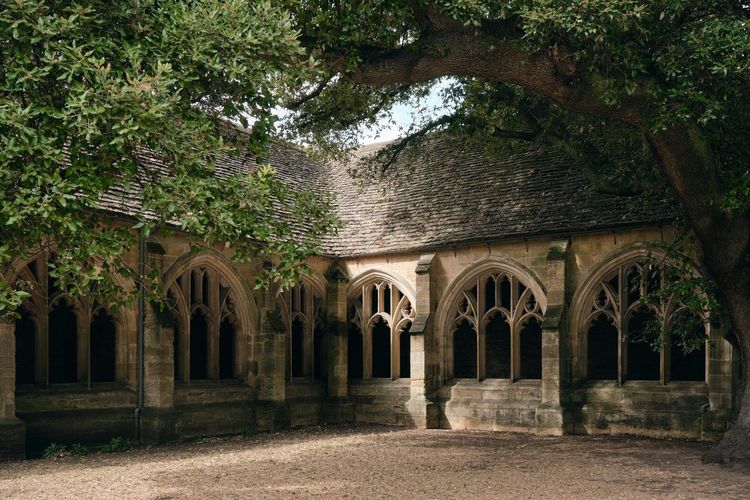
Three colleges within five minutes of each other round out the cluster worth prioritising beyond Christ Church. New College), founded in 1379 despite the name, has one of Oxford's best-preserved medieval cloisters and a section of the old city wall running through its garden; it's also a Harry Potter filming location, used for the cloister scenes.
Exeter College)'s chapel, modelled on Paris's Sainte-Chapelle, is free to step into and usually far quieter than Christ Church's. Lincoln College (Turl Street, Oxford OX1 3DR, rated 4.7/5 on Google (70 avis)), tucked between the two, keeps one of the smallest and least-visited quads in the centre, and its library occupies the former All Saints Church on the High Street, an 18th-century church most visitors walk past without knowing it belongs to a college.
None of the three takes more than fifteen or twenty minutes to walk through properly, which makes them easy to string together between the Bodleian and lunch rather than treating each as a separate outing.
Broad Street and the University Church Tower
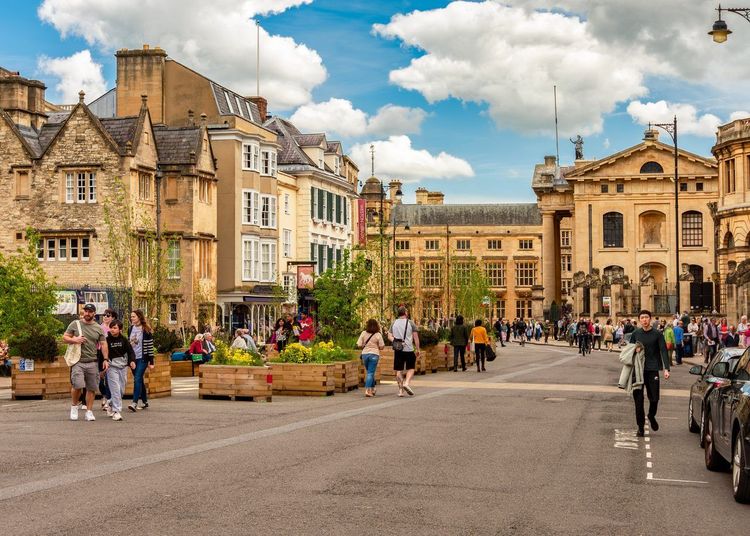
Broad Street) runs past the Bodleian, the Sheldonian Theatre and Blackwell's bookshop, and doubles as the departure point for most guided walking tours. It's wide, lively, and a good spot to sit with a coffee and watch the city move past.
Climb the University Church of St Mary the Virgin's tower, just off Radcliffe Square, and you get the view every postcard of Oxford is trying to replicate: honey-coloured spires stacked against each other with the Radcliffe Camera's dome in the foreground. It costs a few pounds, involves a narrow spiral staircase, and takes about fifteen minutes round trip, which makes it one of the best-value stops in the entire city.
Ryo's audio-guided walk through this part of the centre stops at each college gate and at the Bodleian and Radcliffe Camera to tell the story behind the facade, which saves you from squinting at a small brass plaque trying to work out which quad you're actually allowed to enter.
Oxford's Best Libraries and Museums
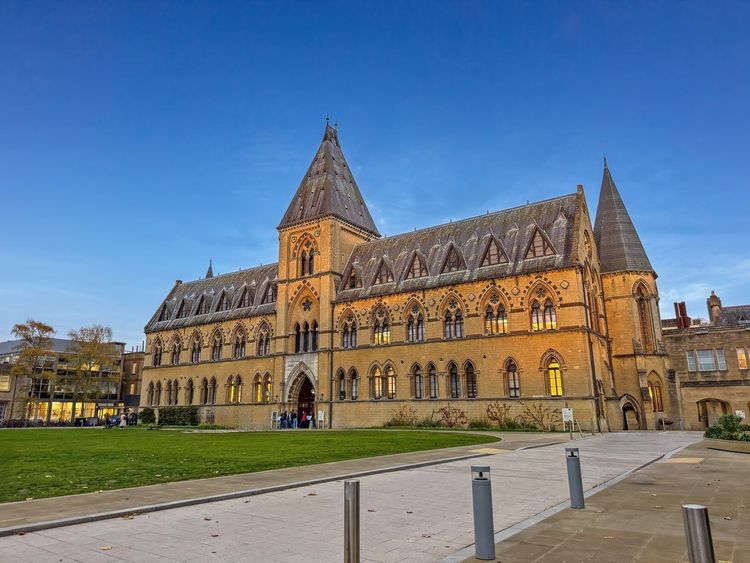
Oxford's university museums share one quiet advantage over nearly every other UK city's: they are free. That alone makes a rainy afternoon here more productive than it sounds, and the three stops below cover everything from Egyptian mummies to dinosaur bones to a children's museum built entirely around storytelling. Only the last one asks you to buy a ticket.
The Ashmolean Museum
The Ashmolean Museum) is Britain's oldest public museum, founded in 1683, and it's free to enter despite holding a collection that would justify a ticket price in most other cities: Egyptian mummies, a death mask reputedly cast from Oliver Cromwell's face, Raphael drawings, and the Alfred Jewel, a ninth-century Anglo-Saxon artefact roughly the size of a thumb. Give it at least ninety minutes if you want to see more than the ground floor, and longer still if Egyptology or the Pre-Raphaelites are your thing.
The rooftop restaurant is a good lunch option if you're museum-hopping and don't want to backtrack into the centre for food; it overlooks the city's rooftops and rarely needs a booking outside weekend lunch service. The museum sits a five-minute walk from the Bodleian, which makes it an easy add-on to a morning spent around Radcliffe Square rather than a separate trip that needs its own slot carved out of the day. Families travelling with older kids tend to find the Egyptian galleries hold attention longer than anywhere else in the building, worth knowing if time is tight.
The Pitt Rivers Museum and the Museum of Natural History
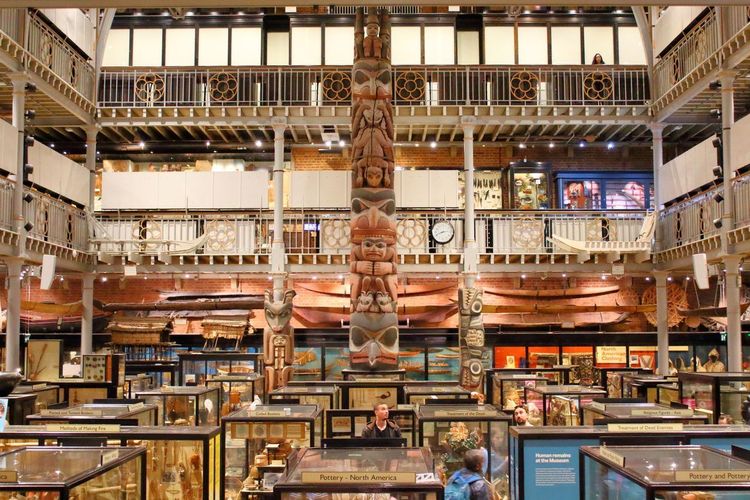
The Pitt Rivers Museum and the Oxford University Museum of Natural History) share one building and one entrance, which makes visiting both in a single stop straightforward rather than two separate errands. The Natural History Museum (Pembroke Street, Oxford OX1 1BP, rated 4.6/5 on Google (991 avis))'s Victorian glass-and-iron hall houses a dodo skeleton and a colony of swifts nesting in the tower that researchers have studied every summer since 1948; walk through to the back and you're suddenly inside the Pitt Rivers, a deliberately dim, densely packed anthropology collection organised by object type rather than geography, with shrunken heads displayed near musical instruments near totem poles, lit by low lamps that give the whole place a cabinet-of-curiosities feel most modern museums have sanded away.
Both museums are free, both get properly busy with school groups on weekday mornings during term time, and both reward at least an hour combined if you want more than a quick walk-through. Go later in the afternoon if school groups are the thing you're trying to avoid; by 2pm, most have moved on.
The Story Museum
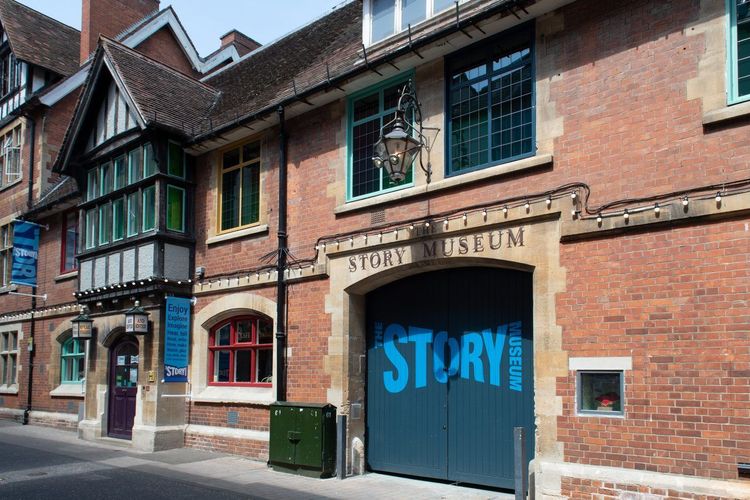
The Story Museum is Oxford's one museum built specifically for children, and it's worth knowing about even if you're travelling without kids, because it occupies Rochester House, an atmospheric 19th-century building on Pembroke Street a few minutes from Christ Church. Interactive rooms built around classic stories, including a nod to Alice in Wonderland inspired by a real Oxford mathematician, make it one of the few indoor options in the centre engineered for restless under-tens rather than silent gallery-walking.
Unlike the university museums, it charges admission (around £16 for an adult gallery ticket in 2026). Tickets are timed and worth booking a day or two ahead during school holidays, when slots sell out by mid-morning. Outside holiday periods, walk-up availability is usually fine, and a visit here pairs naturally with a lunch stop at the Covered Market two minutes away.
Unique Oxford Experiences: Punting, the Castle and the Covered Market
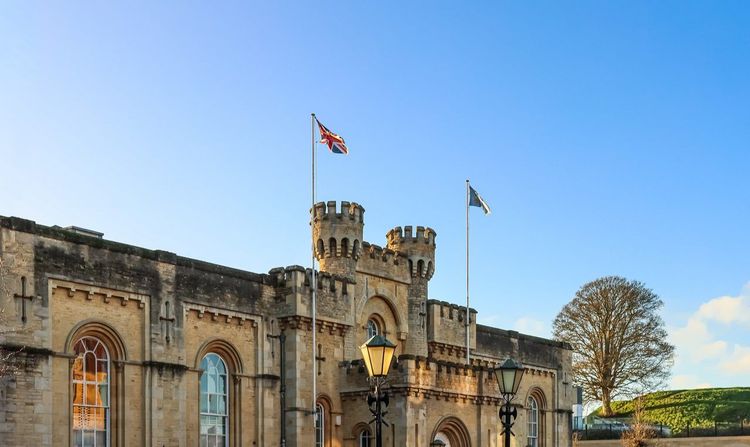
Colleges and museums cover the city's academic reputation. These three don't; they're where Oxford stops being a backdrop and starts being somewhere you actually do things with your hands, your feet and, occasionally, a pint glass.
Punting on the River Cherwell
Go punting and you'll understand within the first five minutes why half the punts on the river are drifting sideways into the reeds. The flat-bottomed boats are propelled by a pole pushed against the riverbed, not paddled, and the learning curve is steep enough that most rental companies will quietly offer a chauffeured option for anyone who'd rather watch than steer.
Is punting in Oxford difficult? Honestly, yes, for the first ten minutes: expect to get a little wet, expect the pole to stick in the mud at least once, and expect everyone else on the river to watch you do it. After that it clicks, and drifting past Christ Church Meadow or up towards the Victoria Arms becomes one of the few Oxford activities that has nothing to do with looking at old buildings. Rentals run by the hour from boathouses on the Cherwell, quieter and more scenic, or the Isis, wider and busier; booking ahead on a sunny weekend is worth the extra step, since punts routinely sell out by early afternoon in summer.
Oxford Castle and a Pint at a Literary Pub
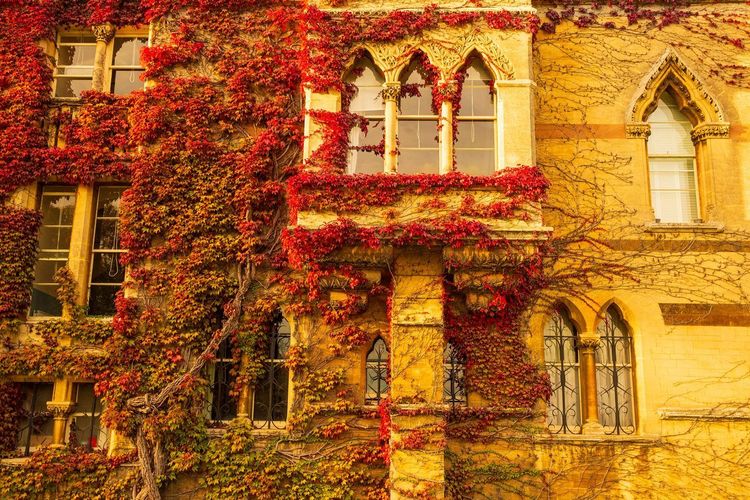
Oxford Castle) doesn't look much like a castle from street level. The surviving mound and the 900-year-old St George's Tower sit behind what's now a boutique hotel and a cluster of restaurants, and most self-guided visitors walk straight past the mound without realising what it is. The paid tour takes you up the tower and down into the old crypt and prison cells, with costumed guides leaning into the gorier parts of the city's history rather than skating over them.
Afterwards, walk to the Eagle and Child) on St Giles', the pub where J.R.R. Tolkien and C.S. Lewis met with the Inklings writing group through the 1930s and 40s to read drafts aloud of what became The Lord of the Rings and the Narnia books. Be aware before you go: the pub has been closed since 2020 and is undergoing a long restoration by its new owner, the Ellison Institute of Technology, with a reopening not expected before around 2027. The facade and its painted sign are still worth a photo, and you can have your pint at the Lamb and Flag almost directly opposite, another pub the Inklings used. Ryo's audio guide for this stretch of the centre includes the Inklings story and flags the castle mound detail most self-guided visitors walk straight past, which is the kind of context a quick glance at a plaque rarely gives you.
The Covered Market for Lunch and Photos
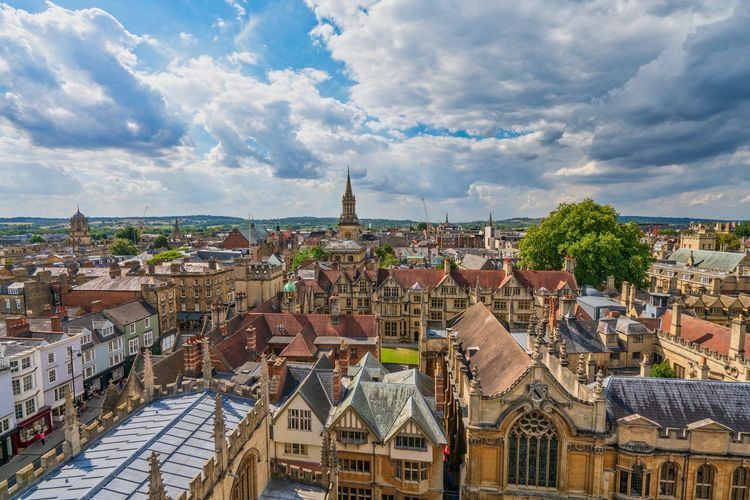
The Covered Market (Market Street, Oxford OX1 3DY, rated 4.5/5 on Google (11 975 avis)) has been trading since 1774 and is still the best answer to « where do I eat that isn't a tourist-priced pub. » Butchers, a barber that's operated from the same stall for decades, a cake shop with a queue most mornings, and a scattering of cafes selling everything from Cornish pasties to Vietnamese bánh mì sit under one iron-and-glass roof two minutes from Carfax Tower.
It's also one of the best photo spots in Oxford for first time visitors that doesn't involve a college facade; the market's narrow lanes, hanging shop signs and striped awnings photograph better than most people expect from what's essentially a food hall. Go before midday if you want a seat, because by 1pm, every bench along the central aisle is taken, and the overflow spills out onto the pavement outside.
A Perfect One-Day Oxford Itinerary
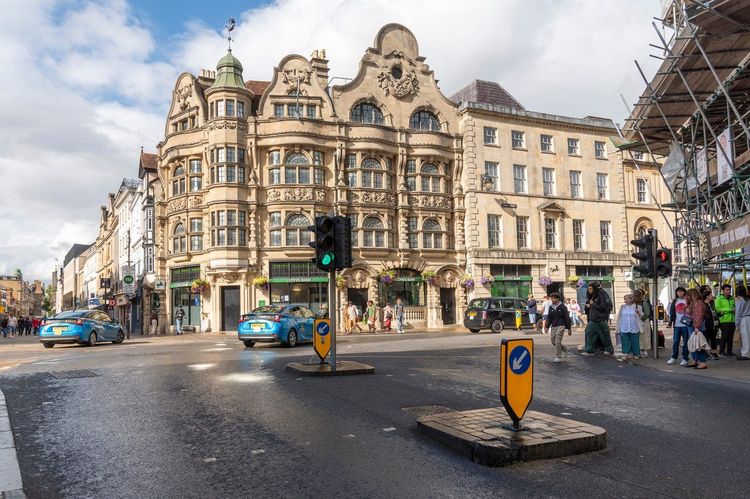
If you're treating Oxford as a single day trip from London, here's how to sequence everything above so you're not backtracking across the city centre three times before lunch.
Morning: Coffee and the City Centre
Arrive on an early train (the 7:45 or 8:15 from Paddington both land before 9am) and start with coffee near the station rather than the centre itself; the independent cafes along Park End Street are cheaper and emptier than anything within sight of Carfax Tower. Walk the ten minutes into the centre and you'll arrive at Broad Street just as the Bodleian's public visiting hours are opening for the day.
Spend the first hour and a half around Radcliffe Square: the Bodleian, a look inside the Divinity School if it's open, and the climb up the University Church tower for the view that makes the rest of the day's photos look better by comparison. If you've booked a slot for Duke Humfrey's Library, this is when to use it, since mornings run noticeably shorter queues than any time after 11am.
By around 10:30, walk the five minutes down to Christ Church. Arriving before the coach tours, which tend to land between 10:30 and midday, means a calmer Tom Quad and a shorter wait for the cathedral. Budget an hour here, more if the Great Hall is open and you want to linger over the Harry Potter comparisons the guides are usually happy to point out unprompted.
Afternoon: Colleges, Punting and the Tower

Lunch at the Covered Market around midday beats you to the queue that forms by 1pm, and sets you up two minutes from Turl Street, where New College, Exeter and Lincoln sit within a five-minute loop of each other. Spend forty-five minutes to an hour working through whichever two of the three are open; exam term and university events occasionally close one or the other with little notice, so having a backup matters more than it sounds.
By early afternoon, head towards the river. A punt on the Cherwell takes the pressure off a day that's otherwise all walking and queuing, and even a self-steered hour, with a wobbly first ten minutes, gives you a completely different view of Christ Church Meadow than the footpath does. If punting isn't your thing, walking the Meadow itself takes a similar amount of time and costs nothing at all.
Back in the centre by mid-afternoon, this is the natural slot for a museum: the Ashmolean if you want paintings and antiquities, or the combined Pitt Rivers and Natural History museum if you'd rather see a dodo skeleton next to a shrunken head. Both sit within ten minutes of Radcliffe Square, so the choice comes down to taste rather than logistics, and either leaves you time to sit down for twenty minutes, which by this point in the day you'll want.
Evening: Castle, a Pub and the Train Home
As the afternoon light starts to drop, walk to Oxford Castle for the tower climb and crypt tour; late-afternoon slots tend to be quieter than the late-morning rush, and the view from St George's Tower works just as well at golden hour as it does at midday.
From the castle, it's a ten-minute walk up to St Giles' to see the Eagle and Child's facade (still closed for restoration) and settle into an early pint at the Lamb and Flag across the road before heading back to the station. This entire morning-to-evening route, Radcliffe Square, Christ Church, the Covered Market, the colleges on Turl Street, the river, a museum, the castle, and a pub, follows the same ground as Ryo's audio-guided tour of Oxford, so if you'd rather not juggle a printed map between each location, its audio stops narrate the day as you walk it, triggering on your phone as you reach each building.
Trains back to London run until late evening from Oxford station, roughly every fifteen to thirty minutes on the Paddington line, which means there's no real need to rush the last pub stop; even a train at 8 or 9pm gets you back into London comfortably before the Tube stops running for the night.
Where to Stay in Oxford
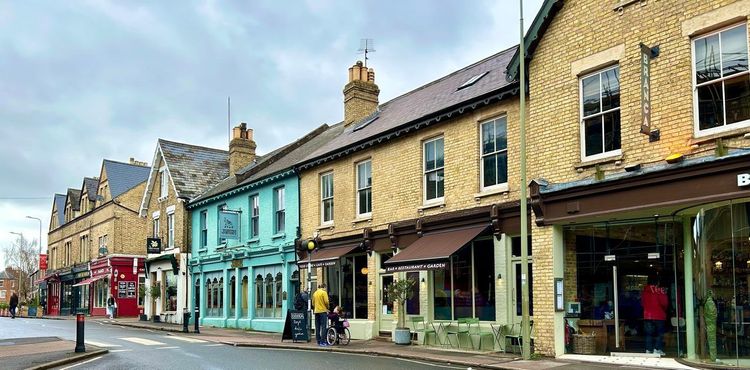
Where you stay in Oxford matters more than in most cities this size, because almost everything worth seeing sits inside a fifteen-minute walk of the centre. Stray much further and you lose the thing that makes Oxford easy, which is not needing transport at all beyond your own two feet.
City Centre Hotels
Hotels inside or right against the old city walls put you within walking distance of Christ Church, the Bodleian and the Covered Market, which matters most if you're only here one or two nights and don't want to spend them on buses. Expect to pay a premium for that location: £150 to £250 a night is typical for a mid-range centre hotel in 2026, more during graduation weeks in June and July or around major university events. The Randolph, opposite the Ashmolean, is the city's best-known grand option; smaller boutique hotels around George Street and the castle quarter offer a comparable location at a gentler price point.
Booking three to four months ahead matters more here than in most UK cities, since Oxford's hotel stock is limited by the size of the historic centre, and both graduation season and the Christmas run-up sell out the better central options early. If you're flexible on dates, shifting a trip by even a week outside those windows can meaningfully change what's available and at what price.
Budget-Friendly Airbnbs and Guesthouses
Airbnbs and guesthouses a little further out, around Cowley Road, Jericho or East Oxford, typically run £80 to £130 a night and come with the trade-off of a fifteen-to-twenty-five-minute walk, or a short, cheap bus ride, into the centre. Jericho in particular is worth considering beyond the price alone: it's a pleasant neighbourhood in its own right, with independent cafes and the Phoenix cinema, rather than just a cheaper dormitory suburb tacked onto the tourist map.
Guesthouses along the Banbury and Woodstock Roads, both a straightforward bus ride from the centre, tend to undercut the city-centre hotels by close to half while still landing you within twenty minutes of Carfax Tower. If you're staying more than two nights, that trade-off of a short commute for a meaningfully lower rate is usually worth taking, and it leaves more budget for punting, museum cafes and the odd splurge dinner.
Extending Your Trip: Day Trips and More Things to Do

If a single day or even two leaves you wanting more, Oxford's surroundings give you two directions to go: deeper into the city's quieter corners, or out into the Cotswolds.
Other Things to Do Beyond the Centre
Beyond the colleges and museums already covered, a few other things to do in Oxford reward extending your visit past the obvious list. The Botanic Garden, Britain's oldest, sits directly across from Magdalen College and makes a quiet half-hour stop that most day-trippers skip entirely despite how close it sits to everything else. Magdalen itself, with its deer park and riverside walk, is arguably as photogenic as Christ Church and considerably less crowded, which makes it worth the slightly longer walk from the centre.
If you have an extra afternoon, the University Parks offer genuine green space along the Cherwell without the entry fee of a college garden, and Modern Art Oxford, a short walk from the centre, covers contemporary exhibitions the older museums don't touch at all. For more ideas beyond this list, our full guide to things to do in Oxford digs into a longer roster of smaller sights worth a detour on a second or third visit, once the headline stops are out of the way.
Day Trips to the Cotswolds and Cirencester
Oxford sits close enough to the Cotswolds that a lot of first-time visitors tack on a day trip rather than treating the city as a standalone stop. Cirencester, often called the capital of the Cotswolds, is about 40 minutes away by car and makes a straightforward half-day addition: a Roman amphitheatre, a wool church with one of the finest towers in the region, and a market town centre built from the same honey-coloured stone as Oxford's colleges.
Without a car, the Cotswolds are harder to reach directly from Oxford; most public transport routes run via Kingham or Moreton-in-Marsh rather than a straight line, so a day trip here really suits visitors who are driving or renting a car for a few days rather than those relying purely on trains. If that's you, pair a morning in Oxford's centre with an afternoon in Burford or Cirencester, and you've covered two very different sides of English market-town life in a single, well-paced day.
Practical Tips: Prices, Opening Hours and Planning Ahead
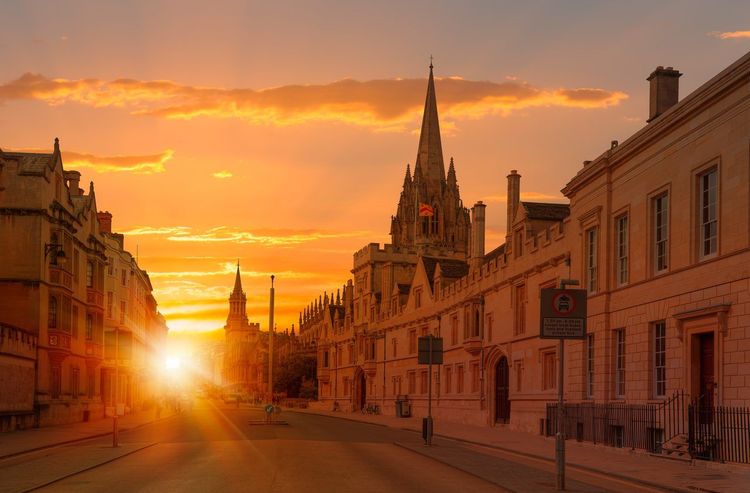
A handful of numbers and a short booking checklist save more time in Oxford than almost any other piece of trip planning.
Oxford Prices and Opening Hours at a Glance
College entry fees generally run £5 to £10 per person at the smaller colleges, while Christ Church sits in a league of its own: around £18.50 to £22.50 for an adult in 2026, depending on term time and weekends, with a multimedia guide included. Most colleges open to visitors from around 10am, with earlier closing on Sundays and reduced hours, or full closure, during exam term in May and June; it's always worth checking a college's own website the morning you plan to visit rather than relying on a guidebook's hours, since these change term to term.
The university museums (the Ashmolean, Pitt Rivers and Natural History) are free to enter and open daily, typically 10am to 5pm, with the Pitt Rivers opening only at noon on Mondays. The Story Museum is the exception, with paid timed tickets. The Bodleian's public areas and Duke Humfrey's tours run on a separate, more restricted schedule, bookable online, and these often sell out days ahead in summer. Self-hire punting runs roughly £28 to £35 an hour in 2026, while a chauffeured punt costs around £50 per half hour at Magdalen Bridge Boathouse, and the Covered Market's stalls keep roughly 9am to 5:30pm hours, earlier on Sundays.
What to Book in Advance
Three things are worth booking before you arrive rather than on the day itself: train tickets, since advance fares from Paddington or Marylebone tighten noticeably in the weeks before travel; Duke Humfrey's Library tour slots, which sell out first among everything in this guide; and Christ Church entry in peak season, when timed tickets cap the number of visitors allowed in each day.
Everything else, including museum entry, the University Church tower climb and a casual walking tour, can realistically be decided on the morning itself. If you're visiting in June or July, add Oxford Castle's tower tour to the advance-booking list too; it runs limited group sizes and sells out on sunny weekends well before you'd expect a castle tour to.



FAQ
How hard is it for Americans to get into Oxford?
Not hard at all for the city itself; the real requirement is getting into the UK. US citizens need a valid passport, and since the UK's Electronic Travel Authorisation (ETA) scheme now covers US visitors arriving for short stays, you'll also need to apply for one online before travel. It takes a few minutes, costs a modest fee, and is usually approved quickly, but it needs to be done before you board, not on arrival.
Is Oxford worth visiting as a tourist?
Yes, and for reasons beyond the famous skyline: it's one of the few UK cities where world-class, mostly free museums, genuinely old architecture you can walk right up to, and a compact, walkable centre all overlap in one place. Even visitors expecting it to be overrated tend to come away saying the colleges and libraries outdid the hype.
Is 1 day enough for Oxford?
For the highlights, yes. A single day covers two or three colleges, one museum, the Covered Market and possibly a punt, which is a full and satisfying visit rather than a rushed skim. You'll miss some of the smaller museums and a slower lunch, but you won't miss the things most people come for.
How many days do you need to see Oxford?
Two days lets you see the city properly without padding: one day for the core sights, one for museums, a longer lunch and perhaps a day trip into the surrounding Cotswolds. Three days only starts to feel necessary if you want a slow pace or plan to go further afield.
Can you visit Oxford for free?
Largely, yes. The Ashmolean, Pitt Rivers Museum and Museum of Natural History cost nothing to enter, and walking the streets, Christ Church Meadow, the University Parks and the Covered Market are all free too. The costs come from college entry fees, the castle tour, the Story Museum, punting and the University Church tower, all of which are optional add-ons rather than requirements.
Which Oxford colleges can you visit?
Most of the well-known ones welcome day visitors for a fee, including Christ Church, New College, Exeter College, Lincoln College and Magdalen, though hours and access vary by term and by day, and some close during exam periods in May and June. A handful of smaller colleges don't open to the public at all, so it's worth checking a specific college's website if one is high on your list.
Oxford rewards exactly the kind of curiosity that gets lost on a rushed itinerary: the quiet quad behind a busy gate, the pub where two famous writers argued over drafts (even while it waits to reopen), the mound hiding behind a hotel car park. Whether you're here for a single day trip from London or settling in for a long weekend, the city is compact enough to cover properly and strange enough to keep surprising you on a second or third visit. If you want the shortest route from « where do I start » to actually seeing it, Ryo's audio-guided walking tour of Oxford is built to walk you through exactly that, one stop at a time, headphones in, map put away.