© Shutterstock
 Votre guide Ryo
20 Unforgettable Experiences in Nouvelle-Aquitaine (2026)
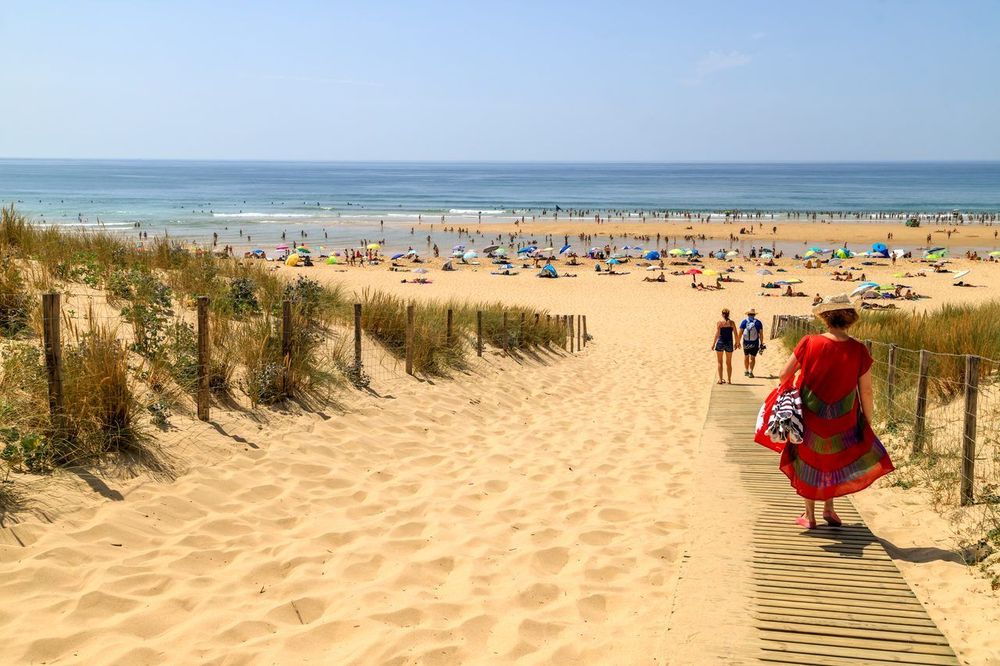
At 84,000 km², Nouvelle-Aquitaine is the largest region in France, and arguably one of the hardest to capture in just a few lines. On one side, Atlantic beaches pounded by a wild ocean; on the other, Pyrenean peaks still snowcapped in June. In between, UNESCO-listed vineyards, prehistoric caves and cities that have managed to retain a provincial soul while drawing visitors from across the world. If you're wondering what to do in Nouvelle-Aquitaine on your next trip, the answer is rarely simple — and that's a good thing. To start, the Ryo audio-guided tour of Bordeaux will immerse you in the heart of the regional capital in 2h30 on foot.
This article brings together 20 concrete experiences spread across the entire territory: a sand dune as tall as a multi-storey building, a vineyard listed as a UNESCO World Heritage Site since 1999, a marshland explored by flat-bottomed boat beneath vaulted canopies of poplar trees, and a Basque coast where the waves produce some of the best surfing conditions in Europe. Everything you need to build a tailor-made itinerary, whether you have a weekend or several weeks.
1. The Dune du Pilat, the Tallest in Europe
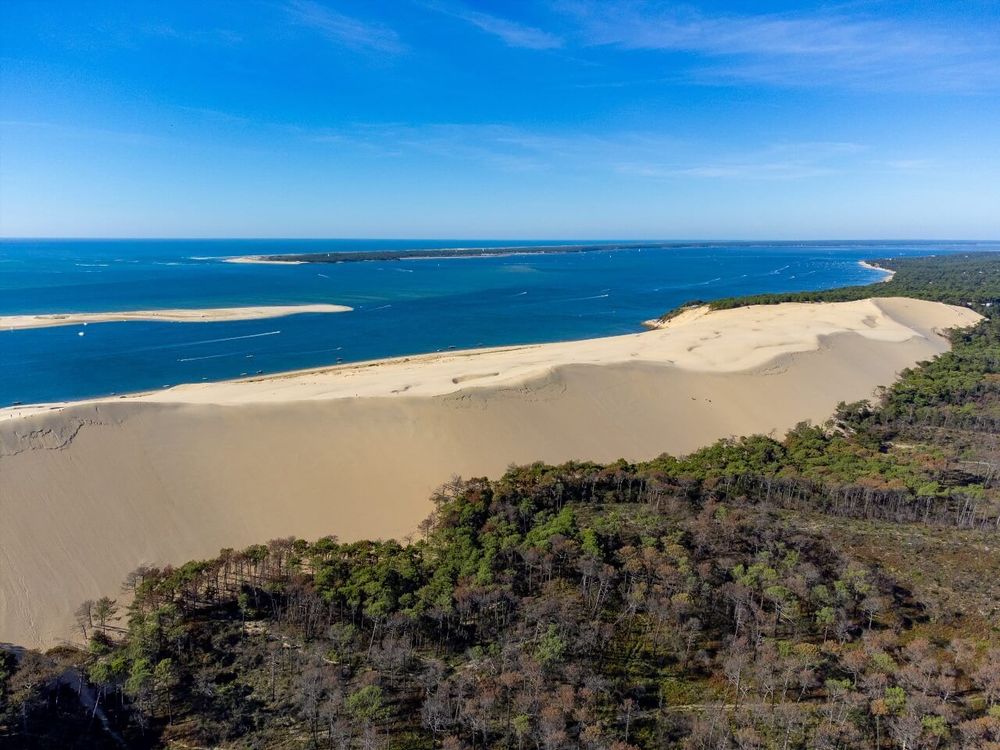
The Dune du Pilat currently rises just over 100 metres above sea level — a height that shifts slightly from year to year (around 102 metres recorded in 2026) — making it the tallest sand dune in Europe. It stretches for nearly 3 km in length and 600 metres wide, and continues to advance into the Landes forest at a rate of several metres per year, gradually swallowing the surrounding pine trees. The view from the summit is breathtaking: to the west, the Atlantic Ocean; to the east, an endless carpet of conifers.
Access is from the main car park, which is paid during summer. Allow around twenty minutes to climb the wooden staircase — children love running back down through the sand, adults rather less so. The best light is in the late afternoon, when the low sun gilds the western slope and the crowds begin to thin. Avoid July and August between 11am and 4pm: the heat combined with the climb can be punishing without a hat and a bottle of water.
If you want to extend the experience, the Arcachon Basin is just a few kilometres to the north — perfect for a swim after the hike. Ryo has also dedicated a complete guide to visiting the Dune du Pilat with all the practical tips you need to plan your day.
2. Bordeaux, the Essential Regional Capital
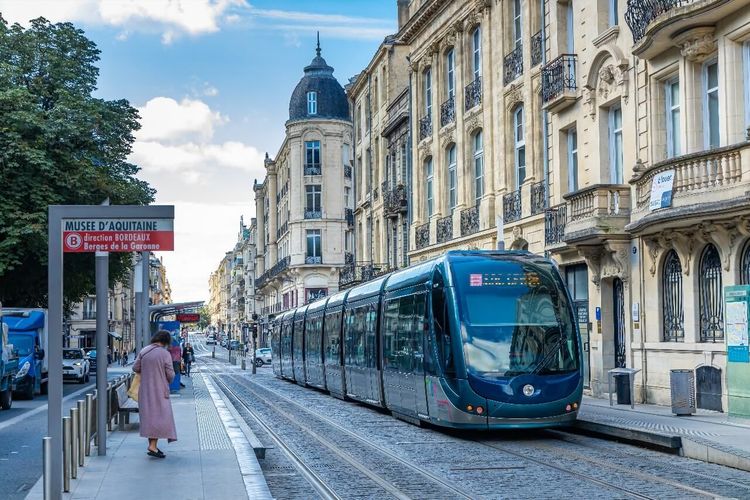
Bordeaux took nearly two centuries to be recognised at its true worth. Long considered too provincial to rival Paris or Lyon, the city embarked on a radical transformation in the 2000s: the redevelopment of the quays, a tram network, the renovation of the Chartrons district façades, and the opening of the Cité du Vin in 2016. The result: a UNESCO World Heritage listing in 2007 for its 18th-century urban ensemble — the largest protected area in France after Paris.
The Place de la Bourse and the Miroir d'eau opposite remain the city's most photographed images — and rightly so: the 3,450 m² of polished granite reflect the classical façade in an almost surreal symmetry. But Bordeaux deserves to be explored in depth, neighbourhood by neighbourhood — from the Chartrons with its antique dealers' galleries to the Capucins for the Sunday morning market, via Saint-Michel and its second-hand shops.
To make sure you don't miss a thing, the Ryo audio-guided tour of Bordeaux covers 30 key sites in 2h30 of walking over 6.2 km, with audio commentary available offline. It's the most efficient way to get to grips with the city before exploring each neighbourhood at your own pace.
3. The Arcachon Basin and Its Oyster Villages
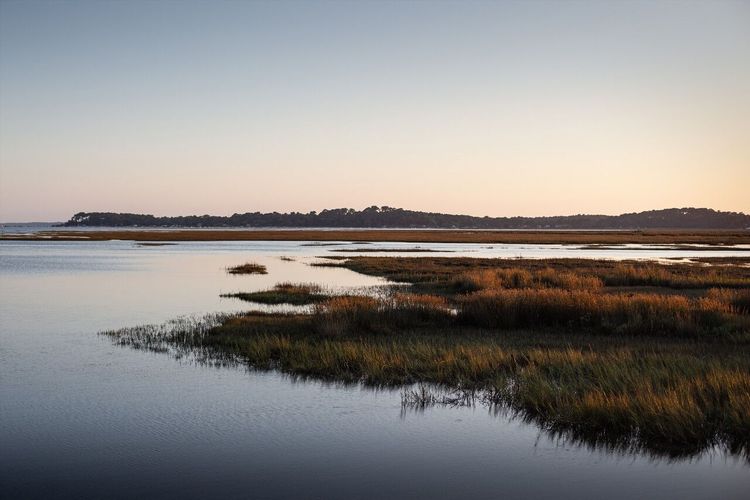
The Arcachon Basin (Village d'Arès, 33740 Arès, rated 4.7/5 on Google with 5K reviews) is an inland lagoon of 155 km² sheltered from the ocean by the Cap Ferret peninsula. The water here is calmer, warmer, and particularly well suited to oyster farming: the basin produces several thousand tonnes of shellfish each year, most of which find their way to tables in Paris and Lyon.
Several oyster villages are worth a stop: L'Herbe, Le Canon and Piraillan have kept their colourful stilted huts, where you can sample oysters straight from the producer for just a few euros a dozen. The village of L'Herbe also has an open-air chapel built in the 19th century among the pines, which still holds summer masses. Further south, the town of Arcachon itself is worth a visit for its Ville d'Hiver district — an enclave of neo-Gothic and Moorish villas built in the 19th century for wealthy families who came to take the air.
The Ryo audio guide for Arcachon covers this district with 19 audio commentaries over 3.2 km, perfect for a morning stroll. For the most unspoilt beaches in the area, also check out our selection of the most beautiful beaches near Bordeaux.
4. The Lascaux Caves and the Vézère Valley
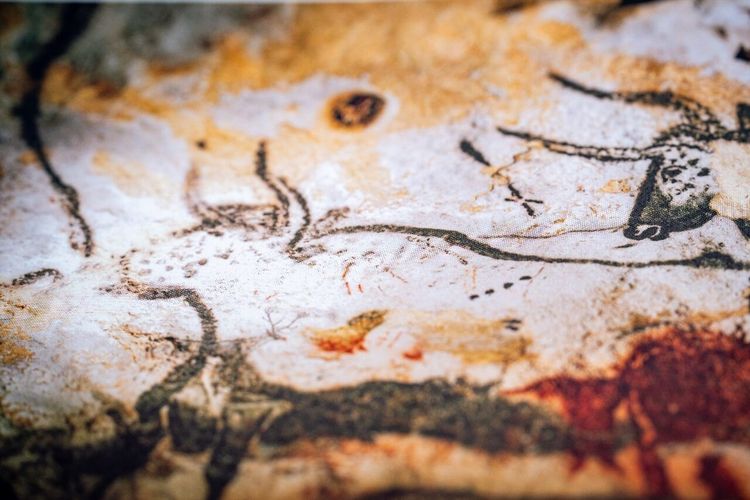
In 1940, four teenagers exploring the woods near Montignac stumbled upon a natural shaft and discovered what would become one of the greatest revelations in prehistoric history. The caves of Lascaux contain nearly 2,000 representations of animals painted approximately 17,000 years ago — horses, aurochs, bison and deer depicted with a realism that would not have been out of place among Renaissance painters.
The original caves have been closed to the public since 1963 to protect the paintings from the humidity generated by visitors. It is Lascaux IV (Route de la Préhistoire, 24290 Montignac-Lascaux, rated 4.4/5 on Google with 20,296 reviews), opened in 2016, that now welcomes visitors: a full-scale replica built into the hillside opposite the original site, with modern museum design that places the paintings in their anthropological context. Allow at least two hours for the visit, more if you explore the permanent exhibitions on cave art.
The Vézère Valley alone contains dozens of prehistoric sites listed as World Heritage, including Les Eyzies-de-Tayac, nicknamed the 'world capital of prehistory'. A single day is rarely enough to see everything.
5. The Cité du Vin in Bordeaux
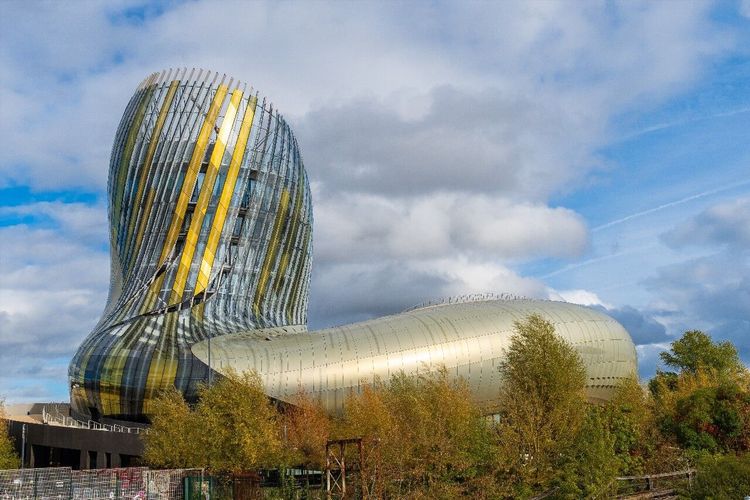
Opened in 2016, the Cité du Vin is one of the most original museums in France — not for its subject matter (viticulture) but for its form: a futuristic 10,000 m² building whose silhouette evokes a swirling decanter, designed by architects Anouk Legendre and Nicolas Desmazières.
The permanent museum trail explores wine as a universal cultural phenomenon, from the vineyards of the Nile Valley to the vines of New Zealand, taking in tasting techniques and the world's great wine regions along the way. Entry includes a glass of wine at the Belvédère (8th floor), with a panoramic view over the Garonne and the quays. Expect to pay around €25 for an adult ticket including the visit and tasting. Booking online avoids queues, especially in July and August when the Cité sometimes welcomes more than 2,000 visitors a day.
A Ryo article covers all the culinary specialities of Bordeaux to round out your gastronomic exploration of the region.
6. Saint-Émilion, a UNESCO-Listed Vineyard
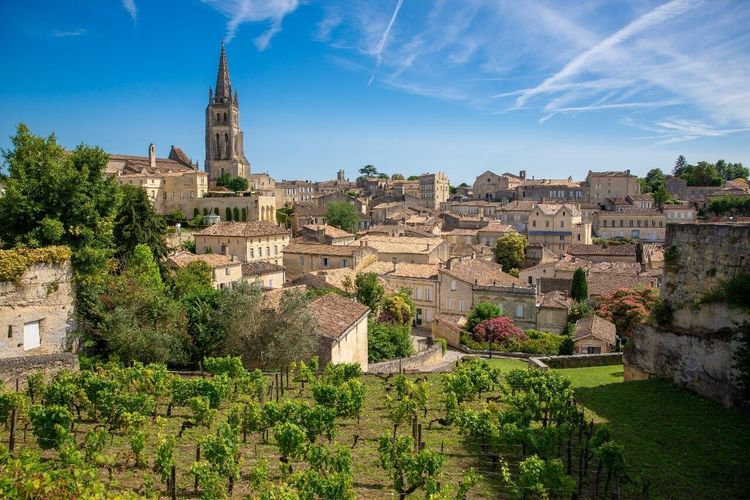
Listed as a UNESCO World Heritage Site since 1999, Saint-Émilion (Place du Marché, 33330 Saint-Émilion, rated 4.7/5 on Google with 14K reviews) is the first vineyard in the world to be inscribed by UNESCO under the category of 'cultural landscapes': villages, vines, cellars, churches and hillsides form an inseparable whole recognised across more than 7,800 hectares.
The town itself can be explored on foot in two hours: the Collegiate Church, the Monolithic Church carved directly into the limestone between the 9th and 12th centuries (unique in Europe of its kind), and the cobbled lanes lined with wine shops and canelé bakeries. The view from the bell tower offers a striking panorama of vineyards stretching as far as the eye can see. For château visits, booking ahead is essential between June and October.
7. The Basque Coast: Biarritz, Bayonne and Saint-Jean-de-Luz
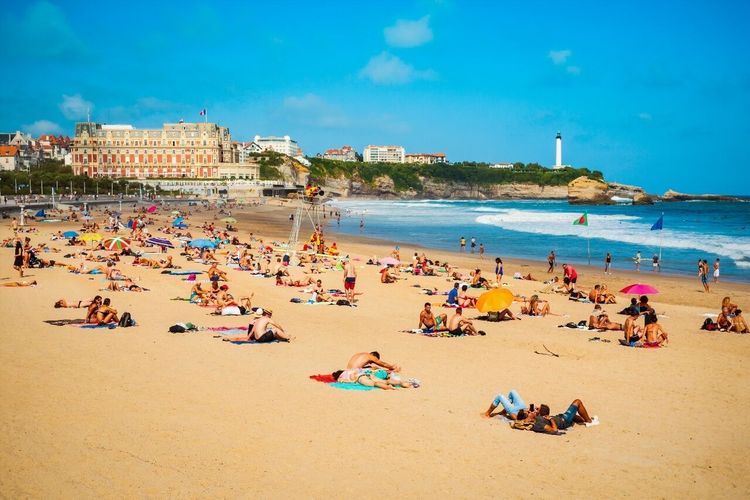
The Basque coast packs three radically different identities into fewer than 30 km. Biarritz was put on the map by Napoleon III and Empress Eugénie, who made it their summer residence from 1854: the town retains from that era its grand private mansions, its Belle Époque casino and its Grande Plage where some of Europe's best surf now breaks. The Côte des Basques spot, considered one of the birthplaces of European surfing, hosts competitions every year.
Bayonne is a city of a different character: fortified by Vauban in the 17th century, threaded through by the Nive and the Adour, and famous for two specialities that have spread far beyond the Basque Country — Bayonne ham and chocolate, introduced by Sephardic Jews expelled from Spain in the 16th century. The Fêtes de Bayonne, which draw more than a million people over five days each summer, rank among the biggest popular festivals in Europe.
Saint-Jean-de-Luz offers a more relaxed pace: an active fishing port, red-and-white half-timbered houses and a long crescent-shaped beach. It is also the town where Louis XIV married the Infanta Marie-Thérèse of Spain in 1660, bringing a long Franco-Spanish conflict to an end; the door of the church of Saint-Jean-Baptiste through which they left has been walled up ever since. To discover this region off the beaten track, check out our guide to a unique weekend in Aquitaine.
8. The Vézère Gorges and Les Eyzies-de-Tayac
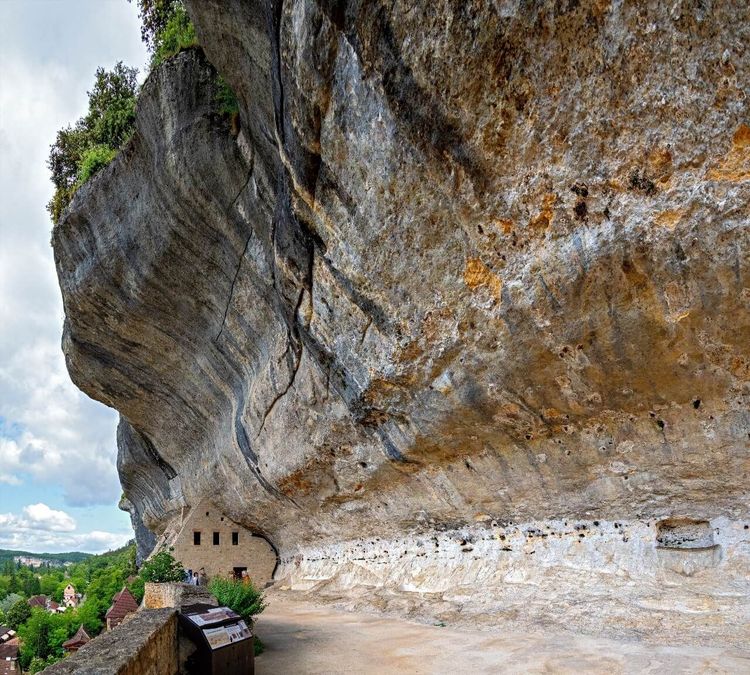
Les Eyzies-de-Tayac carries the unofficial title of 'world capital of prehistory' — not through tourist self-promotion, but because the density of prehistoric sites in the immediate area is unmatched anywhere on earth. The National Museum of Prehistory (1 Rue du Musée, 24620 Les Eyzies, rated 4.3/5 on Google with 3,769 reviews), housed in a troglodyte castle overlooking the village, holds tens of thousands of artefacts from the national collections.
The caves of Font-de-Gaume are particularly precious: it is one of the last polychrome Palaeolithic decorated caves still open to the public anywhere in the world. Reservations must be made several weeks in advance, as visitor numbers are strictly limited to a handful of groups per day. If you cannot secure a spot, the Cro-Magnon rock shelters nearby offer insight into the daily environment of these Upper Palaeolithic humans.
9. Périgueux and the Saint-Front Cathedral
Périgueux is a city full of surprises: around a corner in the medieval town centre, five Byzantine domes suddenly rise above the rooftops. The Saint-Front Cathedral (Place de la Clautre, 24000 Périgueux, rated 4.6/5 on Google with 3,900 reviews), listed as a UNESCO World Heritage Site as part of the routes to Santiago de Compostela, is one of the largest Romanesque-Byzantine cathedrals in France and one of the few built to a Greek-cross plan.
Entry is free. The adjoining cloister, partly rebuilt in the 19th century, deserves a quiet visit outside of services. The Wednesday and Saturday morning market on Place du Coderc is one of the liveliest in the Dordogne, where foie gras, Périgord black truffles, walnuts and local cheeses jostle together in an atmosphere that has resisted the passage of time.
10. The Dordogne Valley and Its Bastide Towns
The Dordogne is a river that has sculpted a landscape of white limestone, sheer cliffs and châteaux perched on rocky outcrops. Between Beynac and La Roque-Gageac (La Roque-Gageac, 24250 La Roque-Gageac, rated 4.7/5 on Google with 5K reviews), just a few kilometres apart, you will find two of the most photographed villages in the region — and among the most beautiful in France according to the official classification.
Beynac-et-Cazenac is dominated by a 12th–13th-century medieval castle that towers more than a hundred metres above the river — the steps are steep, the view worth every one. In Sarlat-la-Canéda, about twenty kilometres away, the medieval historic centre is one of the best-preserved in Europe: its yellow sandstone lanes have served as a backdrop for numerous films.
The bastide towns of the Black Périgord — Domme, Monpazier, Beaumont — are medieval new towns built on a grid plan during the Hundred Years' War. Monpazier, founded in 1284, has kept its central covered square and limestone houses virtually intact: a journey back to the Middle Ages accessible by car from Bergerac in thirty minutes.
11. Agen and the Banks of the Garonne
Agen is often overlooked on Nouvelle-Aquitaine itineraries — unfairly so. The town has a pleasant city centre, a canal bridge spanning the Garonne for more than 500 metres (one of the longest in France) and a Fine Arts museum that houses several works by Goya.
The Ente plum, dried to become the Agen prune, holds a protected geographical indication. The harvest takes place in August–September, and several producers open their doors for guided tours. The Ryo audio-guided tour of Agen offers a route of 20 audio stops over 3.1 km along the banks of the Garonne, perfect for discovering the town at your own pace. For outdoor enthusiasts, our article on hiking in Lot-et-Garonne lists the finest trails in the department.
12. La Rochelle and Its Historic Harbour
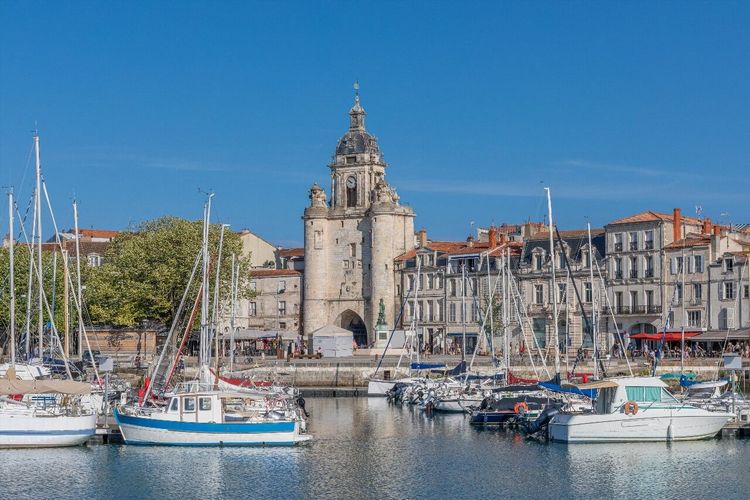
La Rochelle was one of France's great Protestant port cities, and it paid dearly for it during the siege of 1627–1628, when Richelieu had a dyke built in the open sea to starve the inhabitants into submission. The three medieval towers framing the old harbour (Tour Saint-Nicolas, Tour de la Chaîne, Tour de la Lanterne) are direct witnesses to that history.
Today, the old harbour is a lively place where fishermen sell their catch in the morning and seafood restaurants light up in the evening. The La Rochelle Aquarium, one of the most visited in France with around 800,000 visitors a year, is home to some 12,000 marine animals across more than 8,000 m². The city is also known for its self-service bike-sharing scheme (Yélo), a pioneer in France, and its pedestrian centre, which is particularly pleasant to explore on foot. In Bordeaux, our audio walking tour offers the same pleasure of unhurried wandering along the Garonne, headphones on.
13. The Marais Poitevin, the Green Venice
Nicknamed 'the Green Venice', the Marais Poitevin (Coulon, 79510 Coulon, rated 4.6/5 on Google with 6K reviews) is a vast network of canals threading through a floodplain that was partly reclaimed from the sea in the Middle Ages by monks. In spring and summer, vaulted canopies of ash, poplar and alder create green tunnels above the flat-bottomed boats — a unique visual and sensory experience.
The village of Coulon is the usual starting point for boat trips. Flat-bottomed boat hire operators offer outings of one to three hours, with or without a guide. Avoid midday in the height of summer: the heat in the covered passages can be stifling, and boat traffic too heavy to enjoy the usual tranquillity of the place. The best time to visit is May–June or September, when the vegetation is lush without the summer crowds.
14. The Pyrenees and Oloron-Sainte-Marie
Nouvelle-Aquitaine is the only French region that borders both the Atlantic and a high mountain range. The Pyrénées-Atlantiques offer accessible hiking from mid-May onwards, particularly around Oloron-Sainte-Marie (Place de la Cathédrale, 64400 Oloron-Sainte-Marie, rated 4.3/5 on Google with 1K reviews), a medieval market town known for its beret industry (a large proportion of French berets are made here) and for its church of Sainte-Croix, one of the finest Romanesque buildings in the Pyrenees.
The Ossau Valley and the Aspe Valley are two of the wildest Pyrenean valleys in France on the Atlantic side. Brown bears, chamois and griffon vultures inhabit these protected areas, reachable from Oloron in under an hour by car.
15. Pau, the City of Henri IV
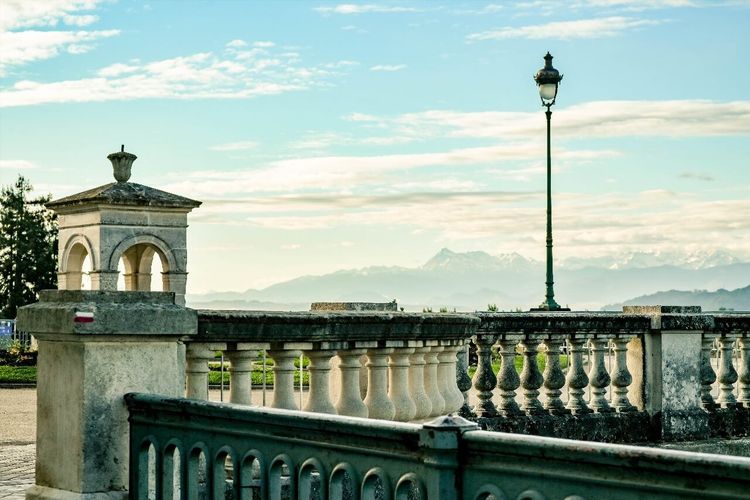
Pau is the birthplace of Henri IV (born at the château in 1553) and one of the most celebrated vantage points for viewing the Pyrenees in Europe. The Boulevard des Pyrénées (Boulevard des Pyrénées, 64000 Pau, rated 4.7/5 on Google with 147 reviews), which offers a panoramic view of the mountain range, drew praise from Lamartine and many other travellers captivated by this unique panorama.
The Château de Pau, whose visit lasts around an hour, houses a remarkable collection of 16th- and 17th-century tapestries. Pau is also a lively university city, with a cultural scene richer than its status as a prefecture alone might suggest.
16. The Romanesque Villages of Saintonge
Saintonge (in the north of the Charente-Maritime) is an under-the-radar region that boasts an extraordinary concentration of 12th-century Romanesque churches. The sculpted façades of Saintes, Talmont-sur-Gironde and Corme-Royal are testament to a mastery of stonework that has no equal in this part of France.
Saintes also preserves a Gallo-Roman amphitheatre from the 1st century, capable of holding thousands of spectators — one of the best-preserved in Gaul. The village of Talmont-sur-Gironde, perched on a cliff above the estuary, is home to the church of Sainte-Radegonde, built at the very edge of the cliff in the late 11th century, suspended between sky and water.
17. The Île de Ré and the Île d'Oléron
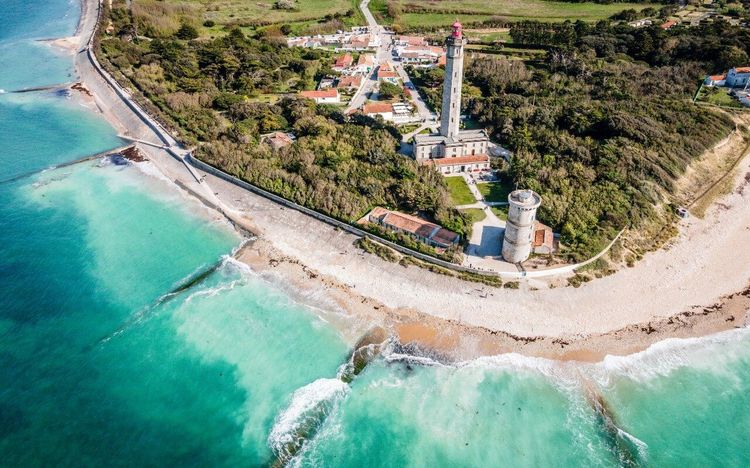
Connected to the mainland by a bridge since 1988, the Île de Ré has against all odds preserved its island character: white houses with green shutters, salt marshes active since the Middle Ages, fishing villages such as La Flotte-en-Ré (listed among the most beautiful in France) and cycling made easy by a dense network of cycle paths.
The Île d'Oléron, larger and less touristy, has a different character: dunes, pine forests, intensive oyster farming and a particularly soft Atlantic light in the shoulder season. The citadel of Château-d'Oléron, fortified by Vauban in the 17th century, is freely accessible and overlooks the oyster beds of the Seudre. In May or September, both islands come into their own without the summer pressure: accommodation is often cheaper, and the cycle paths are finally manageable without having to dismount every couple of minutes.
18. Cognac and the Land of the Nectar
The town of Cognac is one of the rare places in the world to have lent its name to a spirit: cognac, a brandy produced by double-distilling white wine and aged in oak barrels for a minimum of two years. The great houses (Hennessy, Rémy Martin, Courvoisier) offer visits to their warehouses — sometimes spectacular — for prices ranging from around fifteen to forty euros.
The Château de Cognac (Rue du Château, 16100 Cognac, rated 4.4/5 on Google with 2,073 reviews), birthplace of François I, today houses the cellars of the Otard house and can be visited with an enthusiastic guide. The town itself is modest in scale, but the Musée des Arts du Cognac offers an accessible account of the history of Charente winemaking and the international trade that made the region's fortune.
19. The Fêtes de Bayonne, a Popular Heritage
Every year in late July, Bayonne is transformed for five days into one of the biggest popular festivals in Europe. More than a million people converge on this city of around 50,000 inhabitants for concerts, Landes cow races and a sense of communal celebration that no tourist organisation could orchestrate. The unspoken rule: come dressed in white and red, the colours of the festival.
Outside festival time, Bayonne deserves a full day for its Basque Museum (one of the richest on Basque culture as a whole) and its Gothic cathedral of Sainte-Marie, whose cloister is one of the most elegant in the South-West.
20. The Marais d'Orx Nature Reserve
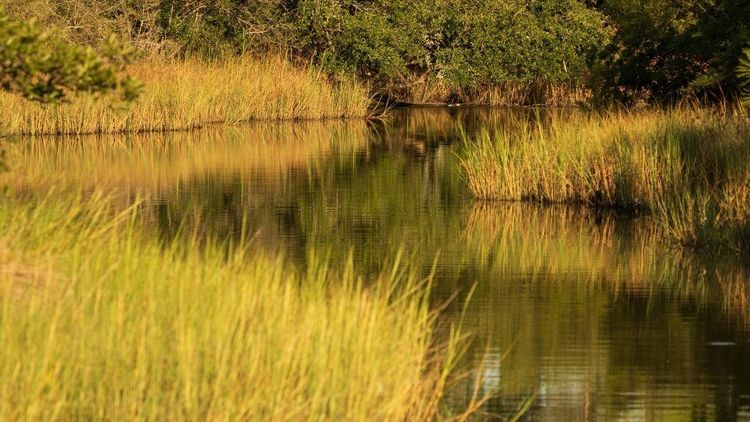
About fifteen kilometres from Bayonne, the Marais d'Orx (Route du Marais, 40300 Orx, rated 4.5/5 on Google with 1,750 reviews) is one of the most important wetlands in the Landes, and one of the least known to the general public. A former agricultural estate converted into a national nature reserve in 1995, it shelters tens of thousands of migratory birds every winter: ospreys, white storks, wigeon and northern lapwings gather here in absolute stillness.
Entry is free and open to all. A walking trail circles the reserve with wooden observation hides that allow you to get close to the birds without disturbing them. Bring binoculars — and patience.



FAQ
What Is the Best Season to Visit Nouvelle-Aquitaine?
Nouvelle-Aquitaine can be visited year-round, but each season has its own character. May–June is ideal for mild weather and uncrowded sites. September–October is excellent for vineyards (harvest season) and prehistoric sites (shorter queues). Winter suits city breaks in Bordeaux, La Rochelle or Bayonne, which remain lively even off-season.
How Do You Get Around Nouvelle-Aquitaine?
A car remains the most effective way to cover the region's 84,000 km². The Paris–Bordeaux TGV line (2h04 since 2017) connects the regional capital quickly, and TER trains link Bordeaux to Bayonne, Pau, Périgueux and La Rochelle. For the islands (Ré, Oléron) and the Arcachon Basin, cycling is by far the best option: the cycle path networks are dense and well-signposted.
How Many Days Do You Need to Visit Nouvelle-Aquitaine?
One week allows you to cover two or three geographical areas (for example Bordeaux + the Dordogne, or the Basque Country + the Landes). Two weeks give you access to the entire region at a comfortable pace. For a weekend, focus on one city: Bordeaux, La Rochelle or Biarritz each offer a full programme over two days without a car.
What Can Families with Children Do in Nouvelle-Aquitaine?
The region is packed with family-friendly options: the Lascaux IV replica caves are designed for children (walkways, interactivity, storytelling), the La Rochelle Aquarium is one of the best in France, and the Landes beaches with their surf waves are a hit with teenagers. The Marais Poitevin by boat is accessible from a very young age and is often a firm family favourite.
Where Should You Stay in Nouvelle-Aquitaine to Be Well Located?
Bordeaux is the main hub. Bayonne is the perfect base for the Basque coast and the Atlantic Pyrenees. Périgueux or Sarlat are ideal if your trip focuses on the Dordogne and prehistoric sites. La Rochelle and Saintes are recommended for exploring the Charente-Maritime and the islands.
Conclusion
Nouvelle-Aquitaine cannot be summarised — it has to be travelled. Every corner of this vast region, from the Dune du Pilat to the Pyrenees, from the Dordogne to the Charente islands, reveals a different facet of the French South-West. Whether you are there for a day, a weekend or several weeks, the cultural, natural and gastronomic richness of the region makes every stop worthwhile.
To explore Bordeaux, the region's natural gateway, the Ryo Bordeaux audio-guided tour is the best starting point: 29 commented sites, available offline, so you don't miss a thing in the regional capital before setting out to discover the rest.
À lire également