© Shutterstock
 Votre guide Ryo
The Best Beaches near Bordeaux: Complete Guide 2026
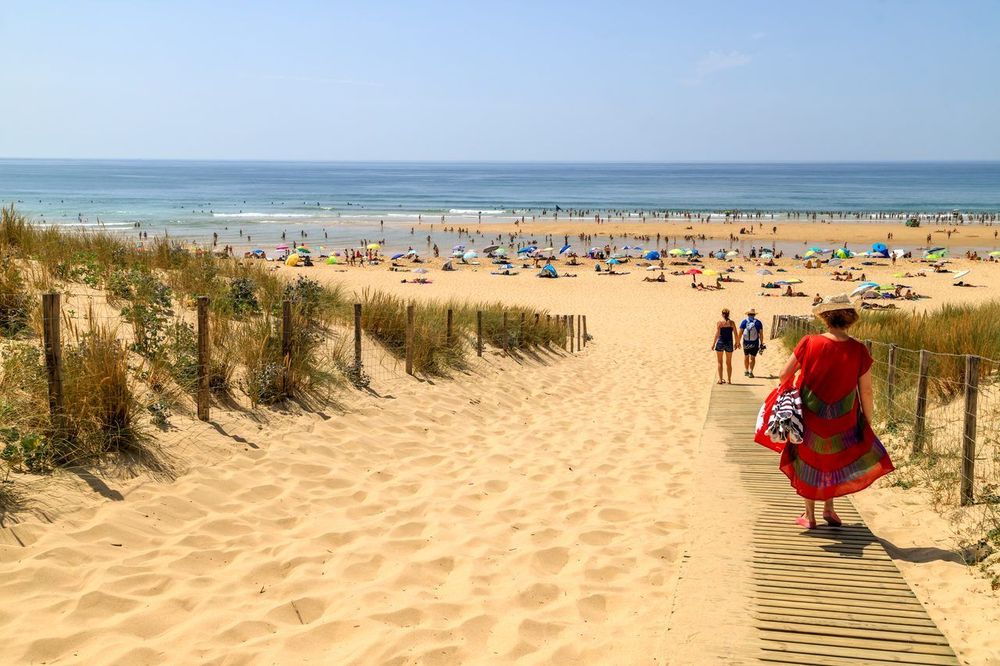
Bordeaux turns its back on the sea. Yet just fifty minutes by train separate its granite quays from the turquoise waters of the Arcachon Basin. The best beaches near Bordeaux are packed into a remarkably small area on a national scale: it is one of the few large French cities that offers both a semi-enclosed stretch of water with warm, calm waters ideal for families and a wild Atlantic coast pounded by perfect waves for surfers. While you explore the Ryo audio-guided tour of Bordeaux with our Ryo app, keep a day or two aside to head down to the ocean — you won't regret it.
These beaches stretch across a few dozen kilometres of coastline: from the calm waters of the Arcachon Basin to the unspoilt expanses of Grand Crohot where the dunes conceal kilometres of sand with not a beach umbrella in sight, via Lacanau where the waves reach 2 to 3 metres in autumn. This guide covers twelve beaches and coastal areas within a 120-kilometre radius of Bordeaux, with practical logistics for each one.
Arcachon: 4 Beaches and an Exceptional Basin
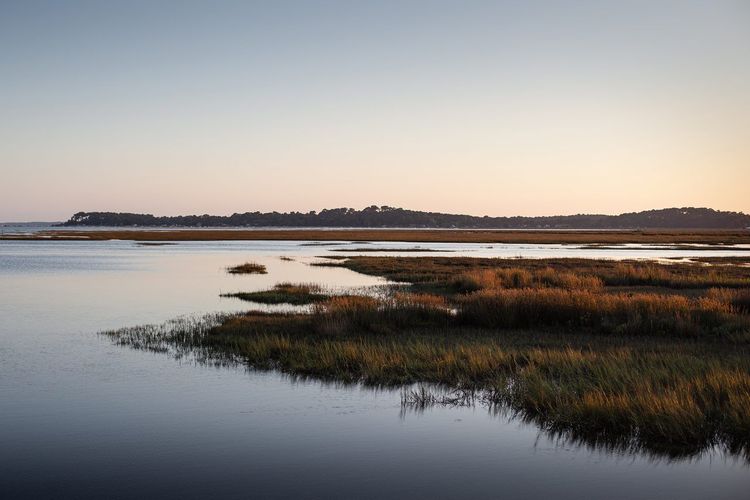
Arcachon is the benchmark seaside destination for Bordeaux residents. At 49 minutes by regional train from Saint-Jean station, it is the only major beach accessible without a car from the city centre. It is precisely this rail access that makes it the natural choice for a day trip, without the hassle of summer parking.
The Grande Plage d'Arcachon is the central beach, right on the seafront, a stone's throw from the Belle Époque casino and the wooden pier. The sand is fine and white, the basin waters calm and remarkably warm: they reach 22 to 24 °C in July and August, compared to 18–20 °C for the ocean at Lacanau. Supervised throughout the summer season and equipped with all amenities (showers, restaurants, sailing school, bike rental), it is the beach best suited to families with young children.
Three kilometres to the south-west, the Plage du Moulleau has a different feel. The neighbourhood is more residential, more peaceful, with Belle Époque villas tucked behind the pine trees. The beach is narrow, well exposed to the south, and often noticeably quieter than the Grande Plage even at the height of August. This is where Bordeaux families have been renting their holiday homes for generations. Accessible on foot or by bike from the centre of Arcachon along the seafront cycle path.
Between the two, the La Corniche boulevard runs along the waterfront with a direct view of the Dune du Pilat, whose 110-metre height is clearly visible on the horizon on clear days. Swimming is possible but the beach is narrow at high tide. The main draw here is the promenade and the string of seafood restaurants lining the avenue. Book a table in advance in July and August: the best spots fill up at the start of the month.
Further into the basin, on the north-east side, the Plage de La Hume (Avenue de la Plage, 33470 Gujan-Mestras, rated 4.3/5 on Google from 3,481 reviews) (commune of Gujan-Mestras) is popular with families staying inland. The waters are very calm and even warmer than in central Arcachon. One downside: the sandy bottom gives way to mud at low tide. Visit at mid-tide or high tide. The oyster village of La Barbotière is a few minutes' walk away for a seafood platter straight from the source.
Practical tip: Bordeaux–Arcachon regional trains run every 30 minutes in summer from Saint-Jean station. A single ticket costs around €6 one way (Nouvelle-Aquitaine regional fare). No reservation required. The Dune du Pilat is 8 kilometres from Arcachon: there is a seasonal shuttle bus, or you can cycle from town along the cycle path that runs alongside the basin.
Cap Ferret: Wild on the Ocean Side, Peaceful on the Basin Side
The Cap Ferret peninsula is a 25-kilometre sandbar separating the Arcachon Basin from the Atlantic Ocean. It requires a little extra logistical effort (car from Bordeaux, or a ferry crossing from Arcachon) but it offers two radically different worlds separated by just a few hundred metres.
La Pointe du Cap Ferret is the tip of the peninsula, where the calm waters of the basin meet the Atlantic rollers. The beach is wild, with no infrastructure whatsoever. The currents are strong and swimming is strongly discouraged. But the panorama over the Dune du Pilat opposite and the endless horizon behind it is one of the most beautiful natural viewpoints on the French Atlantic coast. The spectacle alone is worth the journey.
Halfway along the peninsula, the Plage du Petit Nice (Route de l'Océan, 33970 Lège-Cap-Ferret, rated 4.4/5 on Google from 1,756 reviews) is one of the few supervised beaches on the ocean side of Cap Ferret. It has a car park, basic facilities and regular summer waves — enough for beginner surfers or bodyboarders without the crowds of Lacanau.
On the basin side, oyster villages dot the road between Claouey and Le Canon. No surf here: flat water, blue-painted oyster huts and terraces where people eat oysters with saucisson and white wine at ten in the morning. It is a world apart. Both coastlines deserve a full day each if you are staying on the peninsula.
Getting there: from Bordeaux by car, allow 1 hour 15 minutes to the Pointe (A630 + D106). In summer, leave before 9:30 am: the D106 is congested by 10 am and the Pointe car park is full by 11 am. A Batobus shuttle connects Arcachon to Cap Ferret in a 15-minute crossing in July and August.
Lacanau Océan: The Surfers' Beach of the Gironde
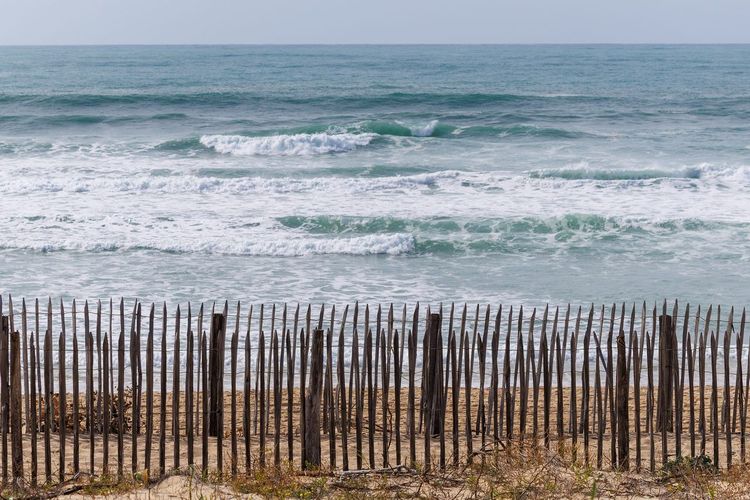
At 56 kilometres north-west of Bordeaux (about 1 hour by road), Lacanau Océan is the closest Atlantic resort directly accessible from the city. It is also one of the most consistent surf destinations on the French coast.
The Plage de Lacanau Océan (Boulevard de l'Atlantique, 33680 Lacanau, rated 4.6/5 on Google from 173 reviews) faces due west along a wide, straight stretch of coast that catches all the Atlantic swell. The waves are consistent and clean, with a beach break that works at all swell levels. There are numerous surf schools — at least ten — offering lessons from June to September for between €35 and €60 for a half-day depending on the package. Beginners learn on the more sheltered sections, supervised by BPJEPS Surf-qualified instructors.
For those who want to avoid the waves, Lacanau lake is 2 kilometres from the ocean. Two supervised freshwater beaches (La Bétourde, Maguide) offer water temperatures of 24–25 °C in high summer, ideal for families or a relaxed late afternoon.
Every summer, Lacanau hosts the Lacanau Pro, France's oldest professional surf competition (founded in 1979) and a stop on the WSL Qualifying Series circuit, the springboard to the global Championship Tour. If you plan to visit around the competition dates (usually mid-July), accommodation is fully booked months in advance. Worth noting — or planning around — depending on your preferences.
Le Porge and Grand Crohot: the Wild Beaches of the Médoc
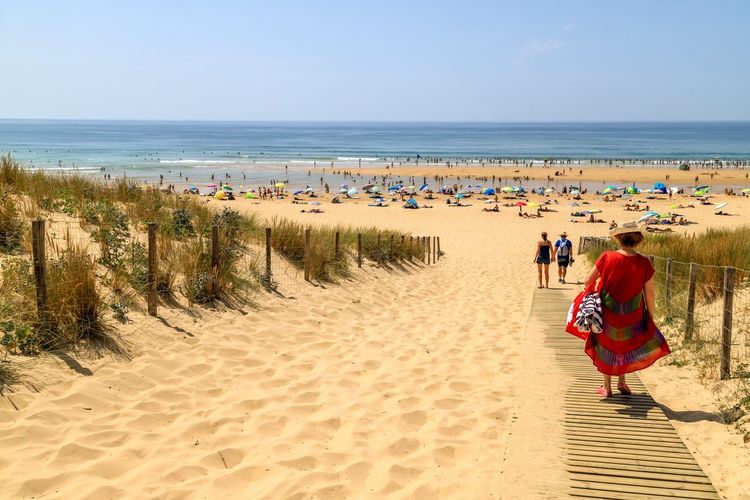
If you are looking for kilometres of sand with not a beach umbrella in sight and the feeling of having the coast to yourself, the beaches of Le Porge and Grand Crohot are your answer. They lie along the same coastal strip between Lacanau and Cap Ferret, accessible only by car via forest roads through the pine trees.
The Plage du Porge (Route de l'Océan, 33680 Le Porge, rated 4.7/5 on Google from 1,498 reviews) is 70 kilometres from Bordeaux. The road crosses the Landes forest for several kilometres before ending at a natural car park surrounded by dunes. The beach itself is vast — several kilometres of sand — with lifeguard supervision limited to a central section in summer. Ideal for a day of absolute peace and quiet, provided you respect the warnings about Atlantic currents.
Grand Crohot (commune of Lège-Cap-Ferret) is even more remote. No shop, no food on site: bring water and a picnic. The pine forest opens directly onto dunes several metres high, and the dunes onto a beach that can be 15 to 20 metres wide at high tide. This is the kind of coastal landscape you simply won't find anywhere else within an hour of a major French city.
Carcans-Plage and Hourtin: the Médoc Atlantic Coast
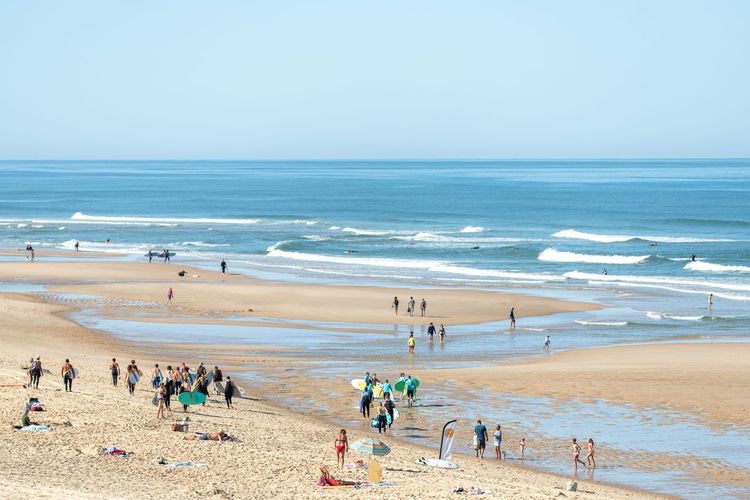
Further north, between 80 and 90 kilometres from Bordeaux, the Atlantic Médoc unfolds two seaside resorts that are little known to visitors from outside the region.
Carcans-Plage is a quiet seaside village backed by the Carcans-Hourtin lake, the largest natural freshwater lake in metropolitan France at nearly 60 square kilometres. The ocean beach is exposed and supervised in summer; the lake beach offers a gentle alternative, very popular with campers from the surrounding forest campsites. The lake water easily reaches 25 °C in July.
Hourtin-Plage, a few kilometres to the north, is the neighbouring resort. Same geographical setup: lake on one side, Atlantic on the other, pine forest in between. Hourtin is less crowded than Carcans and retains a more authentic character. The waves are often just as good as at Lacanau, with far fewer people on the sand. A real advantage for those who want to surf without hunting for a spot among July crowds.
Soulac-sur-Mer: the Beach at the Tip of the Médoc
At 110 kilometres north-west of Bordeaux (1 hour 20 minutes by road), Soulac-sur-Mer marks the northern tip of the Médoc, where the Gironde estuary opens onto the Atlantic. The town has an unusual history: it was literally buried under the sands in the 17th and 18th centuries before being excavated and rebuilt in the 19th. Its neo-Gothic and Art Nouveau seaside villas bear witness to a golden age rarely found elsewhere on the Atlantic coast.
The Plage de l'Amélie (Avenue de l'Amélie, 33780 Soulac-sur-Mer, rated 4.5/5 on Google from 288 reviews) is Soulac's main beach — long and well exposed, noticeably less crowded in summer than the basin beaches or Lacanau. Lifeguard supervision is provided throughout the summer. Accessible on foot from the town centre, which is a real advantage for those staying locally.
The Basilique Notre-Dame-de-la-Fin-des-Terres, a 12th-century Romanesque church and listed Historic Monument, is a stop on the pilgrimage route to Santiago de Compostela: a cultural excuse to round off a beach day with a solid architectural visit. Soulac-sur-Mer is accessible by train from Bordeaux (regional train with a change at Lesparre, about 2 hours), making it a car-free option for a one- or two-night stay.
Biscarrosse: Surf and Lakes, the Best of Both Worlds
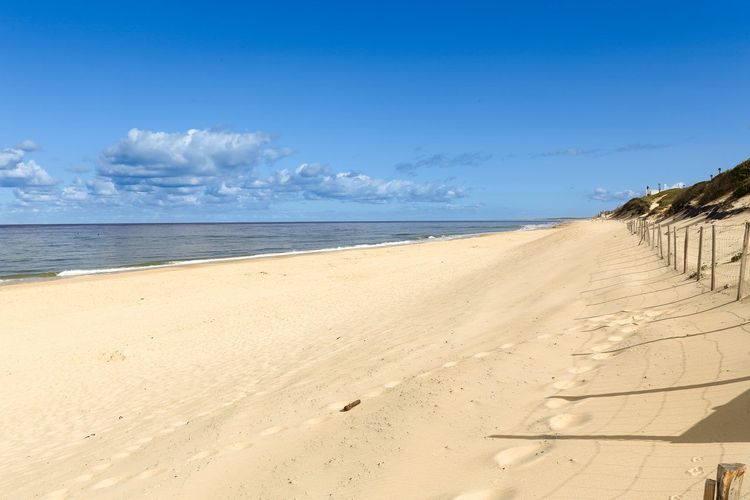
At 75 kilometres south of Bordeaux (Landes side), Biscarrosse is a dual town. One face on the lake side, another on the ocean side, and two atmospheres you can combine in a single day.
Biscarrosse-Plage offers a coastline perfectly exposed to Atlantic swells. The waves are often more powerful and longer than at Lacanau: Biscarrosse regularly hosts high-level surf competitions. The beach is supervised over 3 kilometres in summer, with clearly demarcated swimming sections and surf zones. The spot works best on an incoming tide, when the sandbars are well formed.
The Grand Lac de Biscarrosse is 4 kilometres from the ocean. It is a very active leisure lake: sailing, kitesurfing, paddleboarding, pedal boats, water skiing. Two supervised beaches in summer (Maguide and Navarrosse) welcome families and campers from the 4-star campsites in the pine forest. The lake temperature reaches 25 to 26 °C in high summer — 5 to 7 degrees warmer than the ocean.
If you combine both, start with the ocean beach in the morning, before the afternoon thermal winds set in (they can make getting out of the water uncomfortable from 3 pm onwards). Finish the afternoon at the lake, in calmer and warmer water.
If you wish to continue south towards the Basque Country, Biarritz is 2 hours south of Biscarrosse. The city has a fascinating seaside history: the Ryo audio guide of Biarritz: The Queen of Beaches and the Beach of Kings traces in 16 stages how a small Basque fishing village became the favourite of Napoleon III and European aristocracy. Back in Bordeaux, The Sleeping Beauty unfolds 30 stops of its own along the quays.
Contis-Plage: the Hidden Gem of the Landes
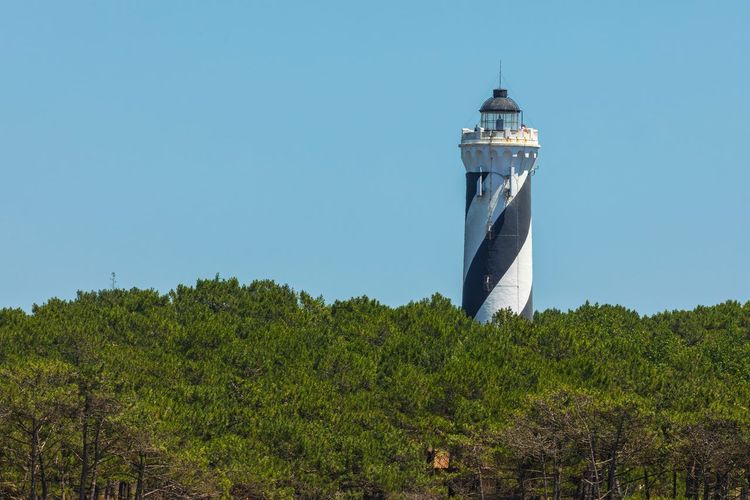
At 100 kilometres from Bordeaux, Contis-Plage is one of the least-known destinations in this selection. This small Landes seaside village has no bustling shopping street or major tourist infrastructure: just an exposed beach, a red-and-white striped lighthouse, and a few campsites among the pines.
The Plage de Contis is wide, with consistent waves that make it a favourite spot among surfers in the know. The mouth of the Contis stream creates particular conditions during swell periods: the sandy bottom rises quickly and generates short, hollow breaking waves, different from those at Lacanau or Biscarrosse. No crowds, no commercial surf schools — just the beach in its raw state.
The Phare de Contis (Chemin du Phare, 40170 Saint-Julien-en-Born, rated 4.4/5 on Google from 1,969 reviews) (38 metres tall, red and white striped) is the village's only tourist monument. It can be visited in summer for a few euros and offers an unobstructed view of the coast towards Biscarrosse to the north and Mimizan to the south. A fine way to end the day before heading back to Bordeaux.
Swimming Safely on the Atlantic Coast
A word of warning before diving into the waves. The Gironde and Landes coastline is subject to baïne currents: hollows carved in the sand by successive waves that can drag a swimmer out to sea within seconds. These currents are invisible from the shore and can catch even strong swimmers off guard. They only affect exposed ocean beaches — not the Arcachon Basin beaches or the lakes.
The rules to remember: swim only in areas marked by green or yellow flags, stay within the designated perimeter, and do not overestimate your ability against the Atlantic rollers. If you feel yourself being pulled away despite your efforts, do not fight the current head-on: swim parallel to the shore to escape it. The Beach Control app (free) displays the current flag colour for every supervised beach in the Gironde and Landes in real time.
These currents are made worse by strong swells. Millions of people swim on these beaches every summer without incident. Basic caution is all it takes.
When to Visit the Beaches near Bordeaux
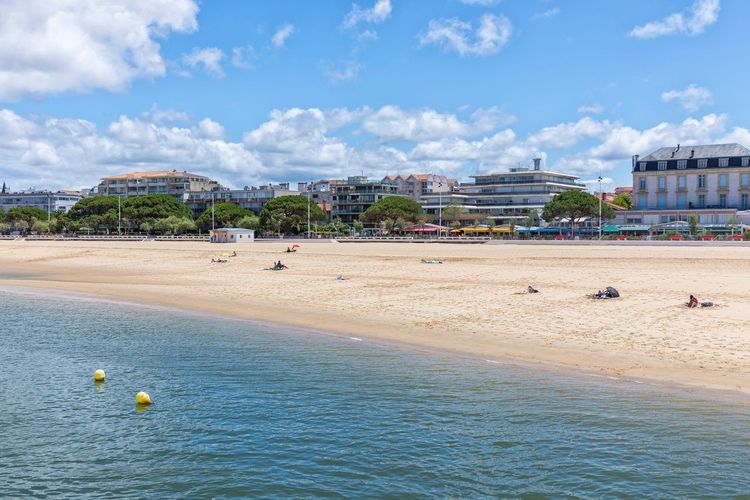
July and August are the peak season: all major beaches have lifeguard cover, shops and shuttles are up and running, and local festivals are in full swing. The downside is real: accommodation prices double or triple, roads are congested on Saturday mornings, and car parks at popular spots like Arcachon or Cap Ferret are full by 10:30 am.
June is often the best month for the Atlantic beaches. Temperatures on land are already summery (23–26 °C), the sea is beginning to warm up, and visitor numbers remain manageable in the first two weeks. Surf schools open from early June. One caveat: lifeguard supervision generally only begins around 20 June on smaller beaches.
September is the surfers' month. The autumn Atlantic swells arrive, the waves become more consistent and powerful, and the beaches empty out. Accommodation often stays open until mid-October at reduced rates. Swimming remains enjoyable until the end of September: the sea rarely drops below 18 °C before October.
Out of season (October to May), the Atlantic beaches have an undeniable wild charm for a hike or a winter walk. But swimming is for the brave and facilities are closed. Only Arcachon maintains year-round activity on the town side.
How to Get to the Beaches from Bordeaux
By train (without a car):
- Arcachon: regional train from Bordeaux-Saint-Jean, 49 min, departures every 30 min in summer, around €6 one way
- Soulac-sur-Mer: regional train with a change at Lesparre, about 2 hours, €8–9 one way
- Lacanau, Cap Ferret, Biscarrosse, Le Porge, Carcans, Contis: no direct train service
By car (from central Bordeaux):
| Destination | Distance | Estimated time | |---|---|---| | Lacanau Océan | 56 km | 1 h | | Arcachon | 65 km | 55 min | | Cap Ferret (Pointe) | 75 km | 1 h 15 | | Biscarrosse-Plage | 75 km | 1 h | | Plage du Porge | 70 km | 1 h | | Carcans-Plage | 90 km | 1 h 05 | | Contis-Plage | 100 km | 1 h 15 | | Soulac-sur-Mer | 110 km | 1 h 20 |
By bike:
The V80 Cycle Route (Route des Vins et des Plages) connects Bordeaux to Lacanau over 60 kilometres of signposted cycle path through the Médoc vineyards and then the Landes forest. Allow 3 hours 30 to 4 hours at a leisurely pace. Bikes can be taken on Bordeaux–Arcachon regional trains outside peak hours, on presentation of a bike ticket.
To complete your stay in the region, the guide to the 15 must-do excursions around Bordeaux lists other getaways from the city. If you are planning a weekend, the weekend around Bordeaux guide details the best two-day combinations.



FAQ
Which beach is closest to Bordeaux?
The closest beach is Arcachon, 49 minutes by regional train from Bordeaux-Saint-Jean station. By car, Lacanau Océan (56 km, about 1 hour) rivals Arcachon (65 km, 55 min), but Arcachon retains the decisive advantage of being accessible without a car. Its calm, warm waters, characteristic of the semi-enclosed basin, also make it the beach best suited to families with young children.
Can you get to the beach from Bordeaux without a car?
Yes, but options are limited. Trains serve Arcachon every 30 minutes in summer: it is the only beach truly accessible without a car from the city centre. Soulac-sur-Mer can be reached by regional train with a change at Lesparre (about 2 hours). For Lacanau, Le Porge, Cap Ferret, Biscarrosse or Contis, you need to combine carpooling or car rental. The V80 Cycle Route is a serious option for Lacanau if you are comfortable cycling 60 kilometres.
Which beaches are best suited to families with children?
The beaches of the Arcachon Basin are unanimously recommended for families: calm, warm waters (22–24 °C in summer) and wave-free swimming. The Grande Plage d'Arcachon, Le Moulleau and La Hume (Gujan-Mestras) are the most practical. For those with a car, the lakes are an excellent alternative: Biscarrosse lake, Carcans-Hourtin lake and Lacanau lake offer supervised beaches, water temperatures of 25–26 °C and gentle water activities. To avoid for toddlers: exposed ocean beaches, even in calm weather, due to baïne currents.
What is the best time to enjoy the beaches near Bordeaux?
July and August are the peak months with lifeguard supervision everywhere and shops open. But June and September offer a better balance of quiet and conditions: far fewer people, lower accommodation prices, and the sea remains pleasant (18–20 °C for the ocean, 22–24 °C for the basin). June is particularly popular with surfers for late-spring swells. Outside June–September, the Atlantic beaches are almost deserted and stunning for a walk, but unwelcoming for swimming.
Are the Atlantic beaches near Bordeaux dangerous?
The main danger is baïne currents — hollows carved in the sand by waves that can quickly pull a swimmer out to sea. These currents affect only exposed ocean beaches (Lacanau, Biscarrosse, Le Porge, Grand Crohot, Contis, the ocean side of Cap Ferret) and not the Arcachon Basin beaches or the lakes. The golden rule: swim only in supervised areas marked by coloured flags. Millions of people swim on these beaches every summer without incident.
Are there nudist beaches near Bordeaux?
Yes. Euronat, at Grayan-et-l'Hôpital (90 km north of Bordeaux in the Médoc), is one of the largest naturist villages in Europe with a dedicated supervised beach. The Montalivet area (commune of Vendays-Montalivet), neighbouring Euronat, has had a long naturist tradition since the 1950s and is one of the oldest naturist centres in France. Both sites are accessible by car in 1 hour 10 minutes from Bordeaux. On Cap Ferret, unofficial naturist swimming areas exist on the most isolated ocean beaches, with no specific organisation.
Conclusion
From the Arcachon Basin and its family-friendly beaches to the surf spots of Lacanau and Biscarrosse for wave enthusiasts, the wild expanses of Grand Crohot and Le Porge for those escaping the crowds, and the discreet charm of Contis at the far end of the Landes, the beaches near Bordeaux cover a remarkable spectrum. Few major French cities offer such access to a complete range of seaside experiences within less than two hours' travel.
Before heading to the beach or on your return to the city, explore Bordeaux itself with the Ryo audio guide of Bordeaux: 30 audio stops over 2 hours 30 minutes along the quays, from Les Chartrons to Place de la Victoire, to discover the city at its best.
À lire également