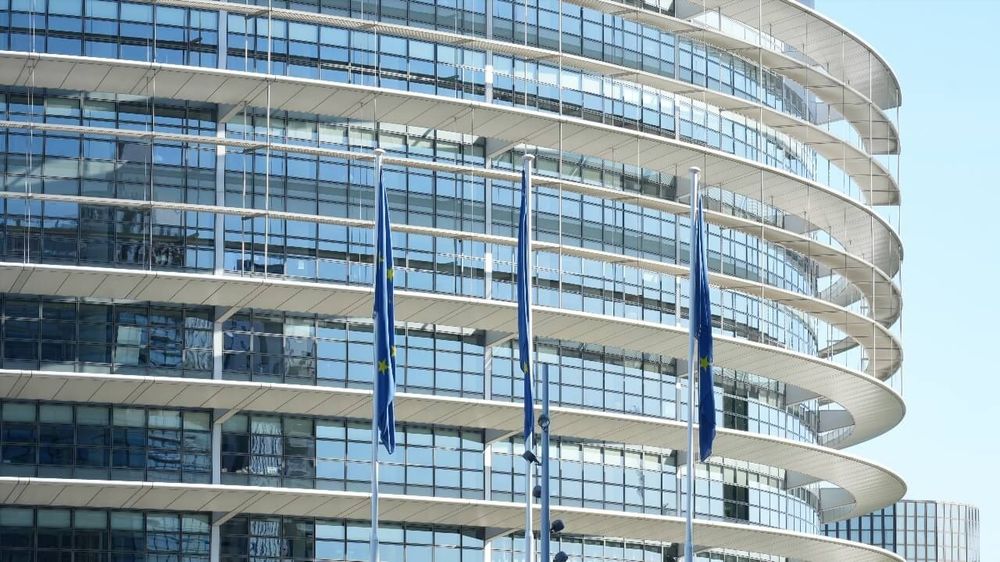
© Shutterstock
 Votre guide Ryo
Christmas Markets in Alsace: The Complete 2026 Guide
Christmas markets in Alsace aren't just an attraction among others: they're an entire season. Alsace smells of cinnamon and pine resin well before the rest of France brings out its first garlands. From the third week of November, more than forty Christmas markets open their chalets over a 190-kilometer stretch of territory, medieval villages, castle courtyards, squares dominated by Gothic cathedrals. This isn't regional marketing: it's the highest density in Europe, and the oldest Christmas market in the western world has been running in Strasbourg without interruption since 1570. Before diving into the chalets, the Ryo audio guide tour of Strasbourg, 32 points of interest, 2h40, gives you the keys to read the city beyond the garlands.
This guide covers what you need to know before leaving: the markets that really deserve the trip (and why), an itinerary to combine several cities in a weekend or five days, the 2026 dates, the specialties not to miss, the moments to avoid and those that make all the difference. From the Christkindelsmärik of Strasbourg to the six simultaneous markets of Colmar, through the medieval alleyways of Riquewihr where bakers still knead their bredele the old-fashioned way, here's everything you need to prepare an Alsatian December stay.
Why Alsace is the Global Reference for Christmas Markets
Christmas markets in Alsace didn't earn their reputation by accident. They built it on four centuries of continuity that few European regions can claim. The decorated Christmas tree as practiced by the whole world today appeared in Sélestat in 1521: the municipal records of the city record the expenses for guarding trees cut from the communal forest, the first written trace of the known tradition. Strasbourg's Advent market followed in 1570, several decades before Vienna or Nuremberg developed theirs.
What distinguishes Alsace from other French regions is also geography. Within a 50-kilometer radius around Colmar, you count more than forty distinct markets between mid-November and late December. Some last six weeks, others just one weekend. Many are set in settings that urban markets in Île-de-France or Brittany simply cannot reproduce: Renaissance castle courtyards, Gothic abbeys, intact medieval squares. The Wine Route that winds between Mulhouse and Marlenheim connects most of them, making multi-stage circuits natural and inexpensive in travel time.
The Alsatian tradition of Christmas decorations, the Weihnachtsschmuck, has been an industry in its own right since the 16th century. The glass blowers of Meisenthal, the Christmas cookie makers of the vineyard villages, the potters of the Vosges foothills: local craftsmanship survived two world wars and mass retail. We find it at the markets, in the hands of exhibitors who make their products themselves, and that's what makes the difference with reconstructed markets from other regions.
Strasbourg: The Christkindelsmärik, Europe's Oldest Christmas Market
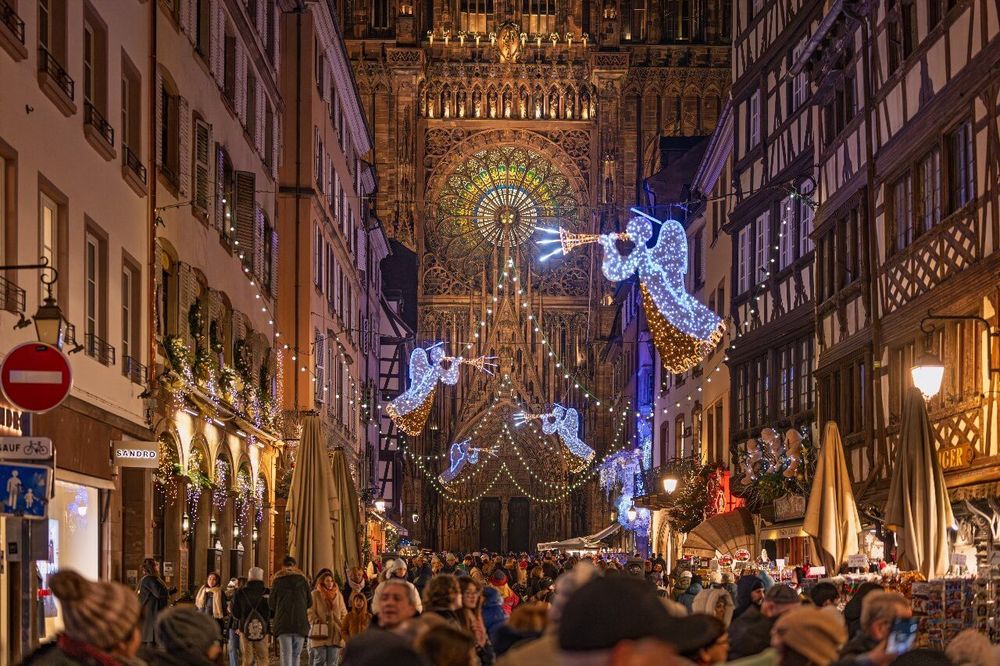
Strasbourg opens its market every year on the last Friday of November, without exception for 456 years. The Christkindelsmärik, "Christ Child Market" in Alsatian dialect, spreads its 300 chalets over Place Broglie, Place de la Cathédrale and several adjacent streets of the classified historic center. Entry is free, chalets open at 11am and close at 8pm on weekdays, 9pm on weekends. The duration is fixed: exactly four weeks, until December 24.
The Notre-Dame Cathedral of Strasbourg (Place de la Cathédrale, 67000 Strasbourg, rated 4.8/5 on Google for 76,487 reviews) dominates the square and its 142-meter tower constitutes the landmark visible from most streets in the center. Every evening from 5pm, a free sound and light show is projected on the Gothic facade, 15 minutes, programmed every hour. Arrive early to get a good angle: the crowd densifies after 6:30pm, especially Friday and Saturday.
Strasbourg's market isn't limited to the main square. The Petite France district, a ten-minute walk from Place Broglie, organizes its own market in a setting of half-timbered houses that border the Ill canals. The atmosphere there is noticeably calmer than around the cathedral, and local artisans are twice as numerous as resellers. This is where you'll find Alsatian potters, traditional embroiderers and bredele makers who still bake their cakes on site in December.
The great fir tree of Place Kléber deserves a special mention. Standing 30 meters tall, it is installed each year by the City of Strasbourg as part of the unofficial title of "European Christmas capital" that the city has claimed since 1992. The official lighting of the tree, on the opening evening of the market, attracts tens of thousands of people. If you're in Strasbourg that evening, settle on Place Kléber an hour early.
For the practical visit: avoid Saturdays and Sundays between 12pm and 6pm, attendance figures reach 100,000 visitors per day on those weekends. A Thursday or Friday morning remains accessible even in December. The Altdorf parking lot 15 minutes by tram allows you to avoid downtown traffic jams. Tram lines A and D serve Place de l'Homme-de-Fer, 3 minutes walk from Place Broglie.
To explore the city beyond the chalets, the Rohan Palace, the European quarter, the museums, Petite France, the Ryo audio guide of Strasbourg covers 32 points of interest in 2h40 and can be downloaded before leaving to work offline in the city center streets.
Colmar: Six Themed Markets in a Fairytale Setting
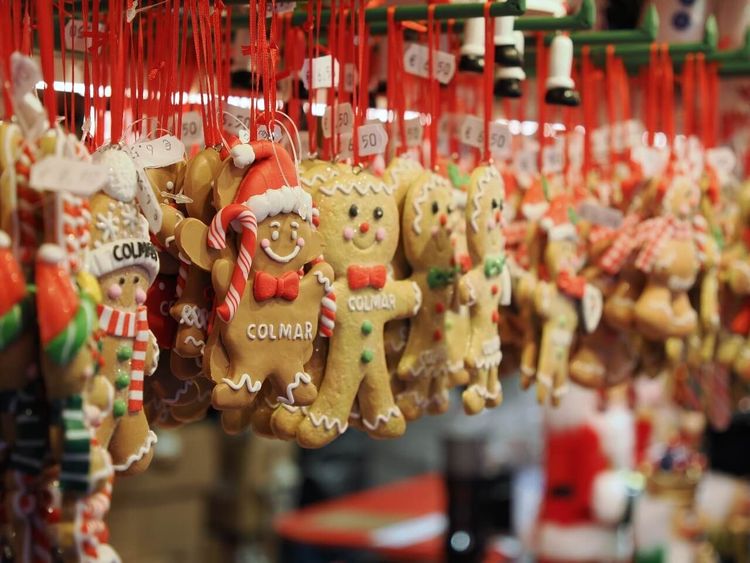
Colmar doesn't organize one Christmas market. It organizes six simultaneously, each set in a distinct neighborhood since 1993, with its own identity and different exhibitors. This organization by clusters distinguishes Colmar from all other Alsatian cities: you can spend a whole day successively touring six atmospheres without ever leaving the historic center.
The main market is set up at Place d'Unterlinden, in front of the museum that houses the Isenheim Altarpiece. The chalets sell primarily regional products, Alsace wines, foie gras, kougelhopf, munster, with a rigorous selection. The children's market occupies Place des Dominicains, with an outdoor ice rink and activities every afternoon. Place de l'Ancienne Douane hosts the gourmet market, focused on Alsatian gastronomy and artisan winemakers.
The Petite Venise, the tanners' quarter bordered by the Lauch, is perhaps the most photographed setting in Alsace in December. The pastel facades of half-timbered houses are reflected in the canal water, balconies are loaded with garlands and boatmen offer boat rides even in the middle of winter. The merchants of Petite Venise dress their shops as a permanent market: it's less an organized market than an immersion in a 16th-century neighborhood in celebration.
Colmar also organizes a market on Place des Six-Montagnes-Noires (decorations and artisanal toys) and a hub on Place Jeanne d'Arc (local flavors and artisanal creations). In total, you can spend four to five hours in Colmar in December without feeling like you've seen everything. The city is also an ideal base for touring the wine villages, Kaysersberg is 11 km away, Eguisheim 5 km.
To prepare for visiting Colmar beyond the markets, between the Unterlinden Museum, the Pfister House and the tanners' quarter, the Colmar audio-guided tour covers 21 points of interest in 2h10 and gives the historical context of each place.
Colmar dates and hours: markets usually open the last week of November and close December 30. Hours: 10am-8pm weekdays, 10am-9pm weekends. Attendance remains manageable on weekdays; the alleys of Petite Venise can become difficult to navigate after 3pm on December Saturdays.
Kaysersberg: A Classified Village, a Selection of Artisans
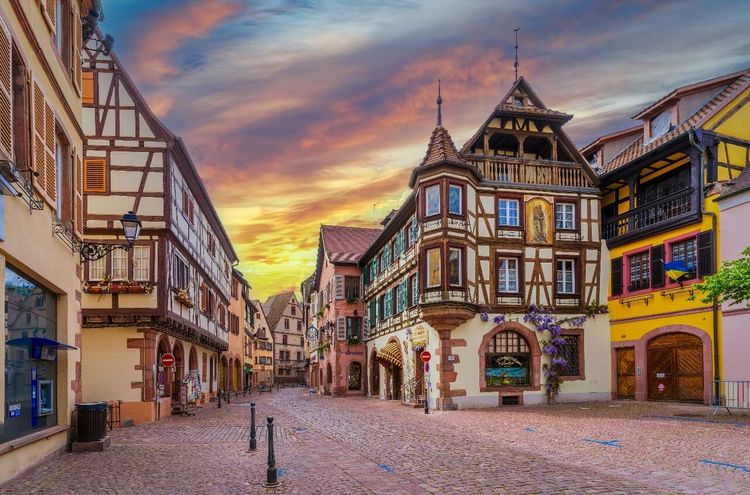
Kaysersberg regularly appears in rankings of the most beautiful villages in France. Its Christmas market is in the image of the village: modest in size, demanding in selection. Only about sixty chalets set up around the Constantin fountain and Sainte-Croix church, but the exhibitors are mostly local or regional artisans, no imported products, no plastic decorations. The city's specifications are among the strictest in Alsace.
The village itself justifies the detour beyond the market. The half-timbered houses from the 15th and 16th centuries are among the best preserved in the region. The medieval castle in ruins overlooks the rooftops from a hill accessible on foot in 15 minutes, with a clear view of the vineyard and the Vosges. The Weiss, the stream that crosses the village, is framed by old wooden footbridges that residents decorate themselves in December. Albert Schweitzer was born here in 1875; his birthplace is open to the public.
Kaysersberg is 11 kilometers from Colmar via the D415, or 15 minutes by car. If you spend the night in Colmar, half a day in Kaysersberg in the morning (before 1pm, to avoid weekend crowds) is one of the most successful combinations in the region.
Riquewihr: Bredele and Vineyard in Celebration
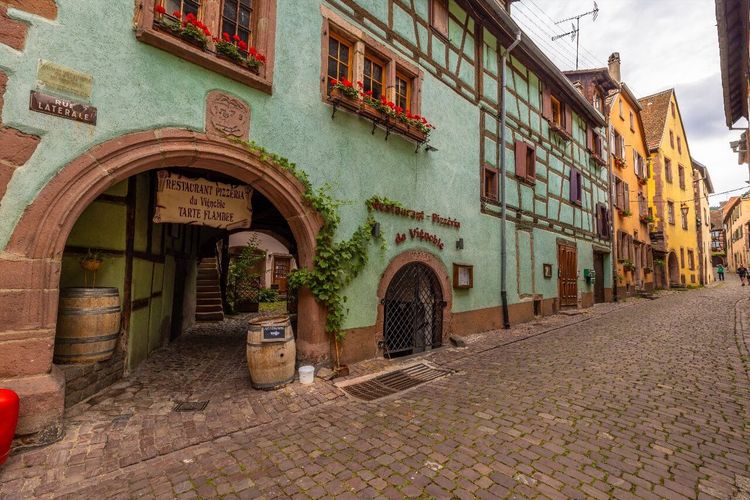
Riquewihr is the most visited Alsatian village in France outside Strasbourg and Colmar, and its Christmas market is consistent with this reputation. The medieval village, whose 15th-century walls are intact, transforms entirely in December. Light garlands are stretched between houses, chalets set up in the inner courtyards of wine estates, and musicians in period costume play in the Grand'Rue throughout the day.
The local specialty, and Alsatian in general, are bredele, these small Christmas cookies of which there are about fifty varieties according to families. Several bakeries and confectioneries in Riquewihr sell homemade bredele all day in December. Allow at least an hour for the Grand'Rue and perpendicular alleys. Maison Hugel, founded in 1639 and still in the same family, welcomes visitors to its cellar in December: a tasting of Riesling or Gewurztraminer after touring the market is almost naturally required.
Riquewihr is 4 kilometers from Zellenberg and 11 km from Kaysersberg, allowing you to combine both villages in half a day by car.
Eguisheim: The Spiral Alleys of the "French People's Favorite Village"
Eguisheim was elected "French people's favorite village" in 2013, and its spiral plan, concentric streets around Saint-Pierre-et-Paul church, gives it a unique character among Alsatian markets. The chalets don't line up in straight rows: they follow the curve of medieval alleys, giving the impression of turning in a village-carousel.
Eguisheim's market takes place only on Advent weekends, four weekends, no more. This short duration contributes to its preserved atmosphere: exhibitors are almost exclusively artisans from the village or surrounding vineyard. The 15th-16th century half-timbered houses have retained their coats of arms and inscriptions in old Alsatian. Eguisheim is 5 kilometers from Colmar: the combination Colmar in the morning, Eguisheim in the afternoon, is one of the most efficient options for a December Saturday.
Obernai: The Great Market of the Vosges Foothills
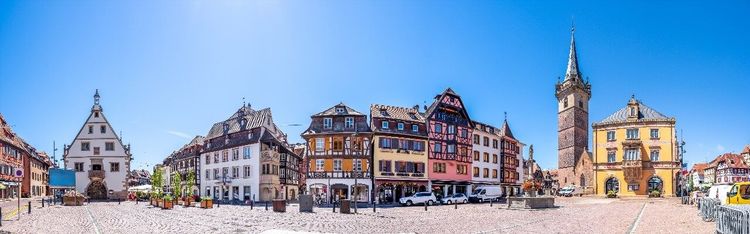
Obernai organizes one of the most important markets in Bas-Rhin with its 120 chalets on Place du Marché and rue du Général Gouraud. It's a town of 12,000 inhabitants with a dense historic center: 15th-century belfry, six-bucket well, medieval grain hall. This architectural setting gives the market a depth that many other Alsatian cities of the same size don't have.
Obernai's strong point is its gastronomic market. Several Alsatian producers, charcutiers, cheese makers, winemakers from AOC Alsace, hold stands where you can taste and buy directly. Local beer brewed by Brasserie Météor, founded in 1640 in Hochfelden, is served in the market refreshment stands. Obernai is accessible by train from Strasbourg in 25 minutes, with the station 10 minutes walk from the market. It's a very realistic alternative if you want to avoid Strasbourg's saturation on a Saturday.
Sélestat: The City That Invented the Christmas Tree
Most visitors pass by Sélestat without stopping. This is a mistake. This city of 20,000 inhabitants between Colmar and Strasbourg has one of the richest humanist libraries in Europe (UNESCO classified) and, above all, the oldest document mentioning a decorated Christmas tree.
Sélestat's municipal records dated 1521 record expenses for guarding fir trees from the communal forest, the first written trace of this tradition in the world. The Humanist Library preserves this document and displays it each December in a dedicated showcase. The Christmas market occupies the historic center around Sainte-Foy church (Romanesque, 12th century) and Saint-Georges church. A hundred chalets, an ice rink, activities for children on Wednesdays. The atmosphere is that of a city celebrating Christmas without overtourism, a pleasant counterpoint to Riquewihr or Eguisheim on December weekends. Strasbourg, a short train ride away, makes the natural base for the trip, and our audio-guided tour covers its old town in 33 commented stops.
Mulhouse: Christmas Fabric and 180 City Chalets
Mulhouse plays in another category than the wine villages: it's an industrial city of 112,000 inhabitants that assumes its urban identity. Its Christmas market, one of the most frequented in Alsace after Strasbourg and Colmar, extends over several squares with more than 180 chalets.
Place de la Réunion hosts the heart of the market, dominated by Saint-Étienne temple and the Renaissance town hall with its trompe-l'oeil facade, one of the rare examples of this architectural style in Alsace. Mulhouse's market is reputed to be more accessible than Strasbourg, less saturated on weekends, cheaper for accommodation, with a selection of quality regional products in the covered halls.
Mulhouse is also the gateway for visitors from Switzerland and Germany: the TGV station is 10 minutes walk from the market, and Basel is only 20 minutes by TER. If you combine Mulhouse with Colmar, plan two days: the two cities are 43 kilometers from each other and each deserves at least half a day.
Saverne, Wissembourg, Thann, Haguenau: The Confidential Markets
Northern and southern Alsace are often neglected in favor of the central Wine Route. Four cities nevertheless deserve the detour for those seeking fewer crowds and more authenticity.
Saverne, 40 kilometers northwest of Strasbourg, sets up its market in the courtyard of Château des Rohan, an 18th-century neoclassical palace whose imposing proportions form a theatrical setting for the Christmas chalets. The market remains modest (about sixty exhibitors), but the castle enclosure gives it an atmosphere that ordinary market squares cannot reproduce.
Wissembourg, at the German border in the north of the department, holds its market on the central square framed by the Abbey Church of Saint-Pierre-et-Paul, one of the largest churches in Alsace. The city is bi-national at heart, part of the population comes from Germany, and its market mixes Alsatian and German traditions with natural fluidity. If you arrive from Karlsruhe or Heidelberg, Wissembourg often constitutes the logical first stop in French territory.
Thann closes the Alsace Wine Route from the south, at the foot of the Rangen vineyard. Its Christmas market is set up around Saint-Thiébaut collegiate church, a masterpiece of flamboyant Gothic whose western portal is considered one of the most finely sculpted in eastern France. About forty exhibitors offer vineyard products and local crafts in a calm that the big markets can no longer offer.
Haguenau, Alsace's fourth city, organizes its market on Place d'Armes and in adjacent streets of the medieval center. What distinguishes it: its local artisans work wood, resin, bark and pine cones from the Haguenau undivided forest (13,000 hectares, the largest plain forest in Alsace) to make decorations that literally smell like the Vosges forest. Haguenau is 30 minutes by TER from Strasbourg, allowing you to combine both markets in the same day.
The Essential Flavors: Mulled Wine, Bredele and Flammekueche
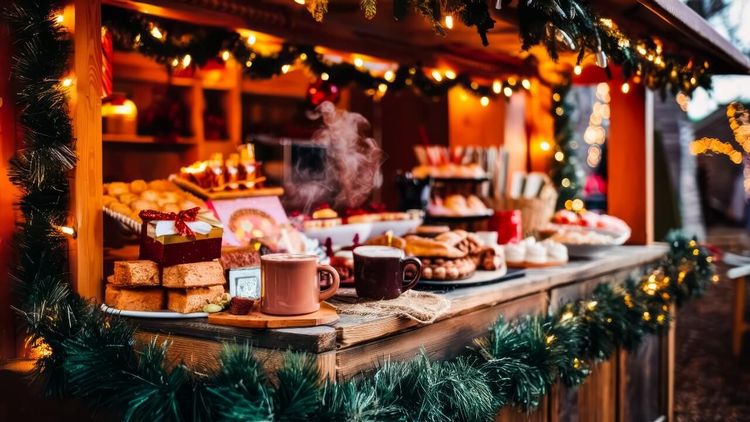
Visiting an Alsatian Christmas market without tasting its specialties is like visiting Bordeaux without opening a bottle. The flavors here are as old as the markets themselves.
Alsatian mulled wine, Glühwein in local dialect, is distinguished from its Parisian or Lyon equivalents by the use of Alsace Pinot Noir as a base, flavored with cinnamon, star anise, orange zest and cloves. Each stand has its own recipe, and spice proportions vary from one chalet to another. Tradition dictates that you return the mug (often with a 1 or 2 euro deposit) or keep it as a souvenir, most people keep the mug.
Bredele deserve a whole paragraph. There are about fifty varieties according to Alsatian families: springerles (anise and glazed white sugar, molded in carved wooden forms), zimtsterne (cinnamon and almond stars), pfeffernüsse (spices, black pepper and honey), schwowebredele (butter and almonds, the most common version). Each family jealously guards its recipes, passed down from generation to generation. At markets, homemade bredele are recognized by their denser texture and more pronounced fragrance than industrial versions.
Flammekueche, flammkuchen in French, is the ideal snack between two chalets. Thin, crispy, topped with crème fraîche, bacon bits and sliced onions, it's eaten standing right from the plate in a few minutes. The sweet version (apples, cinnamon, brown sugar) is less known but equally successful.
Other specialties to watch for: gingerbread from Gertwiller (village that dedicates a museum and several specialized shops to it), kougelhopf brioche with rum flavor and almonds that you'll find at bakers in each village, and presskopf (Alsatian head cheese) served in the gastronomic refreshment stands of Colmar and Obernai markets.
2026 Dates and When to Come
Alsatian Christmas markets operate according to a predictable calendar, but exact 2026 dates will be confirmed by tourism offices starting September 2026. Based on previous editions, here are the reliable landmarks.
Openings:
- Colmar (six markets): last week of November, around November 20, 2026
- Strasbourg (Christkindelsmärik): last Friday of November, November 28, 2026 (estimate)
- Mulhouse: third week of November
- Wine Route Villages (Riquewihr, Kaysersberg, Eguisheim): first weekend of Advent, November 29, 2026
- Obernai, Sélestat, Saverne, Haguenau, Wissembourg: end of November
Closings: almost all markets close on December 24 or 31. Mulhouse sometimes extends until January 6 for Epiphany.
When to come to avoid crowds. The weekends of December 5-6 and 12-13 are systematically the busiest. Flows reach 100,000 visitors/day in Strasbourg those weekends. A Tuesday or Wednesday of the first half of December, attendance is divided by three in Strasbourg, by two in Colmar. The week of December 8 (Feast of the Immaculate Conception, public holiday in some European regions) attracts many Belgian, German and Swiss visitors: to avoid if you fear crowds.
Late opening. If you arrive after December 20, most markets are still open and crowds have significantly decreased. The atmosphere is different, less festive, more intimate, but the markets are worth the detour until the 24th.
Weather. December temperatures oscillate between -3 and 7 degrees in Alsace. Snow is possible from mid-December in the heights, but rarely guaranteed in the plains. Plan waterproof shoes: historic center cobblestones can be icy from nightfall, and hurried crowds don't always leave time to watch where you walk.
Practical Itinerary: Organizing 2 Days or 5 Days in Alsace
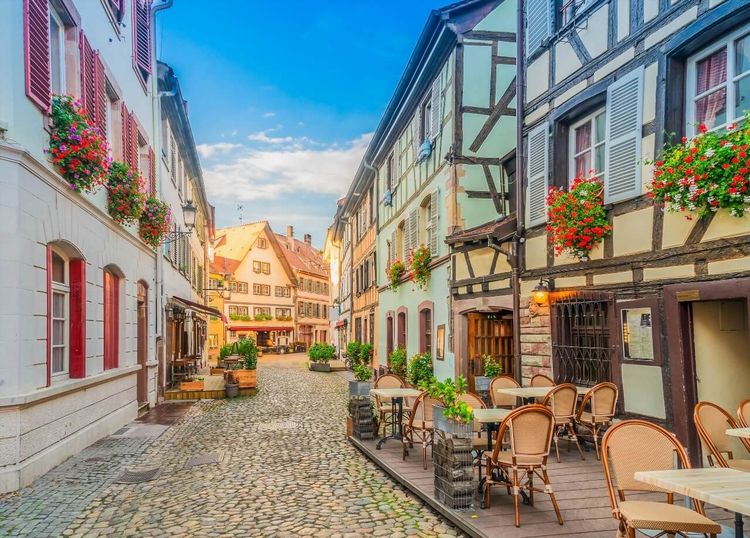
Alsace is small, 190 km from north to south, and the markets are geographically clustered. This density makes multi-stage combinations realistic even on a short stay.
2-day weekend: the Strasbourg-Colmar duo
Day 1, Strasbourg. Arrive Friday evening to avoid Saturday morning traffic jams. The Christkindelsmärik is open until 8pm. Dedicate the evening to Cathedral Square (sound and light show at 6pm and 7pm) and the Petite France district. Saturday morning before 11am, you can still move comfortably around Place Broglie and around the great fir tree on Place Kléber. Leave Strasbourg around 12:30pm.
Day 2, Colmar. The A35 highway connects Strasbourg to Colmar in 35 minutes. Arrive early afternoon and start with Petite Venise (calmer in early afternoon than morning). Continue with the Place Unterlinden market in the evening. If you have time Sunday morning before leaving, a detour to Eguisheim (20 minutes drive from Colmar) completes the stay with a village atmosphere that the two big cities cannot offer.
To get the best out of Colmar beyond the chalets and garlands, the Ryo audio guide tour of Colmar covers 21 points of interest in 2h10 and works offline, useful in alleys where the network may be limited.
5-day stay: the complete Wine Route
- Day 1: Strasbourg, main market, Petite France, great fir tree Place Kléber
- Day 2: Obernai in the morning (train from Strasbourg, 25 min), Sélestat in the afternoon (Humanist Library + market)
- Day 3: Riquewihr and Kaysersberg (11 km from each other, to combine in one day)
- Day 4: Colmar (full day for the six markets)
- Day 5: Eguisheim in the morning (5 km from Colmar), Mulhouse in the afternoon (43 km)
Accommodation. Colmar is the ideal base. Prices there are more reasonable than in Strasbourg in December. Book 6 to 8 weeks in advance for a December weekend: establishments are fully booked from October.
Getting around. Car remains the most flexible means for the Wine Route. Villages (Riquewihr, Kaysersberg, Eguisheim, Thann) are not served by train. On the other hand, Strasbourg, Colmar, Obernai, Sélestat and Mulhouse are connected by regular TER trains. An "Alsace at will" pass is available from SNCF for December weekends.
Indicative budget. Markets are free to enter. Allow 15-20 euros per person for a light meal on site (mulled wine, flammekueche, wurst). Double room accommodation in December varies from 80 to 200 euros depending on the city and weekends. Artisanal purchases depend on desires: from 5 euros for a bag of bredele to 80 euros for a hand-blown decoration.
FAQ
What is the Most Beautiful Christmas Market in Alsace?
The answer depends on what you're looking for. Strasbourg (Christkindelsmärik, 300 chalets, open since 1570) is the absolute reference for size and setting, the cathedral illuminated every evening remains a spectacle without equivalent. Kaysersberg or Eguisheim offer a preserved village atmosphere with exclusively local artisans. For the best combination of decor and diversity in a single day, Colmar and its six themed markets in six different neighborhoods offer the greatest richness. None of the three is superior to the others, they respond to different expectations.
When Do the Christmas Markets of Alsace Open in 2026?
The exact dates will be confirmed by tourism offices in autumn 2026. Based on previous editions: Colmar usually opens around November 20, Strasbourg on the last Friday of November (estimated November 28, 2026), and the villages of the Wine Route on the first weekend of Advent (November 29, 2026). Most markets close on December 24 or 31. Mulhouse sometimes extends until early January.
Do You Have to Pay to Enter Alsatian Christmas Markets?
No. Entry to all Alsatian Christmas markets is free, without exception. Only some specific activities may be paid: ice rinks, indoor shows, certain guided tours organized by tourism offices. On the busiest weekends, some cities like Strasbourg implement crowd management systems (imposed circulation directions in alleyways), but this is not an entry fee.
How to Get to Strasbourg Without a Car for the Christmas Markets?
Strasbourg is excellently served by TGV from Paris (1h47), Lyon (3h), Bordeaux (4h30) and Brussels (3h). The central station is 15 minutes walk from the Christkindelsmärik. The tram serves place de l'Homme-de-Fer (lines A and D), 3 minutes walk from place Broglie. From Germany, direct TER trains arrive from Offenburg, Karlsruhe and Freiburg. From Switzerland, direct trains depart from Basel in 35 minutes.
Can You Do Strasbourg and Colmar in One Day?
It's possible but not recommended on a December weekend. Both markets each deserve at least half a day, and transportation between the two cities (car or TER, 35-50 minutes) eats up time. On weekdays, the pace is more relaxed and the combination is pleasant if you arrive early in Strasbourg. For a weekend, it's better to devote a full day to each city and enjoy the evening in each.
What is Alsatian Bredele?
Bredele (or bredalà in Alsatian dialect) refers to the traditional Christmas cookies of the region. There are about fifty varieties: springerles (anise and sugar, molded in wooden forms), zimtsterne (cinnamon and almond stars), pfeffernüsse (spices and pepper), schwowebredele (butter and almonds). Each Alsatian family keeps its own recipes passed down from generation to generation. At markets, you'll find homemade bredele in Riquewihr, Kaysersberg and most villages, recognizable by their dense texture and pronounced spice fragrance.
Conclusion
Alsace in December is an entire region organized around a tradition that spans centuries without waning. From the 456 years of Strasbourg's Christkindelsmärik to the spiral alleys of Eguisheim, from the canals of Colmar's Petite Venise to the cellars of Riquewihr where Gewurztraminer awaits the curious, each Christmas market in Alsace has its own identity. A weekend is generally not enough, which is often what pushes visitors to return the following year with a slightly different itinerary.
Before and after the markets, Strasbourg and Colmar are worth exploring beyond the chalets. The Ryo audio guide tour of Strasbourg, 33 points, 2h40, and the Colmar audio-guided tour, 21 points, 2h10, allow you to tour these two cities at your own pace, without groups or imposed schedules, to download before leaving to use offline in the old Alsatian streets.
À lire également