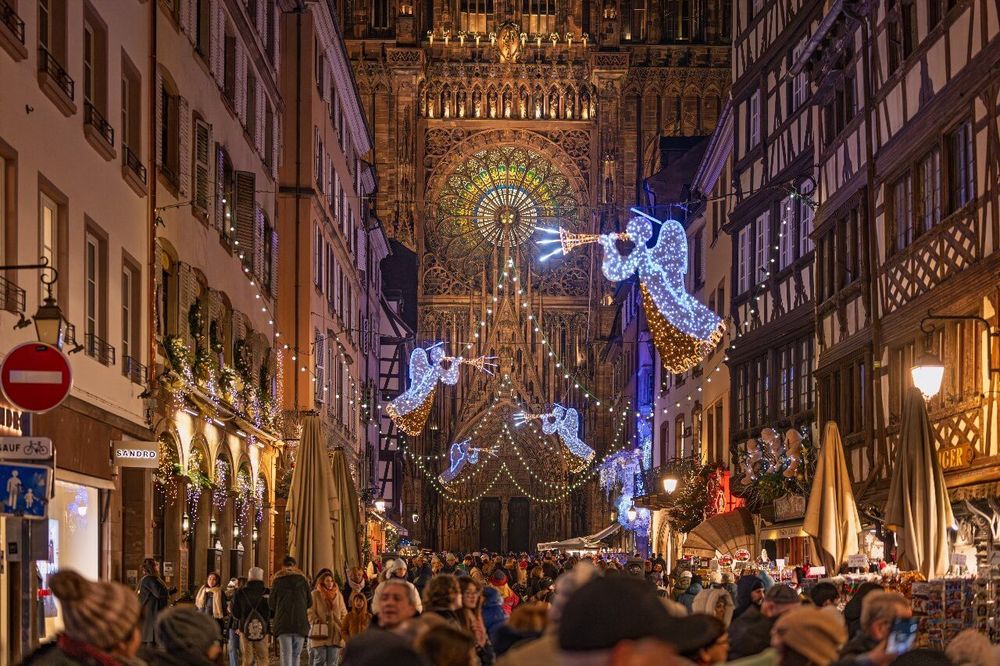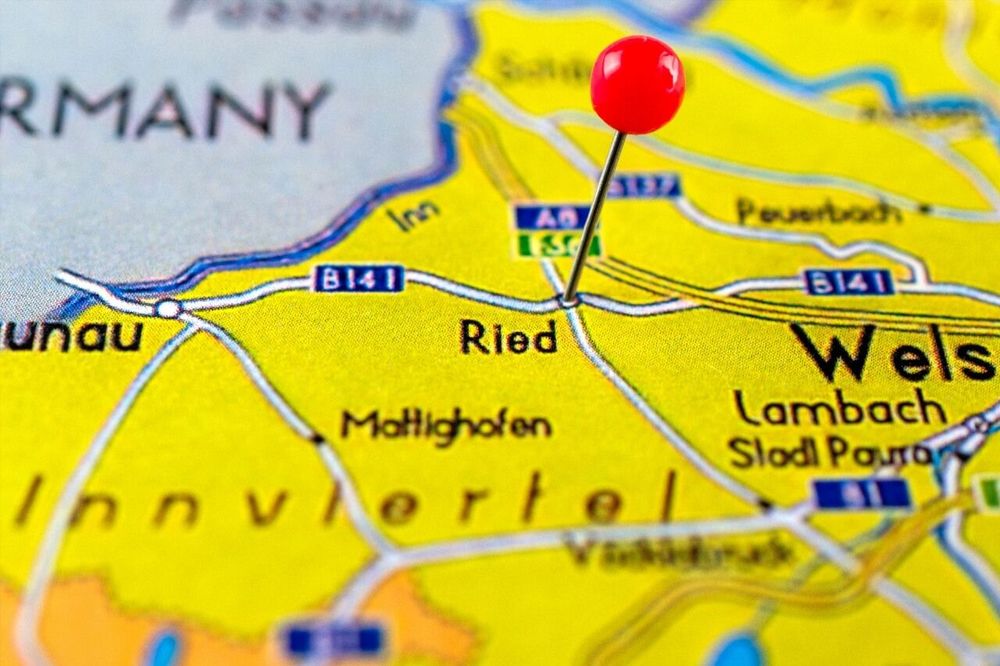
© Shutterstock
 Votre guide Ryo
Canoeing and Kayaking in Alsace: The Best Places to Paddle on the Rhine and Ill (2026)
Canoeing in Alsace means paddling on a dense and varied waterway network: the Ried plain, the Ill river, the Rhine-Rhône canal and the Rhine's backwaters form an exceptional playground for those wanting to get off the beaten path. Bases like Alsace Canoës, located in Sélestat, make it an accessible destination from the first paddle stroke. It's no coincidence that the region attracts thousands of practitioners each year: here, canoeing and kayaking can be enjoyed on calm canals bordered by willows as well as on large bodies of water, with the backdrop of the first vines of the Alsatian vineyard. Whether you're looking for a family day trip around Sélestat, a two-person descent on the Ill between Colmar and Strasbourg, or simply a starting point to explore the Ried canoes, you'll find in this guide the operators, rates, routes and practical tips to organize your stay. And if you want to extend the adventure on land, the Ryo audio-guided tour of Strasbourg awaits you with its 32 points of interest along the Petite France district.
Why Alsace Is Ideal for Canoeing and Kayaking
Unlike mountain regions where white water requires technical skill, Alsace mainly offers flat or very calm routes, accessible from the first paddle stroke. The Rhine plain extends over a width of 30 to 40 kilometers between the Vosges and Black Forest, and its secondary waterways, particularly those of the Central Alsatian Ried, meander through landscapes of reed beds and alluvial forests classified as Natura 2000.
Distances are short and stages easily adjustable. An outing on the Ried canoes from Sélestat can be done in 2 hours or a full day depending on water level and the group's desire. The season runs from April to October, with a peak in July-August, but spring offers higher water levels and still-fresh vegetation worth the detour.
The other Alsatian asset is the cultural density within paddling distance. You finish your descent a few kilometers from half-timbered villages, medieval castles or Colmar's historic center. Water and heritage naturally combine here, which is rare enough to be mentioned.
The Ried Canoes: Paddling in the Heart of the Alsatian Plain
The Central Alsatian Ried is probably the most photographed and sought-after sector by nature lovers: a classified wetland between Strasbourg and Sélestat, crossed by winding channels where you glide under a canopy of ash and alder trees. The term "Ried canoes" refers both to the routes offered in this sector and the historic operators based in Sélestat, who manage the launches on this section.
The routes take place on the Ill and its secondary arms, in a protected setting. The water is shallow but wide enough to navigate comfortably as a pair. Count on 8 to 12 kilometers for a classic descent, or 2h30 to 3h30 of navigation at a leisurely pace. Operators provide return shuttles, which simplifies organization.
What makes this sector special is the complete absence of crowded tourist landings. Launches are in discreet areas, often without other groups in sight, at least outside high season weekends. The wildlife is remarkable: grey herons, kingfishers and nutria regularly accompany paddlers.
For families, the Ried is ideal as long as children are at least 6 years old and can swim. The water is never rough, and local guides readily adapt to the pace of the youngest. Bring spare clothes and sunscreen, as trees don't shade the entire route.
Rates for a full-day rental (2-person canoe + shuttle) are around €35 to €45 per craft, depending on season and length of chosen route. School groups and corporate committees benefit from negotiated rates on request.
Alsace Canoës in Sélestat: The Reference Operator for Central Alsace
Sélestat (Place du Marché-Vert, 67600 Sélestat) is centrally located in Bas-Rhin, halfway between Strasbourg (50 km north) and Colmar (25 km south), making it a practical starting point for exploring Central Alsace by canoe. The city itself deserves an hour or two visit: its Saint-Georges church and its humanist library, whose Beatus Rhenanus collection has been inscribed in UNESCO's Memory of the World register since 2011, make it one of the least known cultural stops on the Wine Route.
Alsace Canoës is one of the essential operators in this sector. Established for many years on the banks of the Ill, it offers several options:
- 2-person canoe rental: descents on the Ill and Ried, shuttle included, possible morning or afternoon departure
- Kayak rental: for independent paddlers who want to paddle alone
- Inflatable kayak: practical option if you want to transport the craft in your car
- Group activities: guided outings, team building, birthdays
Some area bases have adjoining accommodation, allowing you to extend the experience with a meal or overnight stay on site. This is a rare advantage: being able to drop off your luggage, paddle all day, then settle on the terrace without getting back behind the wheel. The cuisine often relies on local products, with a short but effective menu.
Equipment sold in the shop (paddles, life jackets, dry bags, neoprene suits) is of decent quality for recreational gear. If you practice regularly and want to equip your own kayak, you'll find the essentials here without having to order online.
Regarding reservations: it's strongly recommended to book at least 48 hours in advance in July and August, with weekends often fully booked from early in the month. Off season, booking the day before is generally sufficient. Operator websites offer online forms, but a phone call remains the most reliable way to confirm availability for a specific time slot.
One last practical detail: parking near the launches is free and spacious, and the journey from Colmar (25 km, 25 min via D83) or from Strasbourg (50 km, 40 min via A35) is straightforward.
Canoeing Around Strasbourg
Strasbourg isn't the first city that comes to mind for a canoe-kayak outing, yet its water network is one of the most developed in Alsace. The city is crossed by the Ill and its multiple arms, the Faux Rempart moat, and provides immediate access to little-frequented natural areas.
Several clubs and providers offer outings departing from the city or its close periphery. The Robertsau area, northeast of Strasbourg, and its Steingiessen route constitute an appreciated starting point for calm family or friends outings. Wantzenau, a few kilometers further north, offers direct access to the Ill in a semi-wild setting.
For a more athletic experience, some local providers organize descents on the Rhine itself from the Rhine port (Quai Jacoutot, 67100 Strasbourg), an outing reserved for experienced paddlers given the current and commercial river traffic. This isn't a beginner outing, but it offers a unique perspective on both banks, Alsatian and German, with Strasbourg Cathedral as a dominant landmark.
Once on land, our audio walking tour takes you on foot through the alleys of Petite France, along the canals bordering the half-timbered houses, a natural extension after a morning on the water. The Ryo audio guide of Strasbourg covers 33 points of interest in 2h40 and 6.6 km, ideal for an afternoon after your water outing.
Canoeing and Kayaking in the Colmar Area and Haut-Rhin
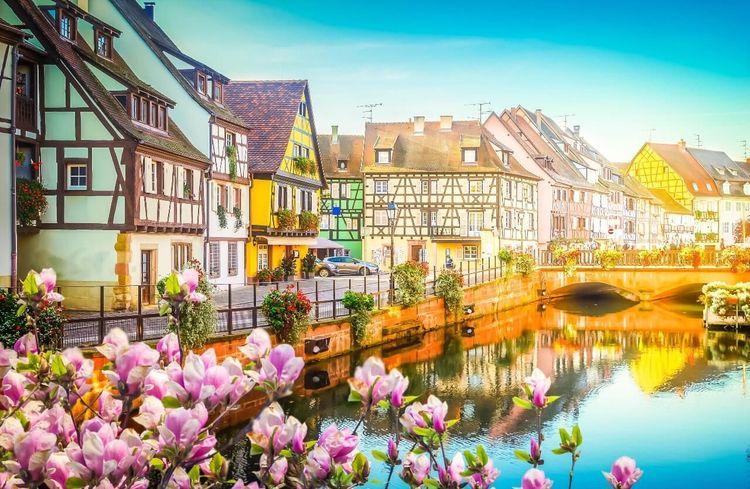
Colmar is often associated with wine tourism and the colorful houses of Little Venice, but the Lauch river that crosses the old town is also an invitation to navigation. Boat rides in the Tanners' quarter are the gentle tourist version of what paddlers experience on a regional scale.
For proper kayaking and canoeing, the main sites in Haut-Rhin are located away from downtown. The Fessenheim gravel pits and the Vieux-Brisach area (German side) attract sea kayak and stand-up paddle practitioners, particularly around the Grand Canal d'Alsace. The waters are wider and calmer there, suitable for inflatable craft.
Towards the south, the Sundgau lakes (Altkirch area) offer calm water surfaces for beginners or safe practice. The density of small bodies of water in this part of Haut-Rhin is such that it's possible to visit several sites in one day.
Colmar remains an excellent base for exploring Haut-Rhin. After a day of paddling, the Ryo audio-guided tour of Colmar, 21 audios in 2h10, guides you through the old town's alleys with historical depth that classic tourist panels don't provide.
Inflatable Kayak in Alsace: Rent or Bring Your Own?
The inflatable kayak is gaining popularity in Alsace, and for good reason: it's easily transported in a car trunk, inflates in 10 minutes with a double-action pump, and performs very well on the calm waters of the Rhine plain.
If you already own your equipment, know that water access is generally permissive in Alsace for non-motorized craft, but some protected sectors (Natura 2000 Ried) require prior authorization or impose seasonal restrictions to protect nesting wildlife. Check with the local canoe-kayak federation or directly with providers.
For those wishing to rent an inflatable kayak, several Sélestat bases offer this option, as do some providers in the Colmar region. Expect €20 to €30 per half-day for rental only (without shuttle), with or without introductory lesson.
Beware of low-end models sold in supermarkets: they're sufficient for a pond or calm body of water, but perform poorly in current, even weak. If you plan to paddle regularly in rivers, a mid-quality model (brands like Intex Excursion Pro or Decathlon Itiwit) remains a reasonable investment.
Rates and Reservations: What You Need to Know
Prices vary according to providers, duration, type of craft and season. Here's a reference grid to help you budget your canoe-kayak outing in Alsace in 2026.
Two-person canoe rental (shuttle included):
- Half-day (2-3h): €28 to €35 per craft
- Full day: €40 to €55 per craft
Single kayak rental:
- Half-day: €20 to €28
- Full day: €30 to €42
Inflatable kayak:
- Half-day: €18 to €28
Discounts to know:
- Children under 12: 20 to 30% reduction depending on operators
- Groups (from 6 craft): possible sliding scale rates
- Members of clubs affiliated with the French Canoe-Kayak Federation: sometimes -10%
Regarding reservations, almost all Alsatian providers accept online or phone bookings. In summer, Saturday morning slots often go first, book 1 week in advance if you have a fixed date. Groups of more than 10 people generally need to register at least 2 weeks in advance. Ryo's From Petite France to Greater Europe audio-guided tour is a good way to see Strasbourg's old town on foot too.
For impromptu weekday outings (Tuesday-Thursday), it's often possible to show up directly on site outside July and August.
When to Go and Waterway Conditions
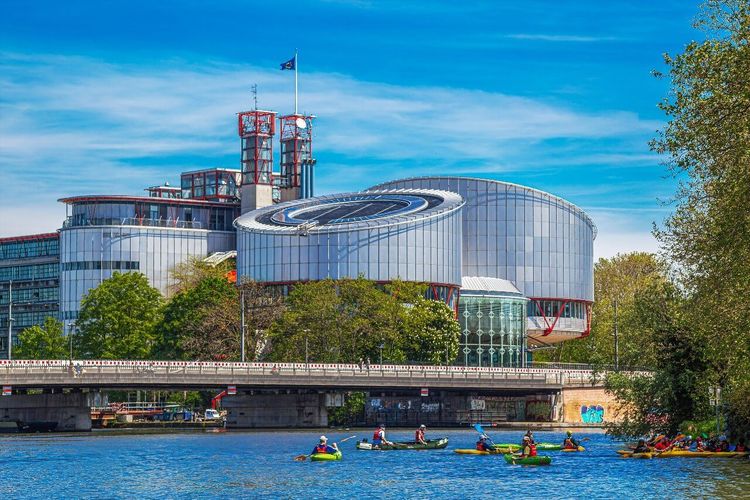
The official season runs from April to October for most Alsatian providers. Here's what distinguishes each period:
April-May: high water levels after Vosges snowmelt, slightly stronger current, vegetation in full renewal. Few crowds.
June: waters warm up (16-20°C), vegetation at its peak. Excellent compromise between favorable conditions and still moderate attendance.
July-August: high season. Lower and warmer waters. Watch for certain Ried areas where cyanobacteria may cause swimming restrictions, check Regional Health Agency bulletins before departing.
September-October: trees begin to change color, groups disappear, and providers sometimes offer reduced end-of-season rates.
Safety and Required Level
The vast majority of routes offered in Alsace are classified as calm water (class I), accessible without prior experience. This doesn't exempt basic precautions.
The basic rules to follow:
- Life jacket mandatory for children, recommended for all
- Never go alone on an unknown sector
- Check weather: summer storms on the Rhine can be violent and rise quickly
- On the Ill and Ried arms, beware of low branches and logjams during flood periods
For children, providers generally recommend a minimum age of 5-6 years and ability to swim 25 meters. Family canoes (3 seats) safely accommodate two adults and one child.
No license or permit is required to practice canoeing and kayaking on navigable waterways in France. However, on high-traffic sectors (Rhine-Rhône canal, navigable Rhine), compliance with river navigation rules is mandatory.
Combining Canoeing and Cultural Discovery in Alsace
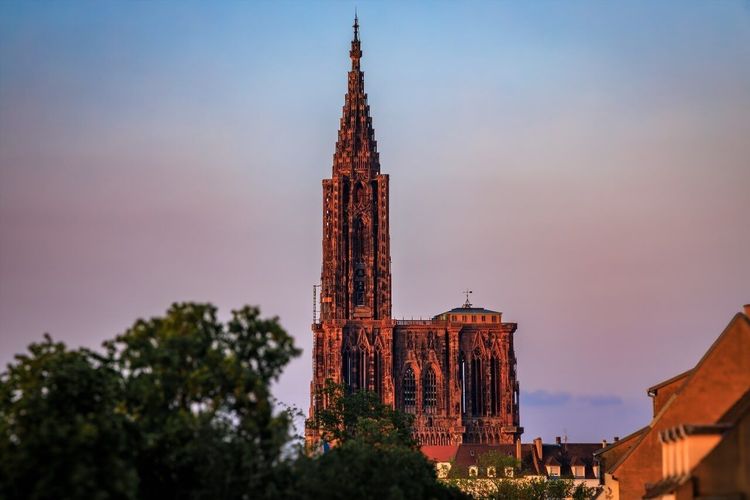
Alsace is one of the few French regions where you can organize a weekend combining sports activity and heritage richness without traveling more than 50 kilometers. A morning canoe outing on the Ried, lunch at a Vosges hills farm-inn in the afternoon, and a guided tour of Strasbourg or Colmar's historic center in the evening, is a completely achievable combination.
For cultural discovery, the Ryo app offers audio-guided tours in the region's two major cities: the Strasbourg one, with its 33 points of interest around the cathedral and Petite France, and the Colmar one, which immerses you in 23 stages through medieval and colorful Alsace.
If you're looking for other outdoor activities to complete your stay, the Ryo guide on the most beautiful hikes in Alsace lists the region's most remarkable walking routes, perfect for a paddle-free day.



FAQ
Where to canoe and kayak in Alsace for beginners?
The Central Alsatian Ried areas around Sélestat are best suited for beginners: calm waters, short routes, experienced providers and return shuttle included. The Robertsau area in Strasbourg is also suitable for a first outing, as are the Sundgau lakes in Haut-Rhin. In all cases, a 15-minute conditioning session with basic instructions is sufficient before taking to the water.
What Is the Average Cost of Canoe Rental in Alsace?
Expect to pay €30 to €45 for a two-person canoe rental for half-day or full-day, return shuttle included. Single kayaks cost €20 to €30 for the same duration. Inflatable kayaks are usually rented a bit cheaper. These rates include safety equipment (life jackets) but not necessarily neoprene suits, which should be requested as an extra off-season.
Do You Need to Book in Advance for Alsace Canoës in Sélestat?
Yes, in July and August, it's strongly recommended to book at least 48 hours in advance for an individual outing, and 2 weeks in advance for groups of 10 people or more. Outside high season (April-June, September), booking the day before or the same morning is often possible on weekdays.
Can You Practice Canoeing and Kayaking with Children in Alsace?
Yes, most Alsatian providers welcome families with children from 5-6 years old. The routes on the Ill and Ried are in calm water, without rapids. Children are equipped with suitable life jackets, and 3-seat family canoes allow two adults to comfortably manage a child. The minimum recommended condition is being able to swim 25 meters.
What Is the Best Time to Canoe in Alsace?
The month of June and the first half of September offer the best compromise: good water temperature, lush vegetation, less intense crowds than July-August. Spring (April-May) appeals to nature lovers for its higher water levels and absence of crowds. Avoid mid-July heat waves if traveling with children, as low water and heat make long days more exhausting.
Conclusion
Canoeing and kayaking in Alsace brings together conditions rarely found elsewhere: calm waters accessible to all levels, protected natural landscapes between Rhine and Vosges, and experienced providers who facilitate organization. Sélestat and its Ried canoes form the anchor point for practice in Bas-Rhin, while Haut-Rhin offers its own spaces around Colmar and Sundgau. Once the paddle is set down, the region's two major cities can be explored in depth with the Ryo audio guide of Strasbourg and the Ryo audio-guided tour of Colmar, two complementary ways to beautifully end an Alsatian stay.
À lire également